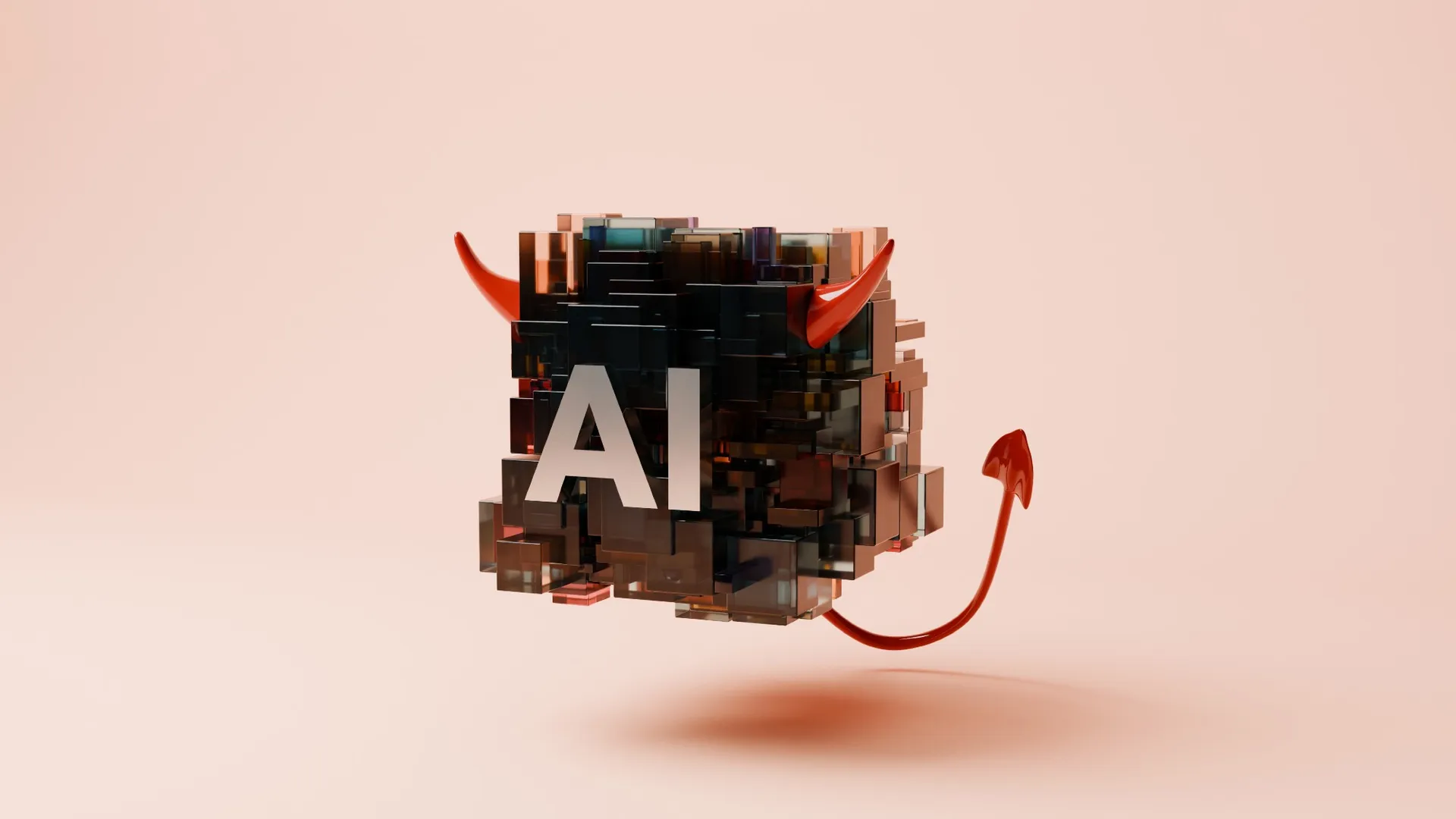
“The only thing growing faster than the artificial-intelligence industry may be Americans’ negative feelings about it” – as Eric Schmidt discovered last week, said The Wall Street Journal. When the former Google boss dared to outline the coming “technological transformation” at a University of Arizona graduation ceremony, he was met with “a chorus of boos”.
He wasn’t the first. Everywhere you look, the AI industry’s claims that it will improve people’s lives are being challenged. “Consumers resent energy-price jumps exacerbated by the spread of data centres. Workers fear widespread job losses. Parents worry about AI undermining education and harming children’s mental health.” The “wave of anger” has brought protests, swayed election results and spurred isolated acts of violence. The mood hasn’t been helped by the industry’s tendency to dismiss these worries as the petty concerns of what one executive recently described as “cave people”.
‘What about those who don't have access?’
In the corporate boardrooms too, there are major misgivings – particularly about AI’s potentially devastating impact on cybersecurity, said DealBook in The New York Times. The power of Anthropic’s new AI model, Mythos, to penetrate the most fortified systems, could up the ante in the battle between IT departments and hackers.
The Week
Escape your echo chamber. Get the facts behind the news, plus analysis from multiple perspectives.
SUBSCRIBE & SAVE
Sign up for The Week's Free Newsletters
Join more than 350,000 subscribers and keep yourself informed with a selection of The Week’s most interesting, enlightening and entertaining stories - plus daily puzzles.
Join more than 350,000 subscribers and keep yourself informed with a selection of The Week’s most interesting, enlightening and entertaining stories - plus daily puzzles.
Latest Videos FromThe Week US
The company has sought to head off damage by creating Project Glasswing: a group of some 50 companies and banks to test Mythos and hopefully detect vulnerabilities in their software before malicious actors do. But another big worry has arisen: “What about those who don’t have access to the tool?” The problem of how to share data about threats, while still restricting access, is a major challenge. Expect lawsuits to fly.
‘Slowing down change is rarely wise’
AI is all about the haves and have-nots, said Jonathan Vanian on CNBC. “Across the tech industry, workers are watching as stock prices balloon” while employers cut headcounts. Indeed, even those with jobs could see their earning power shrivel as AI firms “bid up the price of land and energy”, said The Economist. In a truly dystopian future, humans – “like horses in the age of the car” – could become “uneconomical”. The fiscal implications for governments are terrifying. What should they do? Slowing down change is rarely wise.
Taking countermeasures – say, a combination of clever tax reforms and safety nets – would be a better course. South Korea has even floated the idea of a citizens’ “dividend” from AI businesses. “Concentrations of rent must be confronted early, before the power of rentiers is too great.” The jobs apocalypse is not yet here, but governments waiting for conclusive evidence of it will be acting too late. Better start now.