Dedicated public servant who spent six years as “C”
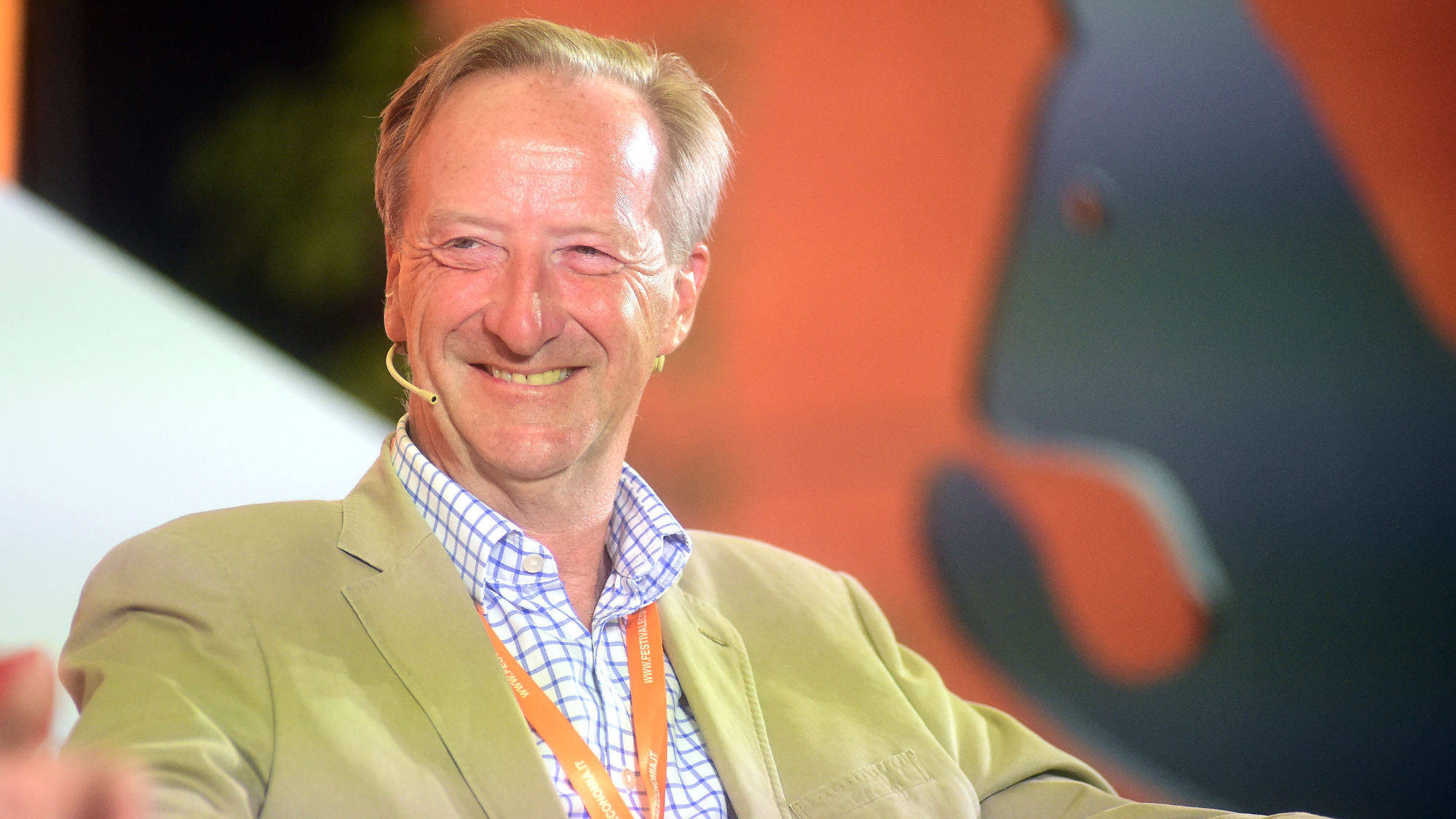
Sir Alex Younger, who has died of cancer aged 62, was the head of Britain’s Secret Intelligence Service, or MI6, for six years, making him the longest-serving “C” in half a century. Affable and self-effacing but also steely, he was a man whose judgement and integrity could be trusted entirely – and he was extremely good at his job, said The Times. Not all of what he did during his long career at MI6 is in the public record, but it is known that he tracked down war criminals in the Balkans in the 1990s; that he was bureau chief in Kabul in the 2000s; and that, as head of counterterrorism, he oversaw security for the 2012 London Olympic Games. “The sense of pride at being part of an effort and cause greater than myself has never left me for a single day of nearly 30 years serving my country as an intelligence officer,” he said in 2018.
The codename “C” has been inherited by all heads of MI6 since Mansfield Cumming, who was its first, said The Guardian. Younger also carried on Cumming’s tradition of signing his initial in green ink. On retiring in 2020, he gave his MI6 pen to Daniel Craig while on a tour of the set of the Bond film “No Time to Die”. But he turned down a cameo in the film. Although he’d had plenty of Bond-like experiences, working undercover and navigating foreign conflict zones, he insisted that 007 would not have a place in the modern service. In a letter to The Economist, he wrote: “I’ll take the quiet courage and integrity of George Smiley over the brash antics of 007 any day.”
Born in London in 1963, he was the son of Nicholas Younger, of the brewing family, and Mary Edge, a general’s daughter. He was educated at Marlborough College, then studied economics and computer science at St Andrews. In 1986, he joined the Scots Guards. He’d first been approached by MI6 while a student, and signed up in 1991. “I’m basically a romantic,” he said. “I believe in human agency. I love the fact that individuals can make a difference; in however small a way, I wanted to be one of those people.” He spent the next 25 years working in the shadows, posing as a civil servant, or mid-level diplomat. His children did not know what he did; at the urging of his wife, Sarah Hopkins, an arts administrator, he did, however, eventually tell his mother that he was a spy. “Yes, darling, so was I,” she replied.
He took over as “C” from Sir John Sawers in 2014. A man of “great courage”, with a “clear moral compass”, he became very popular in what insiders called “the office”, said the Financial Times. He sought to dispel the service’s elite image, and pushed it to recruit from a broader range of backgrounds. He promoted what he called “fourth-generation espionage”, fusing traditional, human-led spycraft with expertise in data analytics, AI and so on. His tenure coincided with Islamic State campaigns in Iraq and Syria, and the Salisbury poisonings. He stepped down in 2020, his term having been extended to promote stability during Brexit.
Last year, he told the BBC that he’d got a kick out of being in this “play that no one knows is even going on”, but that the work had also been “incredibly isolating”. He and Sarah had three children; one of them, Sam, was killed in a car accident in 2019. It was, he said, “so terrible that you can’t articulate it”. But he also revealed he had received messages of condolence from “some of our most implacable adversaries. And in a strange way, that gave me some hope.”