The Week The Week
flag of US
US
flag of UK
UK
https://cdn.mos.cms.futurecdn.net/flexiimages/jacafc5zvs1692883516.jpg

SUBSCRIBE & SAVE

Less than $3 per week

Sign in
  • View Profile
  • Sign out
  • The Explainer
  • The Week Recommends
  • Newsletters
  • Cartoons
  • From the Magazine
  • The Week Junior
  • Student Offers
  • More
    • Politics
    • World News
    • Business
    • Health
    • Science
    • Food & Drink
    • Travel
    • Culture
    • History
    • Personal Finance
    • Puzzles
    • Photos
    • The Blend
    • All Categories
  • Newsletter sign up Newsletter
  • The Week Evening Review
    The hottest World Cup on record, teens sans summer jobs, and the low-caffeine trend

     
    the explainer

    The dangers of climate change during the World Cup

    While countries fight for victory on FIFA World Cup fields in the U.S., Canada and Mexico, an unforeseen competitor is lurking on the sidelines: climate change. Increased heat and humidity could make playing long games outdoors a serious health hazard.

    How does heat affect the tournament?
    Climate change is “boosting the likelihood of performance-impairing heat during most scheduled World Cup matches,” said Climate Central. Among those matches, “nearly half have at least a 50% likelihood of experiencing heat that can impair performance,” and in “26 of those matches, climate change increases the likelihood by at least 10 percentage points.”

    It’s “pretty safe to say climate change is going to have a mark on this World Cup,” said Kaitlyn Trudeau, a senior research associate of climate science at Climate Central, to the Los Angeles Times. And it’s “not just going to be hotter.” It’s also going to “increase the humidity.” Several World Cup locations are expected to exceed 78 degrees Fahrenheit with no internal cooling systems.

    Intense exertion in high levels of heat can have dire health effects. In these conditions, the “body’s normal cooling system begins to struggle,” said Reuters. Humidity is a “​particular concern, since sweat cools the body only when it evaporates.” And excessive sweating because of heat could “lead to dehydration, cramps and increased fatigue,” said Al Jazeera.

    How will future World Cups be affected?
    As climate change is only expected to get worse over time, there have been “discussions on moving the start of the tournament from June to March or October after 2030,” said the Los Angeles Times. For now, “early kickoffs, cooling breaks, air-conditioned stadiums and regular weather-related delays will necessarily become common features” of the tournament.

    Not only will the World Cup be affected by climate change, but it will also make climate change worse. The games will be “responsible for at least 9.0 million tons of carbon dioxide,” said the New Weather Institute, as the increased number of participating teams, as well as the expanded geographic area of the tournament, means more people are traveling around and polluting. 


    today’s big question

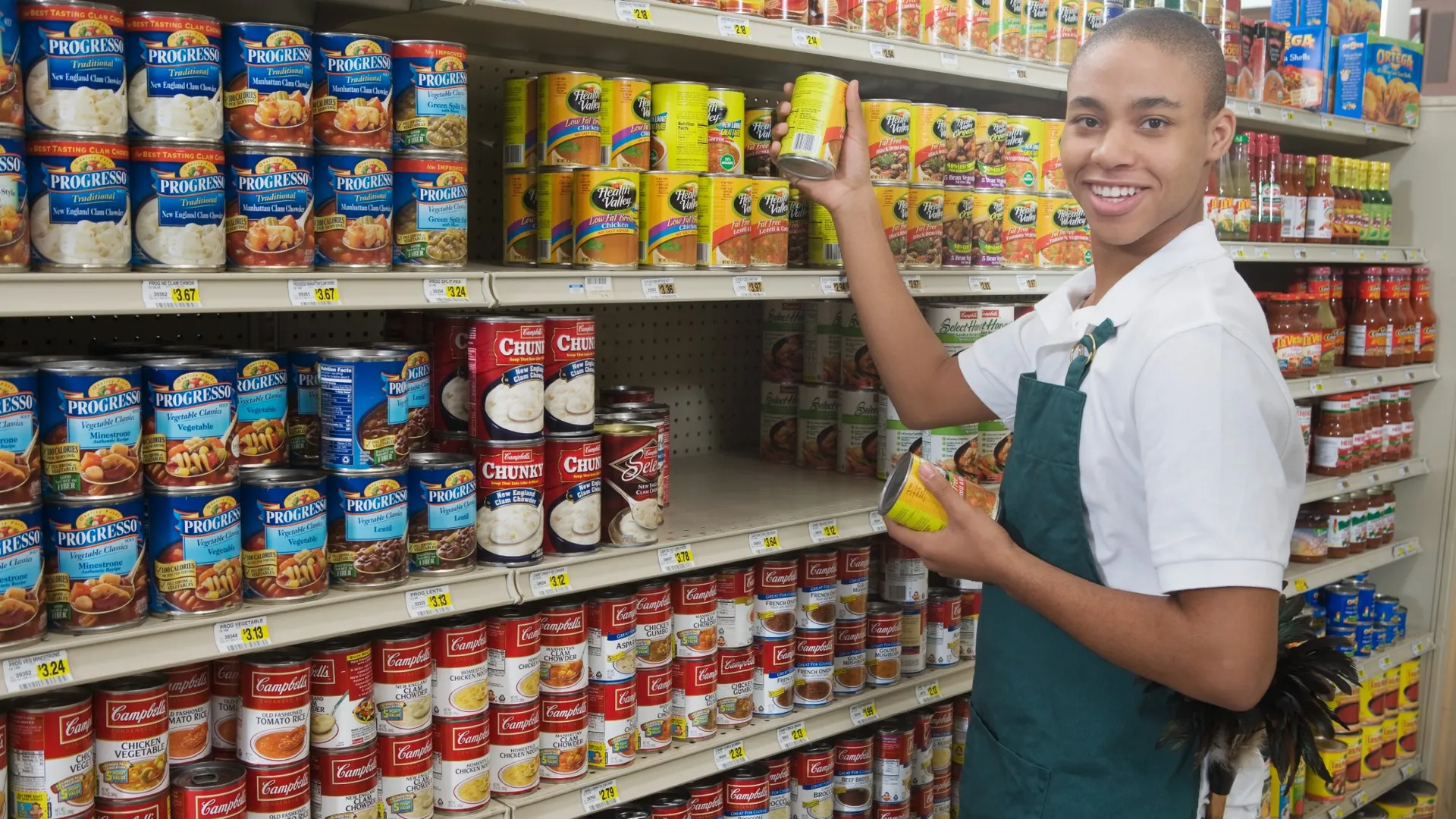
    Why don’t teens get summer jobs anymore?

    Summer used to be a time for teenagers to get a part-time job, earn a few bucks and pile up some work experience. Now, cultural and economic shifts are making that tradition a thing of the past.

    America’s teenagers “face a bleak job outlook heading into summer,” said Yahoo Finance. Automation and artificial intelligence are part of the problem, as work is simply more difficult to find. But today’s young people are also increasingly turning to “club sports, extracurriculars, college prep and even content creation” as an alternative to lifeguarding at the local pool.

    What did the commentators say?
    Youths “aren’t bothering to get summer jobs,” said Stephen Moore at The Washington Times. Working a low-paying seasonal gig can teach vital lessons in how to “show up for work on time, be nice to the foreman and do a little extra to get noticed.” But federal data suggests about a third of teens are seeking summer work, down from 50% in earlier decades. 

    This data is “troubling” because studies indicate that the “earlier one begins working, the more successful they are likely to be later in life,” said Moore. One solution would be to create a lower minimum wage for teens of $5 or $6 an hour to “incentivize employers to hire them for starter jobs.”

    Teens have “found better opportunities” than taking summer work, said Roland Fryer at The Wall Street Journal. While summer hiring projections are the “weakest since the government began counting in 1948,” the “classic” teen summer gig has been “disappearing for nearly half a century” for good reason. Time “spent folding shirts at the Gap” is less valuable than building a college resume. 

    What next?
    The issue has taken on political dimensions. Next week, Oklahoma voters will decide on a referendum to gradually raise the state’s minimum wage to $15 an hour. Doing so could “make things even worse by pricing many teenagers out of the market,” said Ray Carter at the Oklahoma Council of Public Affairs. But a higher minimum wage could provide stability that’s the “difference between staying in school and dropping out” for lower-income young workers, said Jill Mencke at the Oklahoma Policy Institute. 


    QUOTE OF THE DAY

    ‘Please do not use my music in relation to this barbaric, inhumane, heinous nonsense.’

    Singer and actor Ariana Grande in the comments of a social media post from the White House using her 2024 song “Bye” in a montage of ICE agents handcuffing and detaining people. The track has since been removed.


    Statistic of the day

    $504.75 million: The value of Kansas City Chiefs’ star quarterback Patrick Mahomes’ 8-year contract. He has become the first NFL player with a contract worth more than $500 million after agreeing to a two-year extension to his 10-year deal, tying him to the team until 2033.


    in the spotlight

    More Americans want less caffeine in their drinks

    Though caffeine remains the world’s most widely consumed drug, some people are turning to a smaller dosage to achieve their morning kick. A slew of lower-caffeine beverages are hitting the market as consumers look for ways to shake the negative effects of caffeine while still having their daily cup of coffee.

    ‘Experimenting with a new range of options’
    Even as millions of Americans consume mass quantities of caffeinated drinks, some question their caffeine intake. Many started “experimenting with a new range of options beyond the traditional cup of hot java,” said Bloomberg. 

    Younger consumers have begun to “embrace cold, canned beverages over hot coffee,” said Bloomberg. Sales of ready-to-drink, low-caffeinated bottles of coffee and tea were “up almost 15% in the 52 weeks ending March 22” of this year, while sales of “coffee beans and cocoa fell nearly 10%,” according to market research group Spins, per Bloomberg.

    Several companies are also moving toward this trend. Panera Bread began “rolling out a new line of lightly caffeinated drinks,” which comes about two years after the company’s discontinued ultra-caffeinated Charged Lemonade was “linked to two deaths and multiple lawsuits,” said Business Insider. There has also been a resurgence in sales of Coca-Cola Zero Zero, which has no sugar or caffeine, said Bloomberg.

    Why less is better
    Most people, despite the shifting tides, are consuming too much caffeine, which could have negative health effects. While drinking up to three cups of coffee per day can “reduce dementia risk and slow cognitive decline,” even that would still be over the recommended daily 135-milligram dosage of caffeine, said a JAMA study.

    The shift toward low-caffeine is because “health and wellness trends have persuaded many consumers to scrutinize ingredients more closely, with many trying to cut back on artificial dyes, added sugar, processed food and, in some cases, caffeine,” said Bloomberg. The anxiety of Jeremy Clark, an engineering professor in Montreal, has declined “almost to negligible levels” since he cut back on caffeine, he said to Bloomberg. So “it was worth it.”


    Good day 🇲🇽

    … for Mexican innovation. An electric vehicle startup backed by the Mexican government has unveiled its prototype, the Olinia Uno, praised as an “affordable mobility option” and a “showcase for homegrown engineering,” said Transport Topics. The car proves Mexico is more than a “place only destined to produce what other people imagined,” said President Claudia Sheinbaum at the unveiling.


    Bad day 😡

    … for Maltese women. The ladies of Malta are the angriest in Europe, according to the Hologic Global Women’s Health Index, an annual global survey of more than 76,000 women and girls. About 26% of Maltese women report feelings of rage, followed by Greece at 25% and Albania and the Czech Republic at 23%.


    Picture of the day

    Going for gold

    The opening ceremony of the World Cup kicks off at Mexico City’s iconic Azteca stadium before the Group A football match between Mexico and South Africa. The performance, headlined by Colombia’s Shakira and J. Balvin and Nigeria’s Burna Boy, was watched by more than 80,000 people at the venue.
    Alfredo Estrella / AFP / Getty Images


    Puzzles

    Daily sudoku

    Challenge yourself with The Week’s daily sudoku, part of our puzzles section, which also includes guess the number

    Play here


    The Week recommends

    The best places to celebrate the summer solstice

    From sunrise gatherings to dance festivals and floating-flower rituals, summer solstice celebrations certainly blow away the cobwebs. The longest day of the year usually falls on June 21, while in the Southern Hemisphere, it’s six months later. Midsummer has been marked all around the world for thousands of years, with traditions, holidays and festivals, and these are some of the best places to mark the day, maybe with some chanting and drumming.

    Chichen Itza, Mexico
    All eyes turn to El Castillo pyramid at Chichen Itza, which was constructed so that the shadows of the setting sun at the summer solstice “look like a feathered serpent descending,” said Condé Nast Traveler. The symbol of Kulkulcan, a Mayan deity of wind, rain and the passing of time, is a reminder that the “arrival of summer is a pivotal time to accept new beginnings.”

    Mount Olympus, Greece
    In Greece, many “still follow the 2,500-year-old tradition” of climbing Mount Olympus to observe the solstice, said Condé Nast Traveler. The mountain is “seen as the home of the gods, making it a popular pilgrimage route to reconnect with nature and enjoy the solstice scene from the summit.”

    Stonehenge, U.K.
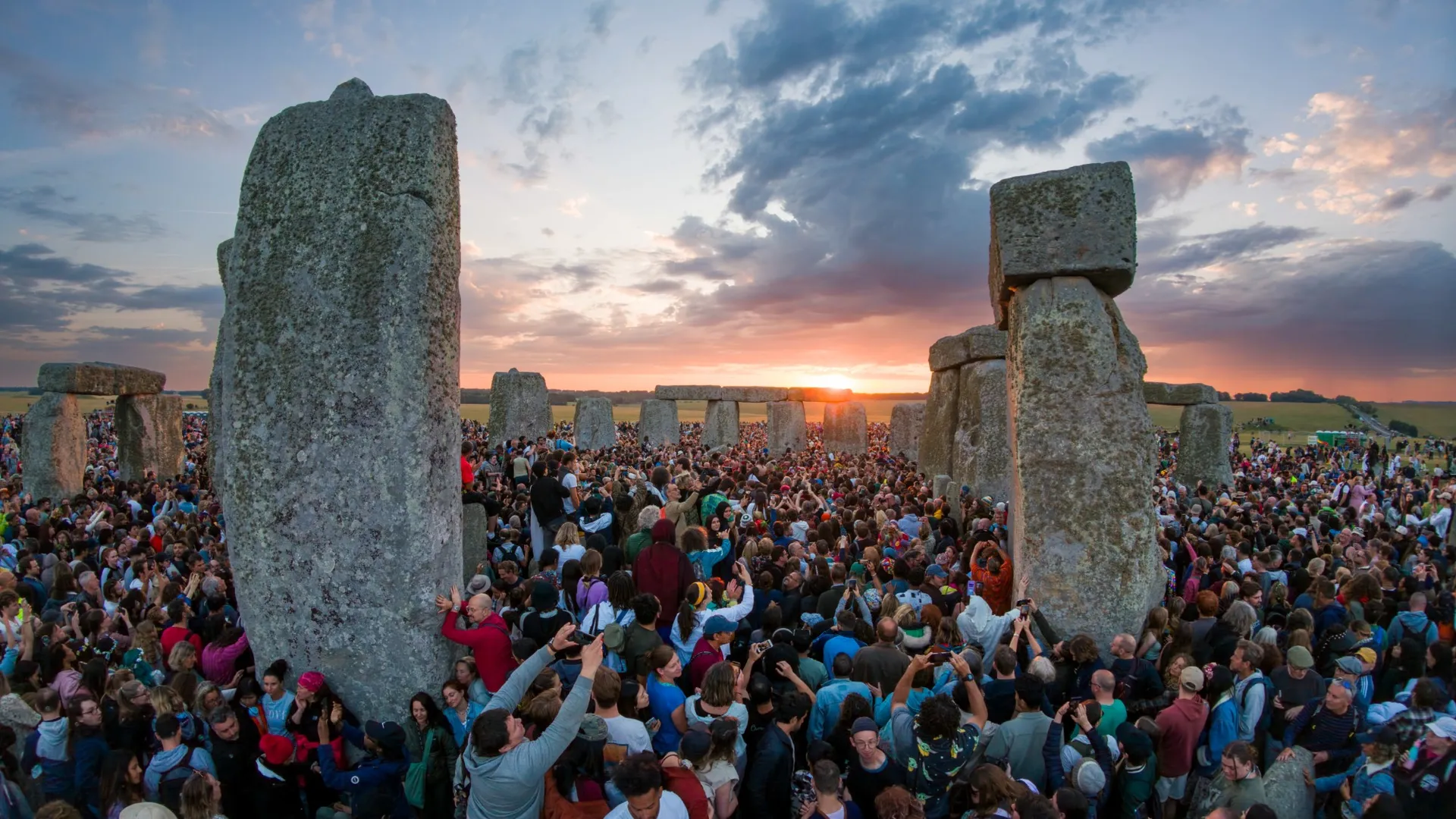
    The 4,000-year-old stone circle (pictured above) is one of the most famous places to observe the solstice. Visitors flock to the site to “witness the moment the sun rises behind the heel stone, the ancient entrance to the monument,” said the BBC. Parking is limited and must be pre-booked, and there will be special shuttle buses from Salisbury train station.

    Read more


    WORD OF THE DAY

    estoppel

    A legal doctrine that prevents litigants from taking contradictory positions in different court proceedings. Supreme Court Justice Clarence Thomas has used a bankruptcy case to raise doubts about the doctrine of judicial estoppel, calling on his fellow justices to “reexamine” the 19th-century doctrine in a concurring opinion on a unanimous decision.


    Poll watch

    Many Americans (42%) continue to rely on older generations for financial support, according to Northwestern Mutual’s Planning & Progress survey of 4,375 adults. One-third of Gen X (33%), more than half of Millennials (53%), and nearly three in four Gen Zers (72%) agree. And 20% believe they will never achieve financial independence.


    INSTANT OPINION

    Today’s best commentary

    ‘America’s teachers can’t afford to teach’
    Randi Weingarten at Time
    Teachers’ salaries have “never fully reflected their passion or professionalism, but as America’s cost-of-living crisis persists, educators increasingly cannot afford even life’s basic necessities,” says Randi Weingarten. Educators “play a crucial role in our society, and the affordability crisis among America’s teachers can no longer be ignored.” The U.S. has “lionized teachers as heroes and then turned around and underinvested in public education, chipping away at the wages that once made teaching a stable middle-class profession.”

    ‘San Diego’s big bet on salt water’
    The Washington Post editorial board
    While cities across “drought-stricken western states struggle to meet their water needs, San Diego has a surplus of the all-important resource,” says The Washington Post editorial board. This is “largely thanks to the county’s investment in desalination, which other localities would be wise to consider.” The “strategy has had plenty of critics, especially environmentalists who say desalination is not worth its hefty price tag.” But the “problem with the opposition to desalination is that there are few good alternatives.”

    ‘The bald eagle perfectly embodies America’s flaws’
    Alexandra Tay at The Nation
    The U.S. has “invested its identity in the bald eagle as a noble apex predator, but the eagle of our national imagination distorts the real bird along lines that parallel our country’s deepest flaws,” says Alexandra Tay. In “truth, the bald eagle is a larcenous opportunist that gets by on brute strength.” But Americans have “come to identify a set of virtues in the bald eagle that we claim for ourselves when, in truth, they are virtues we both lack.”


    Evening Review was written and edited by Theara Coleman, Nadia Croes, Will Barker, Scott Hocker, Anya Jaremko-Greenwold, Justin Klawans, Joel Mathis and Devika Rao, with illustrations by Julia Wytrazek.

    Image credits, from top: Illustration by Julia Wytrazek / Getty Images; moodboard / Getty Images; Adam Berry / Getty Images; Finnbarr Webster / Getty Images
     

    Recent editions

    • Morning Report

      Trump picks intel chief after bipartisan revolt

    • Evening Review

      Trump tests election fraud narrative

    • Morning Report

      Iran and US veer toward war as talks stall

    VIEW ALL
    TheWeek
    • About Us
    • Contact Future's experts
    • Terms and Conditions
    • Privacy Policy
    • Cookie Policy
    • Advertise With Us
    • FAQ
    Add as a preferred source on Google Add as a preferred source on Google

    The Week is part of Future US Inc, an international media group and leading digital publisher. Visit our corporate site.

    © Future US, Inc. Full 7th Floor, 130 West 42nd Street, New York, NY 10036.