The Week The Week
flag of US
US
flag of UK
UK
https://cdn.mos.cms.futurecdn.net/flexiimages/jacafc5zvs1692883516.jpg

SUBSCRIBE & SAVE

Less than $3 per week

Sign in
  • View Profile
  • Sign out
  • The Explainer
  • The Week Recommends
  • Newsletters
  • Cartoons
  • From the Magazine
  • The Week Junior
  • Student Offers
  • More
    • Politics
    • World News
    • Business
    • Health
    • Science
    • Food & Drink
    • Travel
    • Culture
    • History
    • Personal Finance
    • Puzzles
    • Photos
    • The Blend
    • All Categories
  • Newsletter sign up Newsletter
  • Sunday Shortlist, from The Week
    A ‘feverish’ West End show and an ‘essential’ documentary

     
    THEATRE REVIEW

    Jesus Christ Superstar  

    Sam Ryder ‘ambushes’ West End audiences with ‘surges of emotional force’

    Highbrow sceptics who have it in for Andrew Lloyd Webber and Tim Rice’s “gospel rocker” “Jesus Christ Superstar” should know that the great modernist composer Dmitri Shostakovich was a big fan, said Robert Gore-Langton in The Scottish Mail on Sunday.

    When the ailing Russian visited London in 1972 to put on his “15th Symphony”, he found time to see the musical – not once but twice. As this revival proves, Shostakovich knew whereof he spoke, because “this is a feverish, thrilling night out – and a welcome return of the Bible belter to the West End”.

    Timothy Sheader’s stripped-back, concert-like production originally wowed the critics 10 years ago at Regent’s Park, said Sarah Crompton on WhatsOnStage. This incarnation, which transfers to Drury Lane ahead of a national tour next year, is on a much bigger scale – but remains intelligent, boldly dramatic and utterly captivating.

    With his “angelic voice and Jesus-like looks”, the pop star Sam Ryder – the UK’s Eurovision runner-up in 2022 – is a physical fit for the lead role, said Dominic Cavendish in The Telegraph. Initially, you worry that he is too “meek and mild a hero, even anodyne”. Yet just as the exhilarating score keeps changing gear and mood, so “Ryder ambushes us with surges of emotional force”, turning on his hippy-like groupies, and on Tyrone Huntley’s “hectoring, haunted, pitch-perfect Judas”.

    And when Ryder “applies his falsetto and lung-busting heft” to “Gethsemane”, it prompts a deserved standing ovation. “You go in anticipating gimmicks. You leave chastened, having witnessed a searing masterpiece.”

    Ryder’s singing is often “sensational”, said Sarah Hemming in the Financial Times. Alas, he is “not yet enough of an actor to convey fully his character’s emotional turmoil ... or the charisma that so inspires devotees and terrifies authority”. While his lack of dramatic heft does affect the storytelling, this is still a “smart, spectacular staging, peppered with wit”. There are many terrific performances – notably from Desmonda Cathabel as Mary Magdalene – and Drew McOnie’s choreography is “blistering”.

    London Palladium, until 5 September; Theatre Royal Drury Lane, 16 October–9 January 2027


    film REVIEW

    Life Support 

    A ‘devastating’ account of life in Gaza 

    “I wanted to walk out of ‘Life Support’ many times,” said Danny Leigh in the Financial Times, and “I mean that as the highest recommendation.” This “essential” documentary, told from the perspective of international doctors who volunteered to help civilians in Gaza between October 2023 and September 2025, offers a rare glimpse into life – and death – in the besieged enclave.

    It is particularly vital considering that, since the war began, no independent foreign journalists have been allowed into Gaza. Using interviews and video footage, director Daniele Rugo weaves together the testimonies of surgeons, paediatricians and other medical staff as they confront “nightmarish wounds” in hospitals that double up as shelters, while bombs fall. In its “stark simplicity” it is “deeply racking”.

    Doctors tend to be careful with their words and don’t reach for “overstatement or exaggeration”, said Cath Clarke in The Guardian. But their “measured accounts of hell on earth” make this “devastating film almost unbearable to watch”. The doctors pay tribute to their Palestinian colleagues, who work marathon shifts, often while grieving personal losses. One surgeon takes sitting-down breaks during an operation to avoid blacking out from hunger. Another brings her teenage children to work, reasoning that, if they die, they will die together.

    We see “the erosion of life” in Gaza first-hand, said India Lawrence on Time Out, from the “heartbreaking footage” of people relaxing and lounging under beach umbrellas in 2022, to the nightmarish reality of life in wartime. There is no dramatic climax, just the slow, relentless descent towards Gaza’s “total devastation”. “Life Support” is “not a happy watch”, but it is “an urgent and essential piece of reportage”.


    ALBUM REVIEW

    The Rolling Stones: Foreign Tongues

    Back in the 1980s, critics were already asking “whether the Stones had another great album in them”, said Neil McCormick in The Telegraph. Forty years on, with Jagger and Richards now in their early 80s, they have somehow just “banged out two in a row”. In 2023, the group’s first album of original songs in 18 years, “Hackney Diamonds”, reimagined the “musty cellars” of “Exile on Main Street” (1972) for the “bright digital light of the 21st century”. Now, “Foreign Tongues” does the same for the “baroque pop invention” of late-1960s Stones: it’s “poppier, looser, more eccentric and playful” – and there’s even a cameo from Paul McCartney. “Let’s hope they keep on rolling” for some while yet. Amen to that, said Dave Simpson in The Guardian. Along with the magic, the Stones have made their “share of albums that sounded like they’d been phoned in from the cricket”. “Foreign Tongues”, by contrast, is another late-career “triumph” – a “modern-sounding, occasionally political” record that takes in touching balladry, slinky disco, and raucous, stomping blues. I like it.


    BOOK OF THE WEEK

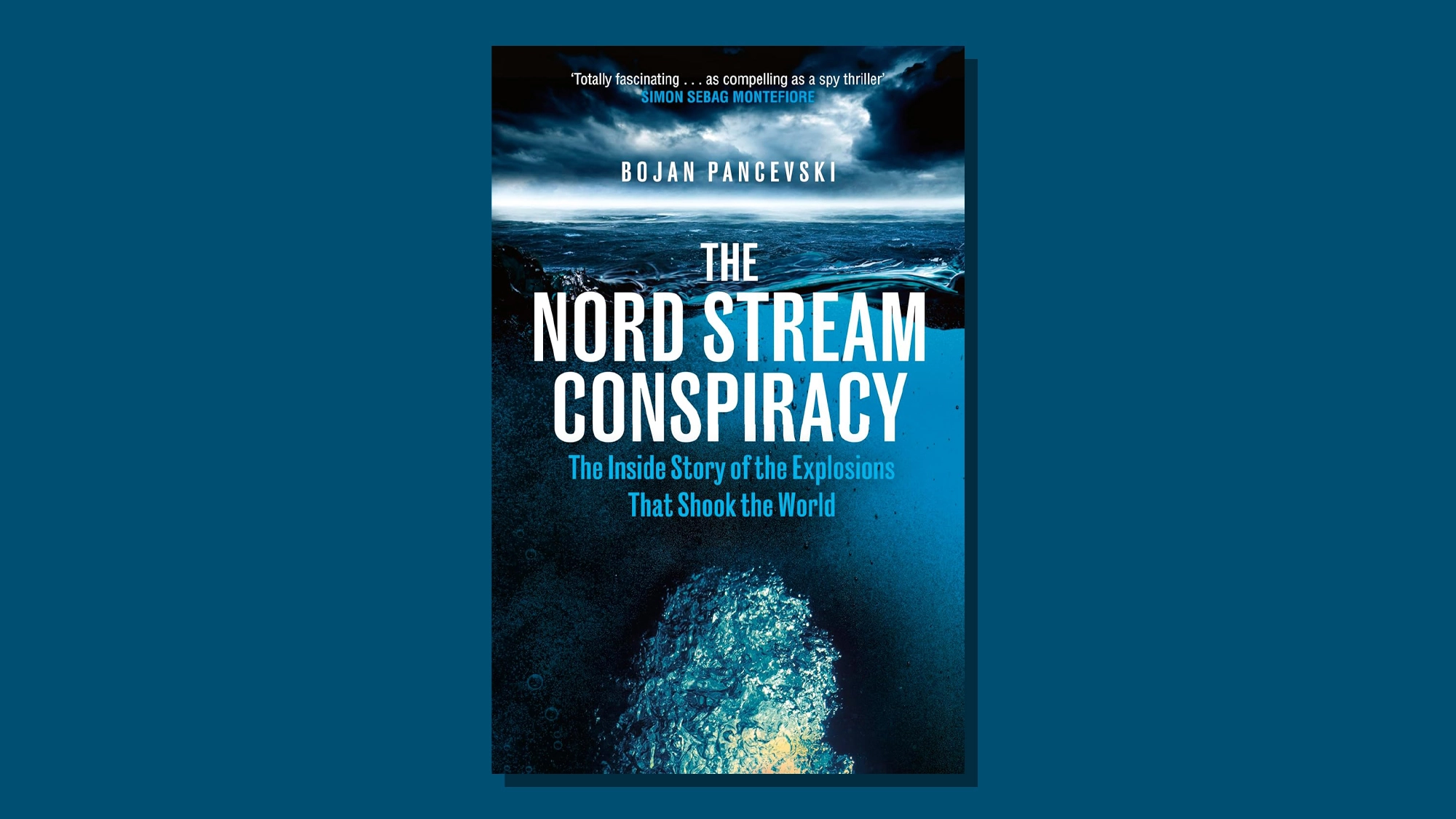
    The Nord Stream Conspiracy 

    by Bojan Pancevski 

    The blowing up of the Nord Stream gas pipeline in the Baltic in September 2022 “has been called the greatest act of sabotage in modern times”, said Robert F. Worth in The New York Times. In one blow, the explosions ended Germany’s energy dependence on Russia – where the gas originated – and “set off a year-long argument about who was responsible”, with Russia, the US and Ukraine all identified as possible culprits.

    Partly thanks to a “meticulous German police investigation, and partly because of some very dogged reporters”, we now know that Ukraine’s SBU intelligence agency was responsible. Their motive was to “stop Germany from feeding Russia’s war machine with billions of dollars in annual gas payments”.

    Bojan Pancevski, a US-based reporter who “spent years untangling the plot”, has now written a “spectacular book” about the bombings, which reads like a “police procedural”.

    The team of divers – four men and one woman – who headed to Germany’s Baltic coast had “possibly the daftest cover story in the history of espionage”, said Colin Freeman in The Telegraph. If stopped, they were “ready to claim that they were making an aquatic-themed pornographic film”. But they weren’t, and “the bombs went like clockwork”, damaging three of the four pipelines beyond repair.

    Because the pipelines lay 80 metres below the surface, beyond the reach of “even the best-trained special-forces divers”, the organisers recruited “civilian deep-sea divers” from Ukraine’s Black Sea diving fraternity, who practised for months in disused Ukrainian quarries. They escaped from Germany by van, and only one has been arrested (he’s to stand trial in Germany later this year).

    These days, it is common for current affairs to be trumpeted with the phrase “reads like a thriller”. “‘The Nord Stream Conspiracy’ genuinely does.”


    OBITUARY

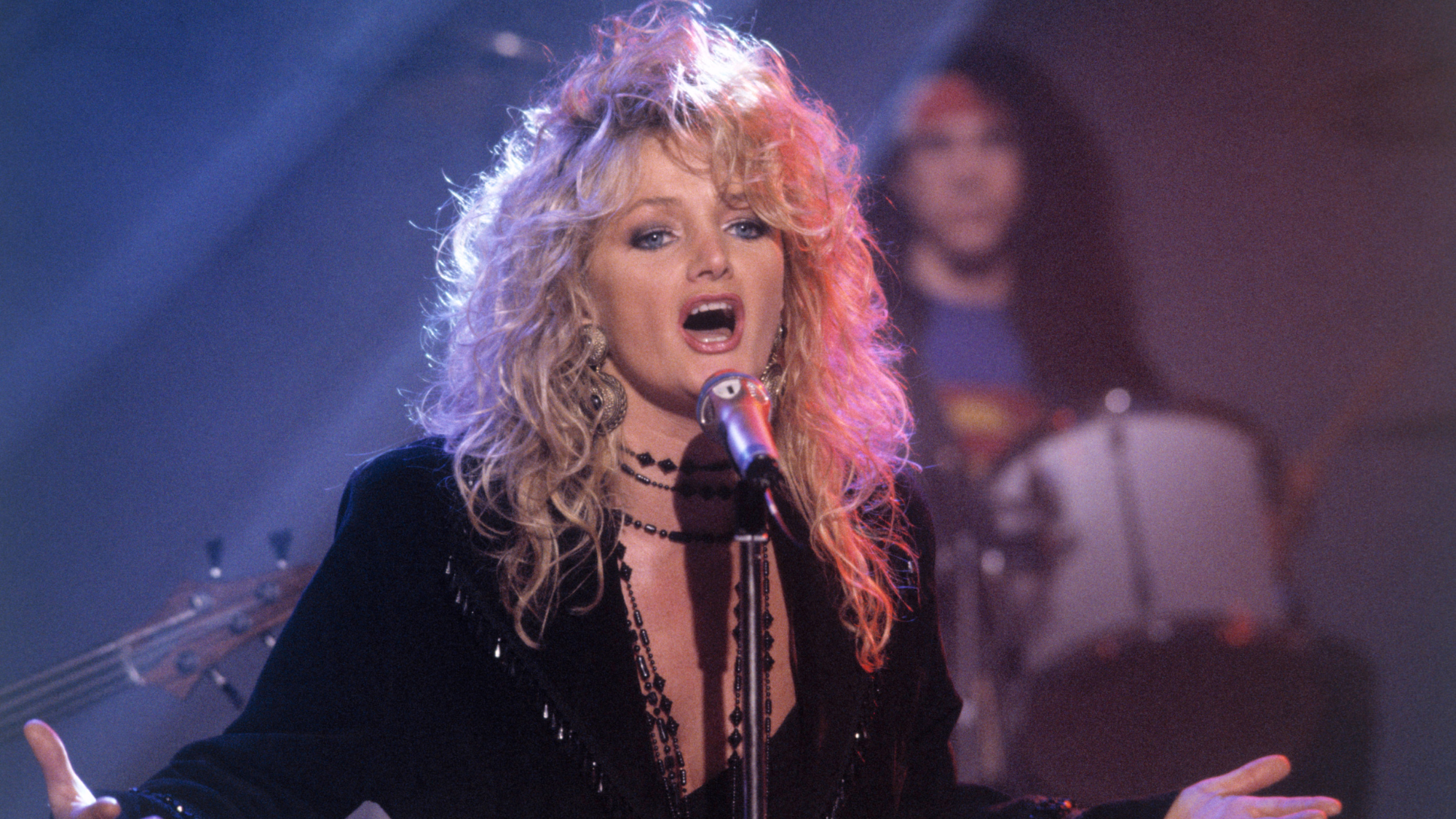
    Bonnie Tyler 

    Welsh superstar who sang Total Eclipse of the Heart

    A big-voiced, big-haired diva “with an endearingly down-to-earth approach”, Bonnie Tyler, who has died aged 75, “emerged from the Welsh Valleys to become an international star”, said The Times. The most successful Welsh female singer since Shirley Bassey, she sold an estimated 100 million records, and had two major hits – with the power ballad “Total Eclipse of the Heart” and “Holding Out for a Hero”, from the soundtrack for the film “Footloose” – that are among the most popular songs on Spotify, with 1.7 billion plays between them. Ironically, the huskiness that made her voice so distinctive was not something she was born with; rather it was the result of surgery to remove nodules from her vocal cords. She feared that this new raspiness would end her career, but the first song she released after the surgery, “It’s a Heartache”, became her first major hit.

    One of six children, she was born Gaynor Hopkins in 1951, and brought up near Neath. Her father, Glyndwr, had been a miner; her mother, Elsie, sang opera at home. Her father was unable to work due to tuberculosis, and money was tight, said The Telegraph. Tyler recalled being bullied at school for wearing hand-me-downs. Nevertheless, Glyndwr bought the family a tape machine on which Tyler would record “Top of the Pops” episodes to sing along to. She also sang at chapel, which the family attended three times on Sundays. She left school at 16 with no qualifications. While working in a shop, she sang backing vocals for a local band, then formed her own. She had been singing on the local club and pub circuit for seven years when, in the mid-1970s, she was spotted by a scout and was signed by RCA, which insisted she change her name. Her first hit was the country-style song “Lost in France” in 1976; then, in the early 1980s, she approached Jim Steinman, who’d written “Bat Out of Hell” for Meatloaf. He was so impressed by her voice, he decided to give her his song “Total Eclipse”, which he’d originally intended for a musical based on the film “Nosferatu”.

    The song, which went to No. 1 in 10 countries in 1983 and has sold 13 million copies, was accompanied by a fever-dream of a video, filmed in a Victorian gothic hospital in Surrey, that matched the “epic mood of the music”, said The Guardian. By 2023, the video had more than a billion views on YouTube. Tyler once said that she had no idea what it was supposed to be about. “Holding Out for a Hero”, which was also written by Steinman, reached No. 2 in the UK charts in 1985. The hits started to dry up in the late 1980s, but Tyler continued touring and recording into her 70s. In later life, she divided her time between homes in south Wales and the Algarve. She is survived by Robert Sullivan, her husband of more than 50 years, a former judo champion turned property developer.

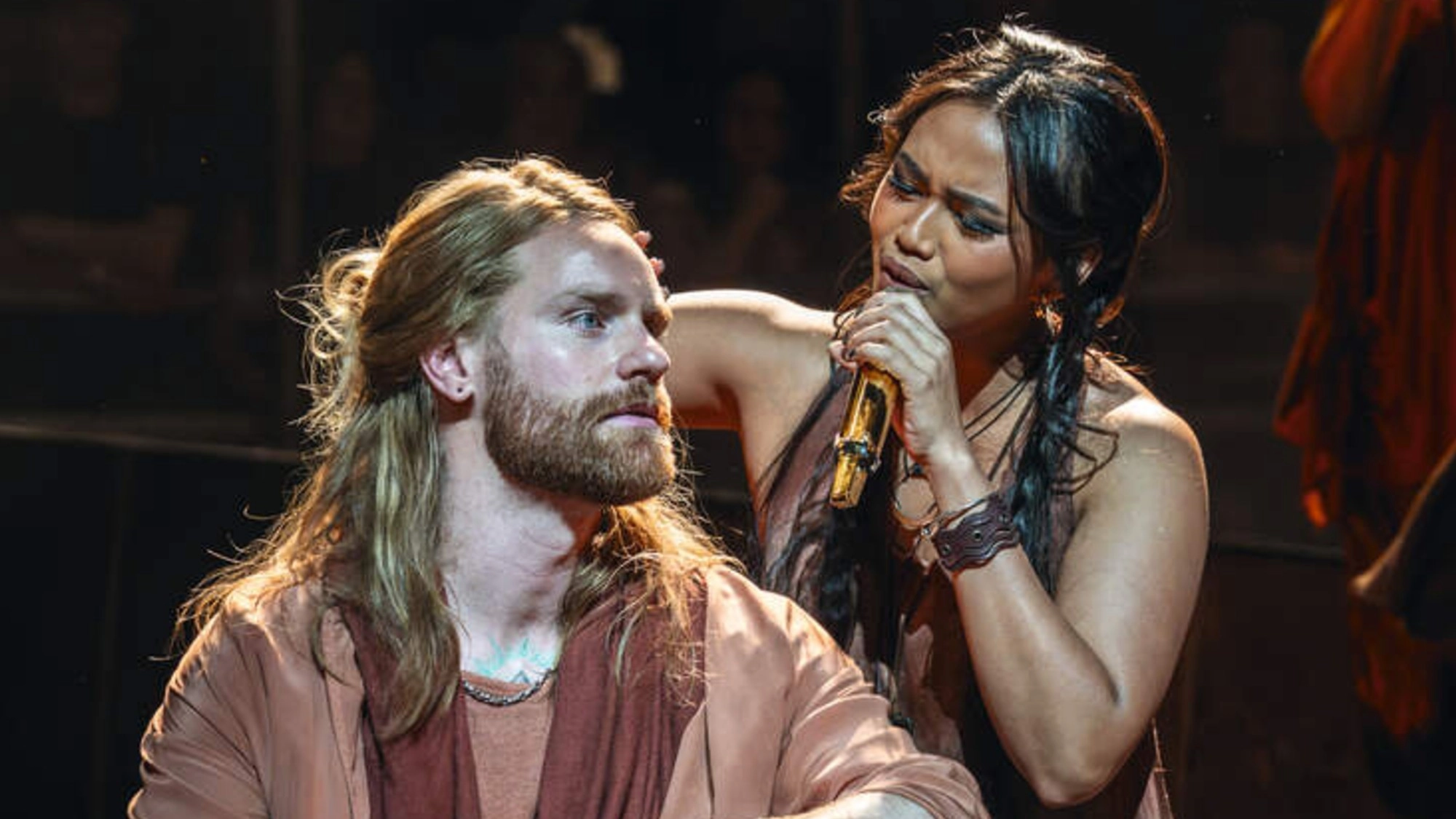


    Image credits, from top: Johan Persson; Pressure Cooker Arts;  Hutchinson Heinemann; United Archives / Getty 
     

    Recent editions

    • Evening Review

      Cancel culture for cancer research?

    • Morning Report

      US deaths mount in renewed Iran war

    • Sunday Shortlist

      The noise around 'The Odyssey'

    VIEW ALL
    TheWeek
    • About Us
    • Contact Future's experts
    • Terms and Conditions
    • Privacy Policy
    • Cookie Policy
    • Advertise With Us
    • FAQ
    Add as a preferred source on Google Add as a preferred source on Google

    The Week is part of Future US Inc, an international media group and leading digital publisher. Visit our corporate site.

    © Future US, Inc. Full 7th Floor, 130 West 42nd Street, New York, NY 10036.