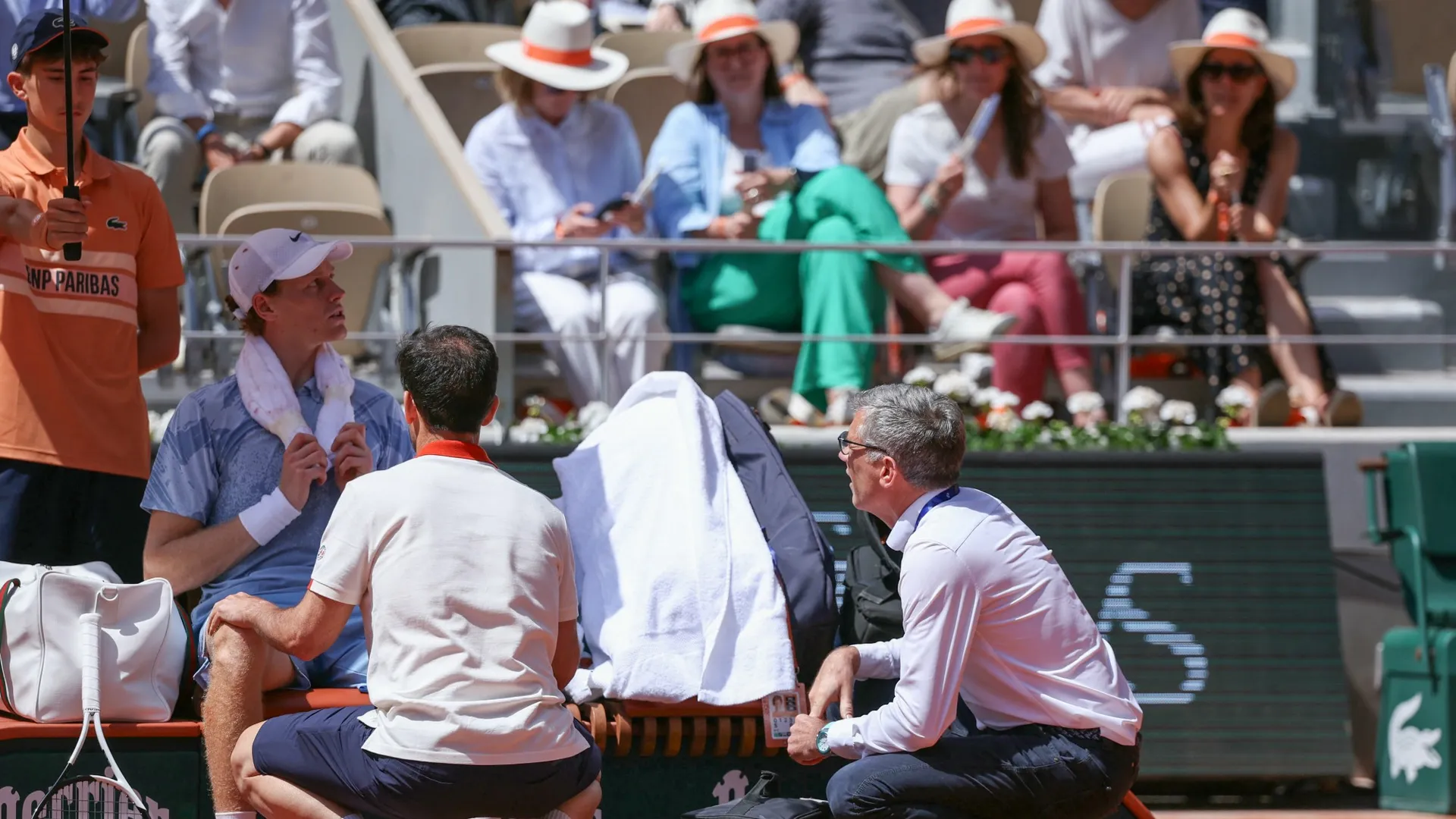
“It’s pretty worrying,” said British pro Jack Draper to reporters at last month’s Wimbledon about the state of tennis and the “amount of injuries, especially young players,” as he withdrew from the tournament due to injury. The tour and calendar “have to adapt if any of us are gonna achieve some sort of longevity.” He also withdrew from the U.S. Open last week, along with Italy’s Jannik Sinner, ranked world men’s No. 1, and Britain’s Emma Raducanu on the women’s side. Players on the men’s ATP and women’s WTA tours have long complained of the hectic playing schedule and the toll it takes on their bodies, calling for reforms to ease their workload.
‘Regularly missing events’
It’s “difficult to remember a time when each tournament’s buildup was not punctuated” with withdrawals of big-name players, said The Telegraph. And it’s players’ improved athleticism that’s causing issues. The physicality in tournaments has “evolved exponentially compared with two or three decades ago,” with athletes hitting the ball harder and with better equipment, said El País. And the rules are not adapting to accommodate this.
Then there’s the punishing tournament calendar. Seven of the nine Masters 1000 events, which are one step below Grand Slams in prestige and traditionally lasting seven days, have “expanded to a 12-day format,” said The Telegraph. Top players’ absences do give opportunities to younger and lower-ranked players, but fans have started to “raise concerns” about their favorites “regularly missing events.” And the ATP Tour has its “own interests at heart,” attempting to “squeeze out every revenue source possible.”
‘Takes time’
Environmental changes are also overlooked, said the Financial Times. “Extreme heat is affecting tennis tournaments globally,” as was particularly apparent in the number of heat-related incidents at the French Open in May, but different organizations follow different rules to address it. Until this year, the decision to suspend ATP matches due to weather conditions was at the “discretion of tournament supervisors.”
Like in other sports, change in tennis “takes time,” said The Independent. But unlike other sports, tennis essentially has “seven governing bodies,” with the ATP, the WTA, World Tennis and the four historic Grand Slam events claiming certain jurisdictions. “Getting everyone around the same table is challenging enough,” let alone getting them to agree on reforms to the game. |