The Week US
flag of US
US
flag of UK
UK
https://cdn.mos.cms.futurecdn.net/flexiimages/jacafc5zvs1692883516.jpg

SUBSCRIBE & SAVE

Less than $3 per week

Sign in
  • View Profile
  • Sign out
  • The Explainer
  • The Week Recommends
  • Newsletters
  • Cartoons
  • From the Magazine
  • The Week Junior
  • More
    • Politics
    • World News
    • Business
    • Health
    • Science
    • Food & Drink
    • Travel
    • Culture
    • History
    • Personal Finance
    • Puzzles
    • Photos
    • The Blend
    • All Categories
  • Newsletter sign up Newsletter
  • Sunday Shortlist, from The Week
    A tale of ‘cold betrayal’ and a ‘rollercoaster’ exposé

     
    Theatre Review

    The Prime of Miss Jean Brodie

    Gayle Rankin is ‘extraordinary’ as ‘nightmare’ teacher at an all-girls boarding school

    “As a teacher of young girls, her behaviour today would see her cancelled, de-platformed and almost certainly up in court,” said Magnus Linklater in The Times. At a private girls’ school in 1930s Edinburgh, Jean Brodie indoctrinates her pupils with her fascist politics, goes in for sexual grooming, and is having an affair with a fellow teacher.

    She is “every headteacher’s nightmare”, and yet she is also brilliant. She fosters an elite set of girls who, she says, are the “crème de la crème”, and she encourages them to have the highest of ambitions.

    Maggie Smith won an Oscar for her performance as this extraordinary character in the 1969 film version of Muriel Spark’s book. And in Vicky Featherstone’s stunning new stage production, Gayle Rankin makes her “more extraordinary still”, said Mark Fisher in The Guardian. Sharp-tongued, bohemian and sexually forthright, this Brodie is as impossible to ignore as an “exotic moth”. Pupils and staff love or loathe her, and “you never doubt why”. But only one teenager, Sandy, sees through her, and brings her down as if she were a Coriolanus or a Lear, “too damaged by her private losses to see her own flaws”.

    To call this National Theatre of Scotland production “spectacular is to understate the case”, said Joyce McMillan in The Scotsman. The stage is dominated by giant, pink-carpeted steps that “echo the architecture of the great fascist arenas of 1930s Europe”. On a 30ft screen behind them, images of great works of art and fascist rallies “haunt the moments between scenes”. Such visual grandeur could have overwhelmed the action but the formidable cast prove a match for it, and, while David Harrower’s adaptation is long, it never loses pace. It builds to a “devastating” end.

    Rankin is magnificent, said Mark Brown in The Telegraph, and she is supported brilliantly by everyone from Maureen Beattie as the headteacher to the “superb” five-strong ensemble who play the Brodie girls. This is terrific narrative theatre, “atmospheric, visceral and cerebral”.

    Lyceum, Edinburgh, to 18 October, then touring Scotland to 7 November


    television REVIEW

    The Party 

    TV series, based on Elizabeth Day’s bestselling novel, set in world of ‘glittering hedonism’

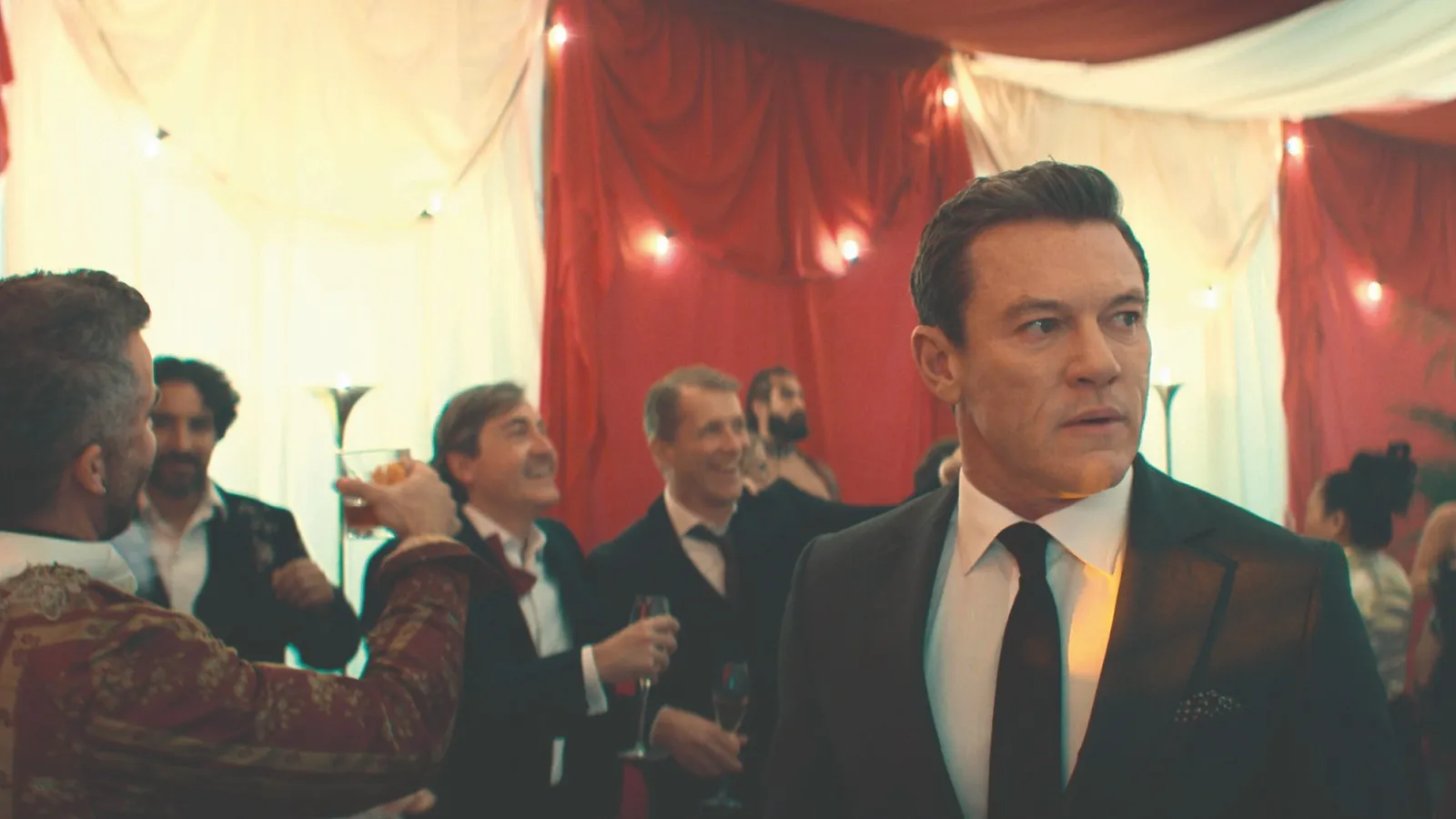
    “The Party”, on ITV1, is “a tale of class division, toxic privilege and cold betrayal”, said Anita Singh in The Telegraph. Based on Elizabeth Day’s 2017 novel, this “juicy psychological thriller” is about the friendship between Benjamin Fitzmaurice (Tom Cullen), a rising star of the Conservative Party, and working-class outsider Martin Gilmour (Luke Evans).

    And it unfolds across three timelines: school and university days, where a tragedy binds the two together; Ben’s birthday bash in the present day; and the aftermath, in which Martin is in a police interview room, bloodied and shaken. “Something terrible happened at the party,” he says, and, over five episodes, we find out exactly what.

    The notion of a working-class boy thrust into a world of “glittering hedonism” isn’t exactly fresh, said Ben Dowell in The Times. Alan Hollinghurst’s “The Line of Beauty” covered this ground, as did “Saltburn” more recently. But this drama “sings its own plangent song”, and the series features some “beautiful” performances, too. The young Martin’s awkward Christmas viewing of “Coronation Street” with his mum is “particularly heartbreaking”.

    It’s a shame that the main themes – class, sexuality and repression – are not more forensically explored, said Phil Harrison in The Independent. We never really discover why these two men behave the way they do. A fine supporting cast, meanwhile, feels underused. Still, the series is very entertaining. “It’s not a party you’d want to attend, but it’s one you’ll happily, voyeuristically observe with a shudder.”


    PODCAST REVIEW

    A Great Book with Barack Obama

    “How soothing it is to hear Barack Obama’s rousing yet dulcet tones again,” said Rachel Cunliffe in The New Statesman. The ex-president’s new podcast is a dose of “escapist nostalgia” to those of us who miss the era before a “narcissistic social media addict” took up residence in the White House. Obama’s top-flight guests include the author Ta-Nehisi Coates, the historian Jill Lepore, and Tom Hanks, who kicks off the series with a discussion about “Gilead”, Marilynne Robinson’s Pulitzer-winning tale of fatherhood, forgiveness and faith in 1950s Iowa. The pair’s conversation is “philosophical without being esoteric, personal without being self-indulgent”. It’s a welcome “reminder of a time when presidents spoke of grace and redemption, not ‘wiping out’ nations”.


    BOOK OF THE WEEK

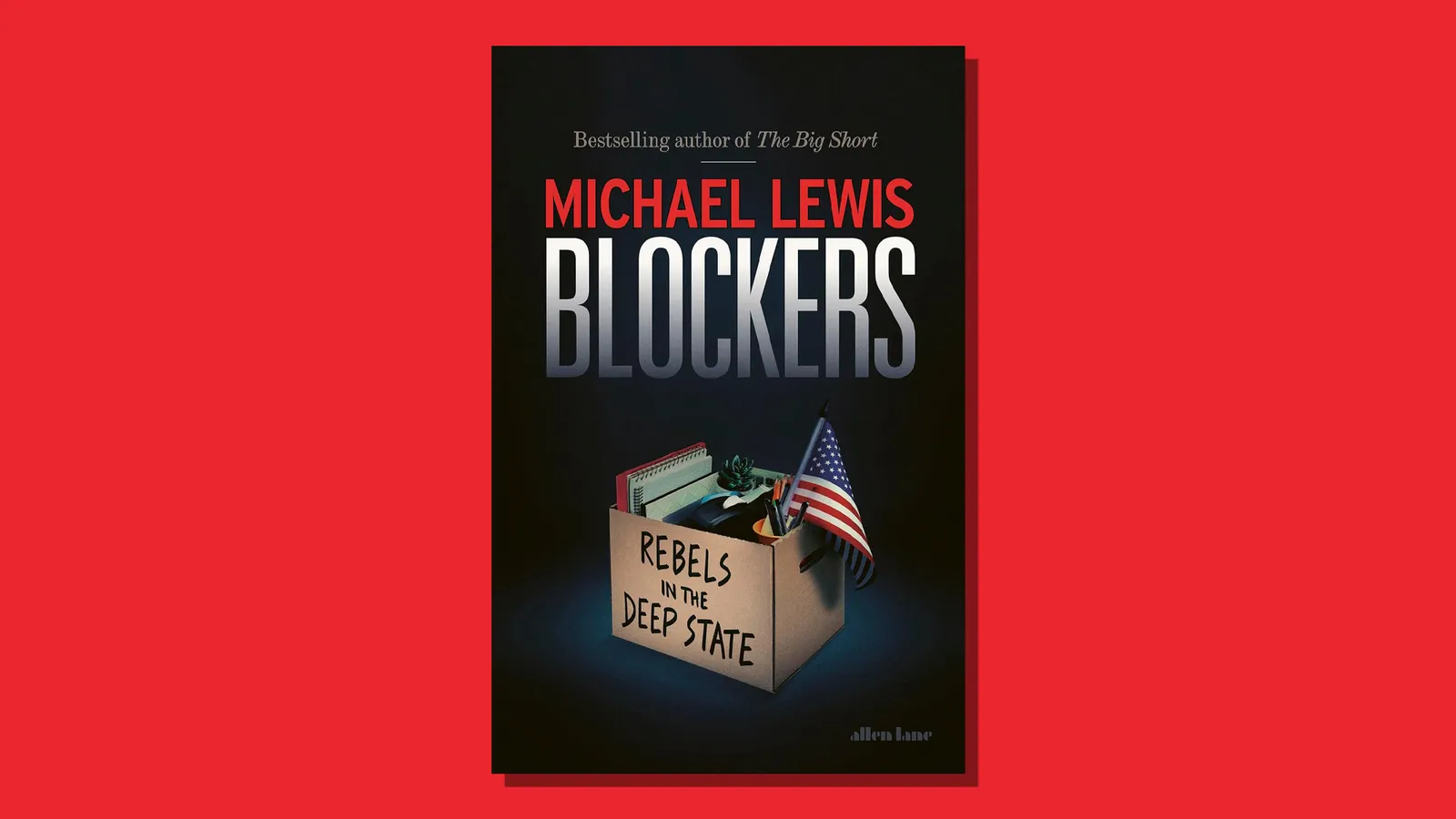
    Blockers

    by Michael Lewis

    “After a career spent getting readers excited about credit-default swaps (‘The Big Short’) and sabermetrics (‘Moneyball’)”, the American journalist Michael Lewis “decided to try to help people understand the importance of civil servants”, said Sam Freedman in The Guardian.

    He did this first in “The Fifth Risk”, his 2018 book about the damage caused by the first Trump administration’s “almost complete lack of interest” in the workings of government. Now, he has written a “loose sequel” dealing with Donald Trump’s return to office and, “this time around, the problem is not indifference but malicious intent to destroy”.

    “Blockers” is an account of the vandalistic work of Elon Musk’s Doge and “other agents of chaos”, notably Republican operative Russell Vought, who essentially became Trump’s cost-cutter-in-chief when Musk fell out with the president. At the same time, it shines a light on the “blockers” – Musk’s derisive term for the “dedicated officials” who did their best to hinder his reforms.

    The book is a “rollercoaster”, said Laura Miller on Slate. It alternates between “heartening stories of stellar federal civil servants” and “blood-pressure-spiking accounts” of the “Elon-worshipping idiot boys” sent to slash their budgets or hound them from their jobs. In one chapter, we see an IRS official “locking herself in a darkened conference room” to avoid a “capricious Doge goon who wanted her to give him confidential information on seven million taxpayers”.

    Another is focused on Francis Collins, who was sacked from his senior role at the National Institutes of Health. Among a host of distinguished achievements, Collins was “instrumental in identifying the gene responsible for cystic fibrosis”. Yet he was forced to leave at short notice, carrying his possessions in “a small cardboard box”. Lewis suggests that, ironically, the person ultimately responsible for his dismissal was Vought, whose own daughter has cystic fibrosis.

    Such stories aren’t just personal tragedies, said Tim Adams in The Observer; they are calamitous for America. The cuts carried out by Musk and others led to “vast institutional knowledge” being removed at a stroke, “to be replaced by venal incompetence”.

    The aim was to “dispose of and humiliate” an entire class of people who cared about the good that government could do, and about following legal due process. Nor did Doge’s reforms even succeed on their own terms: despite Musk’s boast that he would cut $2 trillion from the government’s $7 trillion budget, this year’s federal spend is estimated to be $7.4 trillion. Lewis has produced an “essential record” of a dismal episode in American history.


    OBITUARY

    Jeffrey Archer

    Politician and novelist who was jailed for perjury

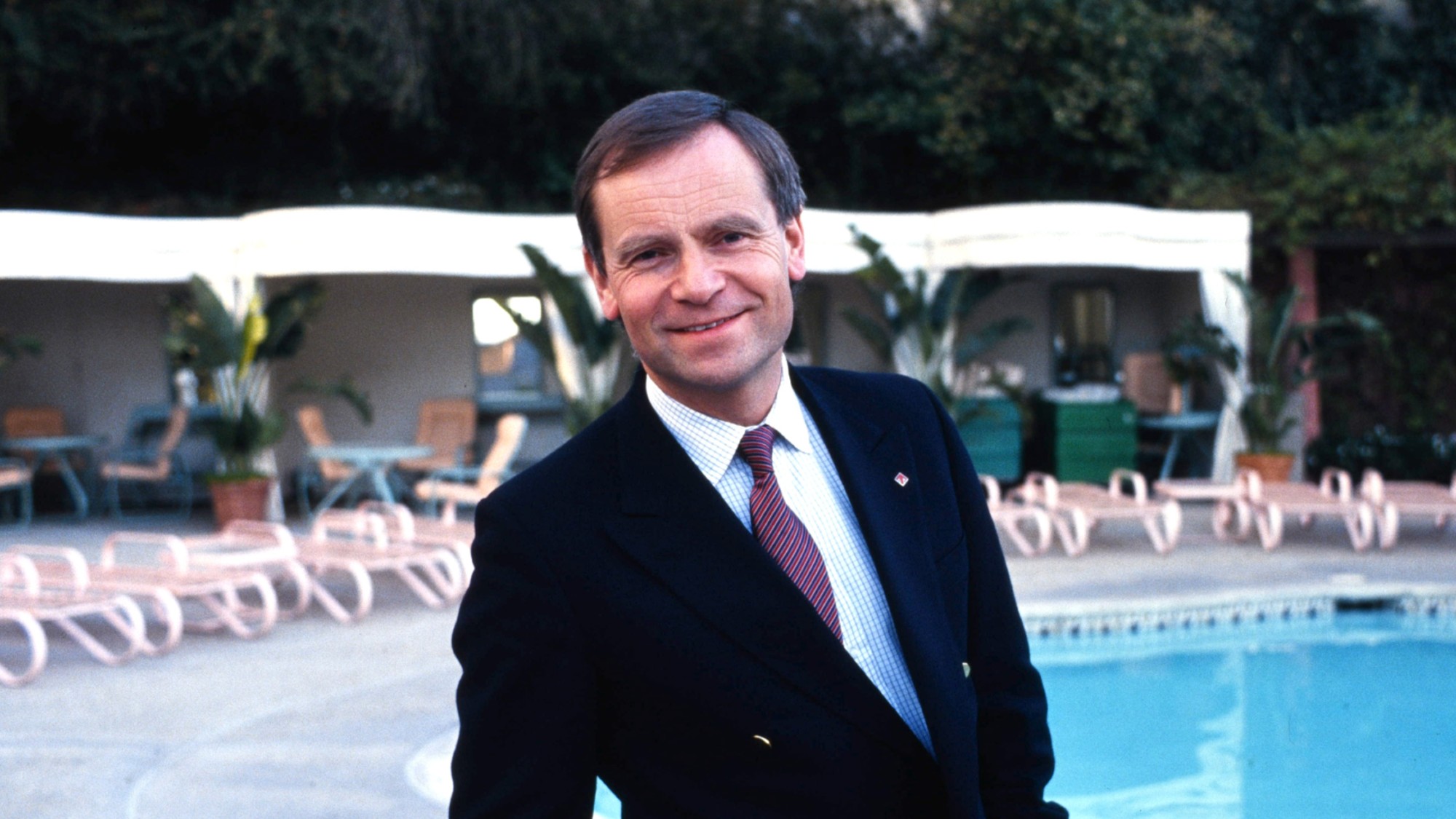
    “Jeffrey Archer, who has died aged 86, was irrepressible,” said Stuart Jeffries in The Guardian – “though not necessarily in a good way.” At various points, he was accused of lying about his background, embellishing his CV, committing plagiarism and fraud and – perhaps worst of all – of being “unpleasant to underlings”. And while some of the allegations were never proved, he was convicted of perjury and perverting the course of justice and sentenced to four years in jail. 

    Yet Lord Archer of Weston-super-Mare – senior Tory politician, former athlete, bestselling novelist and bon viveur – simply sailed on. Editors continued to adulate him; his books kept selling in their millions; and sports stars, writers and politicians still flocked to the “shepherd’s pie and Krug” parties he hosted in his “sumptuous”, art-filled apartment overlooking the Thames. Archer, it turned out, was what the Titanic was supposed to be: “unsinkable”. 

    Growing up in Weston-super-Mare, Archer was doted on by his mother, who worked as a journalist on the local paper and sent him to Wellington School on a scholarship. As an adult, he’d imply that he had been to the grander Wellington College. Bullied for being puny, he threw himself into athletics and bodybuilding, and distinguished himself as a sprinter. He stayed at the school until 18, yet left with just three O levels. 

    On the basis of a false report that he had three A levels and had studied anatomy at a university in the US, he was then accepted to Oxford. But though he presented himself as an undergraduate at Brasenose, he was actually doing a one-year diploma in education at a teacher training college linked to it.

    As a student in Oxford, he arranged fundraising drives for Oxfam, including via the coup of persuading The Beatles to appear at Brasenose. Yet as Michael Crick revealed in his biography, Oxfam was not only troubled by the way he exaggerated the sums he had raised; it also suspected that he was skimming off funds. 

    In Oxford, Archer met Mary Weeden, a chemistry student who became his wife in 1966. Settling in London, he found work as a fundraiser for the United Nations Association. Its chair, the ex-Tory MP Humphry Berkeley, became convinced that he was embezzling funds. But the UNA hushed it up, and Archer was accepted for the safe Tory seat in Louth, Lincolnshire, which he won at a by-election in 1969. 

    In his writing, Archer was no stylist, but he could tell a “rollicking story”, said The Times. In 1976, his debut novel, “Not a Penny More, Not a Penny Less”, became a bestseller. His novels would go on to sell more than 300 million copies. He also returned to politics: Margaret Thatcher made him deputy Tory chairman in 1985, describing him as “the extrovert’s extrovert”. 

    Then, in 1986, the Daily Star sensationally accused Archer of having been a client of a sex worker named Monica Coghlan. He sued for libel and, in court, denied ever even meeting Coghlan (though he did admit to asking an intermediary to pay her £2,000 in cash to leave the country). She was vilified as a liar and an extortionist. In summing up, the judge famously highlighted Mary Archer’s testimony: “Remember Mary Archer in the witness box,” he told the jury. “Has she elegance? Has she fragrance?” With such a wife, how could Archer “possibly be in need of cold, unloving rubber-insulated sex in a seedy hotel?” Having presented what seemed to be a solid alibi, Archer won and was awarded £500,000 in damages. 

    Two years later, Archer was accused of insider dealing over shares he’d bought in Anglia TV just before a takeover bid. His wife sat on the firm’s board. He was cleared of that, but then fell out with a friend who had helped concoct his alibi in the libel case, and was charged with perjury.
     
    Following his release from jail, Archer published his prison diaries, carried on with his charity work and wrote more novels. Mary, who survives him with their sons, remained by his side to the end. Explaining her loyalty, she once said: “I think I would find it a little monochrome, a little grey, to have a sort of a more conventional life with a more conventional husband.”

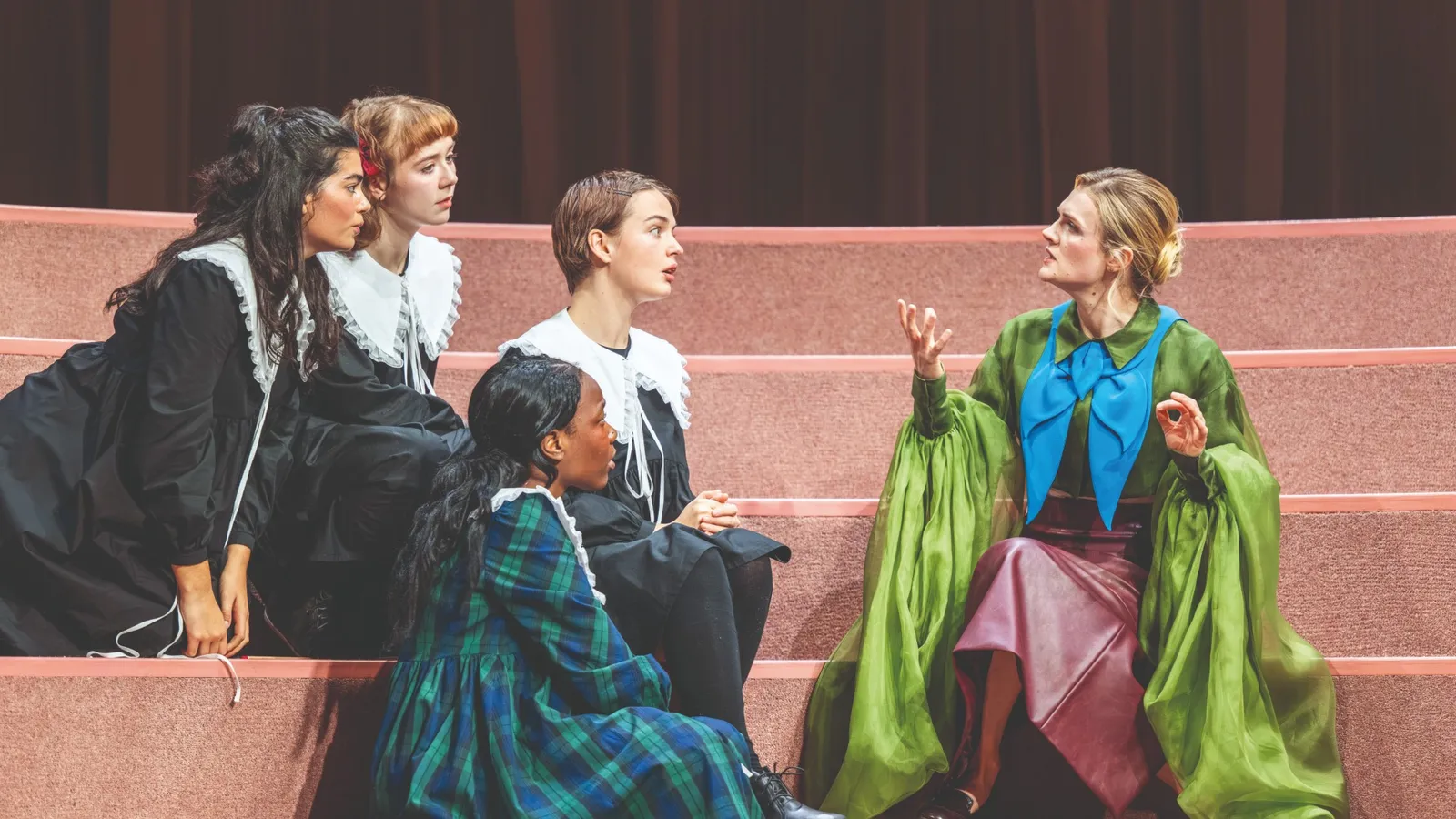


    Image credits, from top:  ITV / World Productions; Mihaela Bodlovic; Penguin; Paul Harris / Getty Images
     

    Recent editions

    • Evening Review

      A diesel deal with Putin

    • Morning Report

      Trump escalates controversial election intervention

    • Evening Review

      Can Democrats trust the polls?

    VIEW ALL
    TheWeek
    • About Us
    • Contact Future's experts
    • Terms and Conditions
    • Privacy Policy
    • Cookie Policy
    • Advertise With Us
    • FAQ
    Add as a preferred source on Google Add as a preferred source on Google

    The Week US is part of Future US Inc, an international media group and leading digital publisher. Visit our corporate site.

    © Future US, Inc. Full 7th Floor, 130 West 42nd Street, New York, NY 10036.