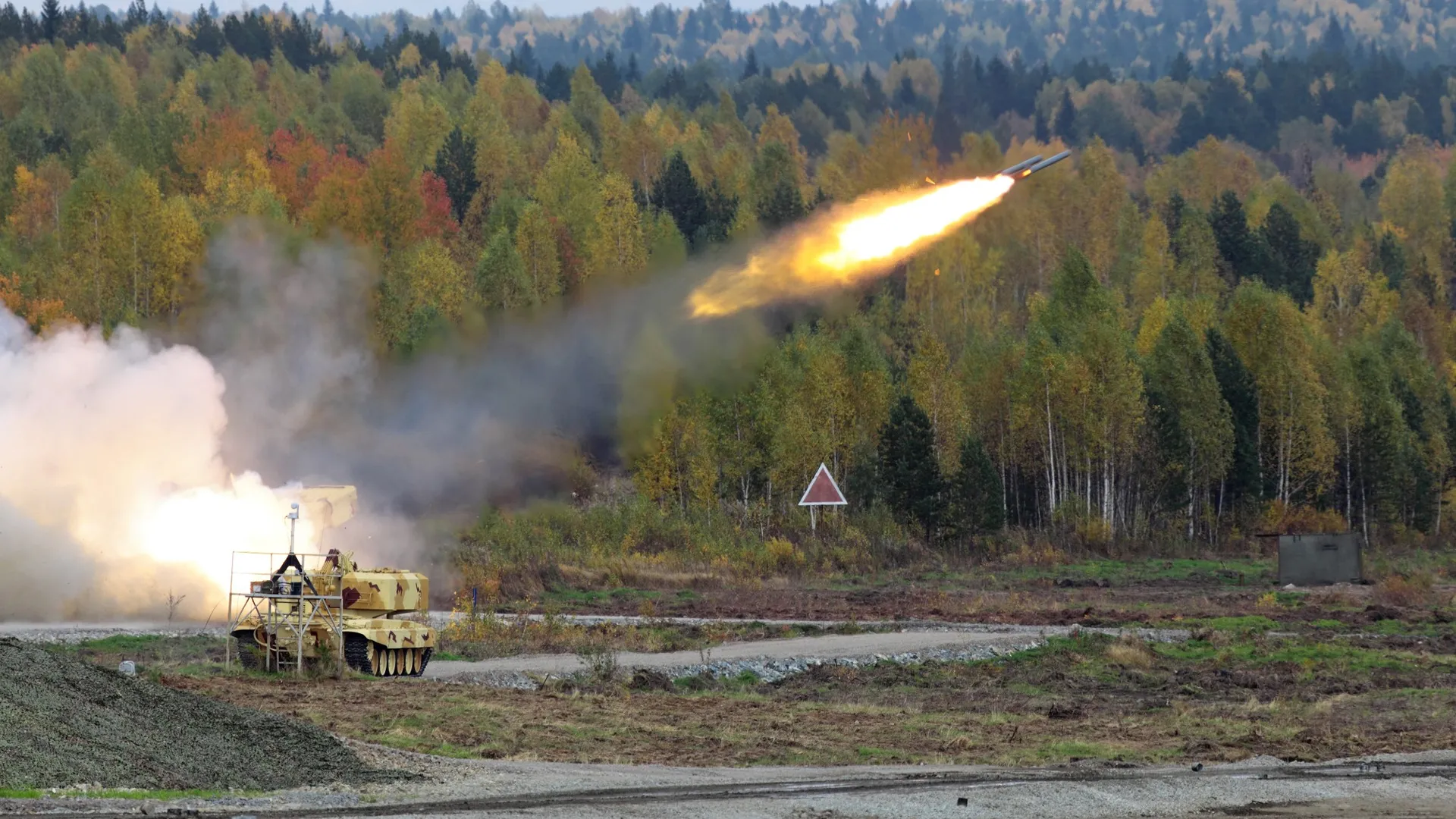
Controversy is growing over some of the weapons Moscow has used during the conflict in Ukraine, including thermobaric bombs, which produce a blast "second only to a nuclear bomb," said news.com.au. Also known as a vacuum bomb, a thermobaric missile's extra hot blast is "capable of vaporizing human bodies," said Sky News. It can also kill people by making their lungs "explode," said The Sun.
What weapons is Russia using?
The Russians are "finally bringing to bear their heaviest firepower," said Forbes, by "lobbing powerful glide bombs" at Ukrainian troops. While thermobaric bombs are conventional weapons in that they are not guided by satellites and can be launched as a rocket or dropped as a bomb from aircraft, glide bombs are remote-controlled warheads that can fly toward targets over long distances. With a range of 25 miles or more and containing "hundreds of pounds of explosives," glide bombs weigh as much as 3 tons and are "powerful but inaccurate," so they "pose a serious danger" to civilians, said Forbes, "assuming, of course," that the "civilians themselves aren't the target."
"There are no words to describe the aftermath of a glide bomb attack," a Ukrainian police chief said to the BBC. "You arrive to see people who are lying there, torn apart." Moscow has also been criticized for its use of cluster munitions on the battlefield, particularly RBK-500 bombs.
Are they used elsewhere?
Thermobaric bombs are believed to have been used in Afghanistan and in different locations in the Middle East, including during the Syrian Civil War and in a "terrorist attack in Bali, Indonesia," said European Security & Defence. Glide bombs were devised during World War I but weren't used until World War II.
What do international conventions say?
International law does not prohibit the use of thermobaric munitions against military targets, and past attempts to regulate and restrict the weapons have "failed," said CNET. However, targeting civilians with these weapons is against international law.
The legal status of glide bombs is less clear, so Russian pilots have inflicted this particular "scourge" with "impunity," said The Economist. Under the leadership of Jens Stoltenberg, NATO barred 124 member nations from stockpiling, using or manufacturing cluster bombs because of their indiscriminate nature and long-term humanitarian impact. |