The Week The Week
flag of US
US
flag of UK
UK
https://cdn.mos.cms.futurecdn.net/flexiimages/jacafc5zvs1692883516.jpg

SUBSCRIBE & SAVE

Less than $3 per week

Sign in
  • View Profile
  • Sign out
  • The Explainer
  • The Week Recommends
  • Newsletters
  • Cartoons
  • From the Magazine
  • The Week Junior
  • Student Offers
  • More
    • Politics
    • World News
    • Business
    • Health
    • Science
    • Food & Drink
    • Travel
    • Culture
    • History
    • Personal Finance
    • Puzzles
    • Photos
    • The Blend
    • All Categories
  • Newsletter sign up Newsletter
  • The Week Evening Review
    Oil execs’ skittishness in Venezuela, pizza’s decline, and Artemis II’s bold mission

     
    TODAY’S BIG QUESTION

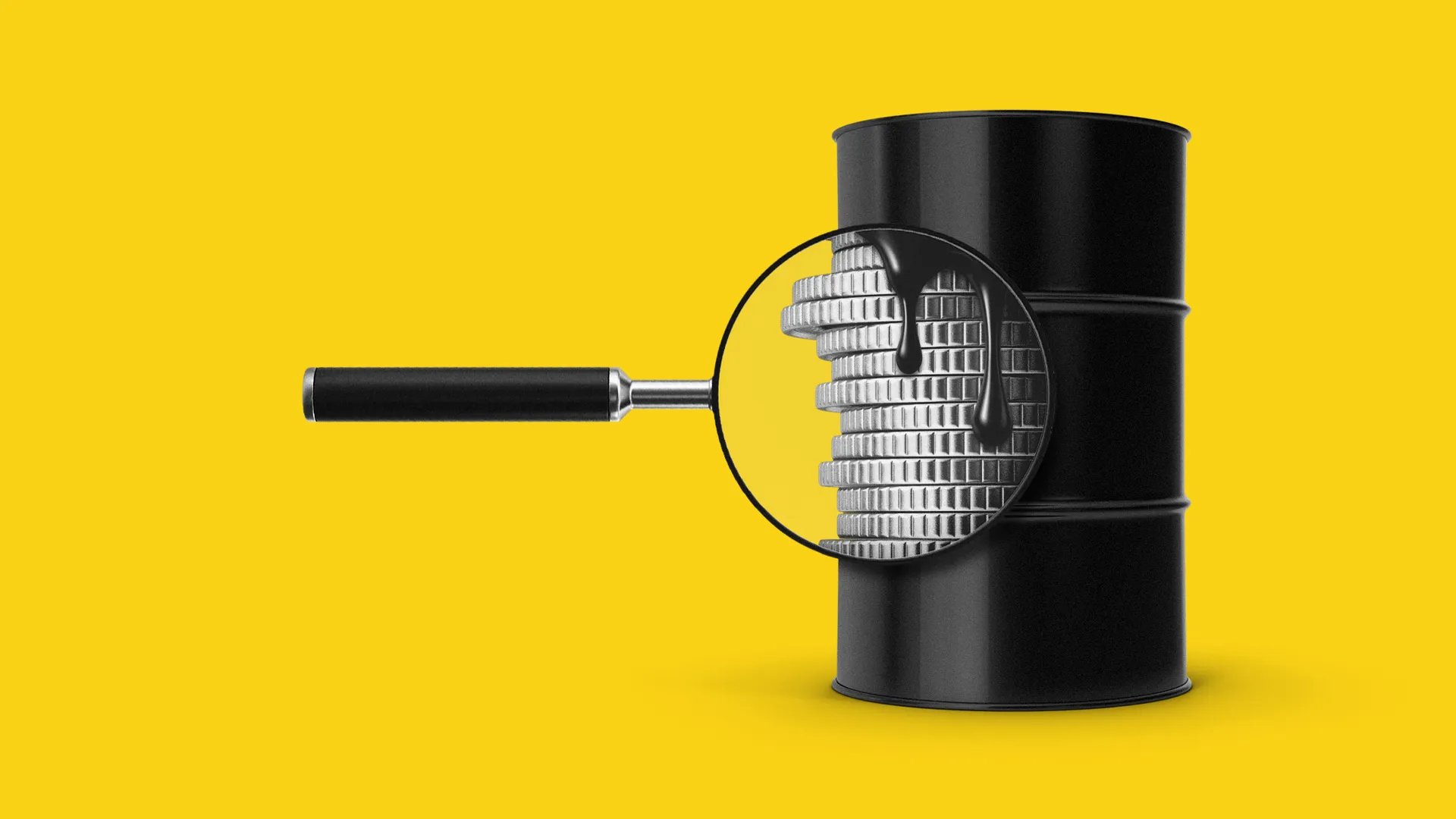
    Do oil firms really want to invest in Venezuela? 

    President Donald Trump is celebrating the U.S. attack on Venezuela as a victory for control of that country’s oil reserves. “We have taken $4 billion of oil in one day,” he said yesterday on Fox News. However, it’s unclear whether American oil companies are willing to undertake the effort and expense of rebuilding Venezuela’s petroleum industry.

    Venezuela’s “huge reserves of crude oil” are not necessarily a “tantalizing prospect for private investors,” said Politico. “Tens of billions of dollars” will be required to rebuild the country’s “aging facilities,” a task complicated by the fact that the country’s crude oil reserves require “more expensive processing work” than oil from other sources. Many oil company executives are saying it might be difficult to make the project profitable. 

    What did the commentators say?
    “The math simply does not work,” said Ed Hirs at The Houston Chronicle. Control of Venezuelan oil will not benefit oil companies or consumers. The break-even cost of extracting and processing the country’s oil is roughly $80 a barrel. West Texas crude, meanwhile, currently sells at under $57 a barrel. It will cost “more to produce Venezuelan oil than it could sell for.” There’s “little upside for consumers or taxpayers” and especially not for independent Texas oil companies, who would “see their taxes used to create a new competitor.”

    Trump is offering U.S. oil companies a “poisoned chalice,” said Ron Bousso at Reuters. Those companies are “no strangers to political risk,” operating in places like Angola, Iraq and Libya over the years. But the current situation in Venezuela “looks like more trouble than it’s worth” until the government stabilizes and can be depended upon by firms looking to invest. It may be “tempting” to access the country’s resources, but it’s a “lot less attractive if you can’t trust the contract.”

    What next?
    Oil company executives met with Trump today, and their skittishness was clear. The big corporations “aren’t going to be bullied into spending money in a risky country or with risky terms,” said Dan Pickering, the founder of Pickering Energy Partners, to CNN. U.S. taxpayers might reimburse companies for their investments in Venezuela. “A tremendous amount of money will have to be spent,” said the president, per NBC News, and oil firms will be “reimbursed by us or through revenue.”


    QUOTE OF THE DAY

    ‘The people who did this had fear and anger in their hearts, and we need to show them a better way.’

    Becca Good, the widow of Renee Macklin Good, who was fatally shot by an ICE agent in Minneapolis on Wednesday, in a statement to MPR News. “We must come together to build a world where we all come home safe to the people we love,” she added.


    IN THE SPOTLIGHT

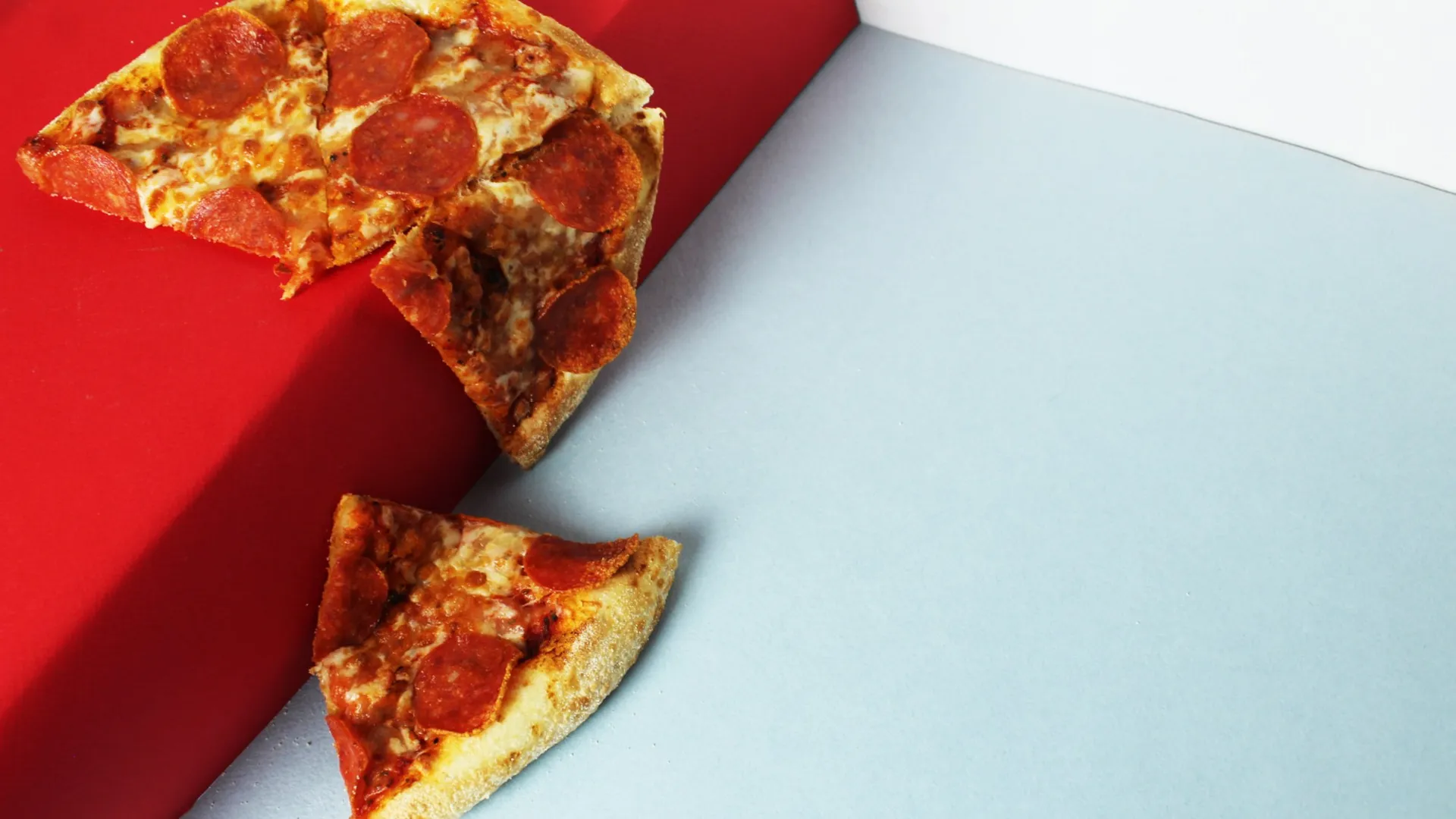
    Why is pizza in decline?

    Everybody loves pizza, right? Or they did anyway. Pizza joints no longer dominate the U.S. landscape, now outranked by coffee shops and Mexican restaurants. The humble pie is just a little more humble these days.

    America is “falling out of love with pizza,” said The Wall Street Journal. Sales growth at pizza places has “lagged behind the broader fast-food market for years,” and industry executives are unsure about the future. The parent company of the Pieology Pizzeria chain filed for bankruptcy in December, following the April filing by Bertucci’s Brick Oven Pizza & Pasta. Chains still made $31 billion in 2024, but pizza’s “dominance in American restaurant fare is declining.” 

    What went wrong for pizza?
    It can be difficult to innovate with such a familiar product, though there have been attempts. “No restaurant chain became the ‘Chipotle of pizza,’” said Restaurant Business. About 10 years ago, chains like Blaze Pizza, Pieology and Pie Five tried to bring a “fast-casual, customizable business model” to the business, offering “single-serve, customizable pies.” It did not work. MOD Pizza, the largest of the chains, has “flirted with bankruptcy” and is closing locations. “Quick-service” pizza restaurants like Pizza Hut, Papa Johns and Papa Murphy’s also saw “sales declines in 2024.” 

    Is pizza the only food sector in trouble?
    Casual restaurant chains of all stripes are “increasingly bifurcating” into a “handful of winners” and a much bigger group of losers, said NBC News. Operating costs are rising and forcing chains to raise prices to “maintain their profit margins,” which does not go over well with lower- and middle-class customers who face “growing financial instability amid a weakening job market.” That has created pain across the industry. 

    What next?
    “On the way down, at the moment, is Pizza Hut,” said Babson College’s Thought & Action entrepreneurship blog. Its owner, Yum Brands (also the parent company of Taco Bell and KFC), is “exploring a sale” of the chain. Pizza Hut is “old and tired,” said Ab Igram, the executive director of Babson’s Tariq Farid Franchise Institute. “Yum will focus on the brands that are doing well.”

    But the weakness of big chains may be an opportunity for mom-and-pop shops. “The era of the chains is over,” said Loren Padelford, the chief revenue officer at Slice, and the “era of indie pizza is in full swing.”


    Statistic of the day

    $7: The amount the Iranian government is offering citizens every month to try to cool protests. The payments “aim to preserve households’ purchasing power,” said a government spokesperson. But they will “likely do little to ease the economic struggles of most Iranians,” whose average expenses are around $200 per month, said The New York Times.


    the explainer

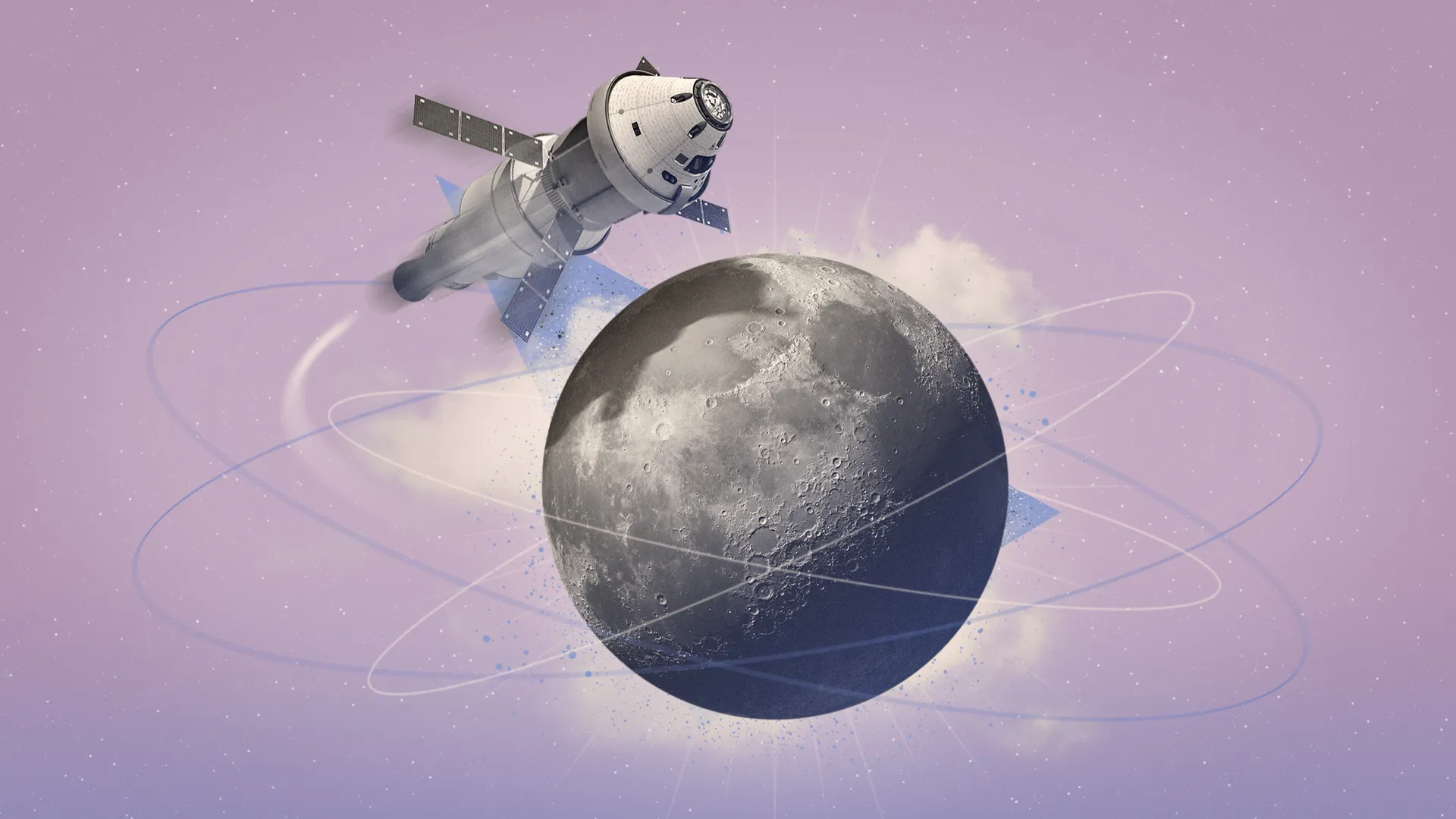
    Artemis II: back to the Moon

    It has been a long time coming. No human has ventured into deep space since the final Apollo mission in 1972, but that’s about to change. Four astronauts — three Americans and a Canadian — will soon be heading back to the Moon as part of NASA’s Artemis II program, possibly as early as Feb. 6 and “no later than April,” said the space agency. Although they won’t land on our rocky satellite during the 10-day mission, they will pass just a few thousand miles from it, in a mission that promises to unlock valuable lessons for future missions to the Moon and beyond. 

    What’s the Artemis program? 
    Artemis began in 2017. NASA aimed to return astronauts to the Moon and ultimately establish a permanent lunar base. In November 2022, Artemis’ Space Launch System rocket, the most powerful rocket ever built by NASA, and its Orion capsule were launched on a 25-day crewless test flight, Artemis I, that circled the Moon only 80 miles from its surface. 

    What’s Artemis II’s mission? 
    The astronauts will lift off from NASA’s Kennedy Space Center in Florida and spend the first two days orbiting the Earth, testing their life-support systems. Then the Orion capsule will fire up its main thruster and shoot off toward the Moon on its 240,000-mile, four-day journey. It will follow a figure-of-eight path, looping around the far side of the Moon, before beginning the four-day return trip and splashing down in the Pacific Ocean. 

    Three of the astronauts on the mission — Reid Wiseman, Victor Glover and Christina Koch — have travelled in space once before. The fourth astronaut, Canadian Jeremy Hansen, will be on his maiden flight. As well as testing the various systems on board, the crew will be test subjects, helping NASA to understand the effects that space travel has on their cognition, sleep, stress, immune responses and cardiovascular health. 

    What’s the next goal? 
    If all goes well, Artemis III will follow. Slated for 2027, the mission would be the first Moon landing and the first chance for a human to walk on the lunar surface since Apollo 17 commander Eugene Cernan left his footprints there more than 50 years ago.


    Good day 🎗️

    … for reproductive health. Federal guidelines are expanding the options for cervical cancer screenings to include a self-administered HPV test for women ages 30 to 65. The guidelines require “most private insurance plans to cover screening and necessary follow-up testing,” the Health Resources and Services Administration said to NBC News in a statement.


    Bad day 🎲

    … for prescient gamblers. Prediction market platform Polymarket has refused to pay out millions of dollars’ worth of bets on a U.S. invasion of Venezuela. Traders had placed more than $10.5 million on it happening this year, but the site says Nicolás Maduro’s capture does not qualify as an invasion.


    Picture of the day

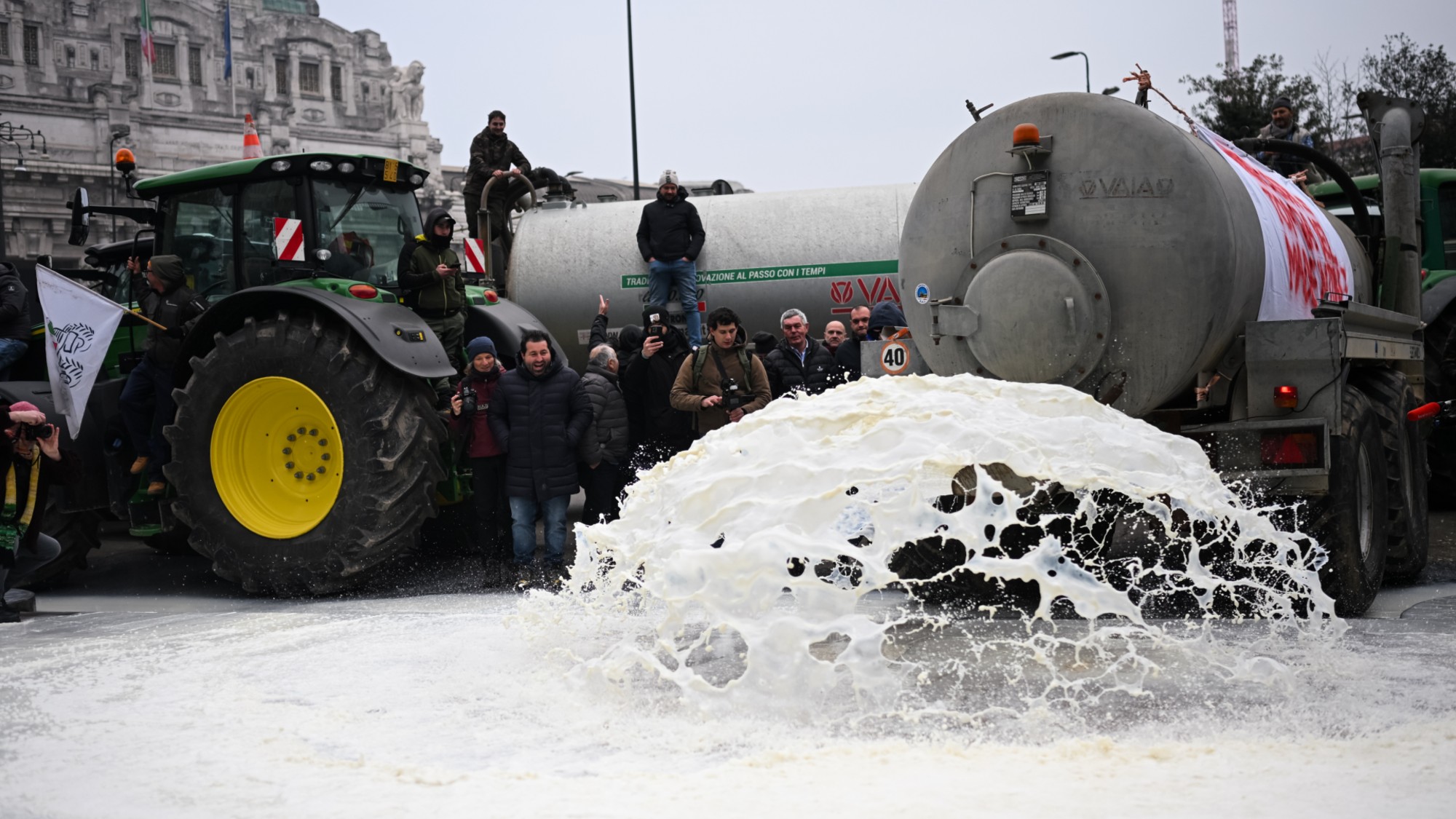
    Full-fat protest

    Italian farmers pour milk in the streets of Milan in opposition to the EU-Mercosur trade deal, which has finally been approved after 25 years of negotiations between the EU and Argentina, Brazil, Paraguay and Uruguay. It will create the world’s largest free-trade area, although some EU farmers fear it will affect their livelihoods.
    Marco Bertorello / AFP / Getty Images


    Puzzles

    Guess the number

    Try The Week’s new daily number challenge in our puzzles and quizzes section

    Play here


    The Week recommends

    New movies: a modern ‘Lord of the Flies’ and a zombie sequel 

    January used to be the time of year in which studios dumped their unloved dregs in theaters. But in the streaming era, good movies can be found and watched at any time, and studios are keeping up. This means there are plenty of hotly anticipated flicks hitting theaters this month.

    ‘The Plague’
    In director Charlie Polinger’s drama, Joel Edgerton plays the coach of a swim camp where the boys bully Eli (Kenny Rasmussen) by pretending that his skin rash is the plague. We witness these disturbing rituals of male adolescence through the eyes of the new kid, played by Everett Blunck (pictured above), who’s unnerved by what he sees. “This anxiety-inducing look at pubescent social structures [is] so thrilling and so brutal,” said The AV Club. (in theaters now)

    ‘28 Years Later: The Bone Temple’
    In June, director Danny Boyle’s contemplative third entry in this zombie franchise arrived in theaters. Jumping ahead 28 years into the future, it depicted a U.K. still overrun by mutated zombies. In this follow-up helmed by Nia DaCosta, adolescent Spike (Alfie Williams) joins a post-apocalyptic gang of vigilantes as his father Jamie (Aaron Taylor-Johnson) searches for him. (in theaters Jan. 16)

    ‘A Private Life’
    Jodie Foster (speaking perfect French) plays Lilian Steiner, an esteemed Parisian therapist whose life is upended when one of her patients commits suicide. Blamed for her death, Lilian begins to suspect foul play and launches her own investigation. Foster shines in director Rebecca Zlotowski’s “delightful and whimsical film,” whose “witty conundrums” keep it “firmly in the realm of the eccentric,” said IndieWire. (in theaters Jan. 16)

    Read more


    Poll watch

    Exactly half of Americans oppose abolishing ICE, while 42% support eliminating it, according to a Civiqs survey. The poll found this to be skewed politically, with 85% of Republicans opposed to its dissolution, while 69% of Democrats are for it. Half of those ages 18 to 34 are also in favor of terminating ICE.


    INSTANT OPINION

    Today's best commentary

    ‘Global health’s defining test’
    Tedros Adhanom Ghebreyesus at Al Jazeera
    In 2025, the world “experienced a year of both remarkable achievement and profound challenge in global health,” says Tedros Adhanom Ghebreyesus, the director-general of the World Health Organization. Science was “tested as never before, underscoring a fundamental truth: International cooperation is not optional.” It’s “essential if we are to protect and promote health for everyone everywhere in 2026 and beyond.” Health measures “demonstrate what multilateralism can deliver when countries choose collaboration over division.” Universal health coverage “remains our shared destination.”

    ‘On Greenland, Europe’s breaking point with Trump has arrived’
    Dan Perry at Newsweek
    For years, Europe has responded to Trump with a “mixture of eye-rolling, damage control and hope that the nightmare would somehow pass,” says Dan Perry. But the “latest rhetoric this week out of Washington, openly entertaining the use of force to seize Greenland, has snapped what remained of the illusion that this is merely bluster.” It’s an “insult to Greenlanders themselves and a direct affront to the alliance system that underpinned Western security for generations.”

    ‘Can Pittsburgh rally to save its newspaper?’
    Jim Friedlich at The Philadelphia Inquirer
    The Pittsburgh Post-Gazette announced it will “shutter the newspaper,” says Jim Friedlich. The “loss of a once great newspaper in a major American city is itself a civic tragedy.” The “fact that this loss was entirely preventable is even more unfortunate.” It’s “no secret that the traditional print newspaper business is in sharp decline,” but to “save, reinvent or perhaps replace the Post-Gazette, it’s instructive to look at recent local news investment in Philadelphia and Baltimore.”


    WORD OF THE DAY

    hominin

    The taxonomic tribe characterized primarily by bipedalism that includes humans and all our extinct ancestors after the split from chimpanzees. Fossils from a little-understood period of human evolution, 773,000 years ago, have been unearthed in a Moroccan cave. Scientists are intrigued because these are the first hominin fossils from this period discovered in Africa.


    Evening Review was written and edited by Theara Coleman, Nadia Croes, David Faris, Anya Jaremko-Greenwold, Justin Klawans, Joel Mathis and Summer Meza, with illustrations by Stephen Kelly and Julia Wytrazek.

    Image credits, from top: Illustration by Stephen Kelly / Shutterstock / Getty Images; Kristsina Shoba / Getty Images; Illustration by Stephen Kelly / Getty Images; Capital Pictures / Alamy
     

    Recent editions

    • Morning Report

      Trump’s GOP grasp slackens

    • Evening Review

      Upside-down eating

    • Morning Report

      ICE shoots, Minneapolis reels

    VIEW ALL
    TheWeek
    • About Us
    • Contact Future's experts
    • Terms and Conditions
    • Privacy Policy
    • Cookie Policy
    • Advertise With Us
    • FAQ
    Add as a preferred source on Google

    The Week is part of Future US Inc, an international media group and leading digital publisher. Visit our corporate site.

    © Future US, Inc. Full 7th Floor, 130 West 42nd Street, New York, NY 10036.