Do oil companies really want to invest in Venezuela?
Trump claims control over crude reserves, but challenges loom

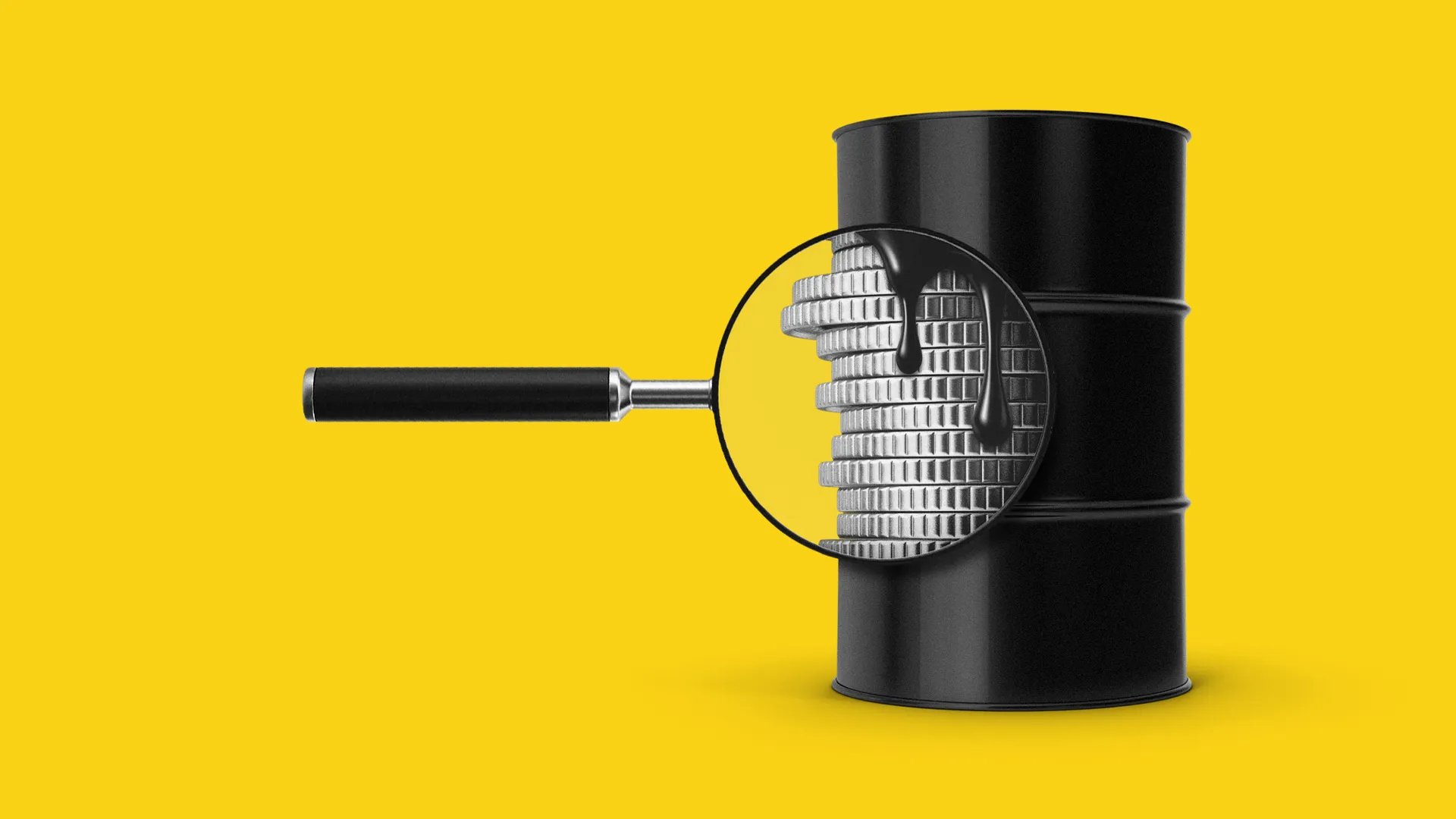
President Donald Trump is celebrating the U.S. attack on Venezuela as a victory for control of that country’s oil reserves. “We’ve taken $4 billion of oil in one day,” he said Thursday on Fox News. “That will increase.” However, it is unclear whether American oil companies are willing to undertake the effort and expense of rebuilding Venezuela’s petroleum industry.
Venezuela’s “huge reserves of crude oil” are not necessarily a “tantalizing prospect for private investors,” said Politico. “Tens of billions of dollars” will be required over the next decade to rebuild the country’s “aging facilities,” a task complicated by the fact that the country’s crude oil reserves require “more expensive processing work” than oil from other sources. Privately, at least, many oil company executives are saying it might be difficult to make the project profitable. The numbers for a big investment “currently do not add up.”
The Week
Escape your echo chamber. Get the facts behind the news, plus analysis from multiple perspectives.

Sign up for The Week's Free Newsletters
Join more than 350,000 subscribers and keep yourself informed with a selection of The Week’s most interesting, enlightening and entertaining stories - plus daily puzzles.
Join more than 350,000 subscribers and keep yourself informed with a selection of The Week’s most interesting, enlightening and entertaining stories - plus daily puzzles.
What did the commentators say?
What next?

-
-
 talking pointsA leadership power vacuum may await Republicans
 -
 QUOTE OF THE DAY‘What kind of culture looks at sexual violence and sees an opportunity for profit? This is rape culture. And it should disturb every single one of us.’
 -
 today’s big questionHow long can US consumers continue their spending spree?
-
-
-
talking pointsA leadership power vacuum may await Republicans
-
QUOTE OF THE DAY‘What kind of culture looks at sexual violence and sees an opportunity for profit? This is rape culture. And it should disturb every single one of us.’
-
today’s big questionHow long can US consumers continue their spending spree?
-