Why, really, is Trump going after Venezuela?
It might be oil, rare minerals or Putin

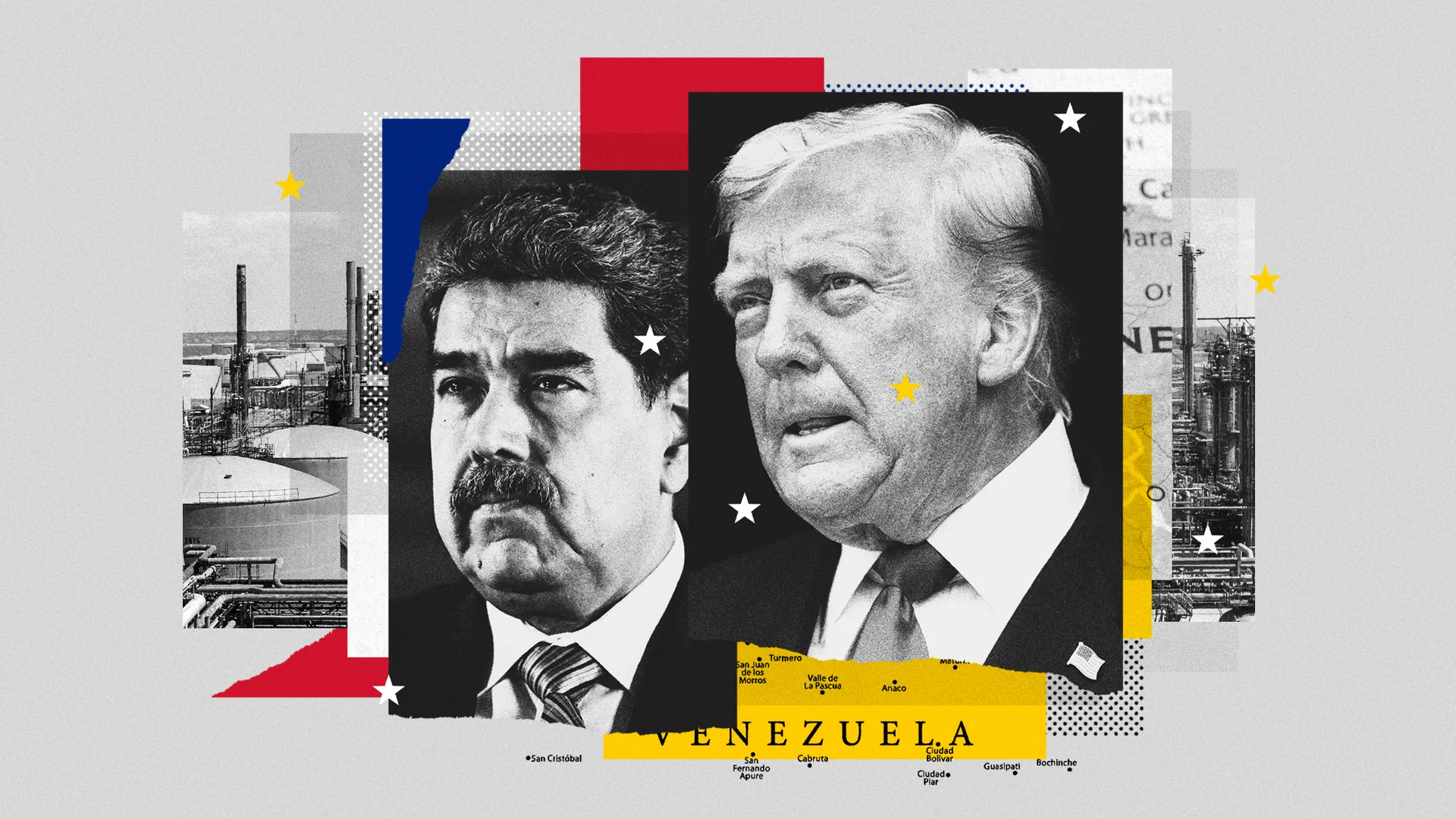
The United States under President Donald Trump appears to be readying for war in Venezuela or at least is seeking to depose leader Nicolás Maduro. But it remains unclear why, exactly, the White House has decided to take aim at the regime in Caracas.
Trump has “repeatedly” shifted the public rationale for targeting Venezuela, said The Wall Street Journal. Drugs have been offered as a reason but so has ownership of oil fields formerly owned by U.S. companies. American officials say that “multiple rationales” have been discussed during internal administration discussions, but Congress has largely been left out of the loop. Some GOP members are concerned about “defending the prospects of U.S. military action” to anti-war MAGA voters in November. “I want to know what’s going to happen next,” Sen. Lindsey Graham (R-S.C.) said after a meeting with national security officials.
Minerals? Oil? Putin?
The Week
Escape your echo chamber. Get the facts behind the news, plus analysis from multiple perspectives.

Sign up for The Week's Free Newsletters
Join more than 350,000 subscribers and keep yourself informed with a selection of The Week’s most interesting, enlightening and entertaining stories - plus daily puzzles.
Join more than 350,000 subscribers and keep yourself informed with a selection of The Week’s most interesting, enlightening and entertaining stories - plus daily puzzles.
A nation-building trap

-
-
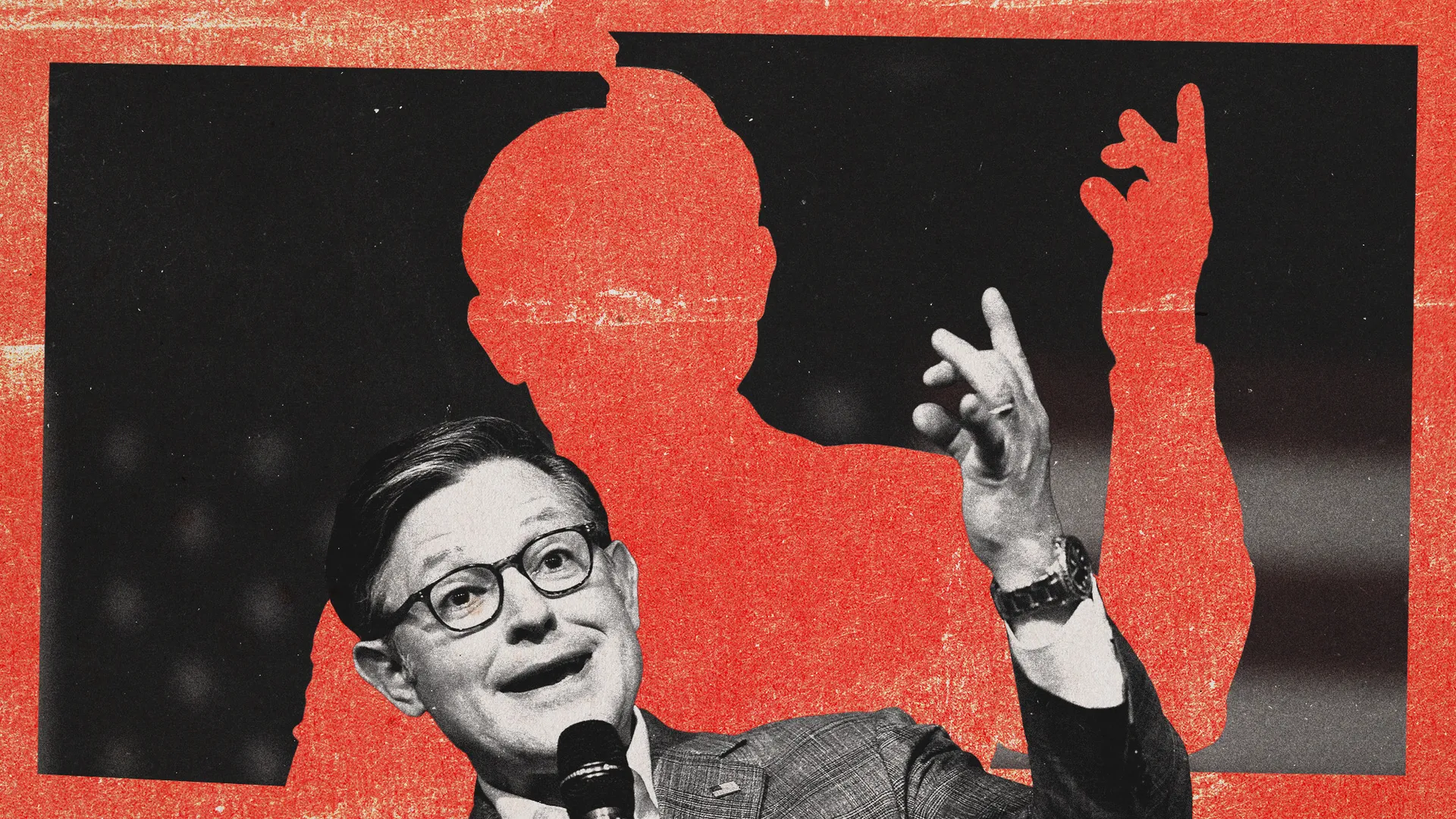 talking pointsA leadership power vacuum may await Republicans
 -
 QUOTE OF THE DAY‘What kind of culture looks at sexual violence and sees an opportunity for profit? This is rape culture. And it should disturb every single one of us.’
 -
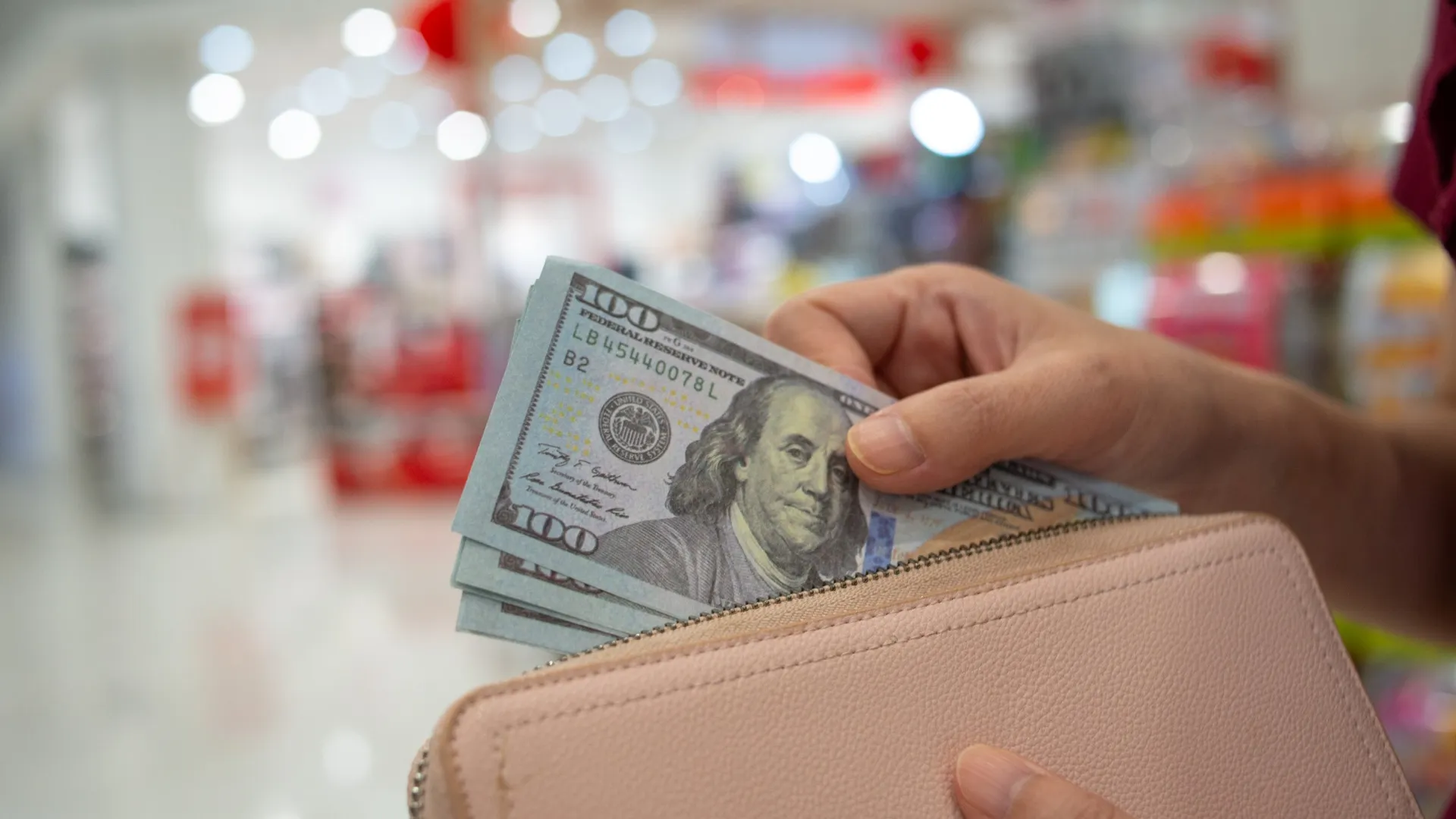 today’s big questionHow long can US consumers continue their spending spree?
-
-
-
talking pointsA leadership power vacuum may await Republicans
-
QUOTE OF THE DAY‘What kind of culture looks at sexual violence and sees an opportunity for profit? This is rape culture. And it should disturb every single one of us.’
-
today’s big questionHow long can US consumers continue their spending spree?
-