The Week The Week
flag of US
US
flag of UK
UK
https://cdn.mos.cms.futurecdn.net/flexiimages/jacafc5zvs1692883516.jpg

SUBSCRIBE & SAVE

Less than $3 per week

Sign in
  • View Profile
  • Sign out
  • The Explainer
  • The Week Recommends
  • Newsletters
  • Cartoons
  • From the Magazine
  • The Week Junior
  • Student Offers
  • More
    • Politics
    • World News
    • Business
    • Health
    • Science
    • Food & Drink
    • Travel
    • Culture
    • History
    • Personal Finance
    • Puzzles
    • Photos
    • The Blend
    • All Categories
  • Newsletter sign up Newsletter
  • The Week Evening Review
    Military risks in Iran, a sepsis treatment, and 2016 nostalgia

     
    Today’s Big Question

    What are the risks of an attack on Iran? 

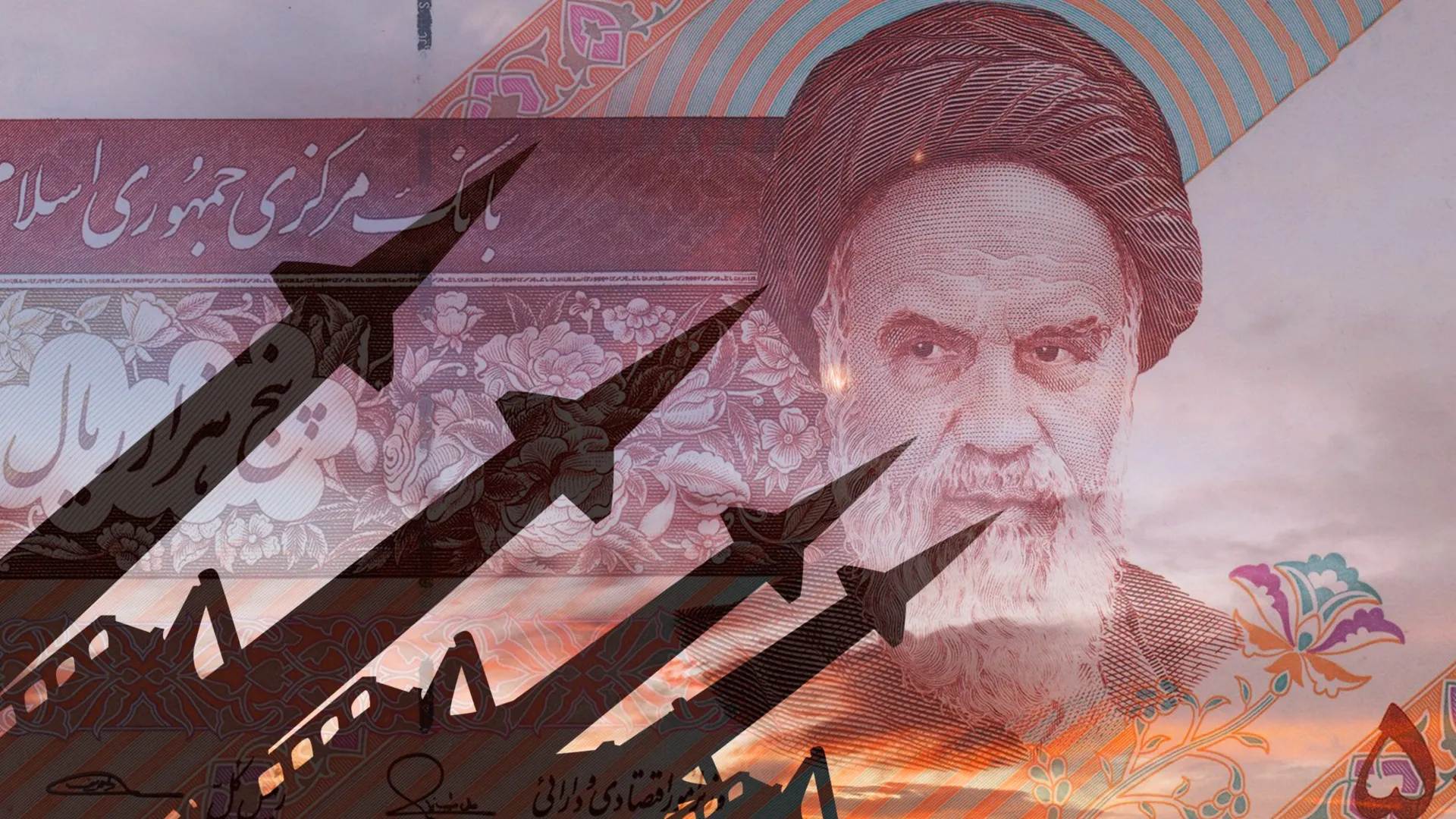
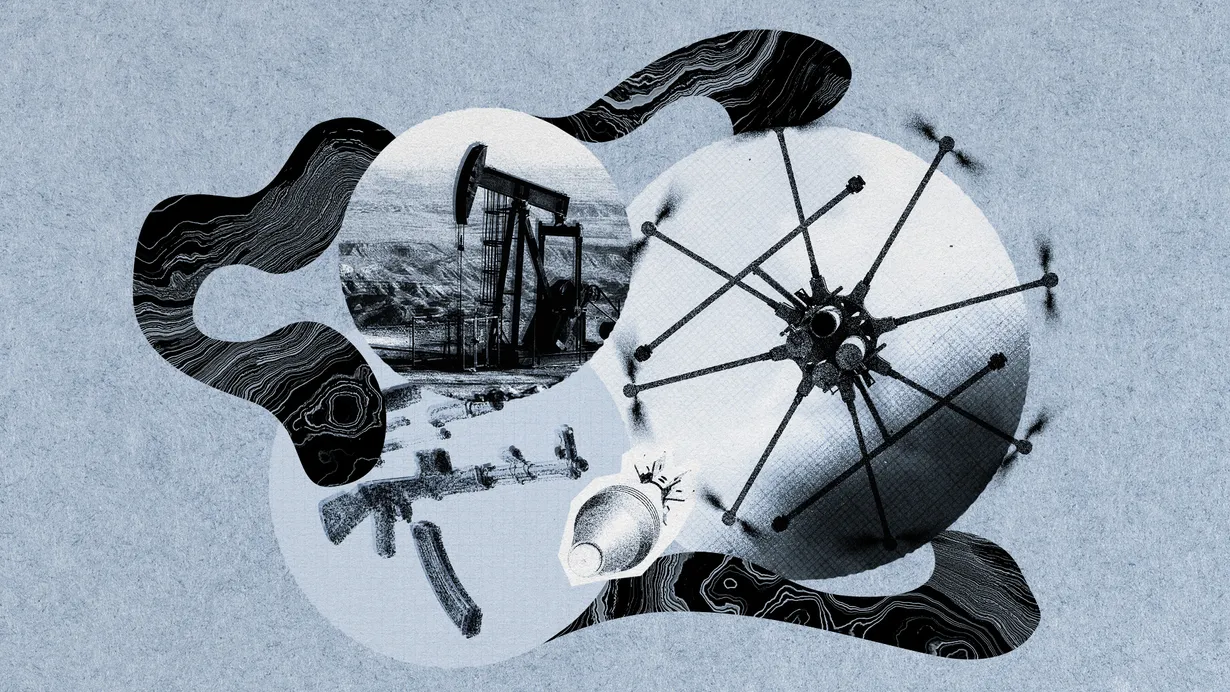
    President Donald Trump appears to be on the cusp of ordering an attack on Iran, but some Pentagon insiders are warning of potential risks of a new war in the Middle East. Any escalation could bring significant long-term conflict.

    The possible downsides of attacking Iran include “U.S. and allied casualties, depleted air defenses and an overtaxed force,” said The Wall Street Journal. Trump is considering a range of options from a quick-hit strike to a longer aerial bombing campaign. While all the scenarios “carry risks,” an extended attack “could incur significant costs to U.S. forces and munitions stockpiles” and has the “potential to pull the U.S. into a broader war in the Middle East.” 

    What did the commentators say?
    There’s “no low-cost, easy, clean military option available in the case of Iran,” said Ali Vaez, of the International Crisis Group, to The New York Times. Iran’s government has command of “extensive military abilities” and a “network of regional proxy forces” that could attack U.S. forces in the region, said the Times. An Iranian counterattack could strike Israel, as well as American allies like Saudi Arabia and the United Arab Emirates. Iran’s goal would be to “quickly escalate and export instability” to spread the pain of a conflict, said Sanam Vakil, the director of the Middle East and North Africa program at Chatham House, to the outlet.

    The “risks of escalation are grave,” said Rosemary Kelanic, the director of the Middle East Program at Defense Priorities, at The Hill. Iran is weak compared to the U.S., but weaker countries “just need to not lose to outlast their opponent” until the stronger country decides the costs are not worth it anymore. Iran’s leaders have incentives to take the retaliatory gloves off this time. Trump’s “regime-toppling rhetoric” about Iran’s government makes this an “existential” crisis for Tehran. That gives the U.S. a “clear imperative” to avoid a “pointless war.”

    What next?
    The president is “increasingly frustrated” with his military options, said CBS News. Trump wants a “singular, decisive blow” that would force Iran’s leaders to make nuclear concessions at the bargaining table, but Pentagon planners have told him “such an outcome cannot be guaranteed.” What happens next will depend on “how much risk Washington is prepared to bear.”


    The Explainer

    ‘Breakthrough’ treatment for sepsis on the horizon

    One of the leading causes of death and disability worldwide, sepsis is notoriously difficult to diagnose in the early stages and treat once it becomes life-threatening. Currently, broad-spectrum antibiotics are used to attack the pathogen causing the reaction. But the number of antibiotic-resistant pathogens that can trigger sepsis is increasing. 

    This is the “nightmare that keeps my colleagues working in public health awake at night,” one doctor said to The Telegraph. But scientists at Australia’s Griffith University are now close to unlocking the first specific sepsis treatment. A recent Phase II human clinical trial in China shows “promising results in reducing sepsis,” said Science Daily. This is a “major step forward.”

    What’s sepsis? 
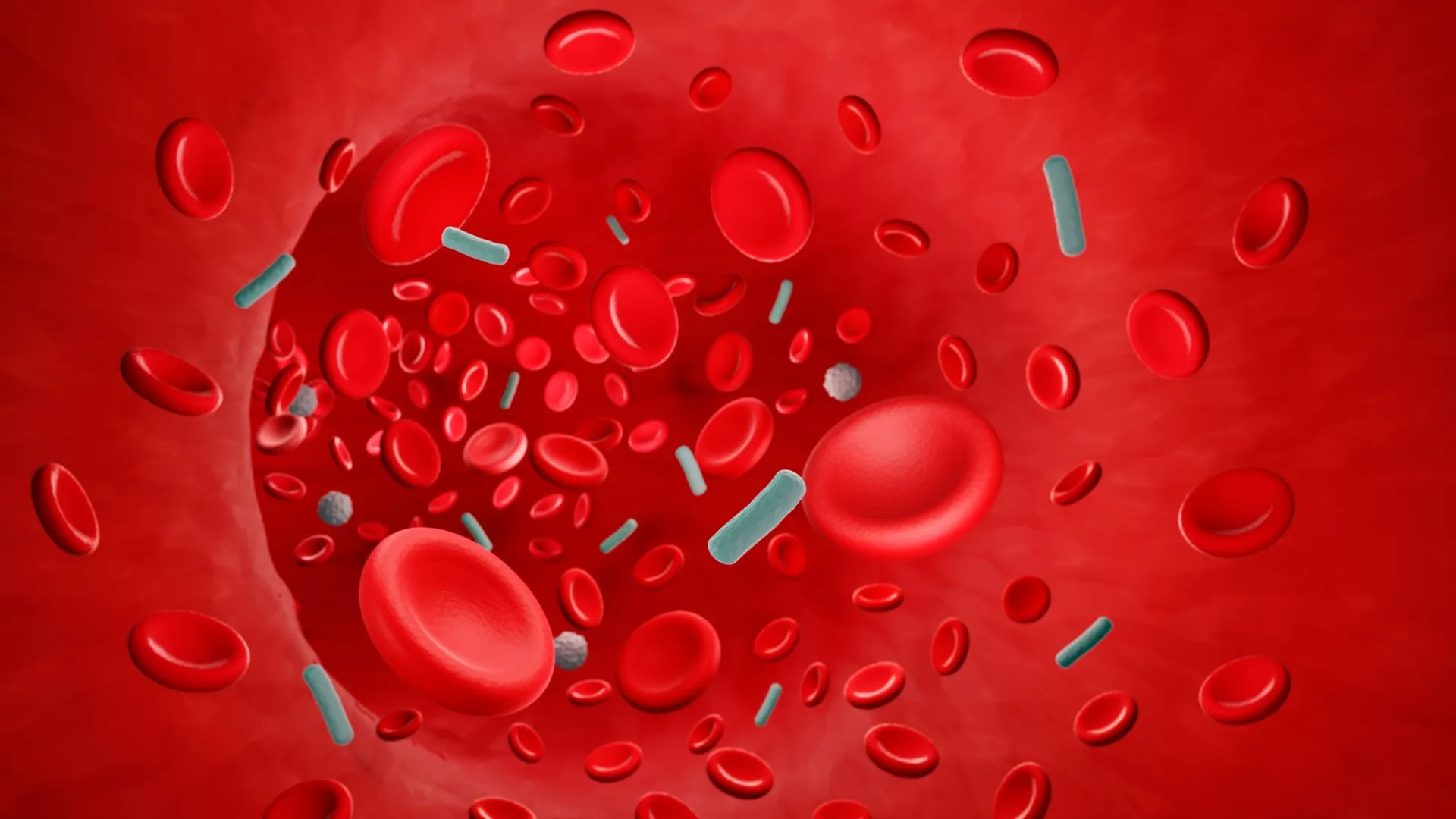
    It’s the body’s extreme response to an infection. The immune system overreacts, triggering inflammation that can damage tissues and organs. Untreated, sepsis can quickly lead to septic shock and multiple organ failure. Anyone can develop sepsis, but it’s most prevalent among the young, elderly, diabetic and immunocompromised, as well as women who have recently given birth. 

    If treated swiftly, the patient can make a full recovery. But the longer the wait for a diagnosis, the higher the risk. Sepsis causes more than 10 million deaths a year worldwide — equivalent to one life lost every three seconds. 

    How is it diagnosed? 
    Sepsis is often called the silent killer because it has widely varying symptoms. Warning signs in a child can mirror less serious conditions and include fever, chills, lethargy, elevated heart rate or breathing, blotchy skin, and a rash that doesn’t fade. Adults may experience slurred speech or confusion, shivering, mottled skin, severe breathlessness and a feeling of doom. There’s no single diagnostic test; multiple tests (that typically take hours) are needed to confirm the presence and possibly type of infection. 

    What’s the new drug? 
    Known as STC3141, it works by “calming” and counteracting the “major biological molecule release” that occurs during the body’s immune overreaction. This helps with “reversing the damage to organs rather than only managing symptoms,” said Science Daily. 

    The research team behind the drug is now planning Phase III effectiveness trials. “We could see the treatment reach the market in a handful of years, potentially saving millions of lives,” said team leader Mark von Itzstein.


    QUOTE OF THE DAY

    ‘The brain needs to be used, and your intelligence needs to be exercised.’ 

    Pope Leo, in a meeting with clergy from the Diocese of Rome, calling for priests to resist using AI to write homilies. He also advised them to avoid seeking “likes” or a social media following. 


    Statistic of the day

    81%: The percentage of insurance claims denied in 2024 — a total of 7.6 million claims — because of clerical errors in Massachusetts, according to the Massachusetts Health Policy Commission. UnitedHealthcare, which was sued in 2023 for using AI to automatically deny coverage, had the highest percentage of claim denials, 28%, followed by Harvard Pilgrim Health Care and Aetna.


    In the Spotlight

    Why are people nostalgic for 2016?

    In recent weeks, Instagram and TikTok feeds have seemingly turned into time machines as people openly yearn for a simpler, more colorful era of the internet. The social media trend has people reminiscing about 10 years ago, when everyone was obsessed with Snapchat filters, VSCO girls ruled, and the internet was generally less toxic.

    ‘Golden age of memes’
    This year kicked off with 2016 “making a comeback” as users began to “flood Instagram with throwback posts reminiscing about what they viewed as an iconic year for popular culture and the internet,” said NBC News. The trend has resurfaced “grainy images of acai bowls and sunsets,” along with skinny jeans and choker necklaces, said The New York Times. 

    The “2026 is the new 2016” trend can be traced back to an “ironic Gen Z joke that turned into a sincere movement” known as the Great Meme Reset, in which TikTokers “pined for the good old days, before the web became infested with AI-generated brainrot,” said Forbes. The Meme Reset proposed that social media users “reset” the internet by “posting classic memes to drown out low-effort engagement bait.” The year 2016 was chosen as the “golden age of memes, right before the perceived decline.”

    Pining for yesteryear
    The yearning for 2016 has also drawn scrutiny against younger users who “recall little of the era or arrived on the tail end of it” and whom “some older generations accuse of taking too rosy an outlook.” While some are “simply nostalgic for their younger years,” much of the focus is on the “perceived innocence” of 2016, said Forbes. The internet wasn’t as “bright and cheerful as it’s being remembered,” but it wasn’t “quite as gamified and monetized as it is today.”

    Still, all this “rosy Coachella-flower-crowned nostalgia elides” that 2016 was “chock-full of horrors, too,” said Andrea González-Ramírez at The Cut. Even if the “VSCO filters were cute,” the “vibes in 2016 were pretty rancid.”

    It was also the year that President Donald Trump was elected over Hillary Clinton, signaling a major shift in the political atmosphere. The world has become a “scarier, more challenging and more divided place over the past decade,” said González-Ramírez. But in many ways, including that Trump is “back in office pursuing his agenda more aggressively than in his first term,” we “never left 2016.”


    Good day 🍄

    … for healthier aging. Psilocin, a byproduct of consuming the active ingredient in psychedelic mushrooms, psilocybin, extends the cellular life span of human skin and lung cells by more than 50%, according to a study published in Nature Partner Journals’ Aging. Typically researched for its mental health benefits, psilocybin impacts various hallmarks of aging.


    Bad day ⚽

    … for safe soccer-watching. Local officials representing World Cup host cities have warned the House Homeland Security Committee that “security concerns, coordination problems and inadequate federal funding” are risking “catastrophe” with little more than 100 days remaining before the games, said ESPN. There’s an “urgent need to unfreeze FEMA money earmarked for the host cities’ security needs.”


    Picture of the day

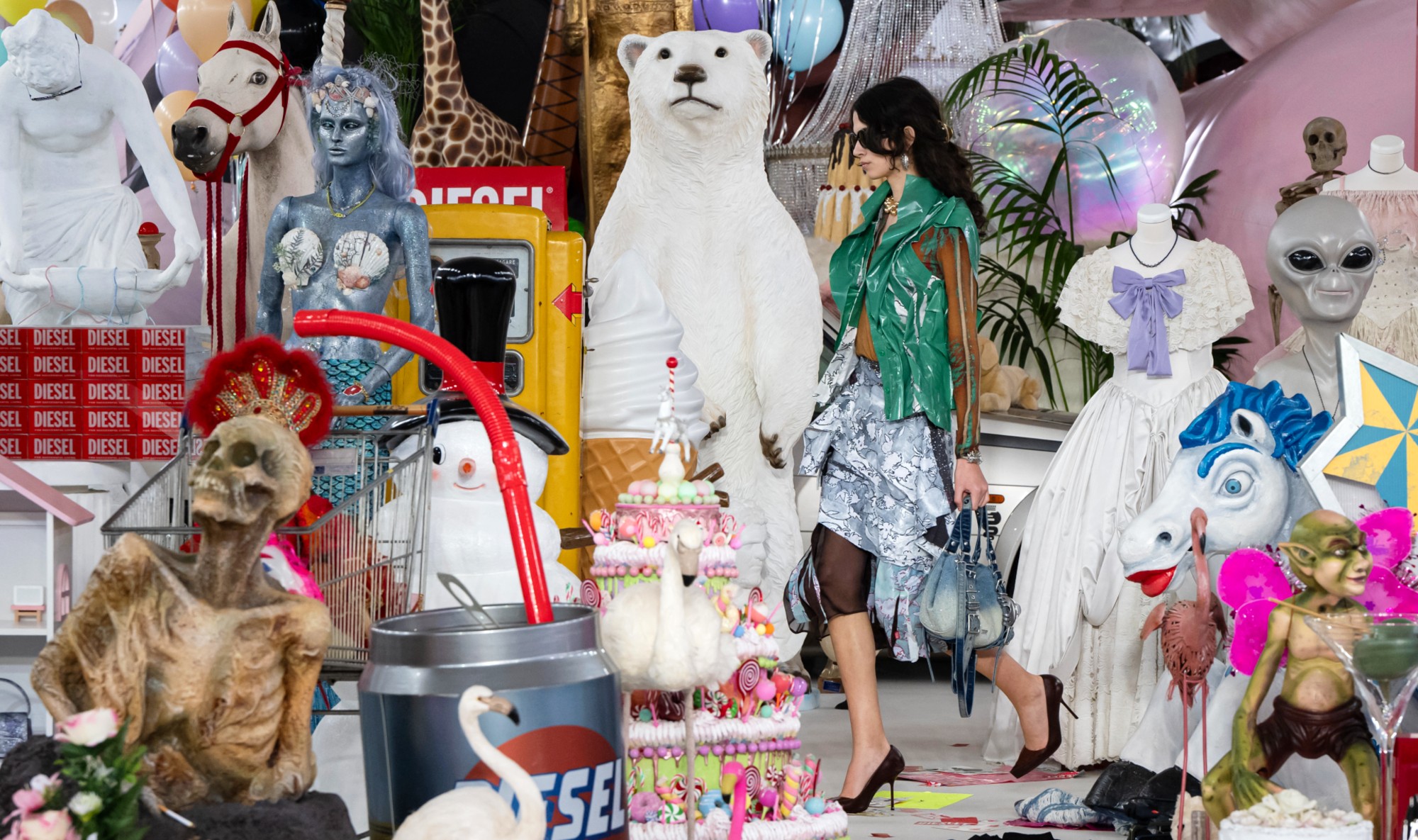
    Model menagerie

    A model navigates a mishmash of memorabilia on a runway at Milan Fashion Week. Italian brand Diesel’s show featured 50,000 pieces of “party regalia,” from animal statues and balloons to sex toys and beer bottles.
    Miguel Medina / AFP / Getty Images


    Puzzles

    Daily sudoku

    Challenge yourself with The Week’s daily sudoku, part of our puzzles section, which also includes guess the number

    Play here


    The Week recommends

    The best destinations with new direct flights

    Nonstop flights help start and end trips on a high note. There are fewer stressors, like not having to worry about tight connections or if your suitcase will make it on the next plane. Plus, you save time by not having to wait around the airport for the next leg of your journey. Ready for takeoff on these new routes? 

    Alaska Airlines: Seattle (SEA) to Rome (FCO)
    For its first foray into Europe, Alaska Airlines is heading to Rome, with daily, seasonal summer service beginning April 28. Rome was one of the most requested nonstop destinations from Seattle customers, said the airline, and flight frequency was bumped up from four times a week to daily due to travel demand. 

    Delta Airlines: Atlanta (ATL) to Riyadh (RUH)
    Traveling from Delta’s hub in Atlanta to Saudi Arabian capital Riyadh will be both a “historic” and “strategic move reshaping global aviation routes,” said Fortune. Delta is the first U.S. airline to offer direct service to Saudi Arabia, starting Oct. 23.

    Starlux: Phoenix (PHX) to Taipei (TPE)
    This nonstop flight from Phoenix to Taipei (pictured above) links the two capitals for the first time. Flights take off three times a week, with passengers boarding Airbus A350-900 planes that have four “ultra-lavish” first-class seats and 26 lie-flats with direct aisle access, said Condé Nast Traveler. Upon arrival, travelers can hit the ground running, visiting the Longshan Temple and Elephant Mountain and stopping to enjoy “world-famous street food.”

    Read more


    Poll watch

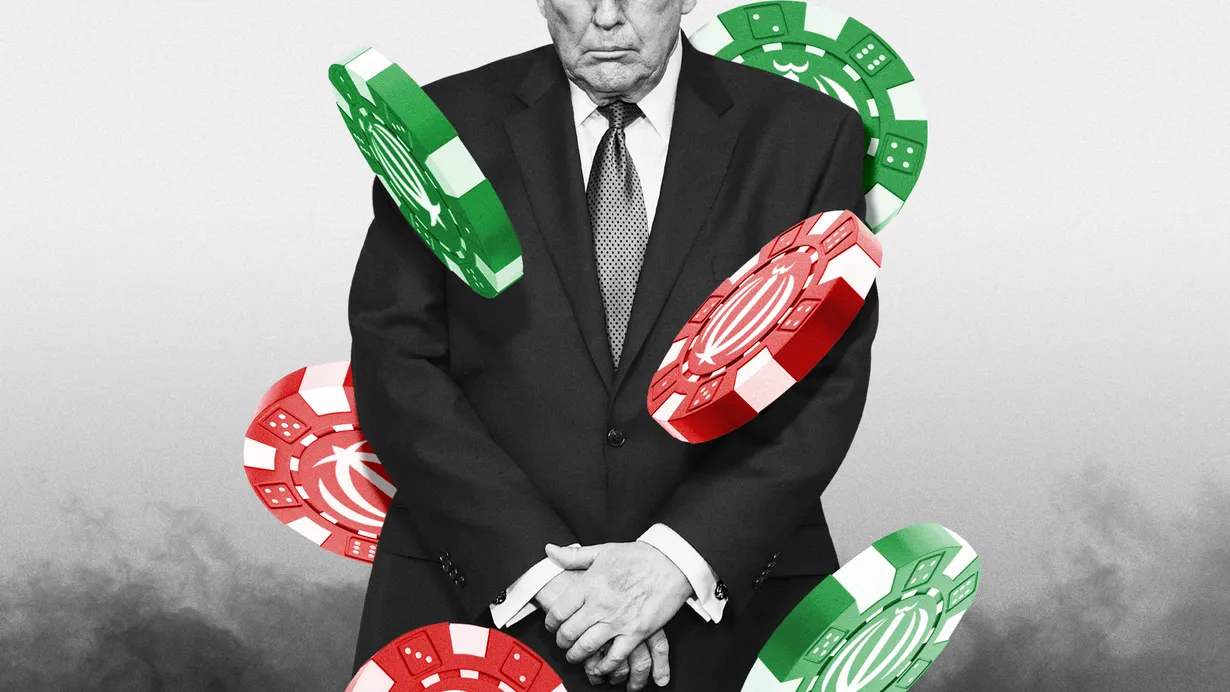
    Three in five Americans (61%) think Trump, 79, has “become erratic with age,” according to a Reuters/Ipsos survey. Of 4,638 adults, 89% of Democrats agree, while only 31% of Republicans feel the same. White House spokesman Davis Ingle says the poll results are examples of “fake and desperate narratives.”


    INSTANT OPINION

    Today’s best commentary

    ‘Historic sites are where Americans learn who we are’
    Carol Quillen at Time
    It’s “not enough to analyze the dead. Even as you respect the chasm between their time and now, you need to see through their eyes,” says Carol Quillen. National Historic Sites can “offer this experience to every American, but these places are now at risk.” They are “America’s open classrooms — places where people from every zip code stand on ground that holds stories.” Independence Park visitors were “cheated when they were cut off from facts.”

    ‘End the policies that protect hospital monopolies’
    Ashish K. Jha and Thomas C. Tsai at The Boston Globe
    Preventing “consolidation that does not provide benefits, or even breaking up consolidated systems that behave badly, is likely not enough,” say Ashish K. Jha and Thomas C. Tsai. If Americans “want health care markets to work — if we want prices to fall without sacrificing quality — the policies that shield established health care systems and stymie innovation must be removed.” The “path forward will need to restore the patient-doctor relationship and allow delivery models that place doctors and patients back at the center.”

    ‘Porn is making Gen Z anxious, lonely and insecure’
    Debra Soh at The Globe and Mail
    Most “would agree that exposure to adult content at a young age is not healthy. But what are the consequences, and how harmful are they?” says Debra Soh. If a child “regularly watches porn prior to their first sexual experience, this can shape their sexual preferences and behavior.” Porn “sedates men and further disincentivizes them from working up the courage to meet women in real life,” which “further perpetuates their belief that sex with an imaginary partner on a screen is equivalent.”


    WORD OF THE DAY

    Djungelskog

    “Jungle forest” in Swedish and the name of an Ikea stuffed toy range that includes the orangutan co-star of viral videos about a real-life monkey. Zookeepers at Ichikawa City Zoo in Japan have given a Djungelskog plushie to baby macaque Punch after he was rejected by his mother and troop, prompting not only sympathy but also global demand for the toy.


    Evening Review was written and edited by Theara Coleman, Nadia Croes, Catherine Garcia, Scott Hocker, Justin Klawans, Harriet Marsden, Joel Mathis and Summer Meza, with illustrations by Stephen Kelly and Julia Wytrazek.

    Image credits, from top: Anton Petrus / Getty Images; Artur Plawgo / Science Photo Library; 123ducu / Getty Images; Jimmy Beunardeau / Hans Lucas / AFP / Getty Images
     

    Recent editions

    • Morning Report

      Trump sells success in State of the Union

    • Evening Review

      Mexico’s next steps

    • Morning Report

      Trump secures secrecy on Jack Smith report

    VIEW ALL
    TheWeek
    • About Us
    • Contact Future's experts
    • Terms and Conditions
    • Privacy Policy
    • Cookie Policy
    • Advertise With Us
    • FAQ
    Add as a preferred source on Google

    The Week is part of Future US Inc, an international media group and leading digital publisher. Visit our corporate site.

    © Future US, Inc. Full 7th Floor, 130 West 42nd Street, New York, NY 10036.