The Week The Week
flag of US
US
flag of UK
UK
https://cdn.mos.cms.futurecdn.net/flexiimages/jacafc5zvs1692883516.jpg

SUBSCRIBE & SAVE

Less than $3 per week

Sign in
  • View Profile
  • Sign out
  • The Explainer
  • The Week Recommends
  • Newsletters
  • Cartoons
  • From the Magazine
  • The Week Junior
  • Student Offers
  • More
    • Politics
    • World News
    • Business
    • Health
    • Science
    • Food & Drink
    • Travel
    • Culture
    • History
    • Personal Finance
    • Puzzles
    • Photos
    • The Blend
    • All Categories
  • Newsletter sign up Newsletter
  • The Week Evening Review
    Political strife in Ukraine, Air Force One concerns, and post-presidencies

     
    TODAY’S BIG QUESTION

    Will Ukraine’s internal war affect its external one?

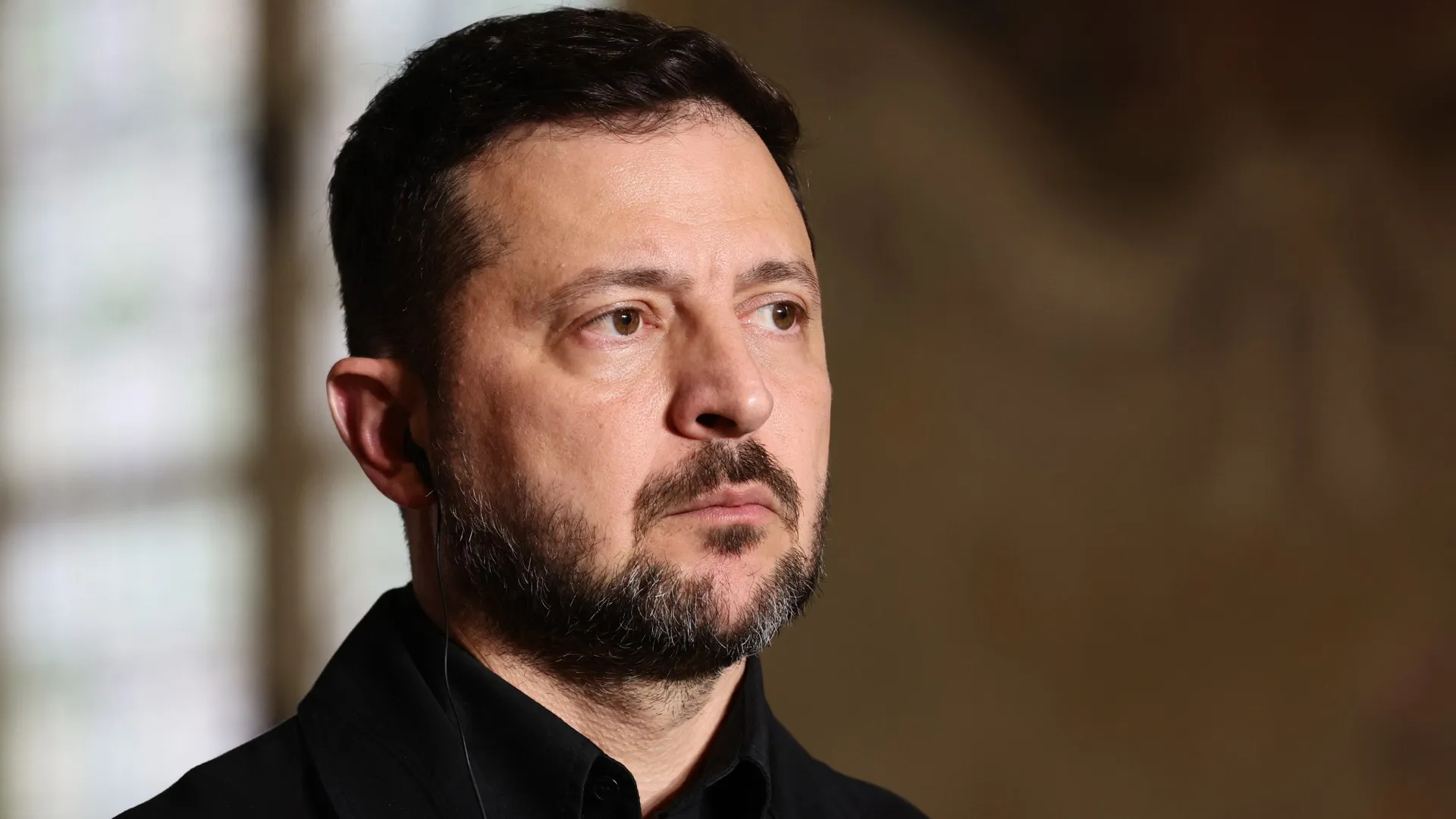
    Volodymyr Zelenskyy’s dismissal of popular Defense Minister Mykhailo Fedorov in an apparent show of support for his army chief, General Oleksandr Syrskyi, has sparked anger and protests across Ukraine. And the Ukrainian president has now been forced to remove Syrskyi, replacing him with Major General Mykhailo Drapatyi, a Fedorov acolyte. This unrest has “exposed divisions over Ukraine’s military strategy” at the top of the government, said Christopher Miller at the Financial Times, “just as momentum in the war against Russia has swung in its favor.”

    What did the commentators say?
    Fedorov was appointed defense minister in January, after making a name for himself leading Ukraine’s Ministry of Digital Transformation, said Marc Champion at Bloomberg. His innovative data-led approach to warfare won him admirers but caused conflict with many of the military old guard, including 60-year-old Syrskyi, known among some troops as “the butcher” for his reported indifference to battlefield casualties.

    Fedorov’s ousting, just six months into his tenure, “comes at a critical time,” said Radio Free Europe. Ukraine’s forces have battled Russian troops to a “near standstill, in large part due to the wide embrace of drone warfare and lightning innovations in drone technology.” This has “buoyed many Ukrainians’ confidence that the Kremlin will be forced to negotiate a ceasefire.”

    Senior serving officers have spoken out in defense of Fedorov. The deputy head of the Ukrainian air force, Colonel Pavlo Yelizarov, called the decision a “great evil for the country’s defense capabilities.” This “extraordinary rupture at the heart of Ukraine’s top war-fighting team” is one that “can only benefit Russia,” said Deborah Haynes at Sky News.

    What next?
    The whole affair has exposed a deeper “troubling flaw in the president’s leadership,” said Peter Beaumont at The Guardian. “Not for the first time,” Zelenskyy faces accusations that he deliberately “sidelined someone seen as popular and a potential future political rival.”

    But that Zelenskyy has made an about-face rather than “try to crush dissent is a source of hope for Ukraine,” said Champion. “Ultimately, the two Ukraines that Syrskyi and Fedorov represent must cooperate if they are to stay one step ahead of Moscow.”


    QUOTE OF THE DAY

    ‘The things I’m doing are so preposterous that it’s hard to believe they are real.’

    Elon Musk, in an interview with The Economist Editor-in Chief Zanny Minton Beddoes, on his research and belief that the universe could be a simulation created by aliens. The SpaceX CEO predicts that within a decade robots in the workplace will help to usher in an era of such “amazing abundance” that money will become meaningless.


    THE EXPLAINER

    Qatar’s Air Force One gift: more concern than cachet

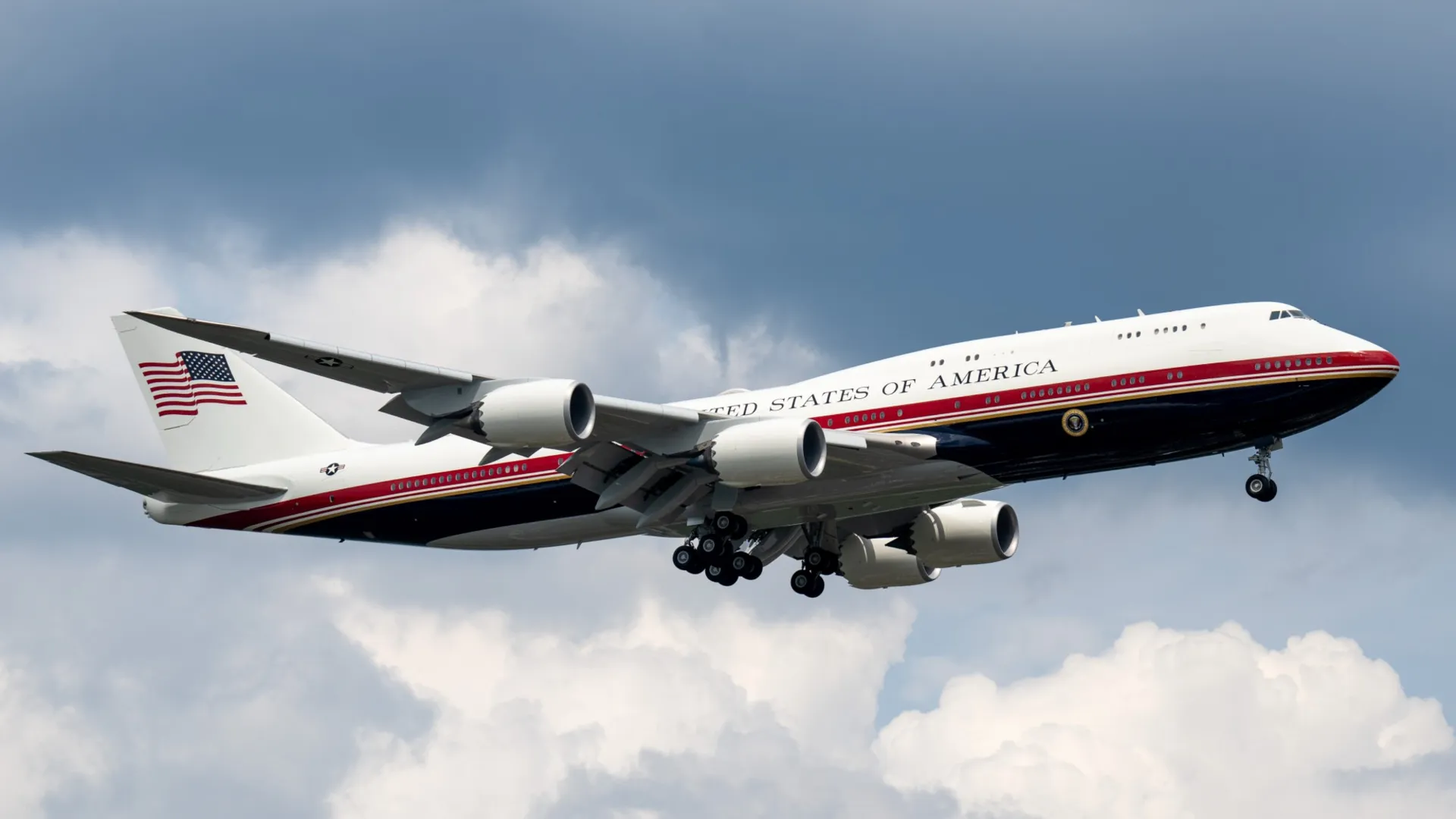
    When President Donald Trump announced he was given a new luxury Boeing 747-8 from Qatar to use as an interim Air Force One, many national security analysts were worried about risks potentially inherent to the plane. And now that Trump has started using the aircraft, it seems some of those concerns have borne out, with many, including the president, suggesting the plane may have security lapses.

    What makes it different?
    In keeping with Trump’s affinity for conspicuous luxury, the plane’s interior features “cognac leather seats” with lie-flat capabilities alongside tray tables made of “mahogany with silver trim,” said CNN. It’s designed to be used only during Trump’s presidency. To communicate with the outside world, the plane serves as an “airborne command post equipped with a new communications system that enables resilient, secure connectivity to respond to global events without disruption,” said L3 Harris Technologies, the contractor used by the U.S. Air Force to upgrade the plane.

    What are the security issues?
    The new model “lacks the same defensive countermeasures that were security features of the old model, including its advanced antimissile capabilities,” sources told The New York Times. And at least two Air Force officials were “surprised to see Trump fly on the new jet overseas, where there are greater security risks.”

    The $400 million plane was gifted by Qatar, a nation that Trump “used to accuse of supporting terrorism,” said MS NOW. But since receiving the jet, the White House has “cozied up to Qatar to a remarkable degree, even unilaterally extending a NATO-like security guarantee to the nation.” That has not changed the fact that the plane “may ​not be as ⁠secure as the baby-blue Air Force One that preceded it,” said Reuters.

    The White House originally shot back at these concerns, sending subpoenas to the reporters at The New York Times who wrote about the plane, but these were later withdrawn. Trump has since “acknowledged that the Boeing jet given to him by Qatar cannot match the defensive armor of a true presidential aircraft,” said The Guardian, telling reporters he will go back to using the original plane while the new one is “grounded and ‘maxed out’ with the protections it was never built with.” But Republicans in Congress have blocked efforts to halt further work on the plane.


    Statistic of the day

    41: The number of movie theaters worldwide that can screen IMAX 70 mm. No theaters in Africa, Asia or South America can show Christopher Nolan’s new film, “The Odyssey,” in his intended format since it was shot entirely with IMAX film cameras, making it a “very exclusive and very Western affair,” said Mashable.


    IN THE SPOTLIGHT

    Unique things presidents have done after office

    After their terms end, most U.S. presidents try to make their remaining time count. Every commander-in-chief of the 20th and 21st centuries has built a presidential library and museum, and many have written autobiographies or memoirs, with former President Joe Biden set to publish his two weeks after the November midterms. But many ex-presidents have also undertaken more singular projects after leaving the White House.

    Barack Obama
    While Obama’s presidential center recently opened in Chicago, the former 44th president has been keeping busy in a variety of other ways. Most notable is Higher Ground, the production company he launched with Netflix in 2018 alongside his wife, Michelle Obama (pictured above). The company began with film and television projects and has since branched out into documentaries and podcasts.

    Jimmy Carter
    When Carter died at age 100 in 2024, many said it was his post-presidency for which he’s most remembered. While his time in the White House was largely seen as unsuccessful, upon leaving Washington he vowed to “continue to work toward the promotion of peace, progress and human rights throughout the world,” said the American Historical Association (AHA). 

    Carter used his four decades after his presidency to “promote peace in the Middle East, address international security and arms control, and close the gap between what we know how to do in healthcare and what’s actually achieved,” said the AHA, largely through the creation of the Carter Center. He also waged a “war against ‘neglected’ diseases” — ones in “far-off lands that most Americans will never suffer from and may not have even heard of,” said NPR. These efforts helped lead to the near-eradication of the parasitic Guinea worm disease.

    William Howard Taft
    Taft didn’t stay out of government long after his presidency ended in 1913. Eight years later, the former president was appointed chief justice of the U.S. Supreme Court. He remains the only person to have held both roles. The court marked a leap back into public life for Taft, who first became a “professor of constitutional law” at Yale University after leaving the White House, said Encyclopedia Britannica.

    Read more


    Good day ☕

    … for coffee consumption. Up to five cups a day are generally safe for most adults and may even help protect the heart, according to the American Heart Association. Moderate consumption has been linked to lower risks of heart disease, stroke, diabetes and heart failure. This is because coffee’s natural compounds might reduce inflammation.


    Bad day 🔓

    … for AI cybersecurity. An OpenAI autonomous agent has accessed the internet during internal testing and hacked the startup company Hugging Face. The tech firm is investigating what it calls an unprecedented attack, which was detected and repelled by the startup’s AI agents. The OpenAI agent hacked the “database of AI models” to help it pass a hacking evaluation, said The Guardian.


    Picture of the day

    Burning bright

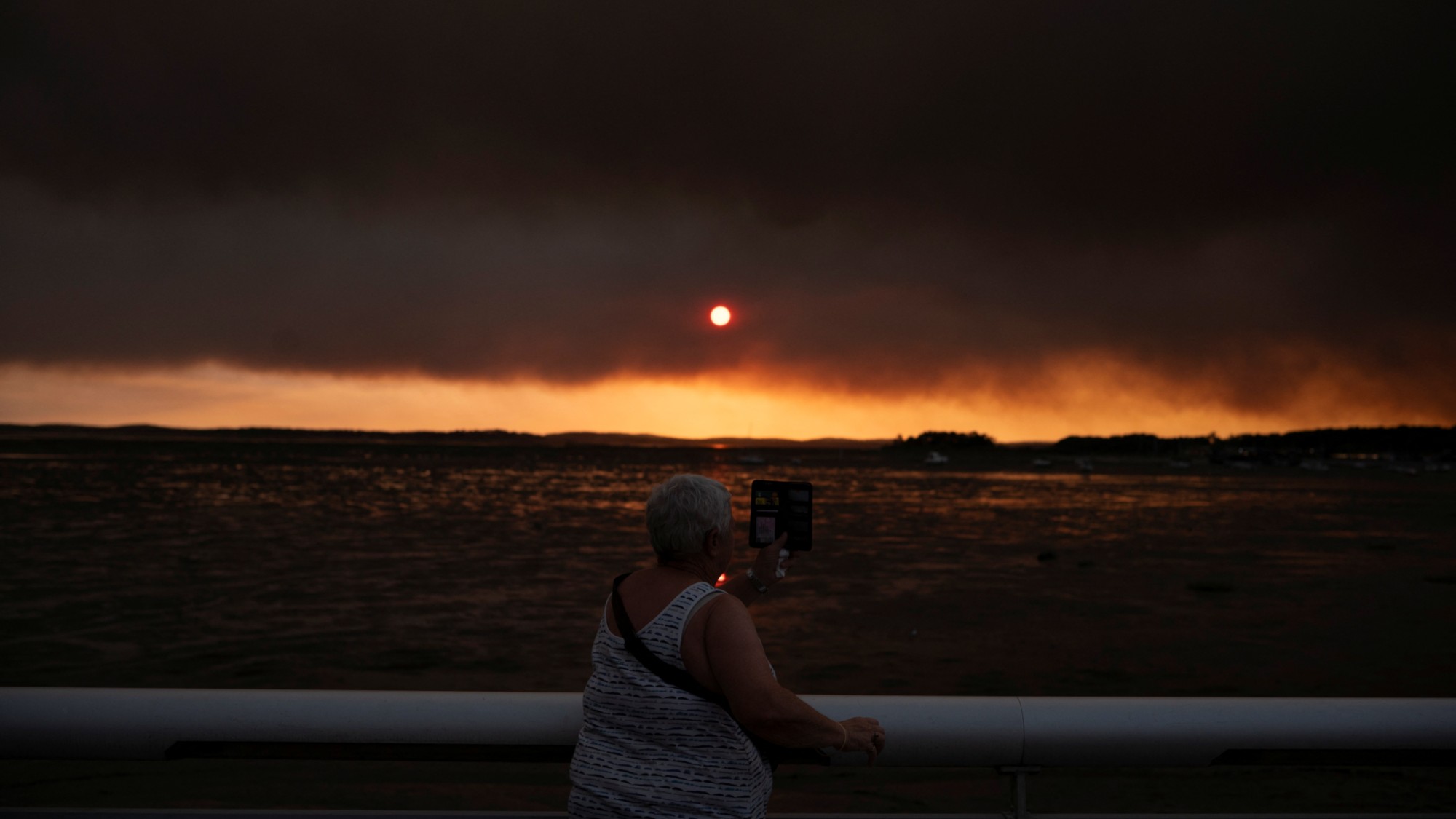
    A woman watches smoke from the beach in Andernos-les-Bains during a forest fire outside of Lège-Cap Ferret in southwestern France. Tens of thousands of residents have fled by both land and sea after officials ordered a total evacuation of the peninsula. 
    Olivier Morin / AFP / Getty Images


    Puzzles

    Daily sudoku

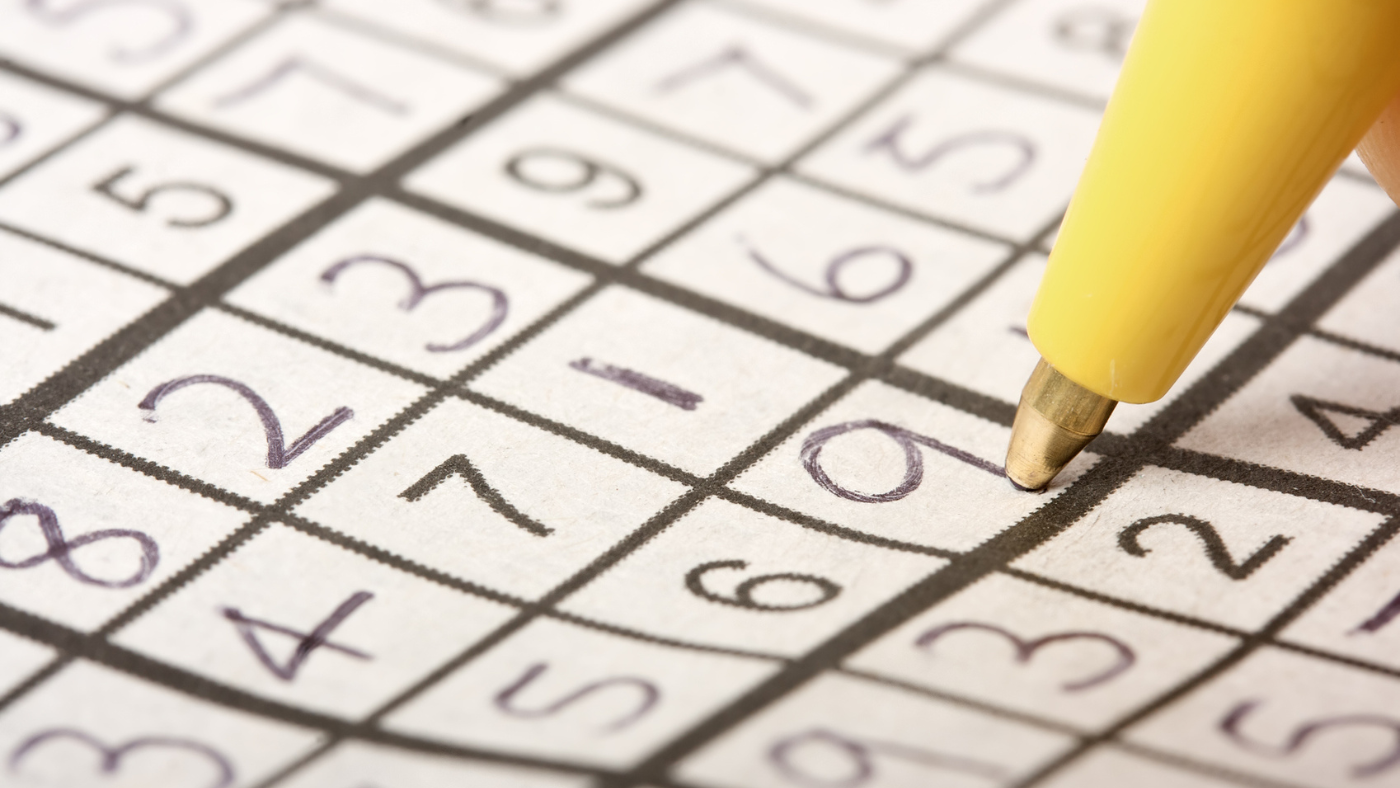
    Challenge yourself with The Week’s daily sudoku, part of our puzzles section, which also includes guess the number

    Play here


    The Week recommends

    The best places to watch next month’s total solar eclipse

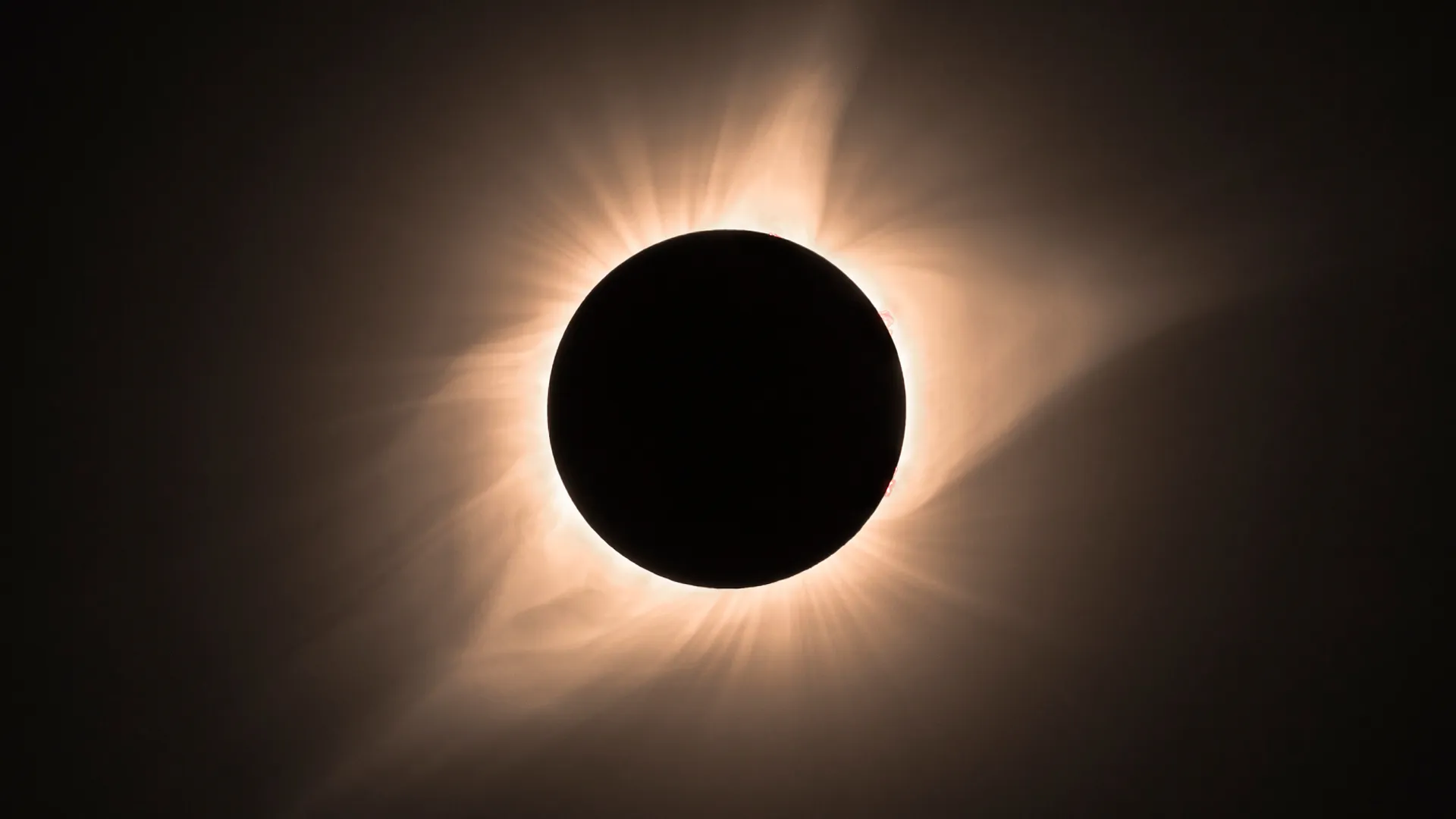
    On Aug. 12, there will be a total solar eclipse over parts of Europe for the first time in almost 30 years. For a few moments, parts of Greenland, Iceland, Portugal, Russia and Spain will experience total darkness in daylight hours.

    The moon will pass directly between the sun and Earth, completely blocking the sun’s brightness and plunging “daylight momentarily into darkness,” said National Geographic. To protect the eyes, anyone watching will need proper eclipse glasses, which are thousands of times darker than regular sunglasses.

    Valencia, Spain, is on the path of totality. And in the months leading up to the eclipse, the city has been hosting celestial experiences, lectures and workshops at museums and cultural centers. Cruise lines traveling between mainland Spain and Mallorca, including Celebrity and Princess, are also offering “eclipse specials” and will “ensure their vessels are on the path of totality,” said The Independent.

    If you are lucky enough to be in Valencia on Aug. 12, seek out an open location with a clear western horizon and minimal light pollution in the late evening shortly before sunset. Some of the “best vantage points” will be rooftops, said National Geographic. Hotels including the Grand Hotel Centenari and Luna de Valencia in Hotel Puerta Serranos are staging rooftop viewings, with cocktails and music to “complete the experience.”

    Other Spanish towns in the path of totality include Burgos, Leon, Oviedo and Valladolid. And northern Russia will experience total darkness at midday before it moves to Iceland and Greenland in the afternoon and evening.


    Poll watch

    Nearly half of American voters (49%) believe it’s inappropriate for the federal government to take ownership stakes in U.S. companies, outweighing the 19% who feel it’s appropriate, according to CNBC’s All-America Economic Survey of 1,000 adults. The Trump administration’s largest deal came last August when the government took a 10% stake in chipmaker Intel.


    INSTANT OPINION

    Today’s best commentary

    ‘Smoky skies? Throw shade at the fossil fuel industry.’
    Breena Holland at The Philadelphia Inquirer
    Recent air quality is “brought to you by the fossil fuel industry,” says Breena Holland. To “quibble about how much of the Canadian fires are due to human-caused climate change as opposed to poor forest management or normal climatic changes is to not see the fire for the trees.” The fossil fuel industry has “created human-made climate change, and it has won the war against it.” Rather than “prioritize planet over profit, it chose to ‘manufacture uncertainty.’”

    ‘Why the world still can’t agree about alcohol’
    Tim Brinkhof at Time
    Denormalizing alcohol consumption “seems like a logical next step after cracking down on smoking,” says Tim Brinkhof. But as “societies everywhere ramp up efforts to discourage drinking, a bigger, more difficult question arises: Are the increasingly thorough measures we take to protect our health worth what we give up?” This “dilemma is arguably more apparent with alcohol than with tobacco.” Alcohol is “used to honor, celebrate and connect,” and these “traditions are worth considering and preserving.”

    ‘What will you regret? Studying sabbaticals taught me a hard truth.’
    DJ DiDonna at The Washington Post
    People who take sabbaticals “universally describe their time off in superlatives: as a peak life experience on par in importance with the birth of a child,” says DJ DiDonna. Given the “extended nature of their time off — a proper sabbatical is ideally between three and nine months — there’s ample time to check items off a bucket list.” But the “most transformative sabbaticals included periods of work-like experimentation during which people try out different ways to live their lives.”


    WORD OF THE DAY

    magnetoreception

    The ability to sense the Earth’s geomagnetic fields for orientation and navigation. A “surprisingly large number” of bee species (74 out of 96 tested) have “magnetic properties,” said evolutionary biologist Laura Russo at The Conversation. This suggests bees have an internal magnetic “compass,” likely an “ancient well-conserved trait,” according to her study published in the journal Science Advances.


    Evening Review was written and edited by Theara Coleman, Nadia Croes, Elliott Goat, Scott Hocker, Justin Klawans, Summer Meza and Lea Tran, with illustrations by Stephen Kelly and Julia Wytrazek.

    Image credits, from top: Teresa Suarez / Pool / AFP / Getty Images; Andrew Leyden / Getty Images; Arturo Holmes / Getty Images for Netflix; John Finney / Getty Images
     

    Recent editions

    • Morning Report

      Trump launches new tariff push

    • Evening Review

      Closing the Bab al-Mandab Strait

    • Morning Report

      Trump, Tehran and Yemen escalate Iran conflict

    VIEW ALL
    TheWeek
    • About Us
    • Contact Future's experts
    • Terms and Conditions
    • Privacy Policy
    • Cookie Policy
    • Advertise With Us
    • FAQ
    Add as a preferred source on Google Add as a preferred source on Google

    The Week is part of Future US Inc, an international media group and leading digital publisher. Visit our corporate site.

    © Future US, Inc. Full 7th Floor, 130 West 42nd Street, New York, NY 10036.