The Week The Week
flag of US
US
flag of UK
UK
https://cdn.mos.cms.futurecdn.net/flexiimages/jacafc5zvs1692883516.jpg

SUBSCRIBE & SAVE

Less than $3 per week

Sign in
  • View Profile
  • Sign out
  • The Explainer
  • The Week Recommends
  • Newsletters
  • Cartoons
  • From the Magazine
  • The Week Junior
  • Student Offers
  • More
    • Politics
    • World News
    • Business
    • Health
    • Science
    • Food & Drink
    • Travel
    • Culture
    • History
    • Personal Finance
    • Puzzles
    • Photos
    • The Blend
    • All Categories
  • Newsletter sign up Newsletter
  • Brand Logo
    Manhunt ends, trans youth clampdown and TikTok deal

     
    TODAY’S CRIME story

    Sole suspect in Brown, MIT shootings found dead

    What happened
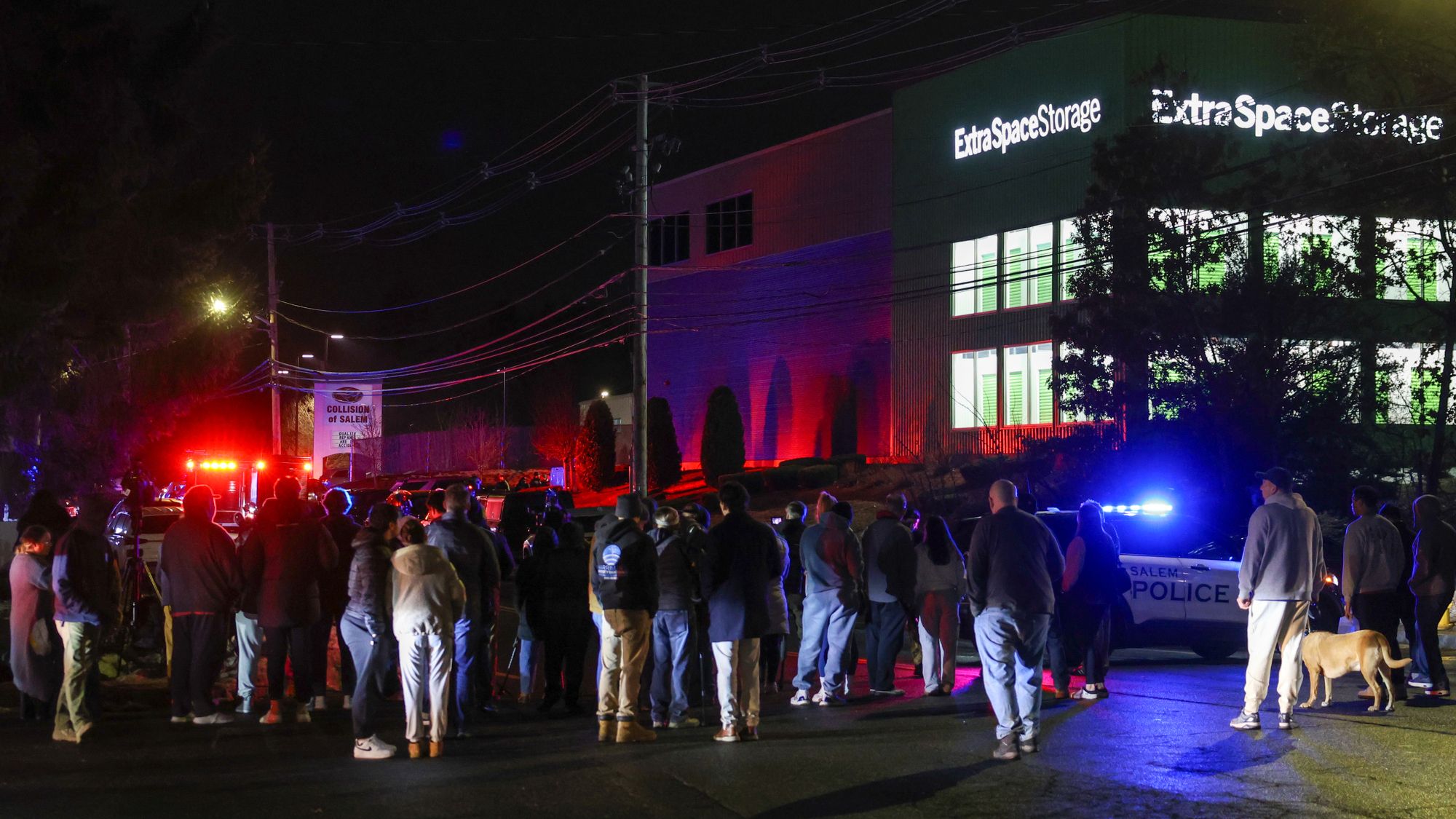
    A 48-year-old man believed to have shot dead an MIT professor and two Brown University students earlier this week was found dead yesterday in a New Hampshire storage unit, law enforcement officials said last night. The suspect, Claudio Neves Valente, was a physics grad student at Brown in 2000 and 2001 after attending the same academic program as the slain MIT professor, Nuno F.G. Loureiro, in their native Portugal, officials said. Valente, a permanent U.S. resident since 2017, died of self-inflicted gunshot wounds.

    Who said what
    In the timeline outlined last night by police and prosecutors in Rhode Island and Massachusetts, Valente killed Brown students MukhammadAziz Umurzokov and Ella Cook, and shot nine others, during an economics study session on Saturday. He subsequently drove his rental car to Boston and shot Loureiro at his Brookline home on Monday, then drove to the storage unit he rented in Salem, New Hampshire. Loureiro, head of MIT’s Plasma Science and Fusion Center, died early Tuesday. 

    “In most mass shootings in the United States, suspects are either killed or captured quickly,” The Washington Post said. In the Brown case, “frustration grew after police briefly detained” the wrong man on Sunday, and daily news conferences grew “more contentious” as police appeared stumped. Ted Docks, the lead FBI agent in Boston, initially said there seemed to be “no connection” between the MIT and Brown shootings. 

    The alleged killer’s identity was unknown until Wednesday, when a witness in Providence helped “blow the lid” off the case, Rhode Island Attorney General Peter Neronha said last night. “That person led us to the car, which led us to the name, which led us to the photographs of the person renting the car.” He said authorities are still searching for a motive but “are 100% confident that this is our target and that this case is closed from a perspective of pursuing people involved.”

    What next?
    Homeland Security Secretary Kristi Noem said last night that, at President Donald Trump’s request, she had ordered a pause of the DV1 diversity lottery program that Valente used to enter the U.S. “Trump has long opposed the diversity visa lottery,” The Associated Press said, and this “latest example” of him “using tragedy” to “limit or eliminate avenues to legal immigration” is “almost certain to invite legal challenges,” as the lottery was created by Congress.


    TODAY’S HEALTH CARE story

    Trump health officials move to end care for trans youth

    What happened
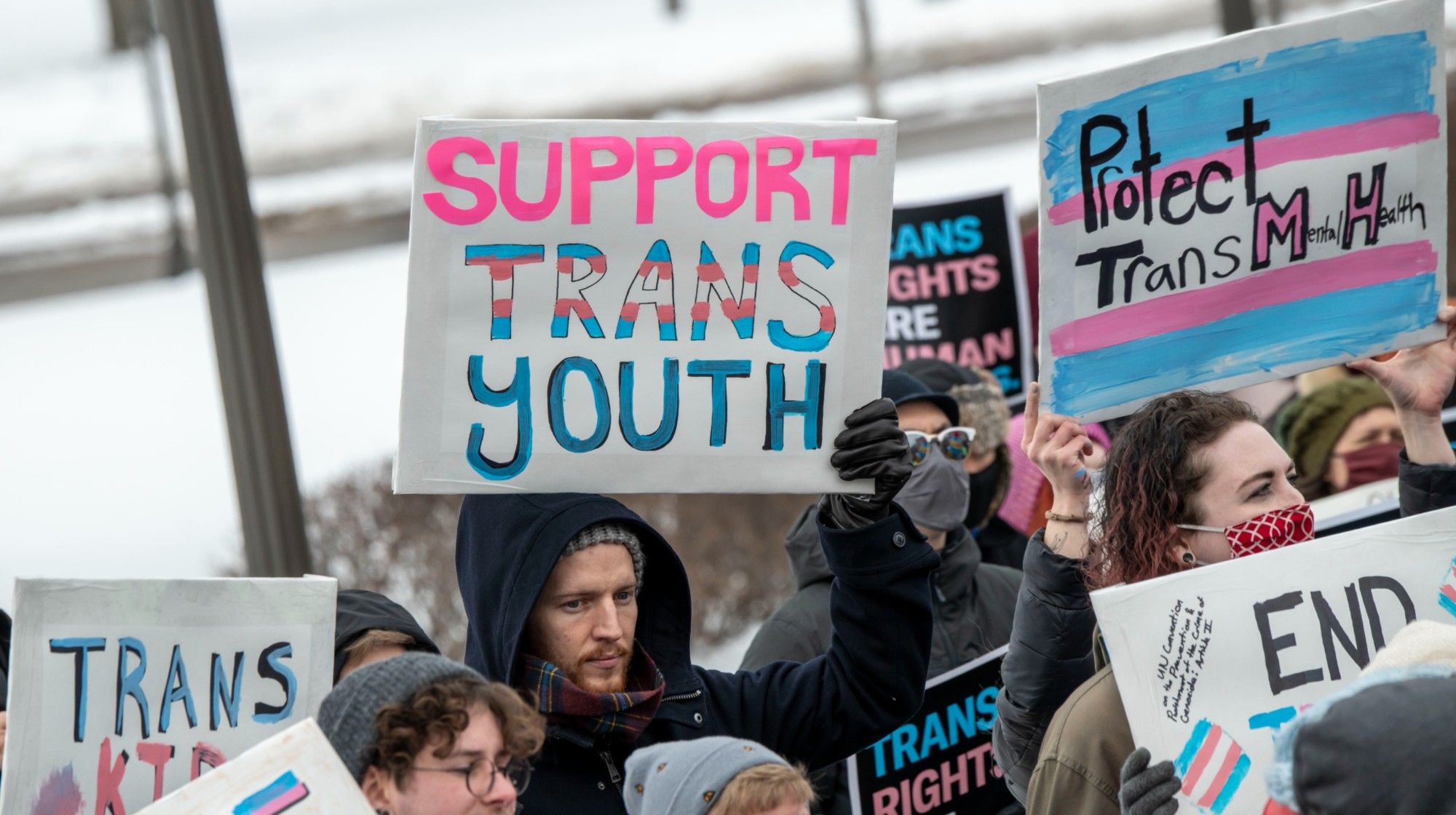
    The Trump administration yesterday took several steps designed to end gender-affirming care for Americans under age 18. Health Secretary Robert F. Kennedy Jr. and Dr. Mehmet Oz, head of the Centers for Medicare and Medicaid Services, proposed pulling all federal funding from any hospital that provides puberty-blocking drugs, hormone therapies or surgeries to minors, and prohibiting Medicaid from paying for such treatments. The Food and Drug Administration also warned makers of breast binders, used by many transgender males to flatten their chests, about “illegally marketing” their products to minors with gender dysphoria. 

    Who said what
    The “sweeping proposals” are the Trump administration’s “most significant moves” yet to quash treatments for transgender minors, The Associated Press said. But this is more than “just a regulatory shift,” The New York Times said. It reflects President Donald Trump’s “laserlike focus” on proving that his government “does not recognize even the existence” of transgender or nonbinary people. 

    Republicans are also “trying to flip the health care script” from “health care affordability” to “an issue that’s worked for them in the past” and “mostly unites Republicans,” Politico said. Most major medical groups oppose the changes, saying the rules “intrude on physician-patient relationships and jeopardize care for everyone,” said CNN. Kennedy and other HHS officials “frequently invoke parental rights when discussing childhood vaccines,” The Washington Post said, but “when it comes to transition care, Oz said the government needs to step in because parents have been ’tricked’” into seeking medical or pharmaceutical intervention.

    What next?
    The public has 60 days to comment on the proposals. If the rules are enacted, they “would effectively shut down hospitals that failed to comply,” the Times said. The ACLU said it plans to challenge the rules in court. 


    TODAY’S TECH Story

    TikTok secures deal to remain in US

    What happened
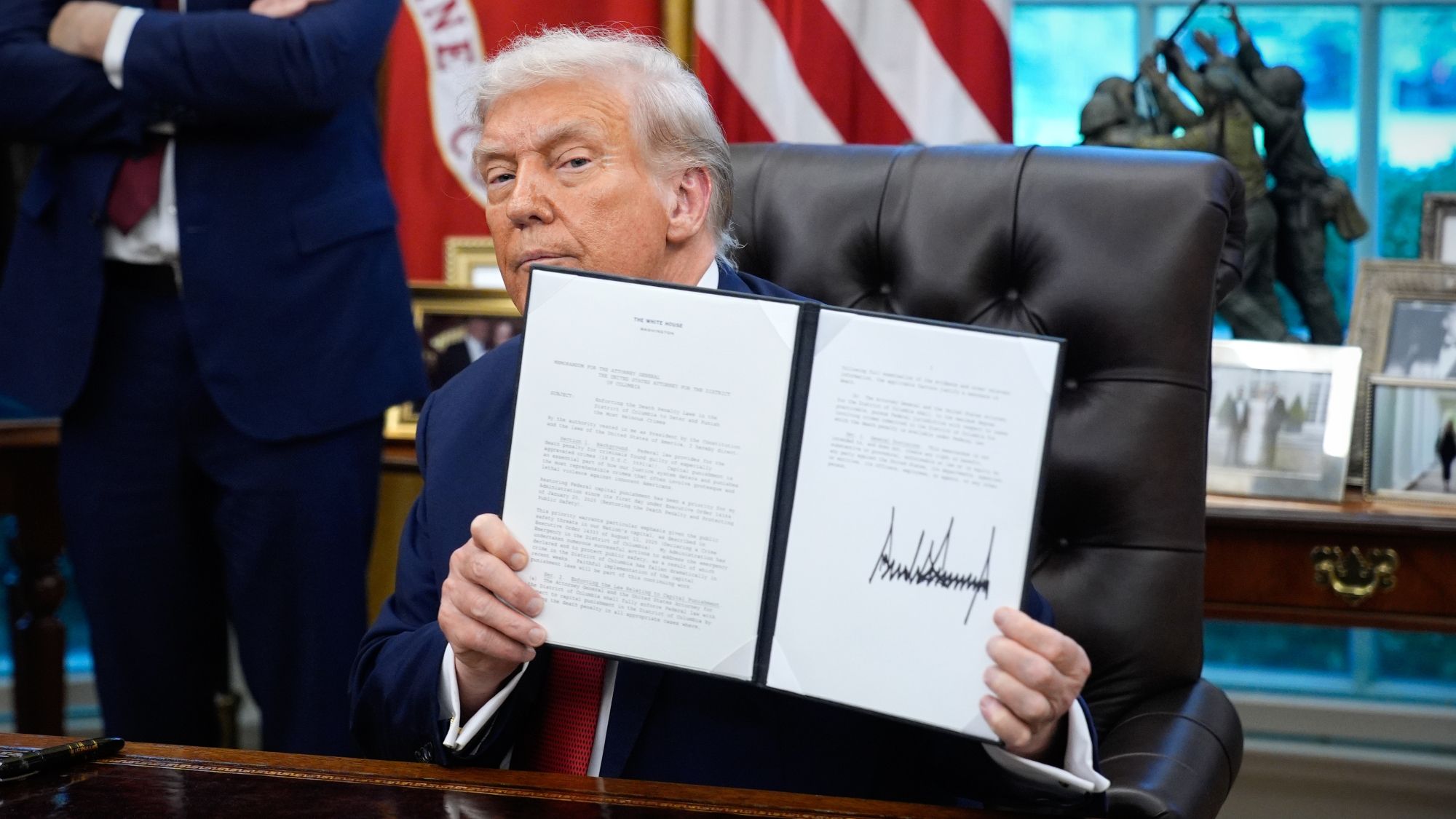
    TikTok’s Chinese owner, ByteDance, said yesterday it had secured binding deals with three major investors to form a U.S. version of the popular video-sharing platform. Under the agreements, outlined by TikTok CEO Shou Chew in a memo to employees, Oracle, Silver Lake and Abu Dhabi-based MGX will each own 15% of the new venture, in a consortium with 50% control U.S. TikTok.

    Who said what
    The deal “marks the end of years of uncertainty” about TikTok’s fate in the U.S., The Associated Press said. Congress passed a law that “would ban TikTok in the U.S. if it did not find a new owner,” but after the platform briefly went dark in January, President Donald Trump, “without a clear legal basis,” signed four executive orders to stave off the ban while his administration sought new ownership. 

    ByteDance is set to retain a 19.9% stake in the new venture, while 30.1% will be owned by its affiliates and partners. It wasn’t clear who would own the last 5%, but Trump suggested in September that Michael Dell and Rupert Murdoch would hold stakes. “Trump wants to hand over even more control of what you watch to his billionaire buddies,” Sen. Elizabeth Warren (D-Mass.) said on social media yesterday.

    What next?
    Chew’s memo “suggested that the deal would close on Jan. 22, just one day before the latest deadline for TikTok to find a new owner,” The New York Times said. The Trump administration has to approve the deal, but “at this stage, I see no regulatory issues,” analyst Craig Huber told Reuters, especially since Trump was “very involved in putting the whole sale together from the beginning.” 


    It’s not all bad

    Wildlife trackers in Canada’s Manitoba province were surprised when they came across a mother polar bear with an adopted cub. It’s rare for polar bears to take on nonbiological cubs, and the adoption happened sometime after researchers saw the mother and her biological cub emerging from her maternity den in the spring. Polar bears need “all the help they can get” because of climate change, and it’s “nice” to know they are “looking out for each other,” said polar bear scientist Evan Richardson.


    Under the radar

    Mount Rainier and 4 other mountains are shrinking

    Five ice-capped mountains in the U.S., including Washington’s Mount Rainier, have “shrunk since ~1980,” said a study published in the journal Arctic, Antarctic and Alpine Research. Four of the five have melted by “at least 6 meters (20 feet) due to loss of snow and ice.” The top of Columbia Crest, which is recognized as Mount Rainier’s summit, “no longer stands 14,410 feet above sea level, having lost nearly 21 feet of ice,” said National Parks Traveler.

    This loss is largely attributed to climate change. The “average air temperature on these summits is significantly higher than it was in the 1950s, almost 5.5 degrees Fahrenheit,” said Eric Gilbertson, an associate teaching professor at Seattle University and a co-author of the study. 

    Melting glaciers are considered a climate tipping point and an indicator of catastrophic change. “We talk a lot about glaciers losing mass, but those are often at lower elevations,” said Scott Hotaling, an associate professor at Utah State University who worked on the study. The loss of ice mass at the peaks of some of the U.S.’s highest mountains “is an obvious and visceral sign of how climate change is impacting these well-known and once-pristine places.”

    Studying the true impacts on mountaintop ice loss is challenging because there are currently no “comprehensive databases, historical or contemporary, that track ice-capped summits,” said ABC News. However, it’s certain we have “entered a new era for the western U.S. cryosphere,” said the study. “Where there’s perennial ice, it’s likely melting.”


    On this day

    December 19, 1843

    Charles Dickens’ “A Christmas Carol” was published. The story, about a crotchety miser visited by three ghosts on Christmas Eve, has become a holiday classic, adapted numerous times for film, television and stage.


    TODAY’S newspaperS

    ‘Epstein haunts Trump’

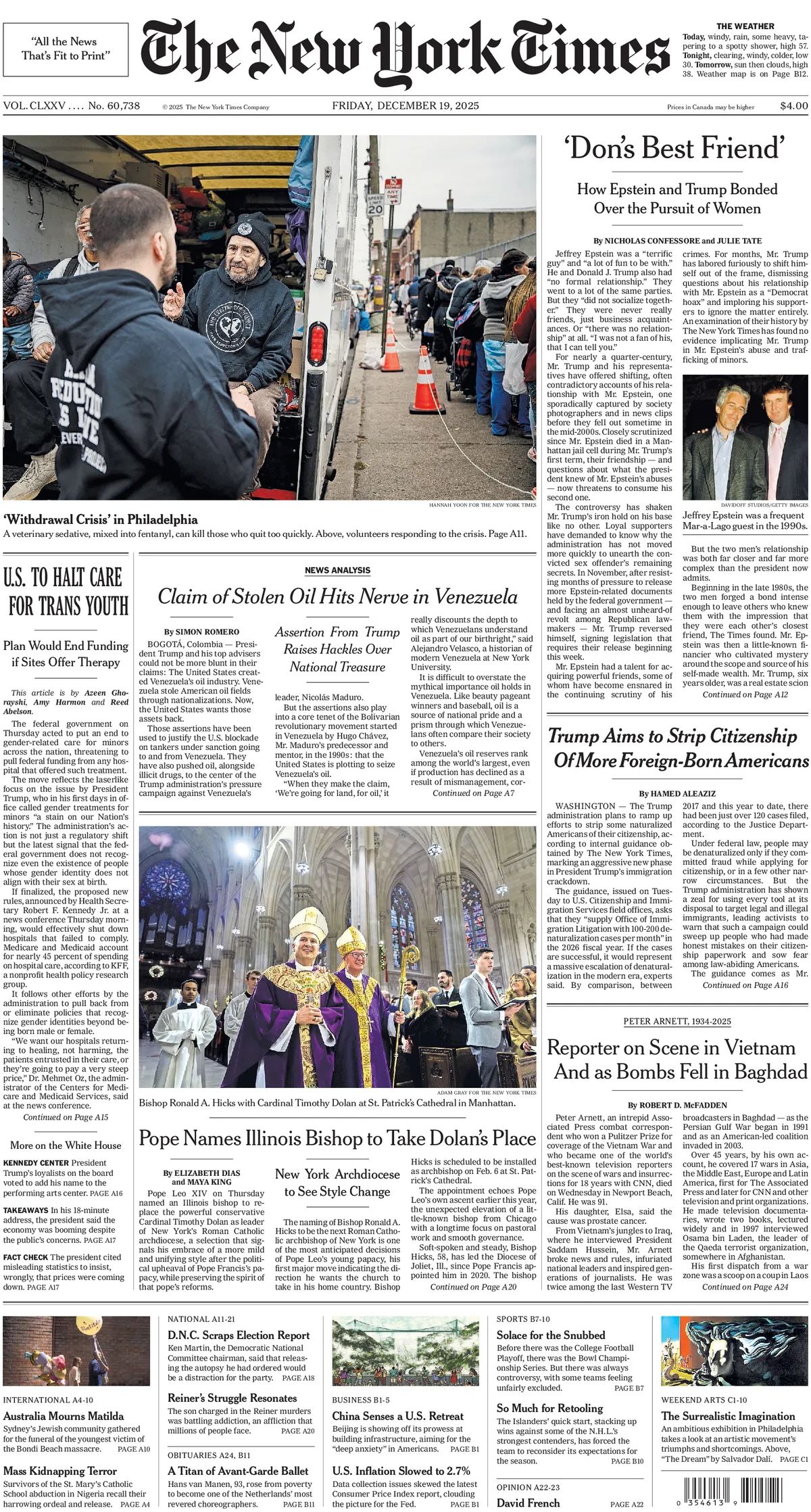
    “Epstein haunts Trump’s 2nd term,” USA Today says on Friday’s front page. As “Don’s best friend,” The New York Times says, “Epstein and Trump bonded over the pursuit of women.” This “could be an uneasy Christmas for Trump,” says The Palm Beach Post. “Trump company ventures into AI power,” will “merge with nuclear-fusion firm,” The Wall Street Journal says. “Kennedy Center may get ‘Trump’ in its name,” says The Washington Post. “Trump administration moves to cut off care for trans children,” the Houston Chronicle says. “State gears up for gender care fight,” says the San Francisco Chronicle. “Trump sets goals for ending citizenship” with “monthly quota for denaturalization,” says The Minnesota Star Tribune. “Seeking green card, she was taken by ICE,” says the Los Angeles Times.

    ► See the newspaper front pages


    Tall tale

    Speedy delivery

    A San Francisco woman gave birth in the back seat of a self-driving Waymo taxi last week while en route to the hospital. Waymo’s remote rider support team picked up “unusual activity” in the vehicle and called 911, said the company. The car dropped off the new mom and her baby at the University of California San Francisco Hospital before emergency services reached them. After the special delivery, Waymo removed the robotaxi from service for special cleaning.


    Morning Report was written and edited by Nadia Croes, Catherine Garcia, Scott Hocker, Anya Jaremko-Greenwold, Justin Klawans, Rafi Schwartz, Peter Weber and Kari Wilkin, with illustrations by Stephen Kelly and Julia Wytrazek.

    Image credits, from top: Reba Saldanha / AP Photo; Photographer Name / Getty Images; Yuri Gripas / Abaca / Bloomberg via Getty Images; Illustration by Stephen Kelly / Getty Images
     

    Recent editions

    • Evening Review

      Trump takes a ‘sledgehammer’ to climate research

    • Morning Report

      GOP’s health care headache flares

    • Evening Review

      The interview that left Trump’s inner circle ‘aghast’

    VIEW ALL
    TheWeek
    • About Us
    • Contact Future's experts
    • Terms and Conditions
    • Privacy Policy
    • Cookie Policy
    • Advertise With Us
    • FAQ
    Add as a preferred source on Google

    The Week is part of Future US Inc, an international media group and leading digital publisher. Visit our corporate site.

    © Future US, Inc. Full 7th Floor, 130 West 42nd Street, New York, NY 10036.