The Week The Week
flag of US
US
flag of UK
UK
https://cdn.mos.cms.futurecdn.net/flexiimages/jacafc5zvs1692883516.jpg

SUBSCRIBE & SAVE

Less than $3 per week

Sign in
  • View Profile
  • Sign out
  • The Explainer
  • The Week Recommends
  • Newsletters
  • Cartoons
  • From the Magazine
  • The Week Junior
  • Student Offers
  • More
    • Politics
    • World News
    • Business
    • Health
    • Science
    • Food & Drink
    • Travel
    • Culture
    • History
    • Personal Finance
    • Puzzles
    • Photos
    • The Blend
    • All Categories
  • Newsletter sign up Newsletter
  • Brand Logo
    Gabbard inquiries, ‘weaponization’ demotion and Kennedy Center closure

     
    TODAY’S NATIONAL story

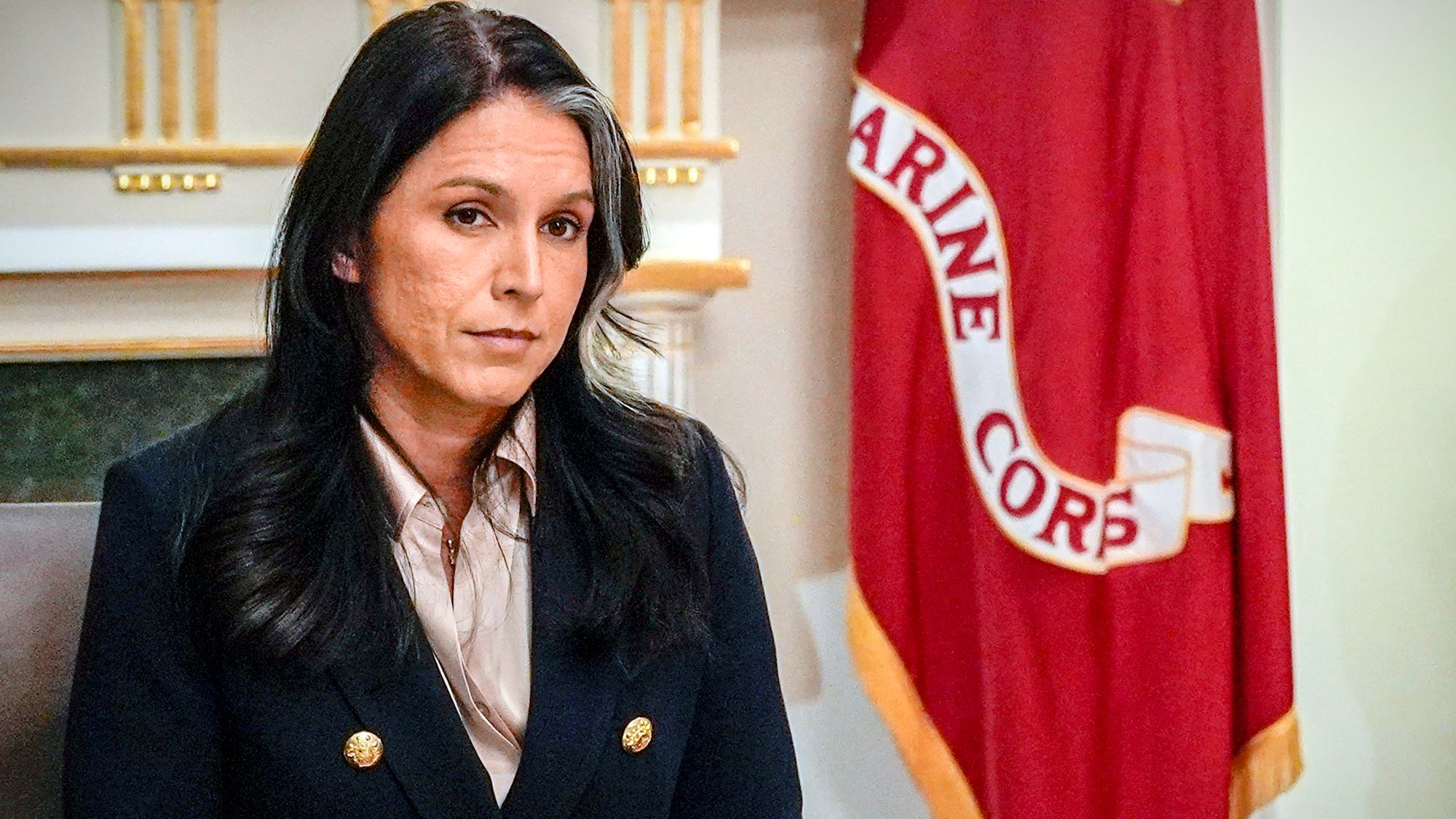
    Gabbard faces questions on vote raid, secret complaint

    What happened
    Director of National Intelligence Tulsi Gabbard (pictured above) said yesterday that President Donald Trump ordered her to Atlanta last week for a controversial FBI raid to seize 2020 ballots and voter information from Fulton County. She also acknowledged, in a letter to the top Democrats on the House and Senate intelligence committees, that she “facilitated a brief phone call” between Trump and the Atlanta FBI team working on the politically charged case, part of the president’s effort to relitigate his 2020 loss to former President Joe Biden. Trump yesterday suggested Republicans “take over” and “nationalize” voting, in contravention of the Constitution. 

    A lawyer for an intelligence community whistleblower yesterday accused Gabbard of withholding from Congress a complaint about her conduct filed eight months ago. Gabbard’s spokesperson said the number of classified details in the complaint made it “substantially more difficult” to clear it for congressional review. 

    Who said what
    The whistleblower complaint, “which is said to be locked in a safe,” evokes a “cloak-and-dagger mystery reminiscent of a John le Carré novel,” involving not just Gabbard but also another federal agency and perhaps the White House, The Wall Street Journal said. Gabbard “has been an enigmatic figure in the Trump administration, sidelined from major national-security matters and tasked with investigating the results of the 2020 election.” 

    After a “rocky start,” Gabbard has been “boosting her standing within the administration” by “pursuing Trump’s election integrity priorities,” CNN said. But it is “unusual for America’s top intelligence official to be included in a domestic law enforcement operation” like the Atlanta raid, Reuters said. In her letter to Sen. Mark Warner (D-Va.) and Rep. Jim Himes (D-Conn.), Gabbard said she was observing the FBI operation at Trump’s request and “under my broad statutory authority to coordinate, integrate and analyze intelligence related to election security.” Warner’s office said Gabbard’s letter “raises more questions than it answers.”

    What next?
    The Atlanta FBI squad leader “primarily fielded” Trump’s queries during Gabbard’s “outside the bounds” speakerphone call, The New York Times said, citing three people with knowledge of the meeting. Gabbard said in her letter that Trump “did not ask any questions, nor did he or I issue any directives.” But by speaking “directly to the frontline agents doing the granular work of a politically sensitive investigation in which he has a large personal stake,” the Times said, Trump “may have provided significant ammunition to any future defense should the investigation yield criminal charges.”


    TODAY’S JUSTICE story

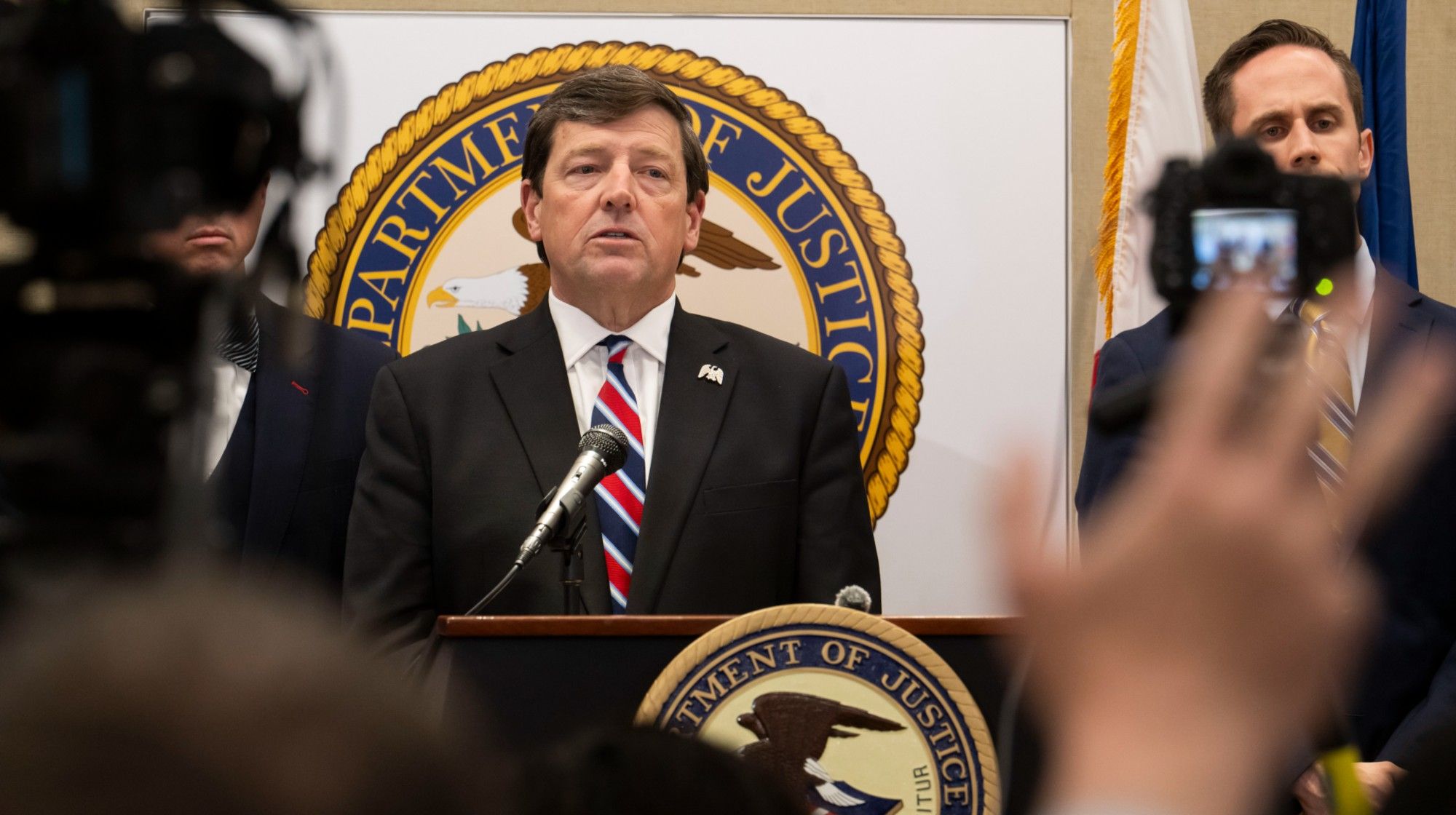
    Trump's ‘weaponization czar’ demoted at DOJ

    What happened
    The Justice Department has reportedly demoted conservative activist Ed Martin (pictured above) from his role as President Donald Trump’s “weaponization czar,” leading a working group to investigate and punish alleged cases of prosecutorial overreach against Trump and his allies. Martin will remain the DOJ’s pardon attorney but “lost his title as an assistant attorney general” and is being relocated to a different office, “pulling him away” from the “most powerful figures” in the Justice Department, The Washington Post reported.

    Who said what
    Martin played an “important role in the largely unsuccessful prosecutions of Trump’s political foes,” including New York Attorney General Letitia James and former FBI Director James Comey, said the Post. But he has “at times clashed” with Deputy Attorney General Blanche “over his lack of productivity on the working group and his controversial social media posts,” said CBS News. “For his part, Martin felt Justice Department leaders had marginalized him,” The Wall Street Journal said. 

    Martin “continues to do a great job” as pardon attorney, a Justice Department spokesperson said yesterday, declining to comment on the reported demotion. People close to Martin said they believed “Blanche’s move to marginalize him was intended to prompt his resignation,” The New York Times said, and Martin has “told people in his orbit that he is considering leaving, possibly for an as-yet-undetermined position in the White House.”

    What next?
    It was “not clear what purpose the task force” will have with Martin “out of the picture,” the Times said. But his demotion does not “signal a pullback from the department’s campaign to investigate, humiliate and punish targets singled out” by Trump, “whose thirst to seek revenge against his perceived political enemies remains unslaked after a year in office.” 


    TODAY’S CULTURE Story

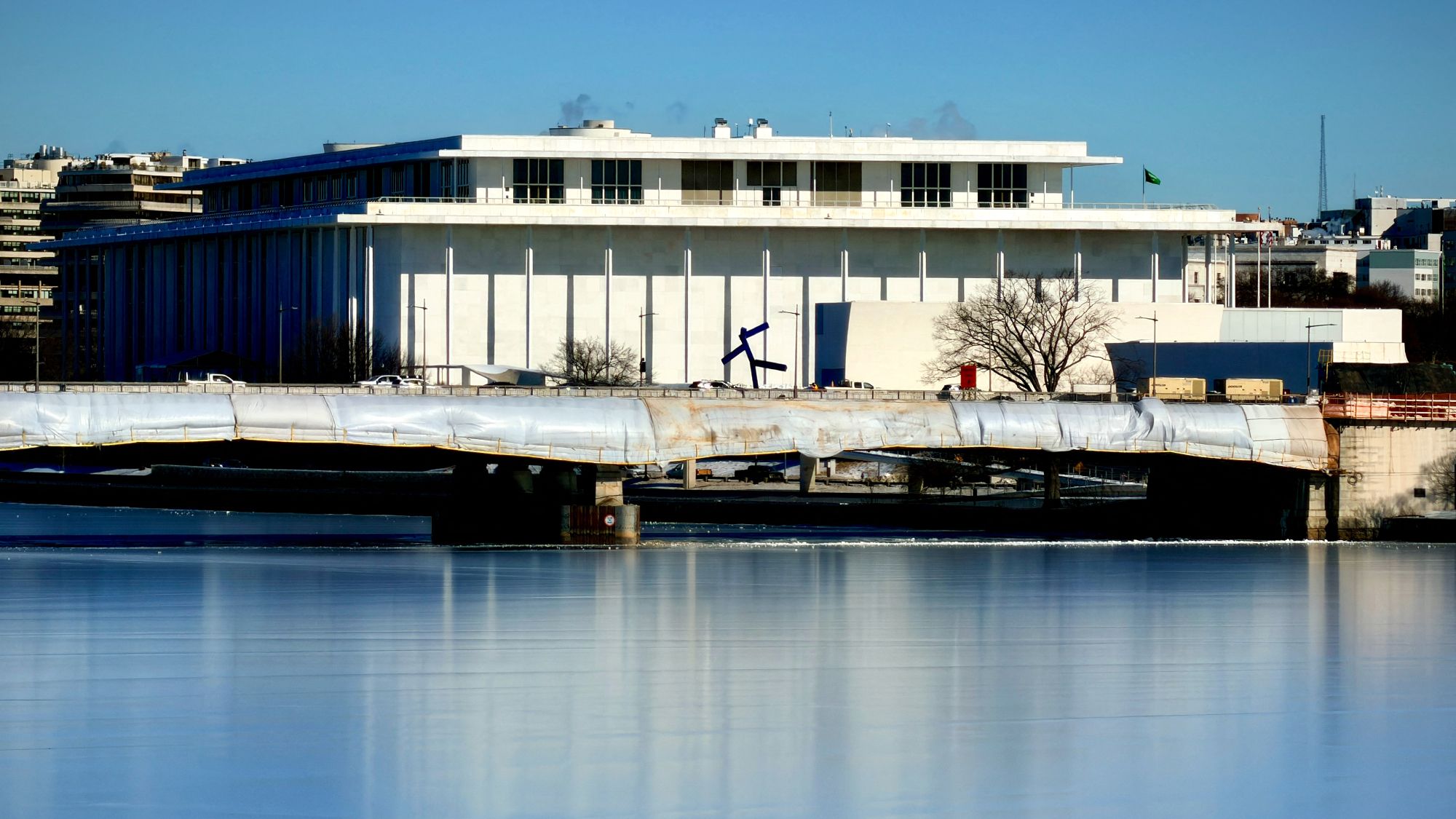
    Trump’s Kennedy Center closure plan draws ire

    What happened
    President Donald Trump said yesterday he did not plan to completely tear down the Kennedy Center, but he needed to close it down for two years for renovations so extensive that the steel structure will be “fully exposed.” Trump’s Sunday evening post announcing the July 4 closure and rebuilding of the performing arts center “sent shock waves through the center, Washington and the broader arts world,” The Washington Post said. Even some of Trump’s handpicked board members “were blindsided.”

    Who said what
    “I’m not ripping it down,” Trump told reporters. “I’ll be using the steel,” the “structure” and “some of the marble,” and when it reopens, “it’ll be brand new and really beautiful.” He put the cost at about $200 million. Trump’s “very specific ideas about what he wants to do to the building” do not “align with the building’s current state,” CNN said. Many people “fear another East Wing situation, with Washington one day waking up to a demolition beyond anything residents had contemplated.”
     
    Trump presented his decision to close the living memorial to President John F. Kennedy as a “pragmatic one that was reached with the help of experts,” but it “struck his critics as little more than a face-saving maneuver, since the place has been in a downward spiral ever since he named himself chairman,” The New York Times said. In recent months, “artists stopped performing,” ticket sales “nose-dived,” then Trump “put his name on the building and hosted the honors himself” and “ratings plummeted.”

    What next?
    Previous “large-scale renovations” to the Kennedy Center, including a $175 million remodel finished in 2019, were done “without shutting down the entire center,” Philip Kennicott said at the Post. So the planned two-year closure “suggests either that Trump doesn’t know how to sustain a viable performing arts center” or “has plans to remake it into something unrecognizable.”


    It’s not all bad

    Volunteers at St. Michael’s Hospital in Toronto spend hours cuddling infants in the neonatal intensive care unit, helping the babies get home faster. Being nestled helps all NICU patients but is especially beneficial for those exposed to opiates in the womb who now have neonatal abstinence syndrome. Studies show that when these infants are cuddled, their hospital stay is reduced by six days compared to those who are not. Many volunteers are former nurses who undergo “rigorous” training, said CTV News.


    Under the radar

    How roadkill could aid scientific research

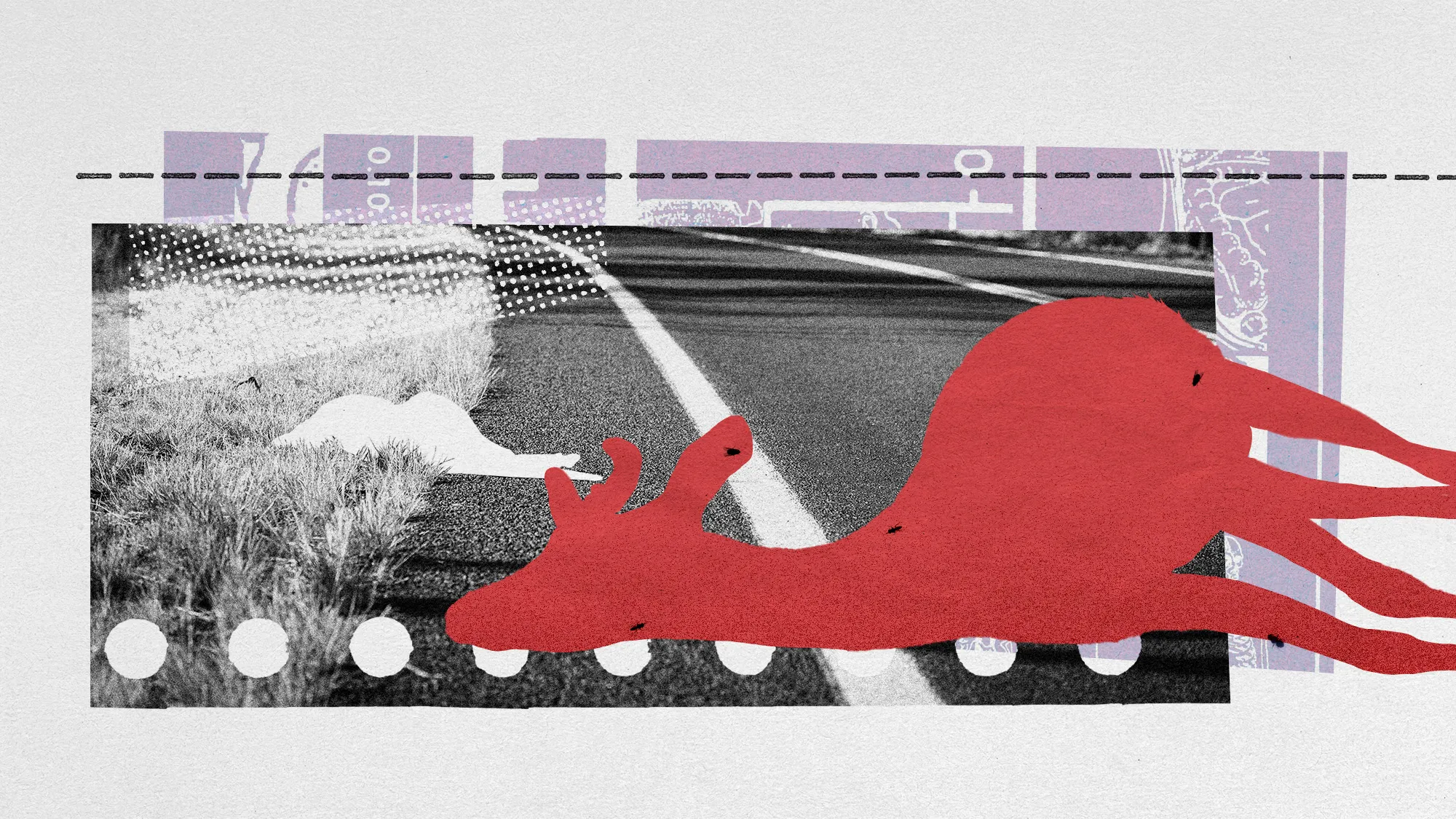
    It may be time to hit the road in pursuit of scientific research. Millions of animals are struck and killed by vehicles every year. These accidents have decimated some species, but they could also create an opportunity to conduct scientific research more ethically.

    Roadkill could be a “valuable source of animals for study that does not require, and could even replace, the use of live wildlife,” said a study published in the journal Biology Letters. Researchers identified roughly 117 different uses for roadkill across various scientific projects. “We found examples of successfully using roadkill to map species distributions, monitor disease and environmental pollution, study diets, track invasive species, supply museum collections and even discover species previously unknown to science,” said Christa Beckmann, the lead author of the study.

    A big advantage of using roadkill for research is that it is “highly ethical,” said the study. It could be used as an alternative to invasive sampling methods. “If you want to take a genetic sample, you don’t need to trap live animals or handle them, both of which can cause stress,” said Beckmann. “You can just drive along the road” to find your test specimens.

    In a car-centric society, roadkill is an unfortunate side effect. Some species are even being “driven toward extinction because of traffic,” said Scientific American. “Using these losses wisely could help drive scientific discovery and conservation forward, rather than letting valuable information decompose by the roadside,” said Beckmann.


    On this day

    February 3, 2005

    Alberto Gonzales was sworn in as U.S. attorney general, becoming the first Hispanic person to hold the office. He served until 2007. No Latinos have held the job since, though two other non-white attorneys general, Eric Holder and Loretta Lynch — both Black — served under President Barack Obama. 


    TODAY’S newspaperS

    ‘Detainees describe horror’

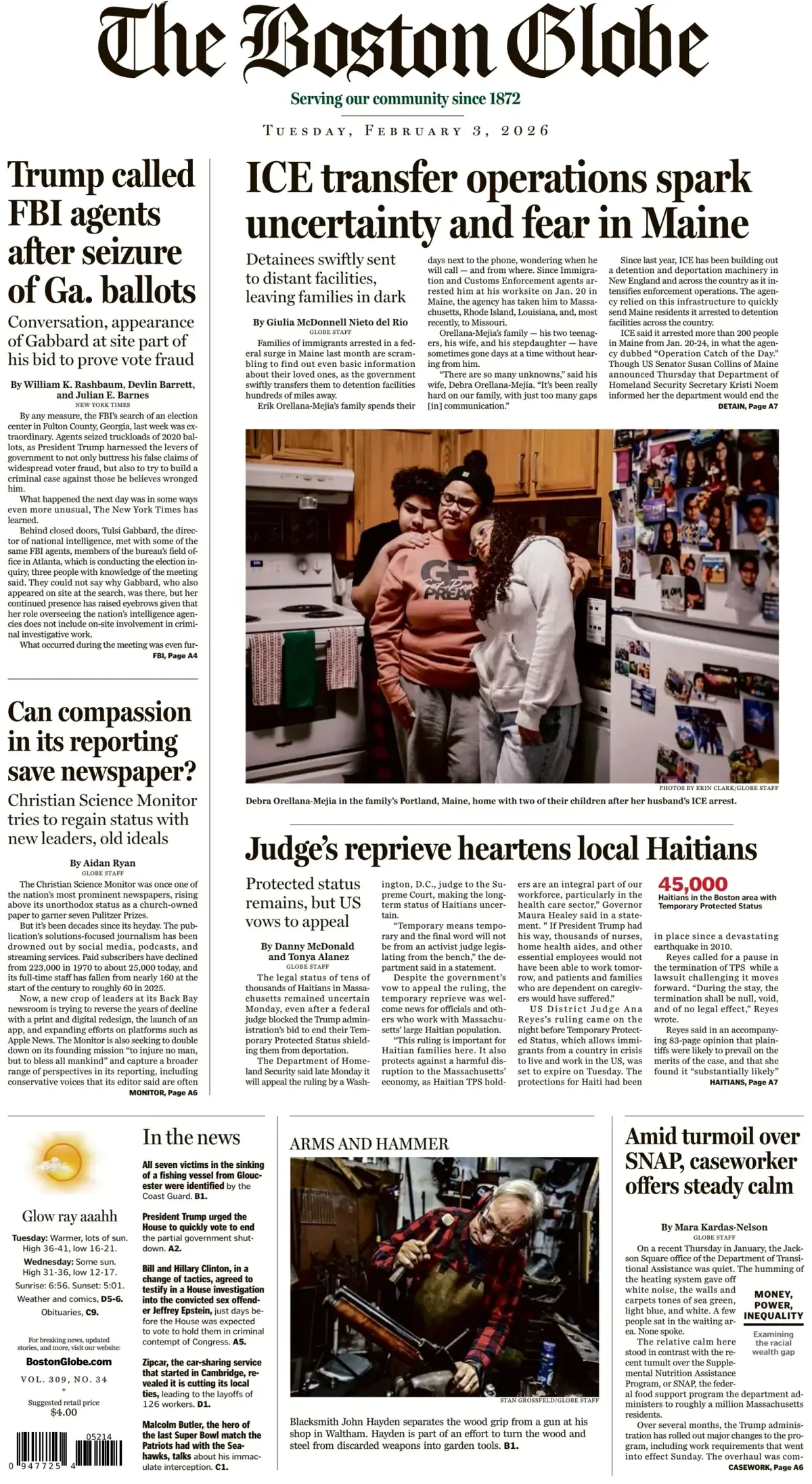
    “Musk’s SpaceX acquires his xAI startup,” The Wall Street Journal says on Tuesday’s front page. “Measles reported at ICE detention center” that “housed Minnesota father, son,” says the Houston Chronicle. “Detainees describe horror at facility,” USA Today says. “ICE, DHS pressed to honor tribal IDs,” says the Arizona Republic. “Judge’s reprieve heartens local Haitans,” though “U.S. vows to appeal” block protected status revocation, The Boston Globe says. “Gaza crossing to Egypt open, though barely,” The New York Times says. “Gaza medical evacuees enter Egypt,” says the Los Angeles Times. “Ed Martin loses bulk of his DOJ mandate,” says The Washington Post.

    ► See the newspaper front pages


    Tall tale

    Baby pool shark

    Jude Owens, age 2, has two tricks up his sleeve: the pool bank shot and snooker double pot. After showcasing his skills for Guinness World Records, the billiards prodigy is now recognized as the youngest person to execute two trick shots. He was 2 years and 261 days old when he completed a snooker double pot, and 2 years and 302 days old when he did the pool bank shot. “How do you beat that?” his dad said to the BBC.


    Morning Report was written and edited by Nadia Croes, Catherine Garcia, Scott Hocker, Anya Jaremko-Greenwold, Justin Klawans, Rafi Schwartz, Peter Weber and Kari Wilkin, with illustrations by Stephen Kelly and Julia Wytrazek.

    Image credits, from top: Yuri Gripas / CNP / Bloomberg via Getty Images; Craig Hudson / The Washington Post / Getty Images; Daniel SLIM / AFP via Getty Images; Illustration by Julia Wytrazek / Getty Images
     

    Recent editions

    • Evening Review

      Regime change in Cuba?

    • Morning Report

      New Epstein files rebut denials

    • Sunday Shortlist

      Shrewd survival

    VIEW ALL
    TheWeek
    • About Us
    • Contact Future's experts
    • Terms and Conditions
    • Privacy Policy
    • Cookie Policy
    • Advertise With Us
    • FAQ
    Add as a preferred source on Google

    The Week is part of Future US Inc, an international media group and leading digital publisher. Visit our corporate site.

    © Future US, Inc. Full 7th Floor, 130 West 42nd Street, New York, NY 10036.