The Week The Week
flag of US
US
flag of UK
UK
https://cdn.mos.cms.futurecdn.net/flexiimages/jacafc5zvs1692883516.jpg

SUBSCRIBE & SAVE

Less than $3 per week

Sign in
  • View Profile
  • Sign out
  • The Explainer
  • The Week Recommends
  • Newsletters
  • Cartoons
  • From the Magazine
  • The Week Junior
  • Student Offers
  • More
    • Politics
    • World News
    • Business
    • Health
    • Science
    • Food & Drink
    • Travel
    • Culture
    • History
    • Personal Finance
    • Puzzles
    • Photos
    • The Blend
    • All Categories
  • Newsletter sign up Newsletter
  • Brand Logo
    Indictment rejections, Nigeria deployment and voter protection

     
    TODAY’S JUSTICE story

    Grand jury rejects charging 6 Democrats for ‘orders’ video

    What happened
    Federal prosecutors in Washington, D.C., yesterday tried and failed to secure indictments against six Democratic lawmakers who appeared in a video reminding military service members they can refuse to obey “illegal orders,” according to several news organizations. A grand jury’s rejection of charges against Sens. Mark Kelly (Ariz.) and Elissa Slotkin (Mich.) and four House Democrats “marked the latest setback for the Trump-era Justice Department in its bids to prosecute the president’s perceived enemies,” The Wall Street Journal said. 

    Who said what
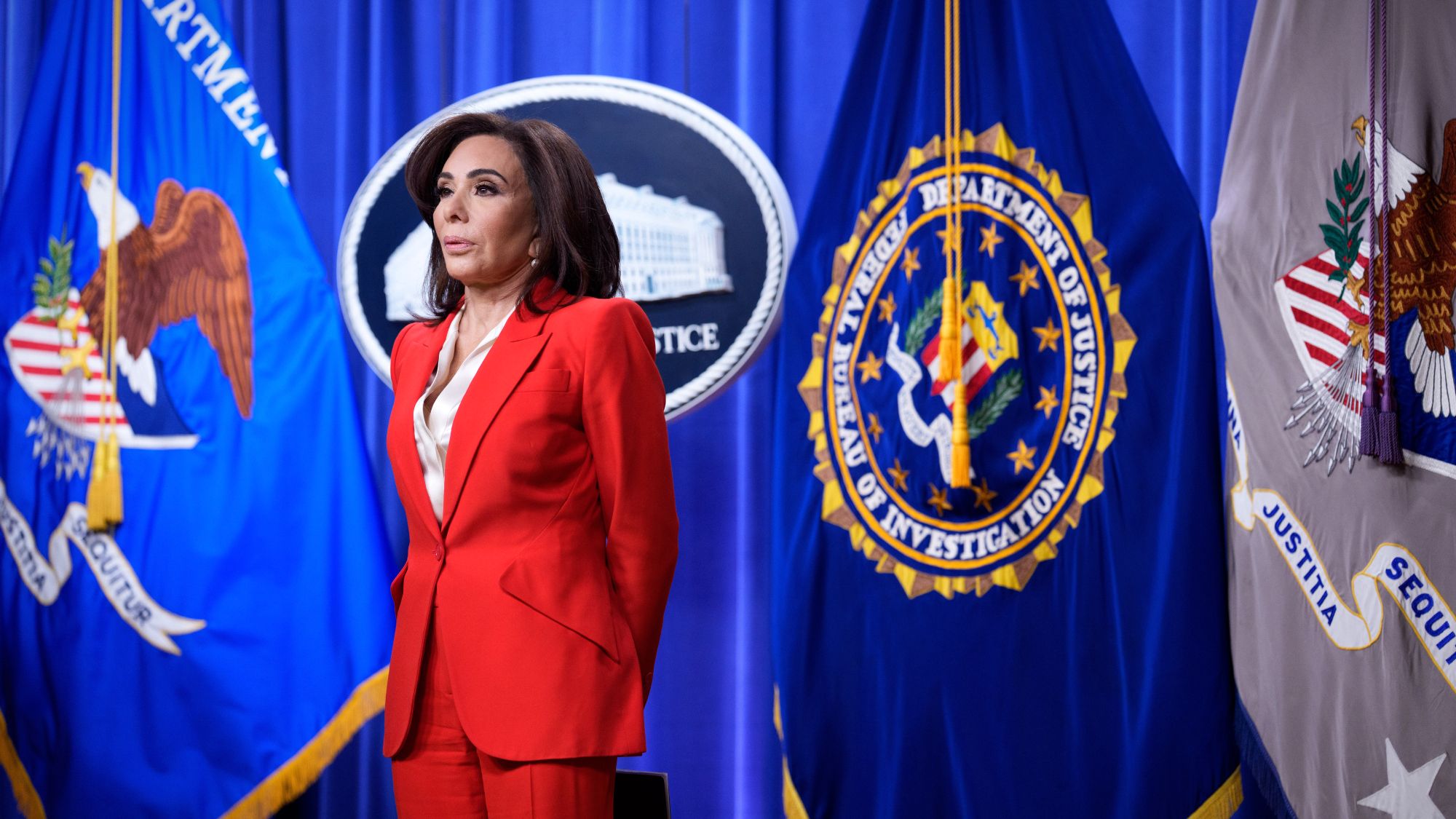
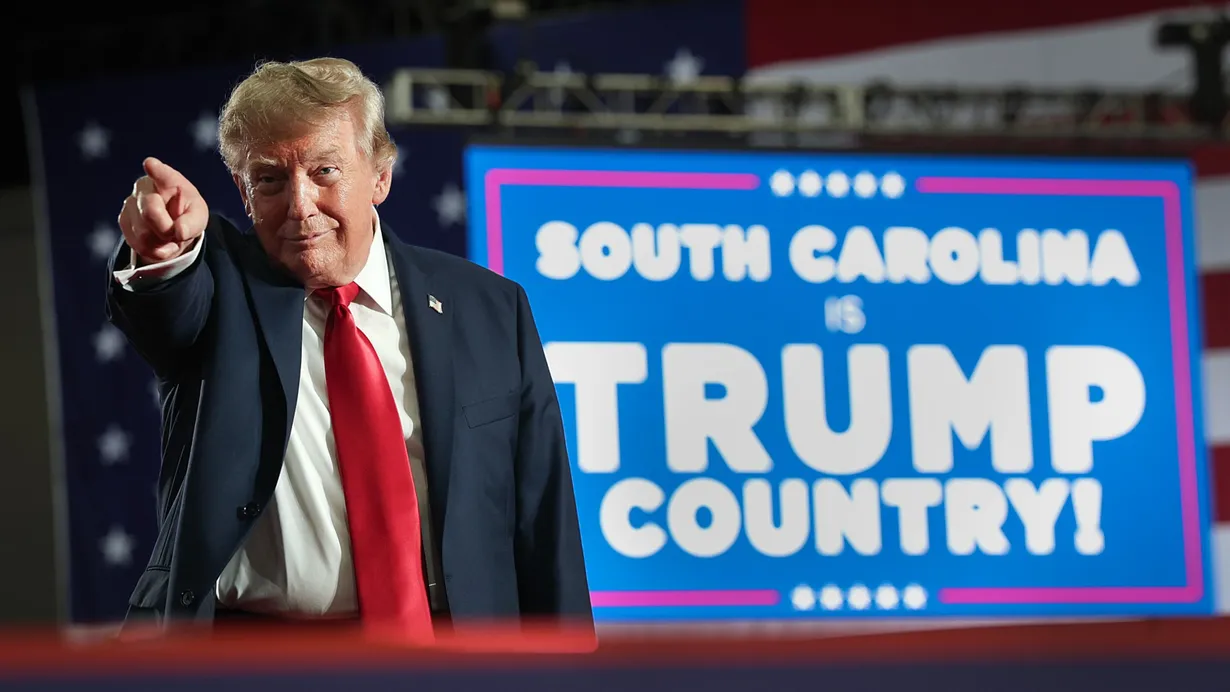
    It was “remarkable” that U.S. Attorney Jeanine Pirro (picture above) “authorized prosecutors to go into a grand jury and ask for an indictment of the six members of Congress,” The New York Times said. “But it was even more remarkable that a group of ordinary citizens” on the grand jury “forcefully rejected” President Donald Trump’s “bid to label their expression of dissent as a criminal act warranting prosecution.”

    “Grand jury rejections are extraordinarily unusual,” The Associated Press said, but they have “happened repeatedly in recent months” as citizens presented with “the government’s evidence have come away underwhelmed.” This “latest extraordinary brushback” was especially notable, Politico said, because Trump “repeatedly posted that Kelly and his colleagues had committed sedition,” a crime punishable by death.

    Trying to file criminal charges “because of something I said that they didn’t like” is an “outrageous abuse of power by Donald Trump and his lackeys,” Kelly said on social media. “That’s not the way things work in America.” Having a “grand jury of anonymous American citizens” reject their charges was “embarrassing” for the Trump administration but also marked “another sad day for our country,” Slotkin said. “Hopefully, this ends this politicized investigation for good.”

    What next?
    Pirro’s office “could try again to present the cases to grand jurors,” The Washington Post said. “But even if they secure indictments, the cases could face obstacles in court.” This Justice Department has “brought questionable criminal cases” against Trump’s perceived foes “time and again,” the Times said. But “even though many of these cases have been weak,” the DOJ “apparently determined that it may be better to fail in court” than push back against Trump’s “well-known desire for revenge.”


    TODAY’S INTERNATIONAL story

    US to send 200 troops to Nigeria for military training

    What happened
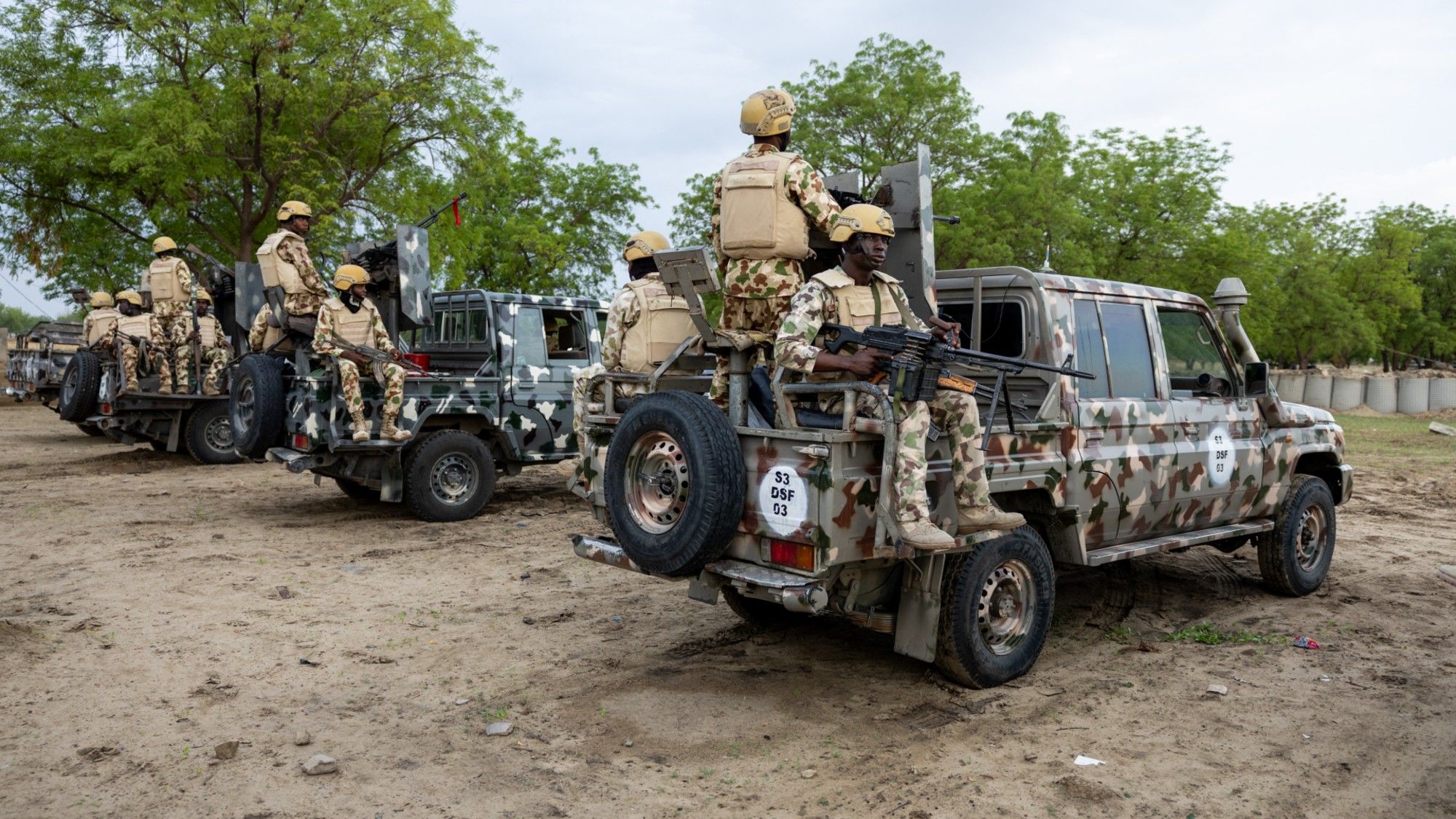
    The Trump administration is sending about 200 troops to Nigeria to help train its military to fight Islamist militants, U.S. and Nigerian officials said yesterday. The deployment comes weeks after President Donald Trump accused Nigeria’s government of failing to protect Christians from terrorist attacks in the West African country. 

    Who said what
    The “fresh U.S. forces” will “supplement a handful of U.S. military personnel already in Nigeria” to help local military units “identify targets for military strikes,” The Wall Street Journal said. Trump late last year threatened to send in U.S. troops “guns-a-blazing” to avenge what he called a “Christian genocide.” But in this deployment, “U.S. troops aren’t going to be involved in direct combat or operations,” Nigerian military spokesperson Maj. Gen. Samaila Uba told the Journal. 

    This “startling turn” in U.S.-Nigerian relations follows an “intense, yearslong push led by Christian activists, Republican lawmakers and American celebrities seeking U.S. intervention” in Nigeria’s “long-simmering security crisis,” The New York Times said. Nigeria rejected Trump’s claim that it has failed to protect Christians, but “U.S. military leaders who for years have complained about prickly relations with the Nigerian military say the shift has opened the door to increased intelligence sharing and military planning.” 

    What next?
    TKTK


    TODAY’S ELECTIONS Story

    Judge blocks Trump suit for Michigan voter rolls

    What happened
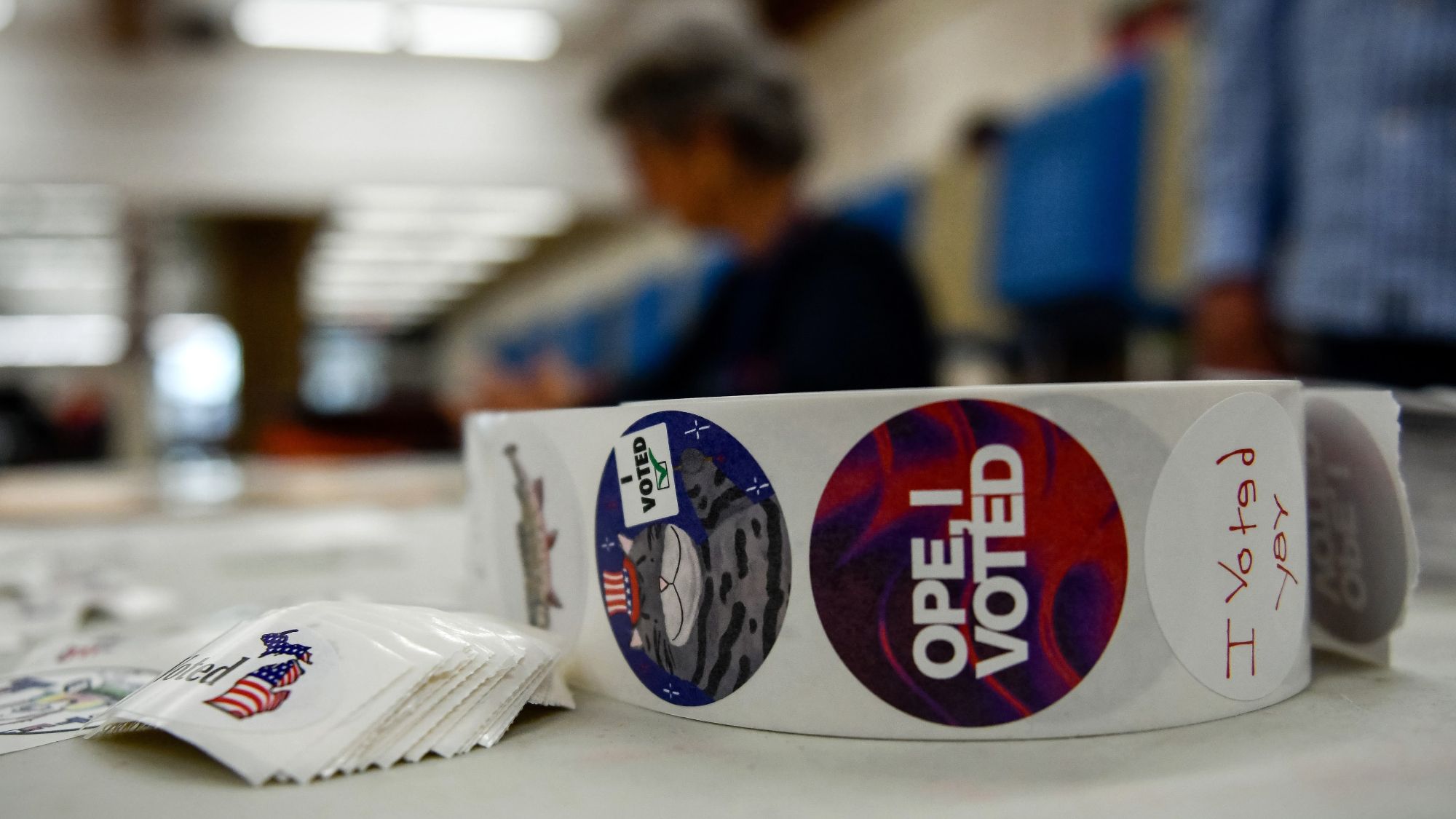
    A federal judge in Michigan yesterday rejected the Trump administration’s effort to compel the state to turn over its unredacted voter rolls. U.S. District Judge Hala Jarbou said the three laws cited by the Justice Department in its lawsuit “do not allow the United States to obtain the records at issue in this case.” Federal judges in Oregon and California have dismissed similar Trump administration lawsuits to obtain full voter records. 

    Who said what
    The ruling by Jarbou, appointed by President Donald Trump, was “restrained” in tone, The New York Times said, but the judges in Oregon and California “used their opinions to issue explicit warnings that, in their view, the Trump administration could not be trusted, and its efforts to centralize the electoral process pose a serious risk.” U.S. elections, as stipulated in the Constitution, are administered at the state and local level.

    A federal judge in Georgia also dismissed Trump’s voter roll demand last month on procedural grounds, but the FBI then seized that voter information in Atlanta’s Fulton County last month. According to an affidavit released yesterday, the FBI “relied heavily on previously debunked claims of widespread election irregularities” in Trump’s 2020 loss to justify its raid, The Washington Post said.

    What next?
    “At least 11 states have either provided or said they will provide their full statewide voter registration lists, including driver’s license and Social Security numbers,” the Brennan Center for Justice said. The Trump administration has sued at least 23 states and the District of Columbia to obtain that information, but the rulings in Michigan, Oregon and California “offer an early indication of how the Justice Department’s nationwide quest to essentially establish a national voting database” may be “running into significant headwinds from the judiciary,” the Times said.


    It’s not all bad

    A small chalk drawing of a lion by Rembrandt recently sold for a record $18 million, with all proceeds going to support big-cat conservation. “Young Lion Resting” dates back to about 1640, and because the drawing depicts a leash around the lion’s neck, it is believed Rembrandt saw the lion in person, possibly at a fair. The sale will benefit Panthera, a charity that protects lions and other wild cats through habitat restoration, community partnerships and anti-poaching efforts.


    Under the radar

    Scientists are worried about amoebas

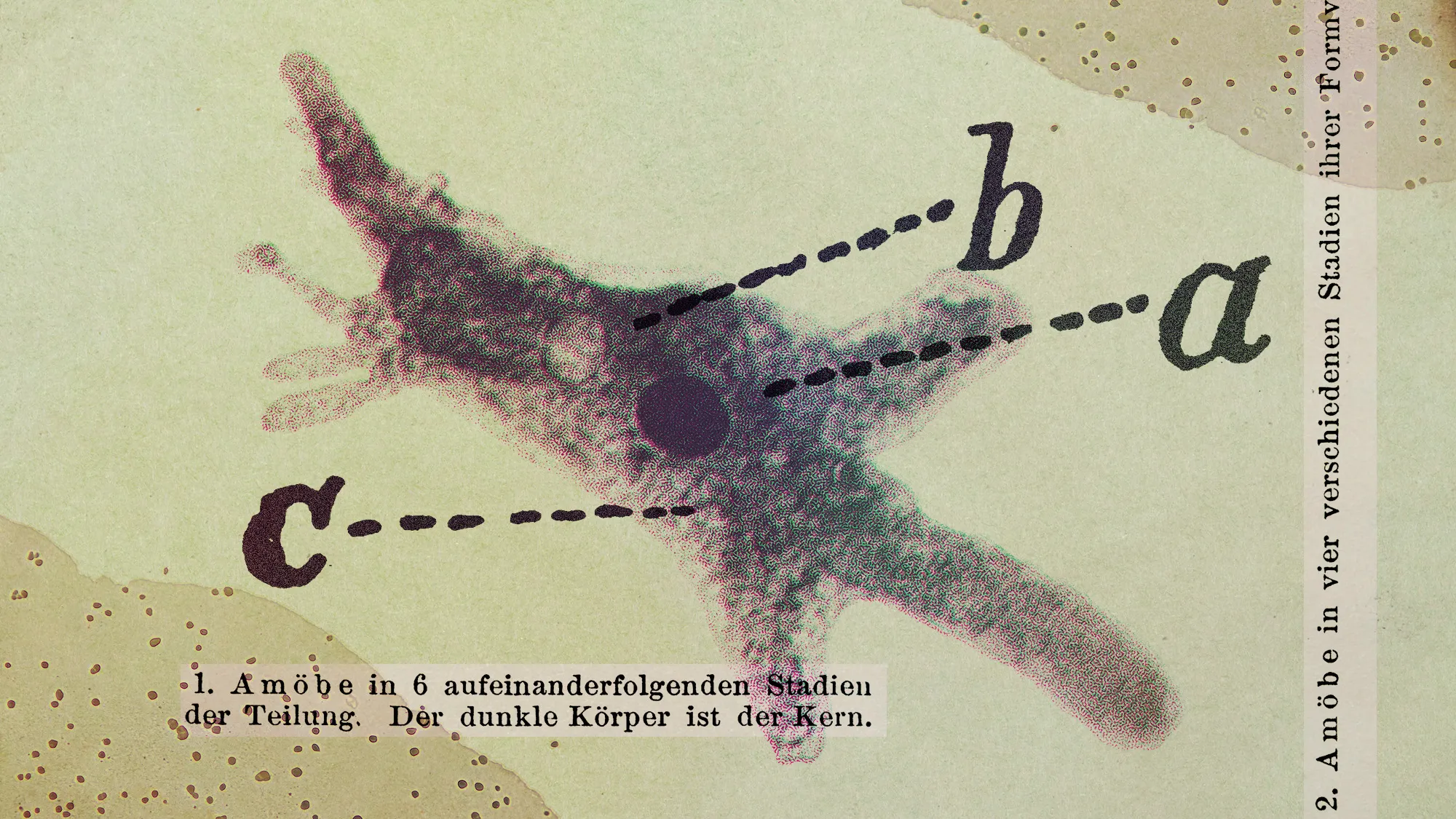
    Free-living amoebas, or single-celled organisms that do not require a host to live, pose a dangerous threat to humans. They are notoriously difficult to kill and can also harbor other pathogens.

    The “widespread presence” of amoebas poses “significant exposure risks through contaminated water sources, recreational water activities and drinking water systems,” a team of environmental and public health scientists said in a paper published in the journal Biocontaminant. While most species are harmless, there is a subset that can have serious public health consequences, like the brain-eating amoeba Naegleria fowleri.

    Other amoebas can “cause painful eye infections, skin lesions in people with weakened immune systems and rare but serious systemic infections affecting organs,” Manal Mohammed, a medical microbiology lecturer at the University of Westminster, said at The Conversation. The level of human exposure to amoebas is “likely substantially underestimated,” said the study, as “amoebic infections are prone to clinical misdiagnosis.”

    Free-living amoebas can thrive in even the most inhospitable environments, including high temperatures and amid strong cleaning chemicals. Along with their resilience, amoebas “act as hidden carriers for other harmful microbes,” Shenyang Agricultural University said in a news release on the paper. “By sheltering bacteria and viruses inside their cells, amoebae can protect these pathogens from disinfection and help them persist and spread.” Known as the Trojan horse effect, this process can contribute to the prevalence of antibiotic resistance.

    Most water systems are “not routinely checked for free-living amoebas,” said Mohammed. The problem is likely to worsen due to climate change, with rising temperatures “expanding the geographic range of heat-loving amoebae,” said the release.


    On this day

    February 11, 1753

    Pennsylvania Hospital, the first hospital in what would become the United States, began seeing patients. The institution, founded by Benjamin Franklin and Dr. Thomas Bond, is located in Philadelphia and serves today as a teaching hospital. Franklin was also instrumental in developing the first hospital pharmacy.


    TODAY’S newspaperS

    ‘ICE chief in hot seat’

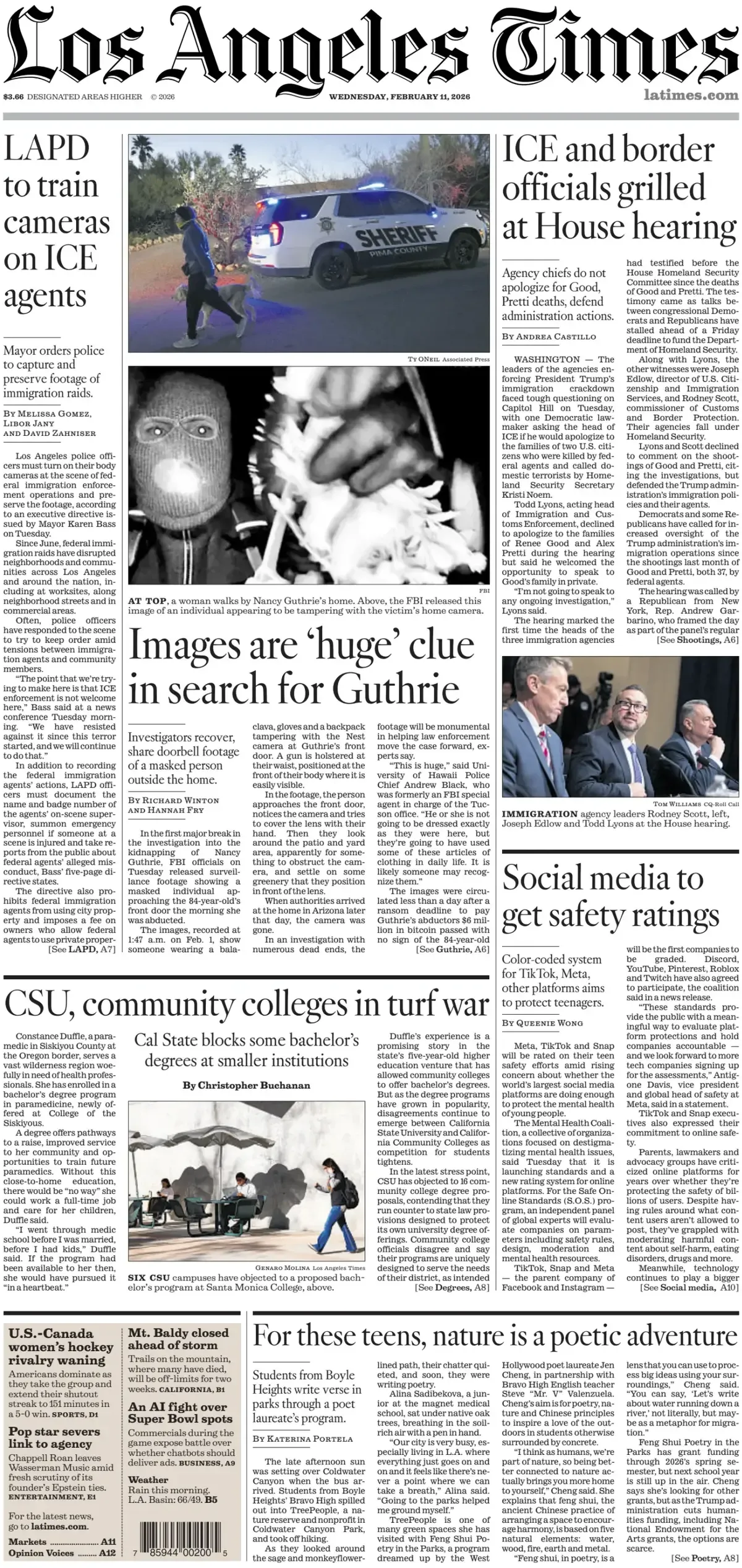
    “On the Hill, ICE chief in hot seat,” The Washington Post says on Wednesday’s front page. “ICE chief: No apologies for deaths,” The Minnesota Star Tribune says. “DHS claims in 4 shootings fizzle in court,” The New York Times says. “Images are ‘huge’ clue in search” for Savannah Guthrie’s mother, says the Los Angeles Times. “Trump: I’ll stop Gordie Howe Bridge” and “Canada must deal for it to open,” the Detroit Free Press says. “Raid’s unsealed documents show FBI relied on skeptics” and “debunked election theories,” The Atlanta Journal-Constitution says. “Concerns rise as snowpack levels lagging,” USA Today says. “Life in Cuba grinds to a halt as U.S. blockades oil imports,” says The Wall Street Journal.

    ► See the newspaper front pages


    Tall tale

    Watch the fur fly

    Dogue, a magazine dedicated to fashionable dogs, is being sued by the parent company of Vogue, which claims the “nearly identical” name is “obviously” intended to mislead readers. In its lawsuit, Condé Nast accuses Dogue of trademark infringement and dilution and says that “unless restrained,” the dog-themed magazine will cause it “irreparable damage.” Olga Portnaya, who launched Dogue in 2019, told Air Mail she views the lawsuit as a “disagreement about creative expression.”


    Morning Report was written and edited by Nadia Croes, Catherine Garcia, Scott Hocker, Anya Jaremko-Greenwold, Justin Klawans, Rafi Schwartz, Peter Weber and Kari Wilkin, with illustrations by Stephen Kelly and Julia Wytrazek.

    Image credits, from top: Aaron Schwartz / Bloomberg via Getty Images; Joris Bolomey / AFP / Getty Images; Adam James Dewey / Anadolu via Getty Images; Illustration by Julia Wytrazek / Getty Images
     

    Recent editions

    • Evening Review

      Lines in the sand on ICE

    • Morning Report

      Maxwell offers Epstein testimony for pardon

    • Evening Review

      A ‘jobless boom’

    VIEW ALL
    TheWeek
    • About Us
    • Contact Future's experts
    • Terms and Conditions
    • Privacy Policy
    • Cookie Policy
    • Advertise With Us
    • FAQ
    Add as a preferred source on Google

    The Week is part of Future US Inc, an international media group and leading digital publisher. Visit our corporate site.

    © Future US, Inc. Full 7th Floor, 130 West 42nd Street, New York, NY 10036.