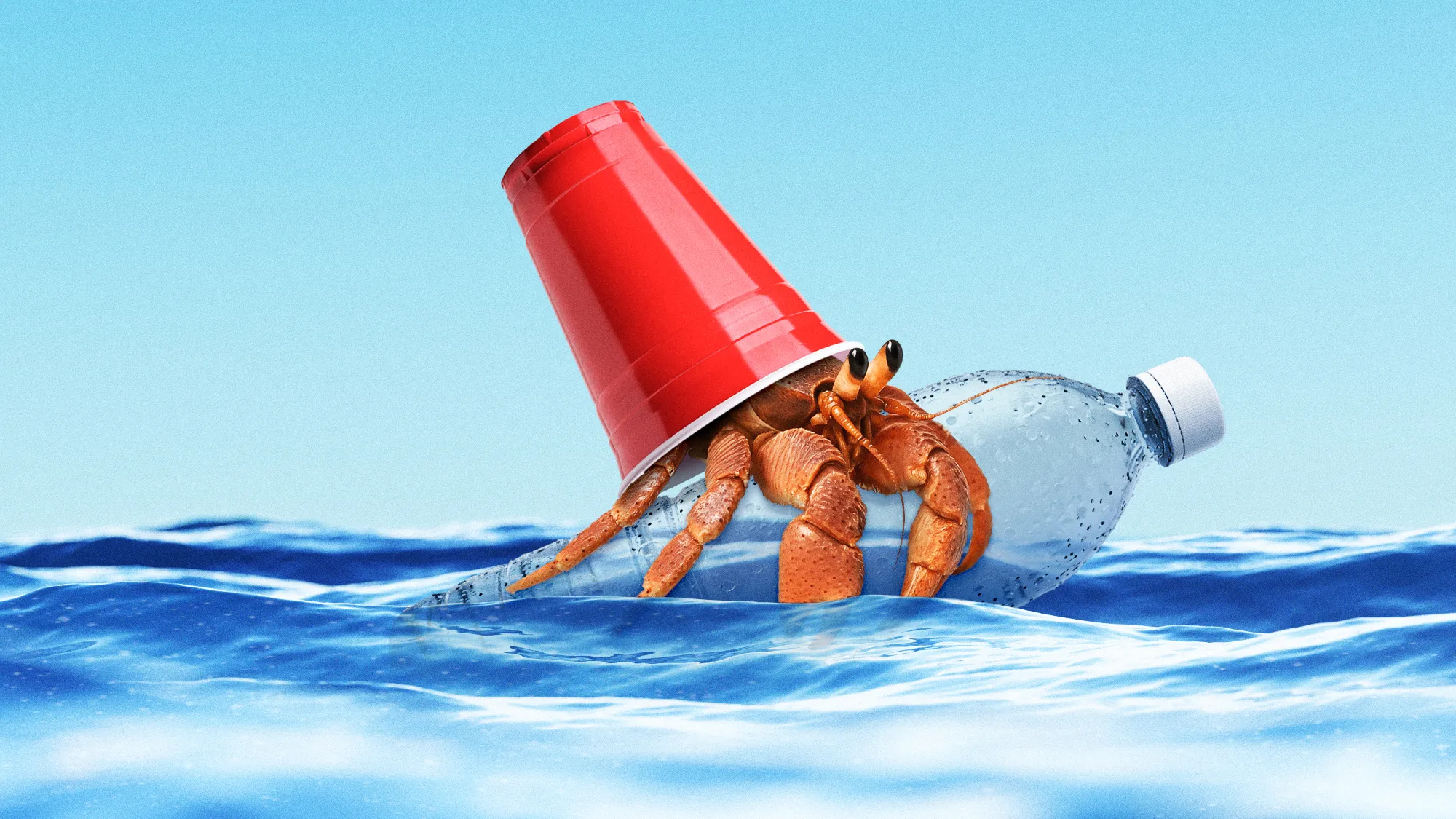
It may be an island of trash, but the Great Pacific Garbage Patch is home to dozens of species. The detritus is floating within the North Pacific Subtropical Gyre, a “huge rotating current system between California and Hawaii” where “objects tend to get trapped,” said Earth.com. The gyre has amassed tens of thousands of tons of plastic trash, about 80% of which originated on land.
Over time, much of this plastic has gained living inhabitants, according to a 2023 study published in the journal Nature Ecology & Evolution. Scientists found 484 animals from 46 species on plastic debris from the gyre. Inhabitants were not “merely riding the debris to a new location,” said IFL Science. Researchers found “animals at all life stages, including juveniles and adults.” This range indicates that the organisms are there for the long haul.
Perhaps counterintuitively, the plastic is key to this ecosystem. “Unlike natural floating substrates such as driftwood or pumice, plastic can persist for decades, providing a continuous surface for attachment,” said The Economic Times. The plastic allows “coastal species that once would have died long before reaching remote islands” to survive, said Econews.
But this migration “comes with serious risks,” said Econews. It introduces new invasive species to areas where they “compete with native corals, algae and invertebrates on reefs that are already stressed by warming, pollution and overfishing.” So even though there is life on the Patch, it “does not diminish the urgency of reducing plastic production and improving waste management,” said The Economic Times. |