The Week The Week
flag of US
US
flag of UK
UK
https://cdn.mos.cms.futurecdn.net/flexiimages/jacafc5zvs1692883516.jpg

SUBSCRIBE & SAVE

Less than $3 per week

Sign in
  • View Profile
  • Sign out
  • The Explainer
  • The Week Recommends
  • Newsletters
  • Cartoons
  • From the Magazine
  • The Week Junior
  • Student Offers
  • More
    • Politics
    • World News
    • Business
    • Health
    • Science
    • Food & Drink
    • Travel
    • Culture
    • History
    • Personal Finance
    • Puzzles
    • Photos
    • The Blend
    • All Categories
  • Newsletter sign up Newsletter
  • Brand Logo
    Virginia redistricting, SPLC charges and Pentagon flu retreat

     
    TODAY’S POLITICS story

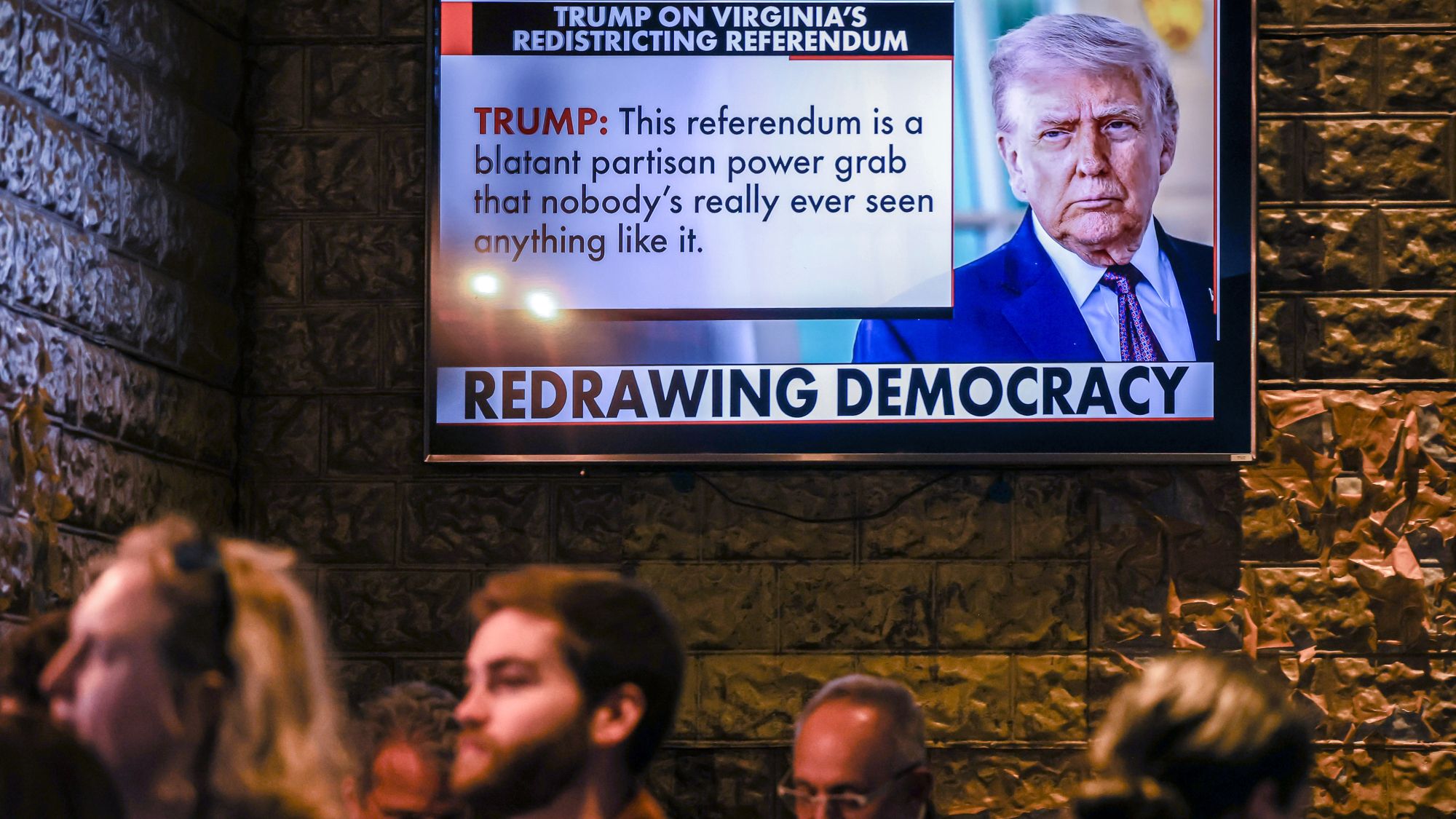
    Virginia voters approve pro-Democrat congressional map

    What happened
    Voters in Virginia yesterday backed a new congressional map that could flip as many as four Republican-held seats, giving Democrats a boost in November’s midterm elections. Democrats currently hold six of Virginia’s 11 House seats. The redistricting referendum, approved 51.5% to 48.5%, endorses a 10-1 map passed by the Democratic-led General Assembly that would remain in effect until 2030.

    Who said what
    The new Virginia map put Democrats “slightly ahead in the national mid-decade gerrymandering wars,” Politico said, an outcome “few thought possible when President Donald Trump picked the fight by pushing Texas Republicans to redraw their map last summer.” Virginia voters told pollsters “they generally opposed partisan gerrymandering,” The Washington Post said, but “many said they were willing to approve it for a limited time to send an extraordinary message to the White House.”  

    Trump sat out the campaign until the end. “This is really a country election,” he told a tele-rally on Monday. Democrats did not “roll over and play dead” in the gerrymander fight, House Minority Leader Hakeem Jeffries (D-N.Y.) said last night. “When they go low, we hit back hard.”

    What next?
    The Virginia Supreme Court is still considering GOP challenges that would “make the referendum results meaningless,” The Associated Press said. And Florida’s GOP-led Legislature is meeting next week to consider a new map “targeting as many as five” Democratic seats, CNN said, though that effort “faces several obstacles of its own.”


    TODAY’S CIVIL RIGHTS story

    DOJ charges civil rights group over KKK informants

    What happened
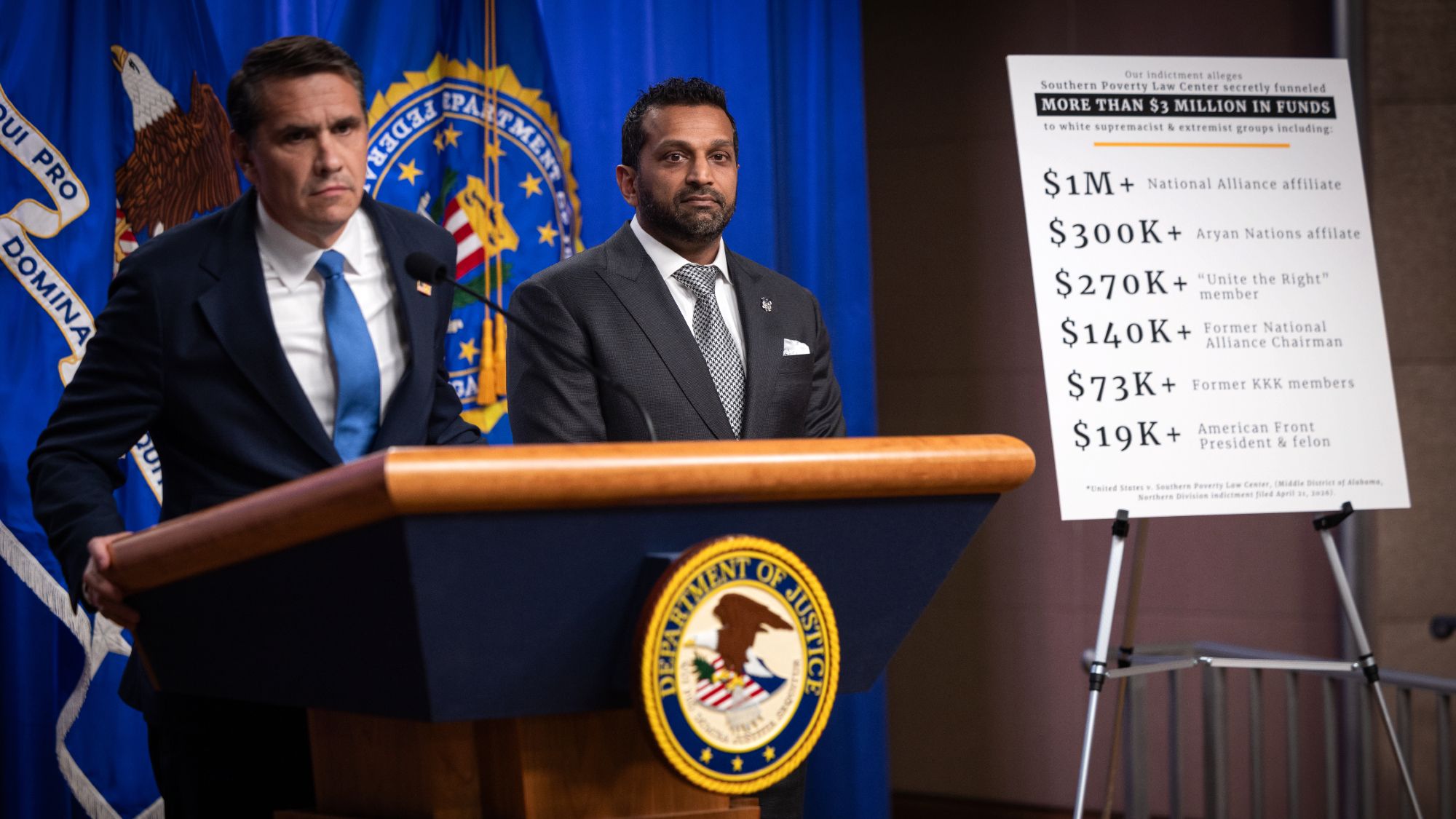
    The Justice Department yesterday charged the Southern Poverty Law Center with financial crimes, accusing the civil rights organization of secretly paying informants in the Klu Klux Klan and other white supremacist groups without telling its donors. Acting Attorney General Todd Blanche (pictured above) said the SPLC paid at least eight unidentified insiders a total of $3 million between 2014 and 2023. 

    Who said what
    Nonprofits like the SPLC are legally required to “have certain transparency and honesty” with donors, Blanche said, and by paying KKK, neo-Nazi and Unite the Right leaders for intelligence, the group was “not dismantling extremism, but funding it.” The indictment “offers little to support the notion” the SPLC’s payments were “meant to aid the extremist groups they had infiltrated,” The New York Times said. 

    The SPLC began working with informants in the 1980s and kept the since-disbanded program secret to ensure their safety, interim CEO Bryan Fair said. The group “frequently” shared “what we learned from informants” with law enforcement, including the FBI, and “there is no question” the program “saved lives.”

    What next?
    Fair said he was “outraged by the false allegations” and his organization “will vigorously defend ourselves, our staff and our work.” No individuals were charged in the indictment, but Blanche said the investigation was ongoing.


    TODAY’S MILITARY Story

    Hegseth ends US military flu vaccine requirement

    What happened
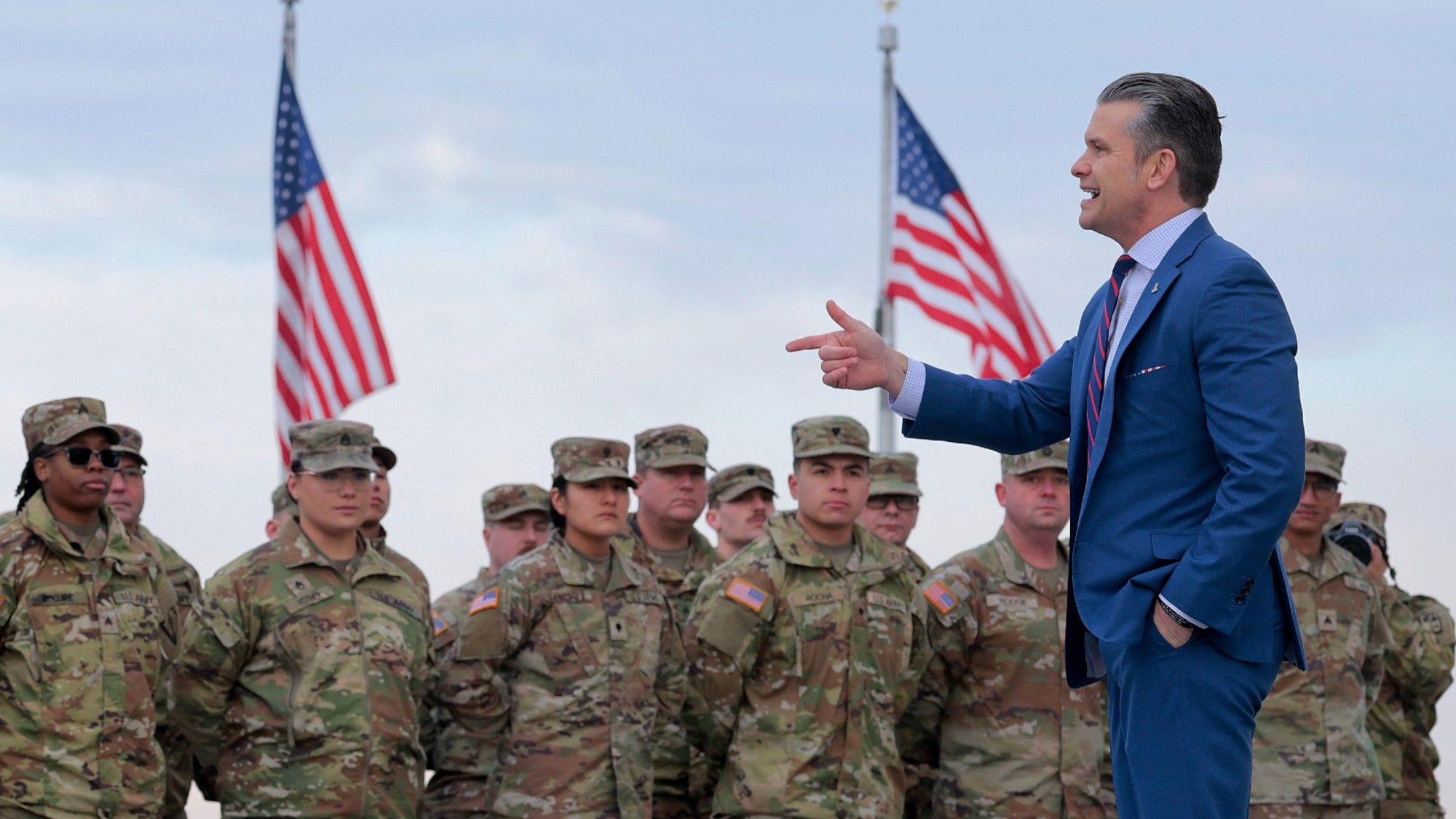
    Defense Secretary Pete Hegseth yesterday lifted the Pentagon’s longstanding policy requiring flu vaccinations for service members. The vaccines will still be available to military personnel who choose to immunize themselves against the seasonal flu. The new policy poses “no threat to our military readiness,” Hegseth suggested in a video posted on social media. 

    Who said what
    U.S. military vaccination programs “date back to the American Revolution,” said The Associated Press, but they became a “contentious political issue during the coronavirus pandemic.” The Pentagon’s annual flu shot requirement, dating back to the 1950s, has been a “major factor in lower rates of hospitalizations among service members” than the U.S. average, said Military Times. Hegseth’s announcement “seemed to catch some Republicans in Congress off guard,” The New York Times said. “The reason it was mandatory was to enhance readiness,” Sen. Roger Wicker (R-Miss.) told reporters. “You do give up certain rights when you take the oath.”

    What next?
    U.S. military personnel are “still required to get vaccinations for diseases including measles, mumps and polio,” said the Times. Other immunizations “may be required depending on risk and military occupation.”


    It’s not all bad

    A total of 422 new independent bookstores opened across the U.S. in 2025, up 31% from 2024, according to data from the American Booksellers Association. That uptick defies “predictions of retail consolidation,” said Gene Marks at The Guardian, and leans into the spirit of “entrepreneurism and independence.” Indie bookshops also offer “resources and spaces for learning, organizing and respite,” providing “third spaces” for people in cities, towns and rural areas, Mark Pearson said at the Los Angeles Times.


    Under the radar

    Zug: the Swiss refuge for the Persian Gulf elite

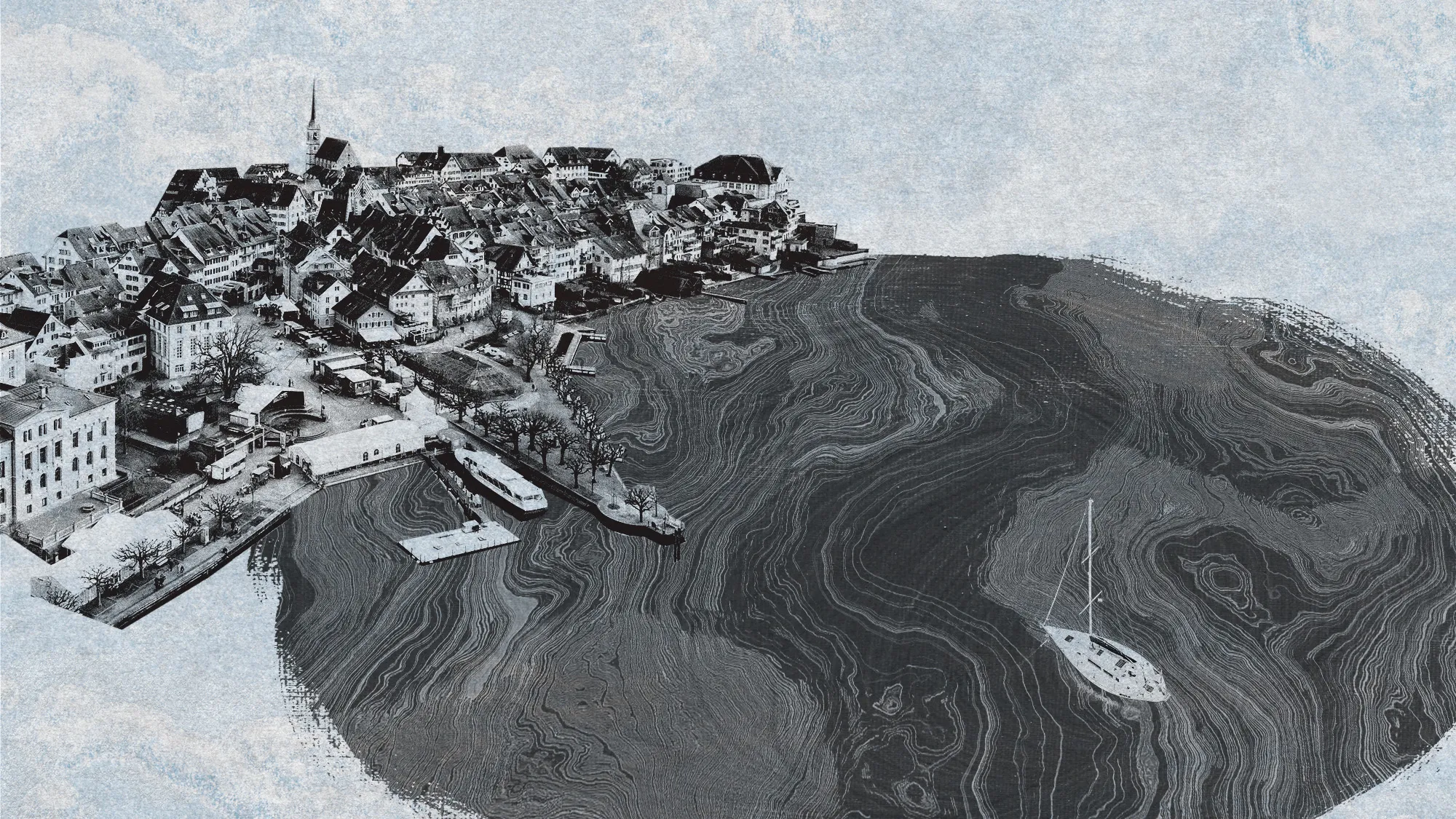
    As war continues to destabilize the Middle East, Gulf State billionaires are seeking solace in European refuges that offer comparable financial benefits with a far lower risk of incoming missiles and drones. One such sanctum is the small Swiss town of Zug, a burgeoning haven for Gulf oil wealth, according to the Financial Times. 

    “In almost all ways, Zug is unremarkable,” with its traditional Swiss architecture and cobbled waterfront lanes, said The Times of London. But if its “Alpine lake water is clear,” the financial scene is more “murky.” 

    Many credit Marc Rich and Pincus “Pinky” Green, the founders of metals and minerals trading firm Glencore, for the transformation of Zug from a “Swiss backwater” to a “Swiss Monaco,” said The Times. The multinational is headquartered just outside Zug and has made the town a “global powerhouse for trading crude and refined oil products.” So it should come as “no surprise” that the “1% of the world’s 1%” are taking shelter there while hoping to still “keep a hand in the oil business.” 

    “Tens of billions of dollars could flow into Switzerland depending on how the current conflict evolves,” said the Outbound Investment Group, citing industry estimates. The “immediate trigger” for the “surge in interest” from Gulf-based investors is the war in the Middle East. But Switzerland’s underlying appeal is its unwavering “Swissness”: “political neutrality,” “strong legal frameworks” and a reputation for wealth preservation. “In other words, it is not just safe, it is understood,” and it shows no signs of slowing. 


    On this day

    April 22, 1864

    Congress passed the Coinage Act of 1864, paving the way for “In God We Trust” to first appear on U.S. currency. After the phrase’s debut on a 2 cent coin, it was expanded to all coins and then paper currency, and in 1956, “In God We Trust” became the official U.S. motto. 


    TODAY’S newspaperS

    ‘Talks stall’

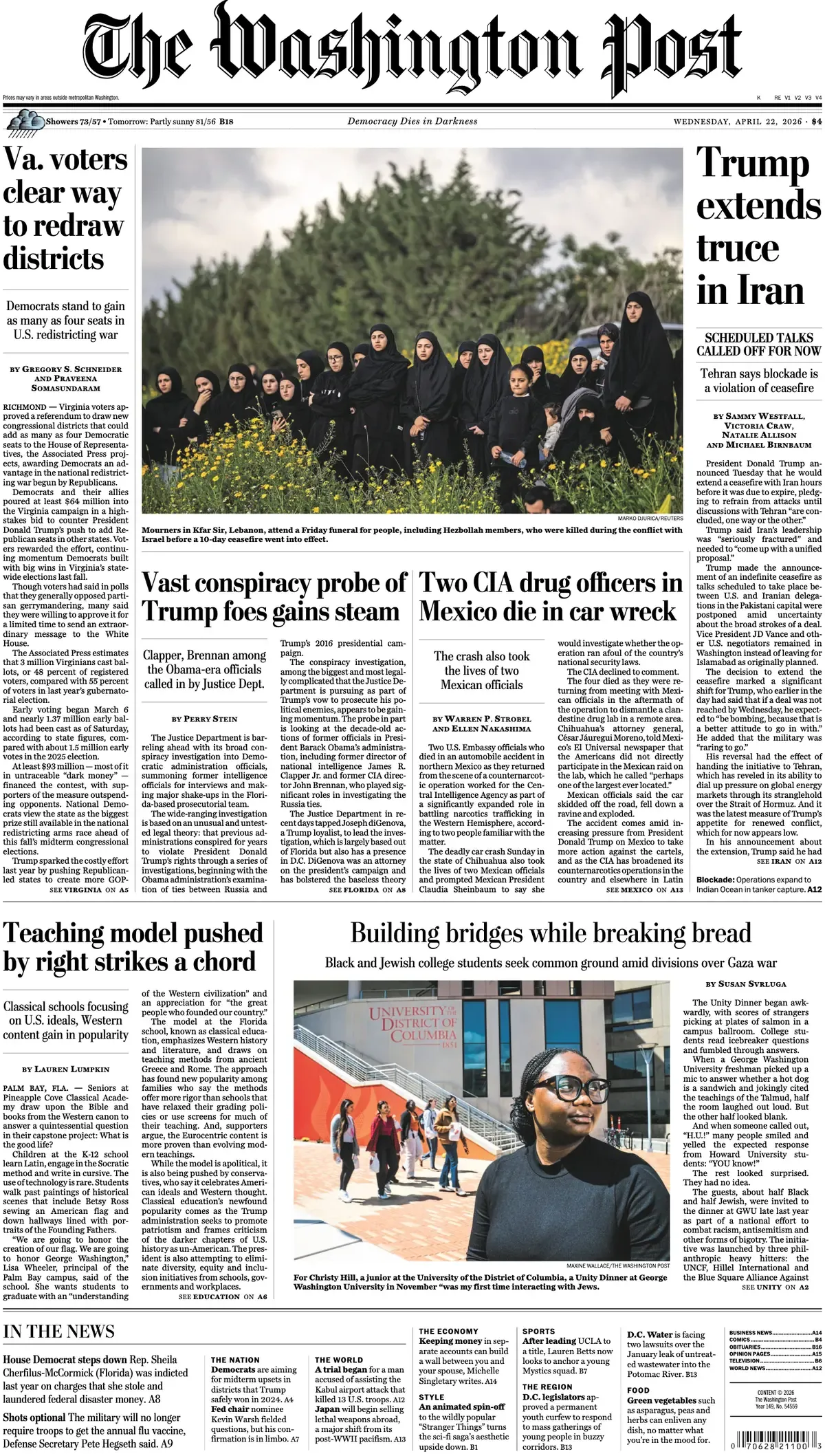
    “Peace talks delayed, but U.S. extends ceasefire,” The Philadelphia Inquirer says on Wednesday’s front page. “Talks stall, but investors can’t stop buying,” The Wall Street Journal says. “Senators ask if pick for Fed is a ‘puppet,’” The New York Times says. “Rep. Cherfilus-McCormick resigns ahead of high-stakes ethics sanctions,” the Miami Herald says. “Vast conspiracy probe of Trump foes gains steam,” The Washington Post says. “Lawyers abandon the DOJ in droves,” USA Today says. “NRA’s Texas mission is denying Senate to Talarico,” the Houston Chronicle says. “Ten Commandments ruling reversed,” forcing “display of religious text” in all Texas schools, says The Dallas Morning News. 

    ► See the newspaper front pages


    Tall tale

    Grandma’s little helper

    After struggling to dig holes in her North Carolina garden, 96-year-old Barbara Collins asked her granddaughter’s 150-pound Newfoundland, Chewy, to do the hard work instead. In a video posted on social media, Collins points at a patch of dirt and tells Chewy, “Dig.” He obeys, turning over the soil so she can drop in her flowers. Chewy and Collins are “best friends,” granddaughter Amy Savino told The Washington Post, and the dog will “do anything for her.”


    Morning Report was written and edited by Will Barker, Nadia Croes, Catherine Garcia, Scott Hocker, Anya Jaremko-Greenwold, Justin Klawans, Rafi Schwartz, Peter Weber and Kari Wilkin, with illustrations by Stephen Kelly and Julia Wytrazek.

    Image credits, from top: Valerie Plesch / Bloomberg via Getty Images; Nathan Posner / Anadolu via Getty Images; Chip Somodevilla / Getty Images; Illustration by Julia Wytrazek / Getty Images
     

    Recent editions

    • Evening Review

      Mamdani’s plan to tax the rich

    • Morning Report

      Labor secretary exits amid brewing scandals

    • Evening Review

      Waging economic warfare on Iran

    VIEW ALL
    TheWeek
    • About Us
    • Contact Future's experts
    • Terms and Conditions
    • Privacy Policy
    • Cookie Policy
    • Advertise With Us
    • FAQ
    Add as a preferred source on Google Add as a preferred source on Google

    The Week is part of Future US Inc, an international media group and leading digital publisher. Visit our corporate site.

    © Future US, Inc. Full 7th Floor, 130 West 42nd Street, New York, NY 10036.