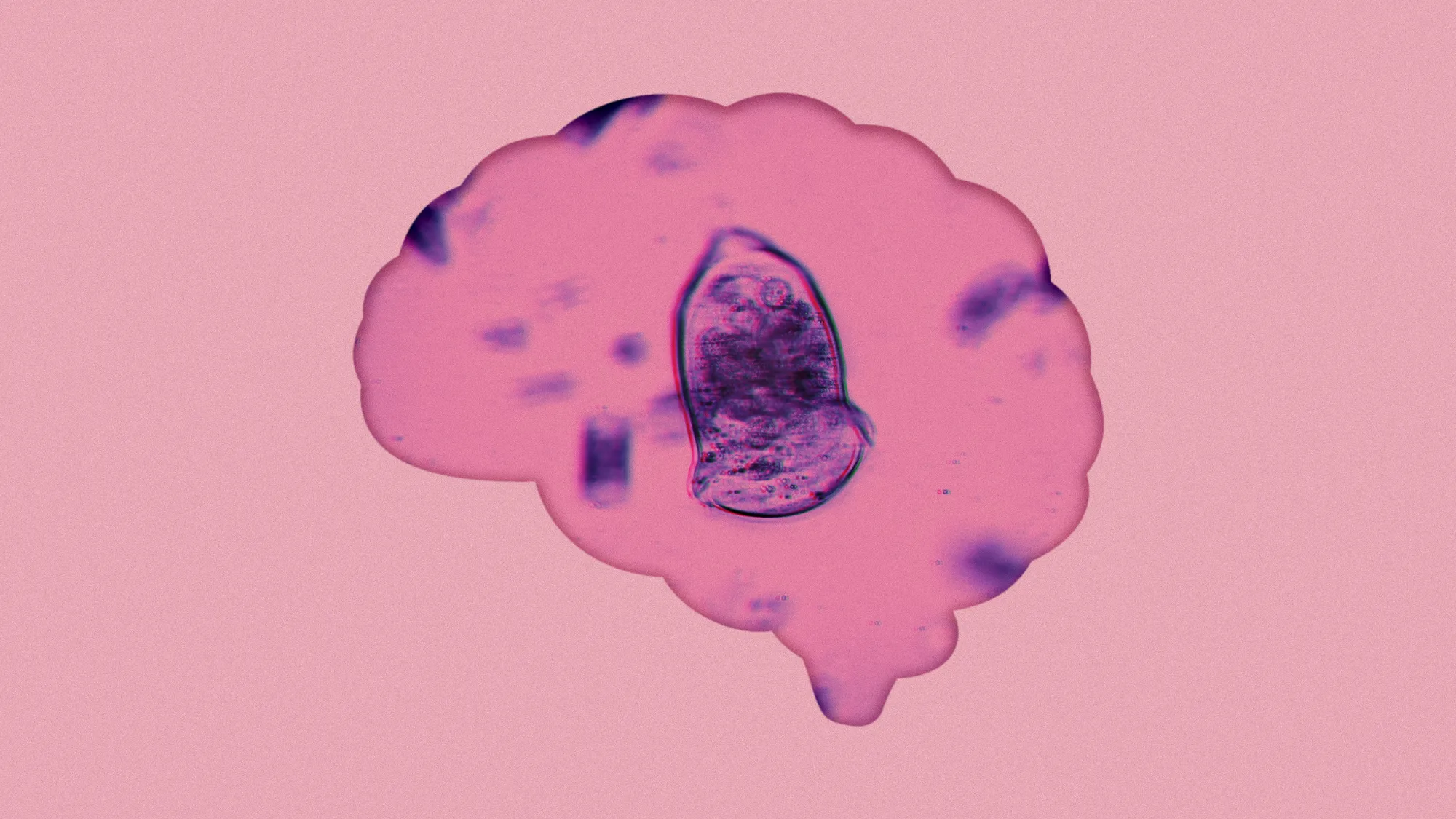
The Naegleria fowleri amoeba can cause a rare but fatal brain infection that progresses quickly and can’t be cured. And it has been found in several recreational locations in the U.S., with the number of cases likely to increase as global temperatures rise.
Scientists tested 185 water samples from 40 recreational waterways across five National Park Service sites, including Yellowstone and Grand Teton, according to a study published in the journal ACS ES&T Water. N. fowleri was found in 34% of the samples, though there have been no cases of infection in these areas so far.
When “contaminated water enters a person’s nose,” the single-celled amoeba can “infect their brain, with a fatality rate of 98%,” said USA Today. The infection, primary amoebic meningoencephalitis, advances quickly, destroying brain tissue and causing massive cerebral swelling, with most people dying “within one to 18 days after symptoms begin.”
The organism is “very widespread and found in many recreational waters, not just national park hot springs,” said study author Brent Peyton, a professor at Montana State University, to Outside. But there’s “no need to be alarmed,” because infection can “easily be prevented by keeping water out of one’s nose.”
Experts suggest people “hold their nose or wear a nose clip if they are jumping or diving into fresh water,” and keep their "head above water in hot springs,” said Fast Company. They should also avoid splashing around in shallow water, as the amoeba is more likely to be found there. |