What happened
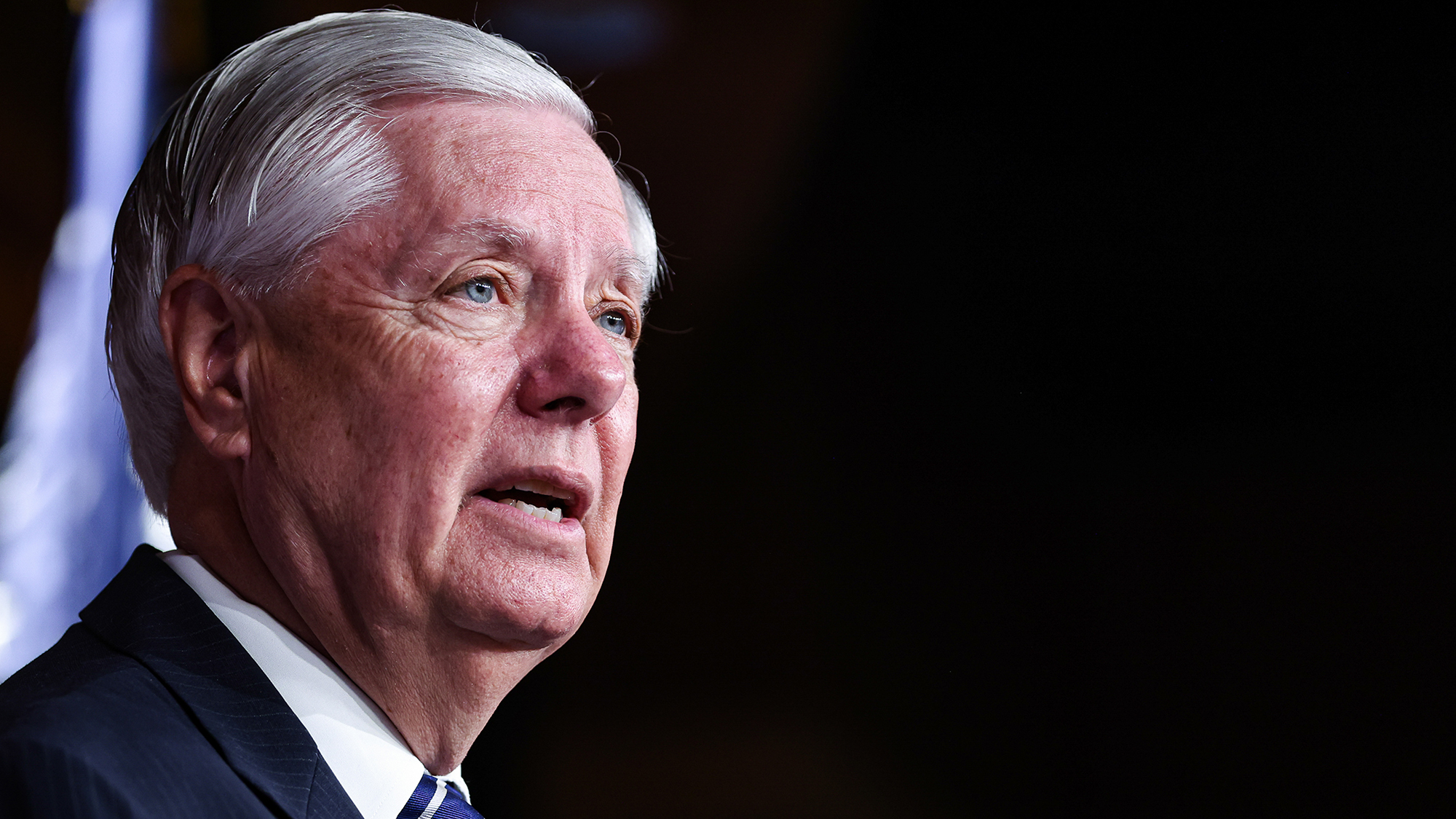
The death of Sen. Lindsey Graham (R-S.C.) on Saturday has triggered uncertainty over the future of his South Carolina seat and created fresh challenges for a party with a narrow Senate majority. Graham died at age 71, following a “brief and sudden illness,” according to his office, with preliminary medical findings indicating a ruptured aorta.
South Carolina Gov. Henry McMaster (R) is expected to appoint a temporary replacement, while the state prepares for a special Republican primary to choose a new candidate for November’s midterm election. The winner will face Democratic nominee Annie Andrews.
Who said what
President Donald Trump said he already had someone in mind as a temporary replacement, “but I don’t want to say it now because it just, you know, it’s too soon with Lindsey.” Graham’s death might not have any “short-term impact on the overall balance of power in the Senate,” CNN said, but he was a “key player on major issues in the chamber.” He would have been an “outspoken advocate for additional defense funding amid the Iran war.”
Without him, the president is deprived of “one of his most effective Capitol Hill operators,” Politico said. And his death leaves Senate Republicans “without one of their strongest links to the White House.”
What next?
The special Republican primary is slated for Aug. 11. South Carolina “leans heavily conservative,” so the next nominee “would have a strong chance of becoming the state’s next senator,” The New York Times said. |