The Week The Week
flag of US
US
flag of UK
UK
https://cdn.mos.cms.futurecdn.net/flexiimages/jacafc5zvs1692883516.jpg

SUBSCRIBE & SAVE

Less than $3 per week

Sign in
  • View Profile
  • Sign out
  • The Explainer
  • The Week Recommends
  • Newsletters
  • Cartoons
  • From the Magazine
  • The Week Junior
  • Student Offers
  • More
    • Politics
    • World News
    • Business
    • Health
    • Science
    • Food & Drink
    • Travel
    • Culture
    • History
    • Personal Finance
    • Puzzles
    • Photos
    • The Blend
    • All Categories
  • Newsletter sign up Newsletter
  • Brand Logo
    ICE killings, parasitic infections and China’s slow growth

     
    TODAY’S IMMIGRATION story

    ICE halts traffic stops after Maine, Texas shootings

    What happened
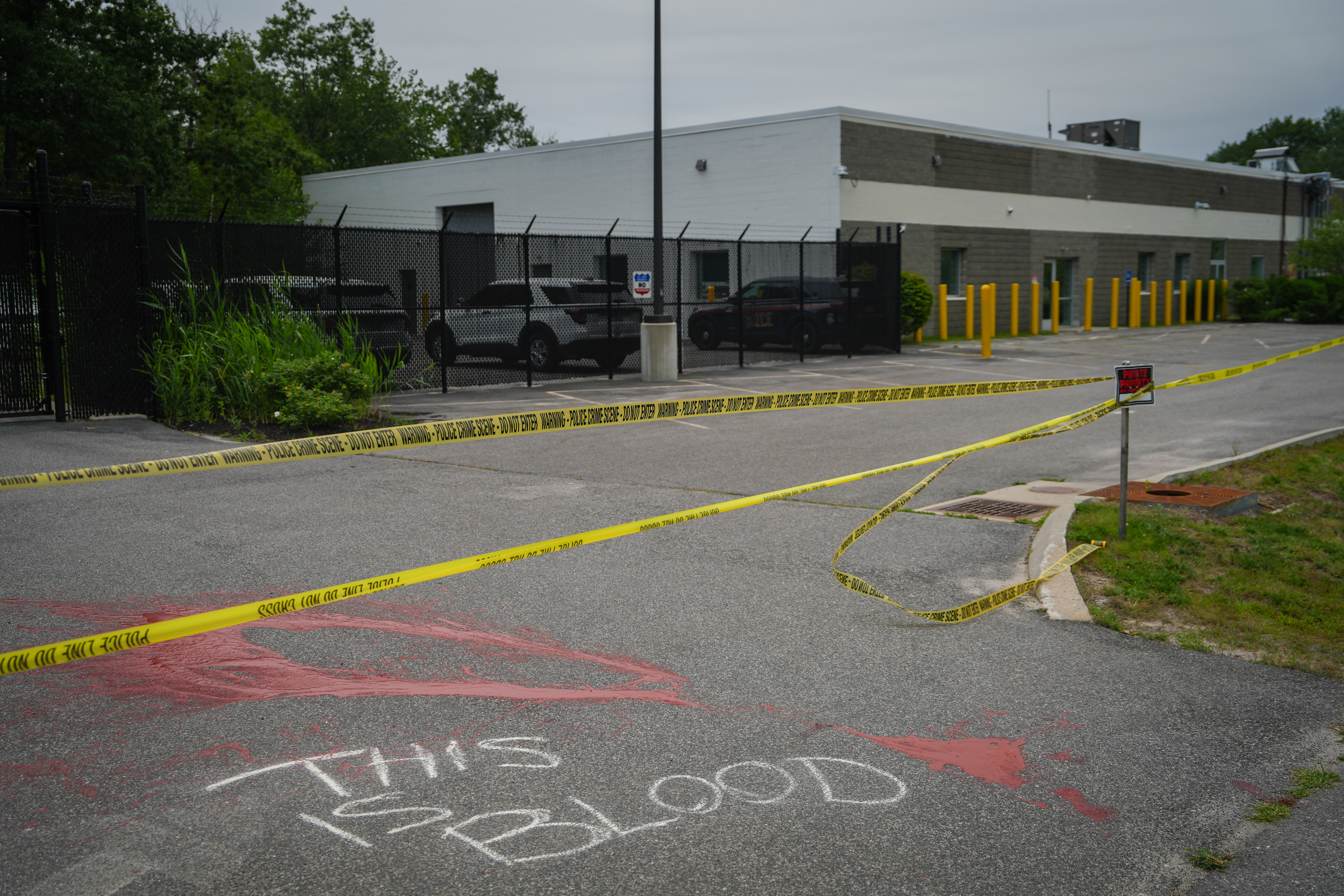
    The Trump administration yesterday ordered Immigration and Customs Enforcement agents to suspend most vehicle stops, after two fatal shootings by federal officers in the past week. The deaths of Johan Sebastian Duran Guerrero in Maine and Lorenzo Salgado ⁠Araujo in Texas “brought to at least seven the number of people shot dead” during ICE enforcement operations since January 2025, Reuters said. An unnamed 28-year-old Mexican national also died yesterday in Florida after being struck by a tractor-trailer while reportedly fleeing ICE agents.

    Who said what
    “In the United States, in 2026, whether someone runs or complies with ICE, death is a very real possible outcome,” Florida Immigrant Coalition spokesperson Adriana Rivera said. Pausing vehicle stops “could hamper the agency’s ability to increase arrests,” said The New York Times, at a time when ICE faces “increasing pressure to deliver on the president’s promise of mass deportations.” The pause applies solely to ICE’s Enforcement and Removal Operations and “not Homeland Security Investigations, which primarily handles criminal investigations,” CBS News said.

    What next?
    The stoppage is expected to be temporary while ERO officers “receive additional training on vehicle-stop tactics,” CBS News said. But officers can still participate in vehicle stops when “working with partner law enforcement agencies” to target “criminal suspects who are the subject of judicial warrants.”


    TODAY’S HEALTH story

    Taco Bell changes menu as parasite outbreak spreads

    What happened
    Health officials are “investigating” whether restaurant chain Taco Bell “played a role” in the ongoing multistate outbreak of cyclosporiasis, The Washington Post said. The foodborne parasitic infection can cause explosive diarrhea and is suspected to have sickened nearly 7,000 people across at least 34 states. 

    Who said what
    Salad greens could be “a potential source for this outbreak,” Michigan’s health department said in a statement. But no “specific food item” has been “confirmed” as the culprit, said the Centers for Disease Control. The public is “largely flying blind” about what foods to avoid, CBS News said. Taco Bell said it has started “voluntarily and temporarily” removing some ingredients from select restaurants “as a precautionary measure.” 

    What next?
    Taco Bell said it will continue to “closely monitor the situation and follow the guidance of public health authorities.”  The CDC is analyzing lab data “to find a signal connecting the cases,” said Gwen Biggerstaff, deputy director of the CDC’s division of foodborne, waterborne and environmental diseases. She added that reports of new cyclosporiasis infections will likely continue through August.  


    TODAY’S international Story

    China reports surprisingly sluggish economic growth

    What happened
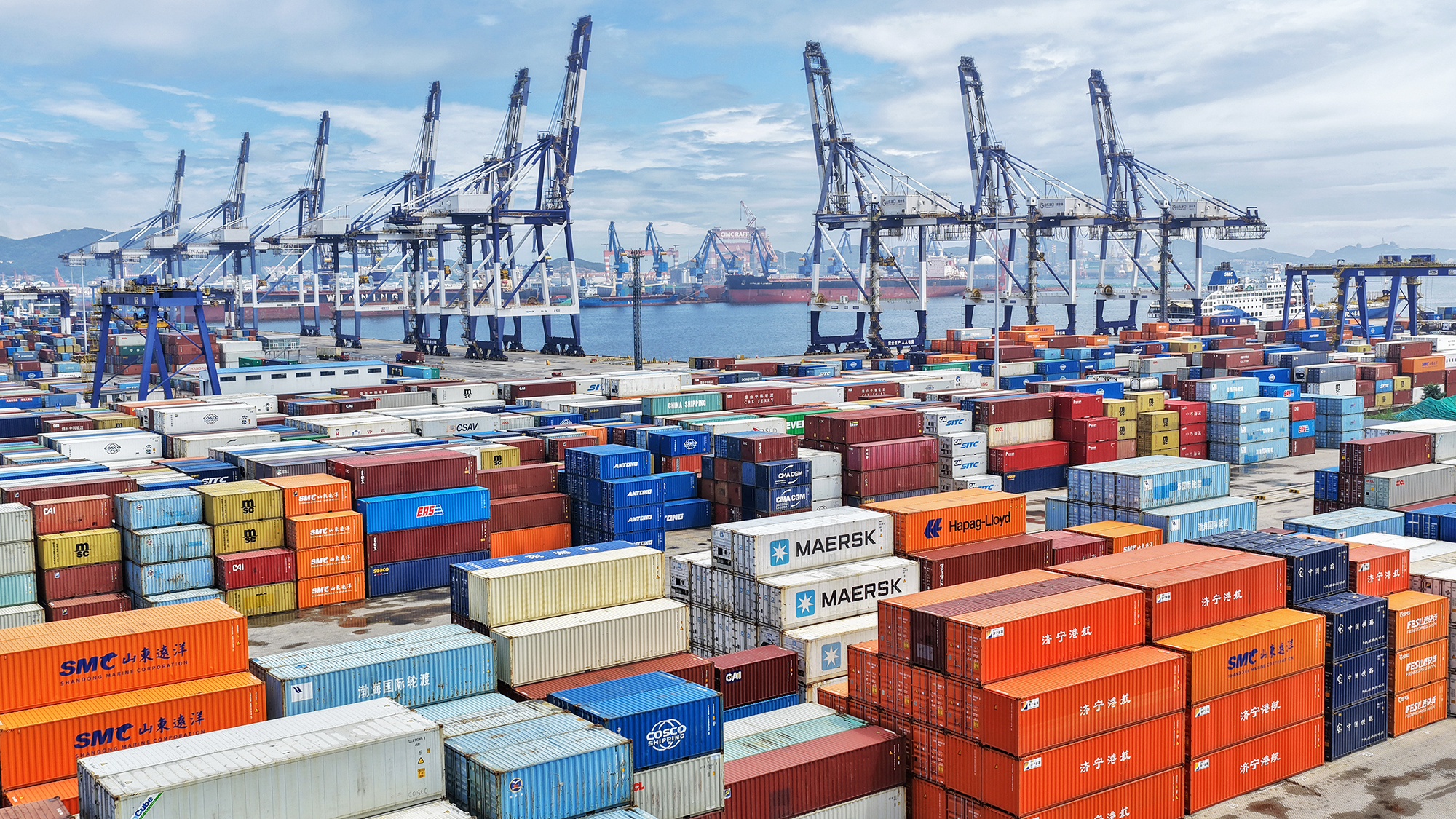
    China yesterday reported “one of its lowest quarterly growth rates in decades,” the Financial Times said. From April to June, the world’s second-largest economy grew just 4.3%, compared to the same period last year — below economists’ projections of 4.5% and down from 5% growth in the first quarter.

    Who said what
    This is a “rare admission of economic weakness for China,” CNN said. Despite “surging exports buoyed by the AI boom,” the country still faces a “weak domestic economy and sluggish consumer spending,” The Wall Street Journal said. “Tensions with trade partners, including the U.S. and the European Union,” also remain, CNBC said. Focusing heavily on exports while domestic demand falters is “really quite unsustainable, to be frank,” said Alicia Garcia-Herrero, an economist with financial firm Natixis. 

    What next?
    Such “disappointing growth” is likely to fuel calls for government stimulus measures, “including a policy rate cut,” CNBC said. The ruling Communist Party’s policymaking body meets later this month and “the extent of the slowdown will likely dominate the agenda,” said Bloomberg.


    It’s not all bad

    Two new tests cleared for use in England and Wales can diagnose endometriosis in weeks, bringing faster relief for patients. Endometriosis, a painful disease in which tissue similar to the uterine lining grows in the pelvis or abdomen, is typically only diagnosed after years of symptoms and laparoscopic surgery. But EndoSure and Endotest detect the condition far more quickly. The EndoSure testing method involves placing sensor pads on the abdomen to measure electrical signals, while Endotest looks for microRNAs in saliva. 


    Under the radar

    In hot water: the global anchovy crisis

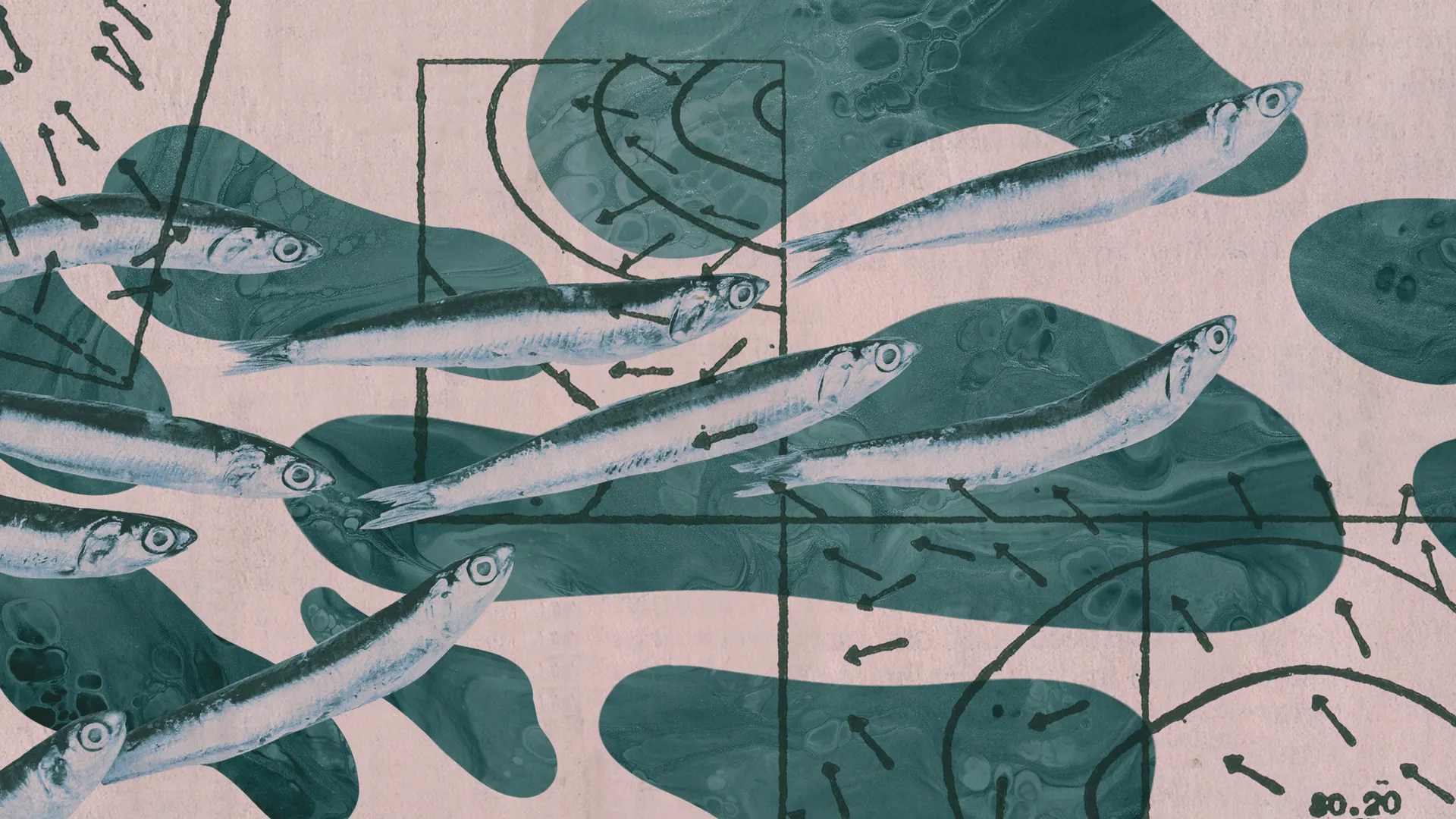
    One of the world’s most important commodities is suffering a “huge disruption” in supply, said Javier Blas at Bloomberg — the “humble anchovy.” The tiny fish may sound “utterly mundane,” but it’s at the “bottom of a crucial chain.”

    Anchovies are the main ingredient in fishmeal, which is used to feed farmed seafood like salmon and prawns. They are a “critical part” of the global food supply chain, said food economist Mike von Massow at Global News. About two-thirds of the fish and seafood we consume is farmed using fishmeal. 

    But a drop in the catch has caused global fishmeal production to plummet by an estimated 40% in a year. Prices are now up 80% since last year to an “all-time high,” said Blas, threatening a knock-on effect on the global aquaculture industry and food prices. The culprit is this year’s El Niño.

    Most tinned anchovies come from Mediterranean fisheries. But fishmeal is primarily made with the South American species, anchoveta. Peru is the “Saudi Arabia of anchovies,” said Blas. Combined with Ecuador and Chile, the catch there accounts for nearly a third of the world’s fishmeal production.

    Around Peru, the “unusually warm waters” in the Pacific, linked to El Niño, have dramatically reduced the anchovy population, said The Times. The weather pattern “reduces the nutrient-rich upwellings on which the fish depend.”

    The “anchovy crisis” is a reminder of the “surprising ways in which the world is wired today,” where weather in Peru can increase fish costs in European supermarkets, said Blas. It’s also a “warning sign that El Niño will have significant impacts on global food prices — far greater than those from the war in Iran.”


    On this day

    July 15, 1799

    A French soldier discovered the Rosetta Stone tablet in the Egyptian city of Rashid, providing groundbreaking clues into ancient hieroglyphics. While the original Rosetta Stone remains earthbound, scientists recently discovered an "interstellar Rosetta Stone" transmitting radio waves from a white dwarf star, which could provide information on star lifecycles.


    TODAY’S newspaperS

    ‘Theories swirl’

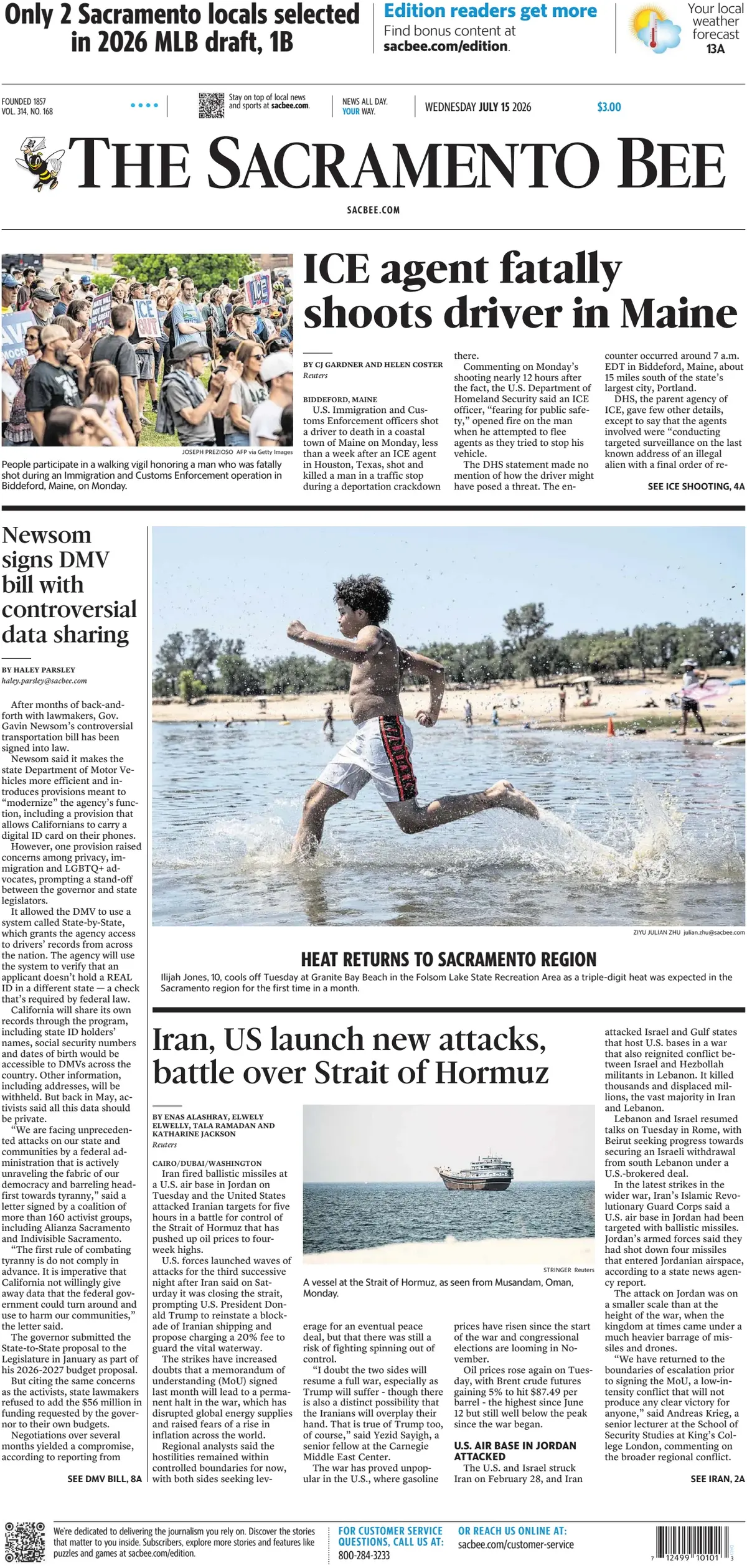
    “Theories swirl after Graham’s death,” The Washington Post says on Wednesday’s front page. “ICE agent fatally shoots driver in Maine,” says The Sacramento Bee. “Inflation falls, but Iran war risks relapse” as oil prices “set to climb,” The New York Times says. “Trump shifts course on plan for Hormuz,” says The Columbus Dispatch. “Not cool,” says the Chicago Sun-Times, as “heat wave brings near record” temperatures.

    ► See the newspaper front pages


    Tall tale

    Autonomous arrest

    Two 15-year-olds were detained after Waymo alerted law enforcement and reported the teens were drinking and shooting water beads while in one of its self-driving cars. Waymo forced the car to pull over to a parking lot in San Mateo, California, where police officers searched the vehicle. The company did not say how it learned about the wild ride, but it does have cameras inside vehicles to help in case of an emergency.


    Morning Report was written and edited by Nadia Croes, Catherine Garcia, Jessica Hullinger, Justin Klawans, Harriet Marsden, Chas Newkey-Burden, Rafi Schwartz, Helen Brown and Kari Wilkin, with illustrations by Stephen Kelly and Julia Wytrazek.

    Image credits, from top: Ryan Murphy / Getty Images; Mario Tama / Getty Images; CFOTO / Future Publishing / Getty Images; Illustration by Julia Wytrazek / Getty Images
     

    Recent editions

    • Evening Review

      A growing geopolitical alliance

    • Morning Report

      Trump’s tax immunity in question

    • Evening Review

      A death spiral for Obamacare

    VIEW ALL
    TheWeek
    • About Us
    • Contact Future's experts
    • Terms and Conditions
    • Privacy Policy
    • Cookie Policy
    • Advertise With Us
    • FAQ
    Add as a preferred source on Google Add as a preferred source on Google

    The Week is part of Future US Inc, an international media group and leading digital publisher. Visit our corporate site.

    © Future US, Inc. Full 7th Floor, 130 West 42nd Street, New York, NY 10036.