The Week The Week
flag of US
US
flag of UK
UK
https://cdn.mos.cms.futurecdn.net/flexiimages/jacafc5zvs1692883516.jpg

SUBSCRIBE & SAVE

Less than $3 per week

Sign in
  • View Profile
  • Sign out
  • The Explainer
  • The Week Recommends
  • Newsletters
  • Cartoons
  • From the Magazine
  • The Week Junior
  • Student Offers
  • More
    • Politics
    • World News
    • Business
    • Health
    • Science
    • Food & Drink
    • Travel
    • Culture
    • History
    • Personal Finance
    • Puzzles
    • Photos
    • The Blend
    • All Categories
  • Newsletter sign up Newsletter
  • Brand Logo
    Meta settlement, Himalayan disaster and cancer pill approval

     
    TODAY’S SOCIAL MEDIA story

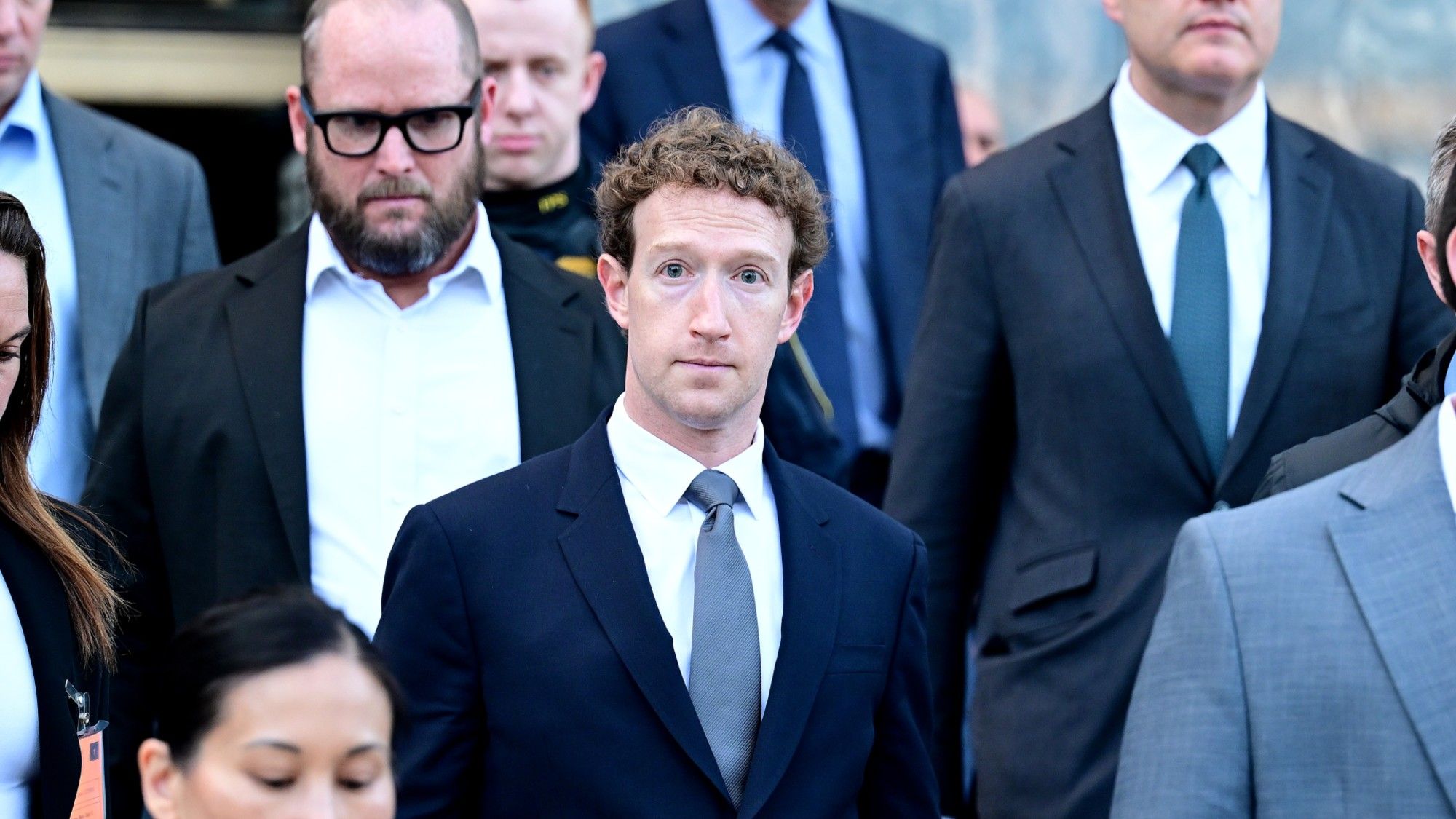
    Meta to pay $18B, make teen safety changes in states deal

    What happened
    Social media giant Meta yesterday agreed to pay up to $17.1 billion and implement new safeguards for underage Instagram and Facebook users as part of a landmark settlement with 47 states and other U.S. jurisdictions. Meta also reached a $1 billion settlement with Texas over similar allegations that it endangered children by designing its platforms to be addictive, like cigarettes. 

    Meta agreed to limit users under 18 to two hours a day on its combined platforms, lock them out from midnight to 6 a.m., block “beauty filters,” hide “likes” and improve age verification tools. A federal judge in California approved the settlement yesterday evening.

    Who said what
    Meta’s “dramatic capitulation” could “signal an inflection point for a social media industry that has largely escaped regulatory scrutiny over the harms its products have caused children,” The New York Times said. It also “effectively ends a bellwether federal trial” underway in California in which four states were seeking roughly $200 billion from Meta. 

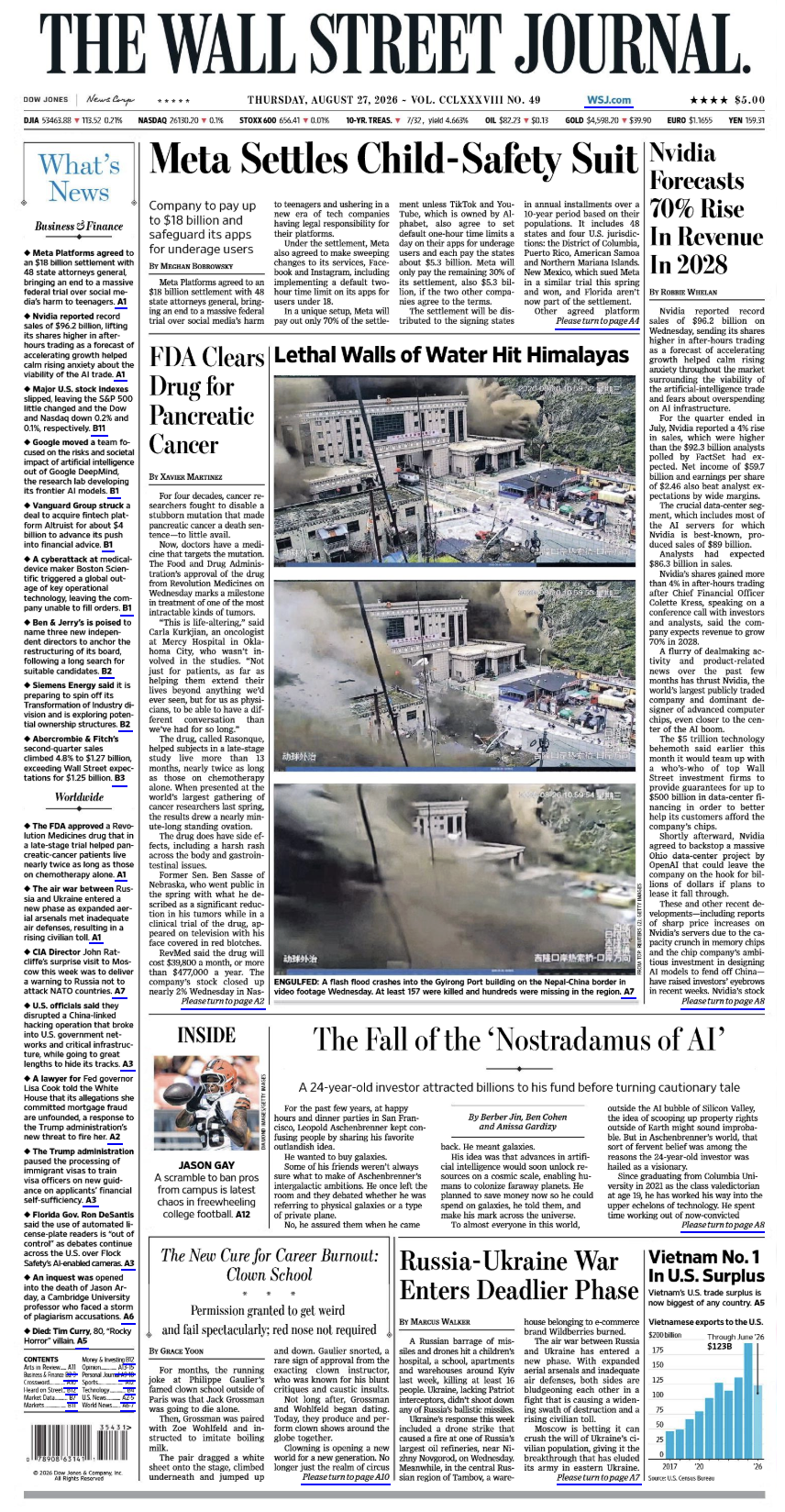
    “In a unique setup,” The Wall Street Journal said, “Meta will pay out only 70% of the settlement,” withholding $5.3 billion, unless YouTube, TikTok and Snapchat agree to also pay the states $5.3 billion and join it in implementing stricter one-hour daily limits for underage users. “This framework will only work if all our peers join us,” Meta chief legal officer C.J. Mahoney said in a blog post.

    What next?
    The $18 billion settlement, representing “about one month of revenue for Meta,” will be paid out over 10 years, Reuters said. “It could provide a template for resolving thousands of other lawsuits against social media companies.” 


    TODAY’S NATURAL DISASTER story

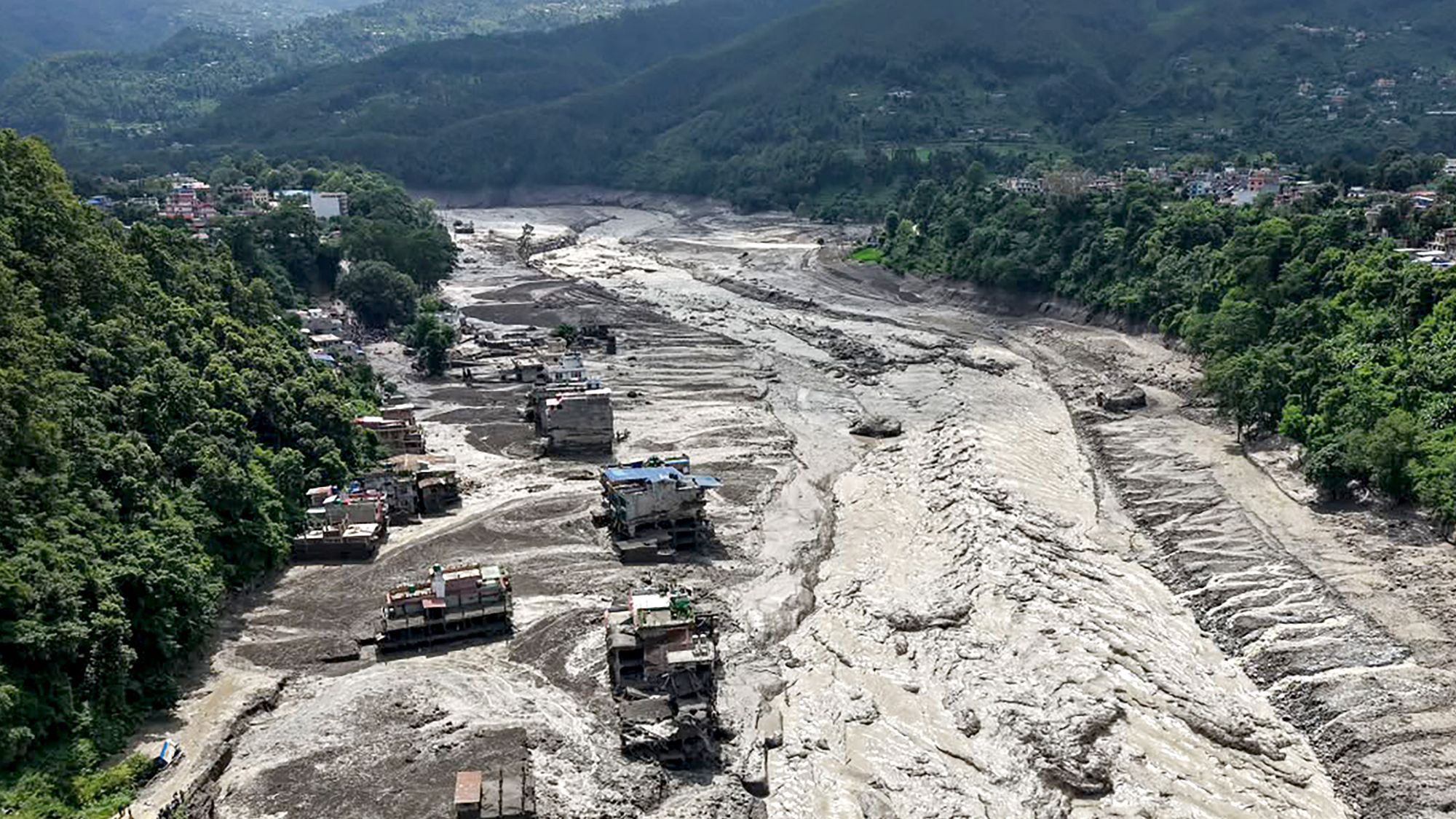
    Nepal-Tibet flash floods kill 273, hundreds missing

    What happened
    A catastrophic mix of floodwater and mud crashed through Himalayan valleys in Nepal and China-administered Tibet yesterday, killing at least 273 people, officials said this morning. More than 1,300 people were reported missing, including 517 foreigners in Nepal and 260 foreigners in Tibet. The death toll is expected to rise as rescue teams reach areas cut off by washed-away roads and bridges and buried under up to 6 feet of mud. 

    Who said what
    “There are no human-made things, no human settlement left,” Sagar Pandey, CEO of a tourism operator that serves Hindu and Buddhist pilgrims who flock to the area, told Reuters. “Everything is just flat.” 

    Scientists around the world are “trying to solve the mystery of what caused such a destructive flood,” The Wall Street Journal said. The “leading hypothesis” is that a “large piece of a glacier broke off and tumbled hundreds of feet into the valley below, where the ice was pulverized into water by the sheer velocity of the fall.” The impact of the “enormous chunk of ice — possibly a half-mile wide,” The New York Times said, registered as the “equivalent of a 5.2-magnitude earthquake and crushed the ice into a fast-moving mix of water, ice and rock that pulverized everything in its path.”

    What next?
    Searchers are using helicopters to seek out survivors and drop supplies to hard-hit areas.


    TODAY’S HEALTH Story

    FDA approves landmark pancreatic cancer drug

    What happened
    The Food and Drug Administration yesterday approved a first-of-its-kind drug for advanced pancreatic cancer, one of the deadliest forms of the disease and among the hardest to treat. The FDA’s expedited approval of daraxonrasib, a daily pill developed by Revolution Medicines and sold as Rasonque, followed a clinical trial in which patients on the drug lived a median 13.2 months, twice as long as those who underwent chemotherapy, and with fewer side effects. “Some patients who have gotten the drug through clinical trials have lived for years,” The New York Times said

    Who said what
    Daraxonrasib has “electrified cancer specialists and patients,” the Times said. It’s “not a cure, but it is the first treatment to substantially extend the lives of patients” with a disease long considered among “the most hopeless in medicine.” Nearly all pancreatic tumors are fueled by a mutated cellular protein, KRAS, that’s stubbornly resistant to interventions. Daraxonrasib “uses what’s essentially a molecular glue to bind with multiple KRAS subtypes” and shut them down, The Associated Press said. Revolution is “studying its technology for several other forms of cancer, including lung cancer.” 

    What next?
    Revolution said Rasonque is “now available in the United States at $39,800 for a 30-day ​supply,” Reuters said. The “vast majority of the cost is expected to be covered through insurance,” the Times said.


    It’s not all bad

    Volunteers are driving Mobile Culture Buses around rural areas of Syria to bring books and art to children who can’t visit a library. The buses go where schools and community centers were destroyed during the war. “Our thinking was simple: If they cannot go to culture, we must bring culture to them,” said project director Mohammad Murad to Positive News. Buses stay in one spot for several hours, with volunteers putting on puppet shows, reading stories and distributing art supplies.


    Under the radar

    Bangladesh’s long battle against ‘yaba’ pills

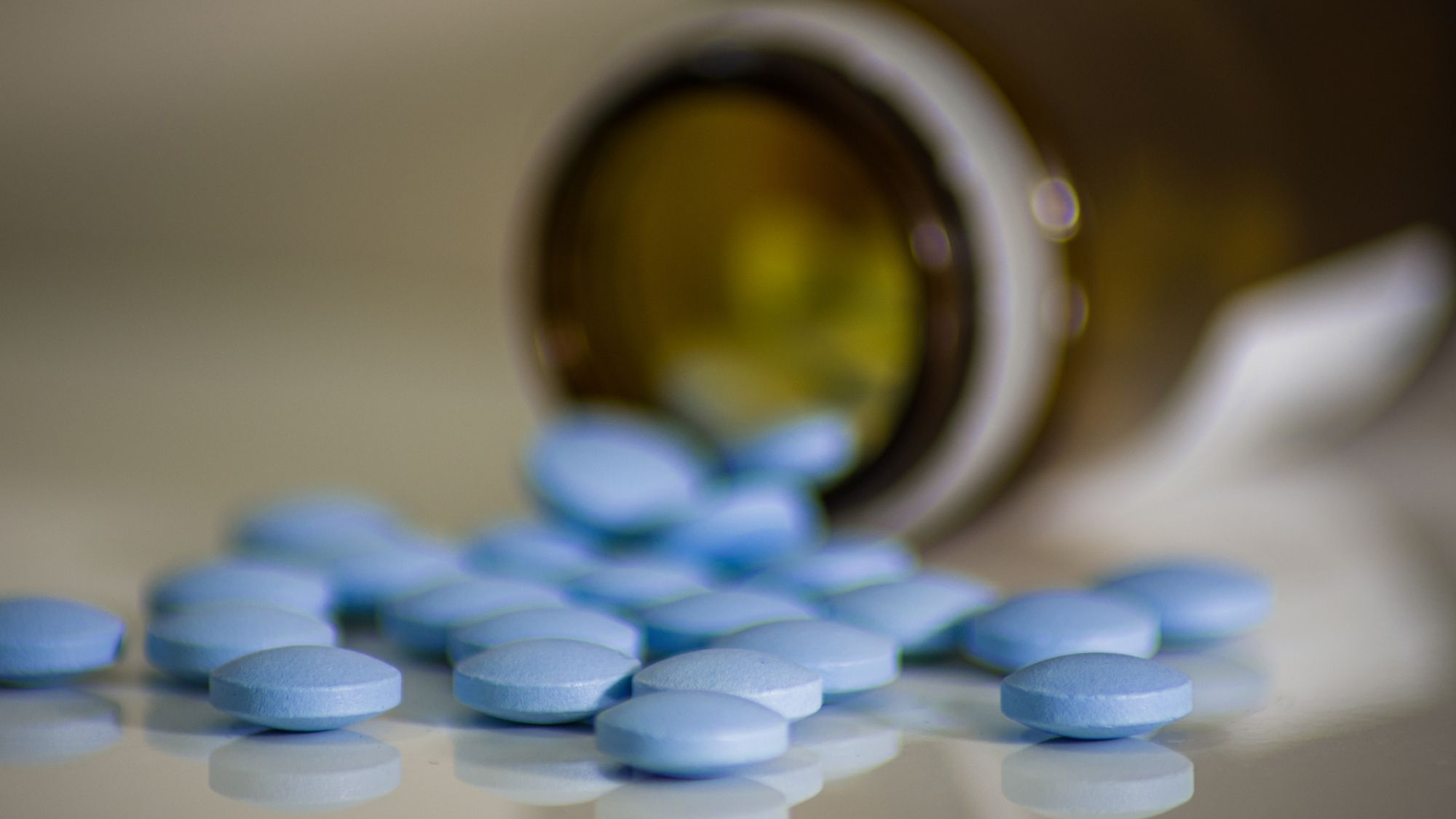
    A powerful, highly addictive stimulant is wreaking havoc in Bangladesh. Authorities have struggled to crack down on yaba (“crazy pill” in Thai), also known as Nazi speed. Their efforts are bearing some fruit, but tackling the widespread use of the drug, and the ensuing addiction crisis, remains an uphill battle.

    Yaba contains a methamphetamine, and users generally crush and smoke the pills, or swallow them whole. The drug increases alertness and energy and raises heart rate and blood pressure. Heavy use can lead to paranoia, psychosis, seizures, cardiovascular problems and even death.

    Yaba is “pushing thousands into addiction” in Bangladesh, said The Telegraph. The tablets, which blend the methamphetamine with caffeine and other adulterants, are particularly common in South and Southeast Asia.

    Bangladesh has become a leading destination and market for yaba because of its geographic proximity to Myanmar, where production is particularly concentrated. Rebel militias there are increasingly using yaba and crystal meth as “partial payment for smuggled Bangladeshi goods,” said Dhaka’s The Daily Star.

    Since 2006, yaba has been a common escape for the poor from the realities of the “daily drudgery that makes life so hard for so many of Bangladesh’s 178 million people,” said The Telegraph. So there’s “little to dull the allure” of the drug.

    Bangladeshi officials have been fighting for years to stamp out the yaba trade. However, drug lords are still able to “churn out” millions of the pills at a “relentless” pace from camps in the jungle borderlands of Myanmar, said The Telegraph.


    On this day

    August 27, 2008

    Barack Obama was officially nominated for president by the Democratic Party, making him the first Black presidential nominee of either party. He went on to win the general election and was reelected in 2012. Kamala Harris became the second Black nominee for president in 2024, losing to Donald Trump.


    TODAY’S newspaperS

    ‘Growing defiance’

    “Judge lifts mail ballot voting order hurdle,” says the Chicago Tribune on Thursday’s front page. “States sue USPS over its ballot rules,” says the Los Angeles Times. “Jailed ICE agent can be freed, judge says,” so “could be released in Texas before extradition,” The Minnesota Star Tribune says. “Growing defiance of Trump flips the script at home and abroad,” The New York Times says. “U.S. arms shortage alarms partners,” The Washington Post says. “Russia-Ukraine war enters deadlier phase,” says The Wall Street Journal. Between “Canada, Iran, beef plans,” says USA Today, “Trump’s actions may hit wallets.”

    ► See the newspaper front pages


    Tall tale

    Big Burger’s watching you

    Wired’s Reece Rogers used a freedom of information request to see what data his McDonald’s app had gathered. The 515-page report he got back included details on his transactions and predicted how often he would visit in the next six weeks and how much he’d likely spend. McDonald’s “tracked a large Diet Coke as my favorite item,” Rogers wrote, adding that some of his colleagues refer to the fast-food app as a “‘Minority Report’-style dossier to predict my next snack wrap purchase.”


    Morning Report was written and edited by Helen Brown, Nadia Croes, Catherine Garcia, Scott Hocker, Anya Jaremko-Greenwold, Justin Klawans, Chas Newkey-Burden, Rafi Schwartz and Peter Weber, with illustrations by Stephen Kelly and Julia Wytrazek.

    Image credits, from top: Wally Skalij / Getty Images; Prabin Ranabhat / AFP via Getty Images; Vlad Vulturar / iStock / Getty Images Plus; Illustration by Julia Wytrazek / Getty Images
     

    Recent editions

    • Evening Review

      Trump’s crypto bank

    • Morning Report

      Canada strikes back

    • Evening Review

      Democrats reckon with ‘Woke 1.0’

    VIEW ALL
    TheWeek
    • About Us
    • Contact Future's experts
    • Terms and Conditions
    • Privacy Policy
    • Cookie Policy
    • Advertise With Us
    • FAQ
    Add as a preferred source on Google Add as a preferred source on Google

    The Week is part of Future US Inc, an international media group and leading digital publisher. Visit our corporate site.

    © Future US, Inc. Full 7th Floor, 130 West 42nd Street, New York, NY 10036.