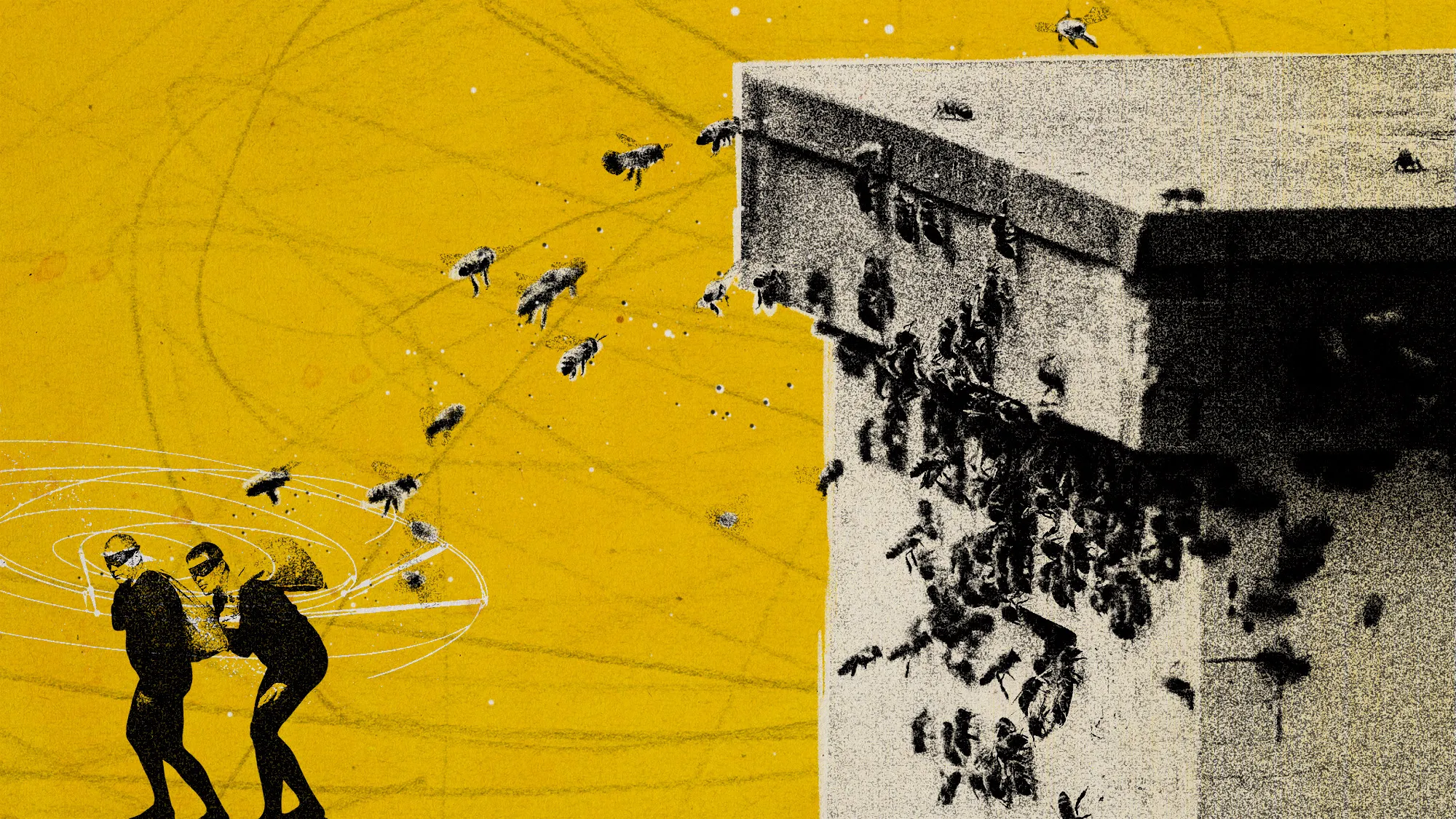
Beekeepers in Australia are “abuzz” about a “series of stunning heists” and the disappearance of 800,000 bees, said Smithsonian magazine. The loss of the insects — worth tens of thousands of dollars to members of the “apiary community” in and around Queensland — has “sparked concerns” for regional food production and comes at a tricky time for the sector.
The thefts occurred across multiple properties and required a sophisticated operation, with the thieves taking the entire brood boxes, the “colony’s breeding system,” to avoid detection, said Smithsonian. The culprit is thought to be from a “commercial operation” rather than a “hobby farmer,” a police detective told Australian broadcaster ABC.
The robbed apiarists don’t just lose the insects and honey they would have produced, but also the value of pollination contracts, which can be worth thousands of dollars. Avocado farms in Queensland use many bees to pollinate the crops, so the thefts could have a knock-on effect for other food production.
To compound the impact of lost revenue and the “difficulty of recovering stolen populations,” a bee-killing parasite, the varroa mite, has recently been detected in the region, said Smithsonian. In 2022, Australia became the last inhabited continent on which varroa was detected, and just over a year later, the parasite had become “so widespread” that the government “abandoned its eradication efforts” after it had spent more than $70 million to stop the mite’s spread. That decision has “shifted additional expenses and burdens onto apiarists.” |