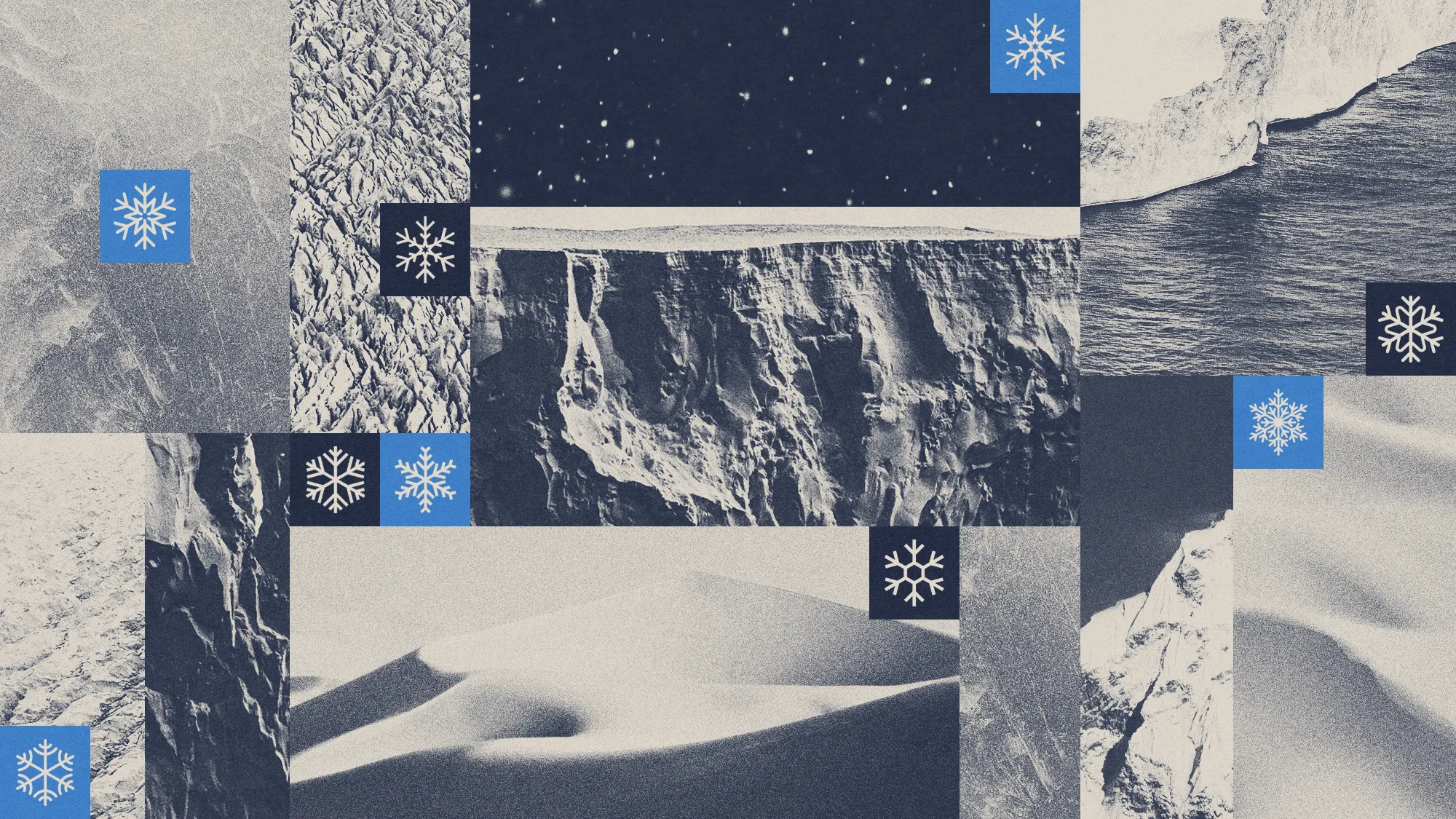
Earth has had five major ice ages in its geographic history — and we should be experiencing another one right now, according to Columbia University scientists. But global carbon emissions appear to have stopped the Earth’s glaciation, and researchers are unsure if it will ever return.
About 2,000 years ago, the Barnes Ice Cap, covering part of Canada’s Baffin Island, began growing. This marked the beginning of an ice age — which generally lasts millions of years — but in the 1960s, the expansion started reversing course, according to a study published in the journal Science. “Everything was normal, the next glaciation was about to happen,” study author Nicolás Young said in a news release. “And yet it stopped.”
The ice cap’s retreat coincided with rising summer temperatures driven by human-caused climate change. Reconstructing the history of the Barnes Ice Cap, researchers found that the Earth’s climate had “warmed enough” that the glacier “lost more ice in the summer than it added in winter,” Columbia said in the release. The ice cap’s edges have “retreated an average of 4 meters [13 feet] per year since the 1980s,” which “coincides with a period of rapidly increasing carbon emissions” that’s causing “ice to go into retreat worldwide,” said Wired.
Avoiding an ice age may seem like a good development, but it’s also a disruption. These findings are a “powerful example of how we have jolted the system,” said Young. Climate models suggest the Barnes Ice Cap will likely be gone entirely in the future. And when it is, “what has been an extremely natural and predictable phenomenon is now gone.” |