States put to death 47 people last year, double the recent norm. What’s behind the rise?
How common is execution?
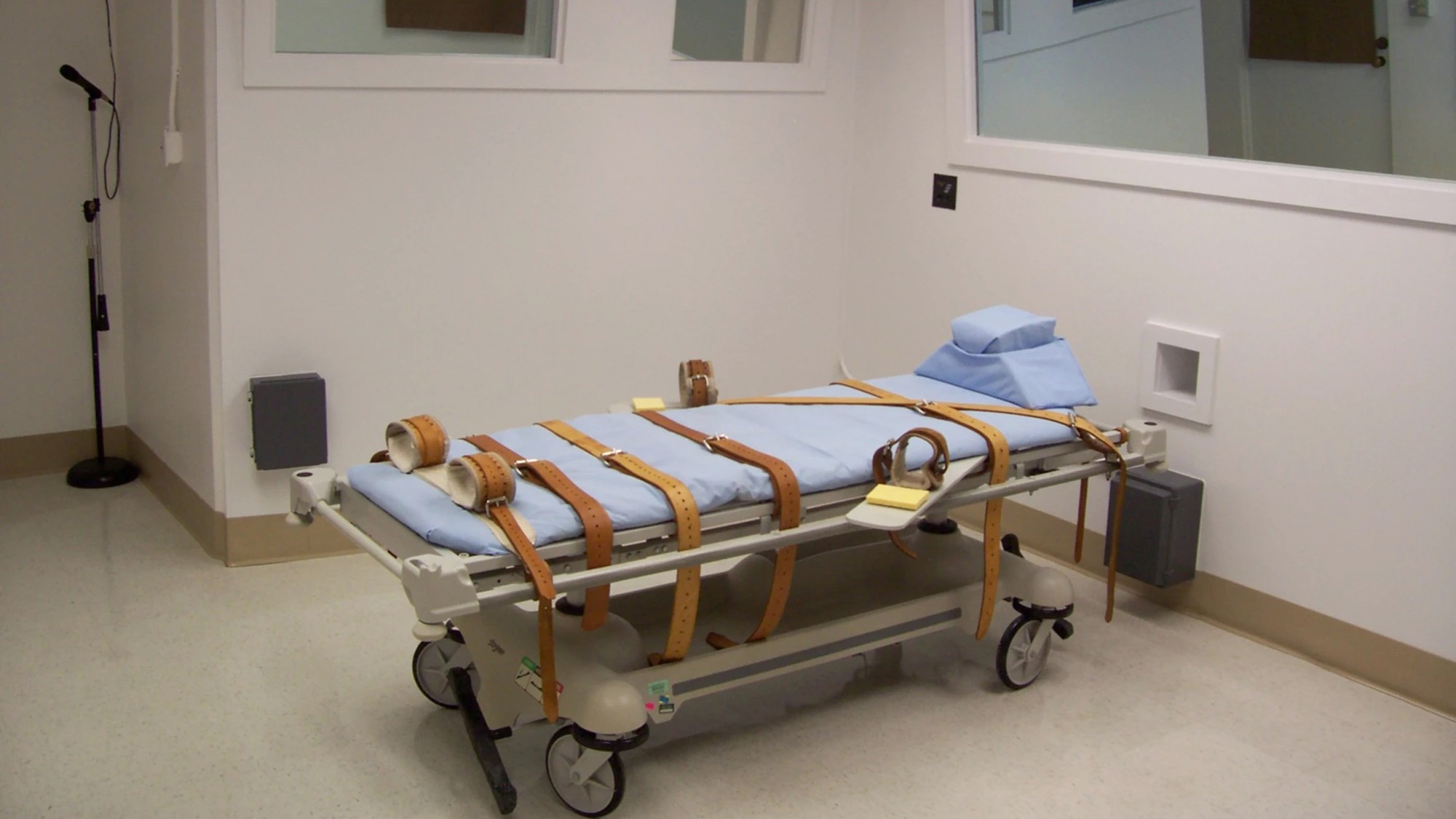
It has varied over the decades, as public opinion sways for and against it. Hangings were frequent in colonial times, but by the mid-1800s some states had abolished the death penalty altogether. In 1972, the Supreme Court ruled that Georgia’s death penalty as then applied was arbitrary and discriminatory, forcing all states to rewrite their laws and beef up their systems to provide for death row defense lawyers. Executions then resumed in 1977, when double murderer Gary Gilmore was put to death by firing squad. A steady rise in state-level executions followed, reaching a peak of 98 in 1999 and then declining again. In recent years, the number of states abolishing the death penalty has grown, yet executions have surged in a handful of the 27 states where it remains legal. Last year, 11 states carried out 47 executions, the most since 2009. At the federal level, President Trump broke a 17-year moratorium in the final months of his first term, when he approved 13 executions in rapid succession. “We owe it to the victims and their families,” said then-attorney general Bill Barr, “to carry forward the sentence imposed by our justice system.”
Why did Trump bring it back?
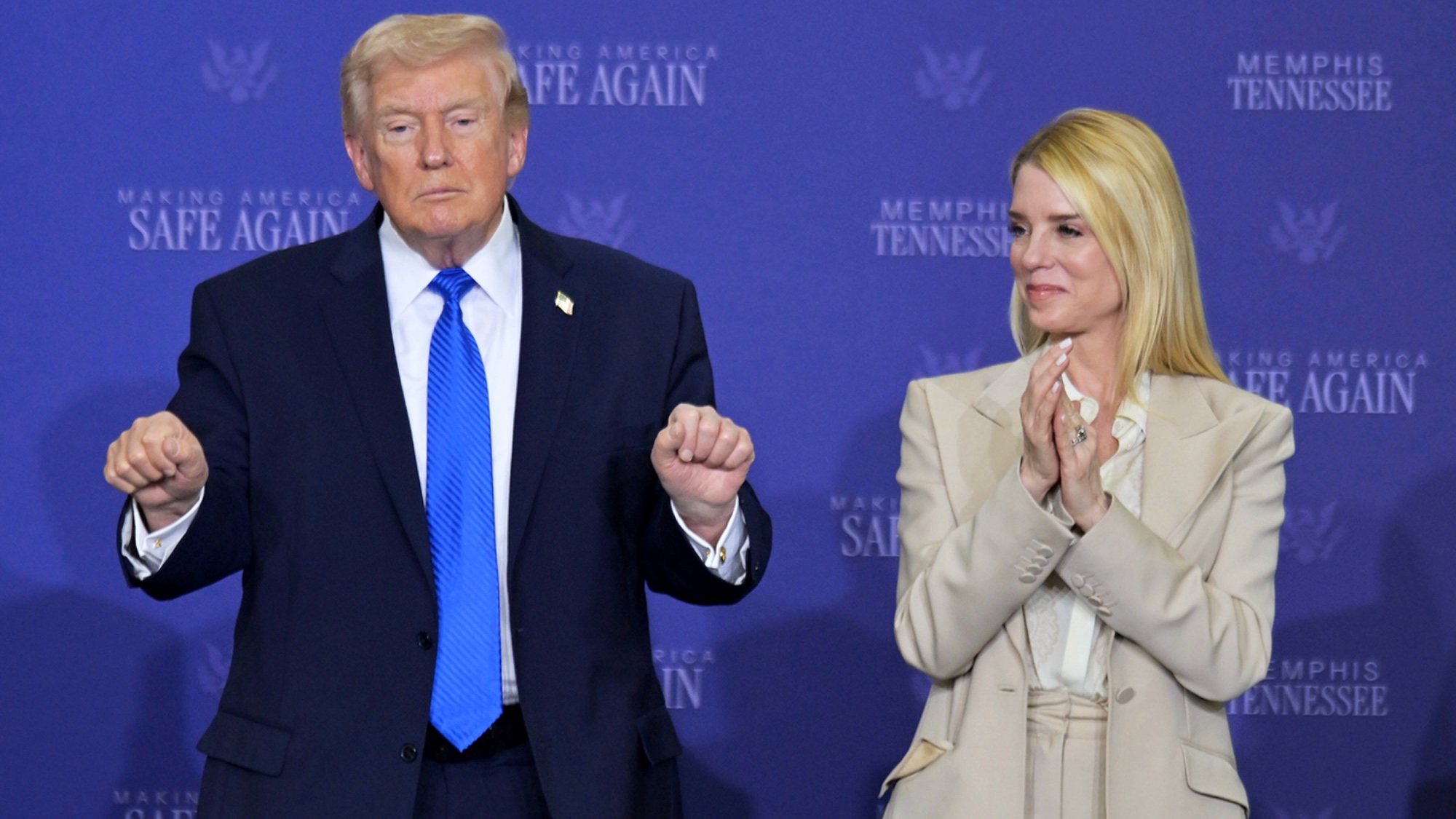
He’s always been in favor of the ultimate punishment. In 1989, long before he entered politics, Trump bought full-page newspaper ads calling for New York to “bring back the death penalty” after five Black and Latino teenagers—all of whom were later exonerated—were arrested on suspicion of raping a woman in Central Park. During his 2024 presidential campaign, he promised to “vigorously pursue the death penalty to protect American families and children from violent rapists, murderers, and monsters.” Last year, he instructed the Justice Department to pursue federal death sentences when possible and to assist states in carrying out executions. After Iryna Zarutska, a 23-year-old Ukrainian refugee, was stabbed to death on public transit in Charlotte last August, Trump called for her killer to be quickly sentenced to death. “There can be no other option,” he said.
How have states responded?
North Carolina, which has not carried out an execution since 2006, swiftly passed what legislators called “Iryna’s Law,” expediting the execution process and broadening available execution methods. Ron DeSantis, Florida’s Republican governor, has been in “lockstep” with Trump’s pro-death-penalty agenda, said Maria DeLiberato of Floridians for Alternatives to the Death Penalty. Last year, Florida overtook Texas in carrying out the most executions, accounting for 19 of the 47 state-level executions in 2025. So far this year, Florida has executed four death row inmates; a fifth is scheduled for execution later this month.
Is Florida an outlier?
Pretty much. Upset after three jurors voted to spare the life of the Parkland school shooter, who had killed 17 people in 2018, state legislators passed a new law requiring only eight of 12 jurors to authorize a death sentence. That’s the lowest bar for execution of any state. Florida also passed the TRUMP Act, which mandates a death sentence for undocumented immigrants who commit capital crimes. Yet outside of Florida, the death penalty has been “losing its legitimacy,” says the American Civil Liberties Union’s Cassandra Stubbs. Last year, juries returned 23 death sentences nationwide; 30 years ago, the figure was over 300. While capital punishment is practiced by fewer jurisdictions, those that do it use it often. Just 2% of U.S. counties, most of them in the Southeast, account for 60% of America’s death row inmates.
What do Americans believe?
Public opinion is currently split, but support for capital punishment is waning. Some 52% of American adults back the death penalty for convicted murderers, according to a 2025 Gallup poll, down from 80% in 1994. But younger Americans are markedly less supportive than older ones, and the share of adults who believe the death penalty is applied unfairly has risen steadily and is now also right around 50%. Kirk Bloodsworth, a former death row inmate exonerated by DNA evidence in 1993, told National Geographic that people often rethink their stance on criminal penalties when they learn “how easy it is” to be convicted of a crime you didn’t commit. Still, pro-execution sentiment remains strong for particularly heinous crimes with clear perpetrators. “How much worse would the crime have to be to warrant the death penalty?” said Annika Dworet, whose son Nicholas was killed in the Parkland shooting at age 17.
Why is support declining?
Because faith in the system is, too. More than 200 death row inmates have been exonerated since 1973, thanks to DNA analysis and other investigative advancements. Blacks and Latinos make up 34% of the U.S. population but account for 53% of death row, which suggests there is racial bias in sentencing. The cost of maintaining death row prisoners and a number of botched executions in recent years—lethal injections or gas administrations that take far too long to work, for example—have also undermined confidence. Meanwhile, the U.S. rate of homicide, the crime most likely to engender a death sentence, is at its lowest level in at least 125 years, according to the Council on Criminal Justice, a nonpartisan think tank. And despite the upsurge in executions in a few jurisdictions, juries across the U.S. are returning fewer new death sentences. “Today’s death sentences are tomorrow’s executions,” says Corinna Barrett Lain of the University of Richmond School of Law. “If you don’t have new death sentences feeding the machinery of death, the death penalty will die on the vine.”