The Week The Week
flag of US
US
flag of UK
UK
https://cdn.mos.cms.futurecdn.net/flexiimages/jacafc5zvs1692883516.jpg

SUBSCRIBE & SAVE

Less than $3 per week

Sign in
  • View Profile
  • Sign out
  • The Explainer
  • The Week Recommends
  • Newsletters
  • Cartoons
  • From the Magazine
  • The Week Junior
  • Student Offers
  • More
    • Politics
    • World News
    • Business
    • Health
    • Science
    • Food & Drink
    • Travel
    • Culture
    • History
    • Personal Finance
    • Puzzles
    • Photos
    • The Blend
    • All Categories
  • Newsletter sign up Newsletter
  • The Week’s Saturday Wrap
    A potential change in congressional culture, the new danger from ticks, and the FBI’s leadership problem

     
    controversy of the week

    Congress: A new era of accountability after Swalwell?

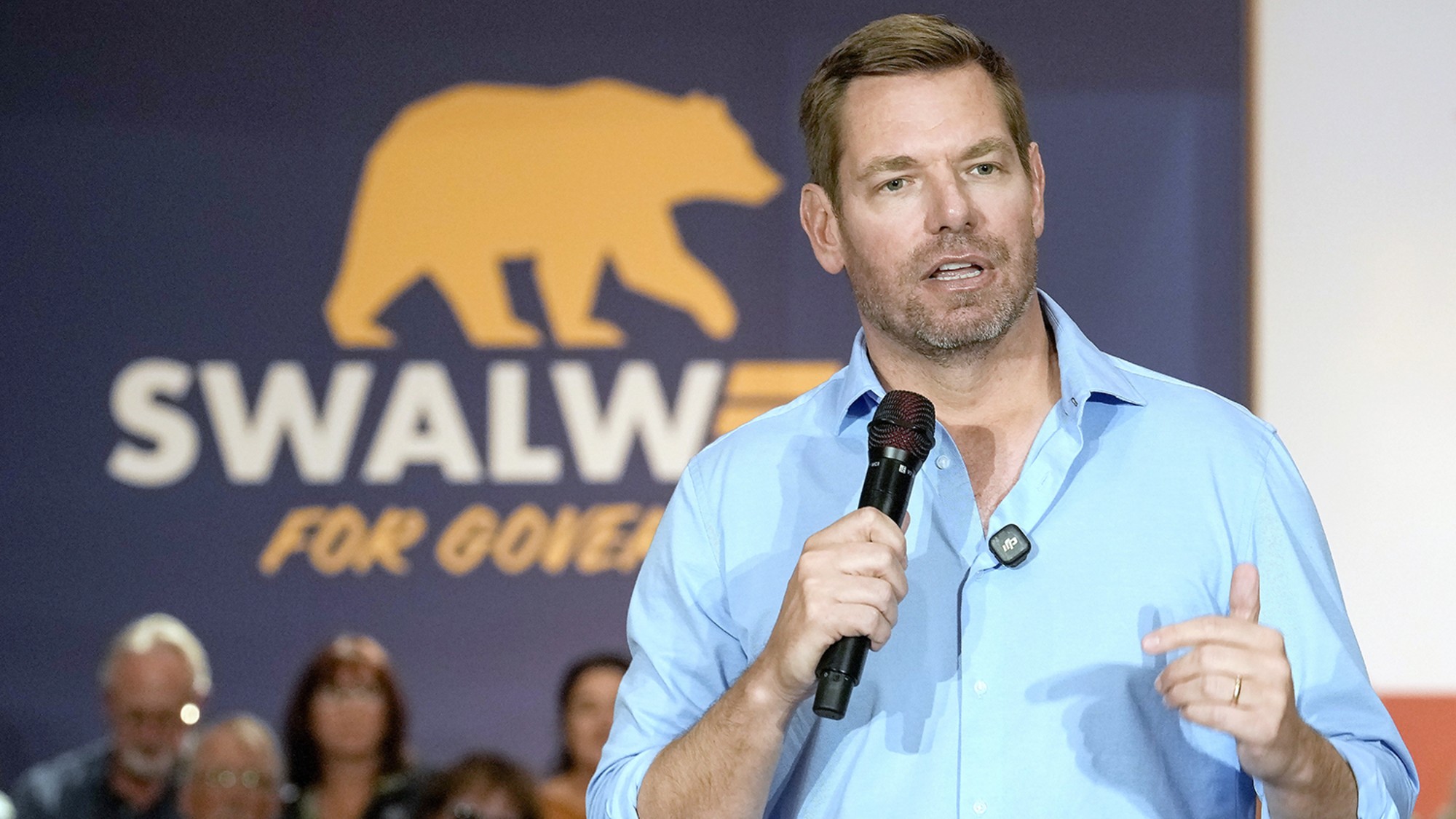
    An “ethics earthquake” hit Congress last week, said Zachary Schermele in USA Today, and it’s only intensifying. The first tremor was the resignation of Rep. Eric Swalwell, the seven-term California Democrat and a leading candidate to be the state’s next governor, after he was accused of sexual assault and misconduct by multiple women. The married father of three says the accusations—including that he raped two women—are “false” and “lies.” Just hours after Swalwell quit, Rep. Tony Gonzales (R-Texas), who admitted an affair with a female aide who later died by suicide, also resigned. In both cases, a bipartisan coalition of female lawmakers had signaled they were moving toward expulsion votes, but this “#MeToo moment” seems part of a broader reckoning. Rep. Sheila Cherfilus-McCormick (D-Fla.) resigned this week after the House Ethics Committee found her guilty of spending millions of Covid relief dollars on her 2022 election. And pressure is mounting on Rep. Cory Mills (R-Fla.), who’s being investigated over allegations of domestic violence, revenge porn, and campaign finance violations; he denies any wrongdoing. Why is this happening now? asked Joan Vennochi in The Boston Globe. Maybe it’s a backlash to the #MeToo backlash. Maybe it’s our post-Epstein sensitivity to “power and perversion.” Whatever the reason, it’s good for the country that Congress is policing itself and “setting standards in a bipartisan way.” 

    Swalwell’s exit was about politics, not decency, said Allysia Finley in The Wall Street Journal. Democrats knew for years that Swalwell was a sex pest, but they still cheered his relentless attacks on President Trump and nodded along as he declared during Brett Kavanaugh’s Supreme Court confirmation hearings that sexual assault victims “deserve to be heard.” But when the allegations against him became public, Democrats turned on Swalwell in case he threw the California governor’s race to a Republican. It’s nice that other resignations have followed, said Jon Allsop in The New Yorker. But the careful, scalp-for-scalp arithmetic carries “an unseemly whiff of partisan horse-trading.” Is this a real crackdown on ugly behavior? Or a choreographed effort to look like they’re “taking it seriously”?

    The House’s “culture of turning a blind eye” will be hard to shake, said Michelle Cottle in The New York Times. Yes, the #MeToo movement “scared some people straight for a while,” but it didn’t change “the essential power dynamic on the Hill,” where members drunk on flattery and self-regard routinely abuse the often young, often female staffers who work for them. For the ambitious Swalwell, that culture of sexual tolerance was as much of a draw as fame, power, and the other “trappings of office,” said Melanie Mason in Politico. A protégé of former speaker Nancy Pelosi, Swalwell “thought he was untouchable—until he wasn’t.”

    Republicans are in no position to moralize, said Christian Schneider in National Review, having handed their party to “inveterate horndog” Donald Trump. But Swalwell does represent a uniquely Democratic species of predator: the “male feminist” who trumpets his support for women as a “prelude to making advances,” then uses his progressivism as a “cloak of invisibility” when accountability looms. Swalwell, at least, has paid a price, and with criminal probes underway in New York and California, it could get higher, said Ingrid Jacques in USA Today. But until both parties stop recruiting “creeps and criminals,” and voters start demanding better, the swamp of congressional ethics will remain “a bipartisan problem.”


    VIEWPOINT

    More sycophant than secretary

    “You can see the terror in Pete Hegseth’s eyes at his press conferences about potentially being scapegoated for a less-than-total victory over Iran. He’s allegedly paranoid about being replaced by Army Secretary Dan Driscoll and probably has reason to be. My sense is that he’d do anything to retain the president’s favor, as being a buffoon with an impressive title whom no one takes seriously is preferable to being a buffoon to whom no one any longer pays any attention. Shaky job security is a terrific incentive for an employee to work harder. Working harder in the Trump administration means being even more of a servile henchman and bootlicker than you were before.”

    Nick Catoggio in The Dispatch


    briefing

    A rising threat from ticks

    Alpha-gal syndrome, which can trigger a potentially fatal meat allergy, is surging across the U.S. Why?

    What causes alpha-gal syndrome? 
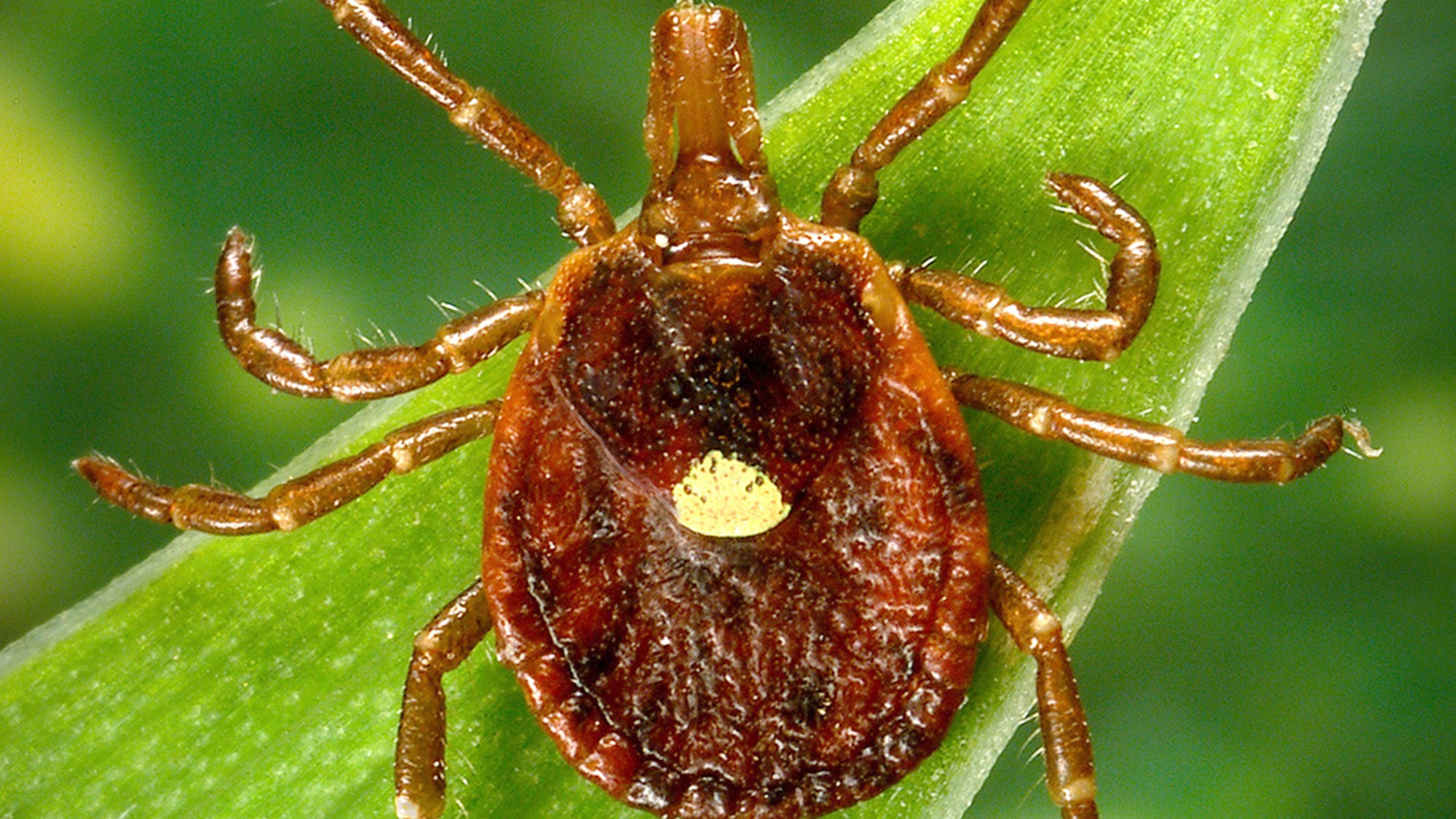
    It often begins with a bite from a lone star tick, which has a sugar molecule known as alpha-gal in its saliva. That molecule is found in the tissues of most mammals, but not humans, and normally causes no problems when people consume it in red meat. But when alpha-gal enters the bloodstream via a tick bite, the body produces anti­bodies to fight the intruder. In about 50% of people with those antibodies, a subsequent exposure to alpha-gal—such as by eating beef, lamb, pork, or venison—can spark an overactive immune response that causes hives, joint pain, vomiting, and severe abdominal cramps. “It was a terrifying experience,” said Roanoke, Va., resident Heather O’Bryan, who in 2019 found herself struggling to breathe after eating a pork sausage. “I didn’t know I had an allergy, but it almost killed me.” In extreme cases, alpha-gal syndrome (AGS) can cause anaphylactic shock and death. The U.S. confirmed its first alpha-gal death in November: a 47-year-old New Jersey airline pilot who collapsed in 2024, four hours after eating a burger at a barbecue. Thousands of people are now diagnosed with AGS each year, a remarkable number considering the syndrome was formally identified only in 2007. “Alpha-gal has gone from a medical curiosity to a major public health issue in just a decade,” said Vinay Jahagirdar, a gastroenterologist at Virginia Commonwealth University.

    How many people have AGS? 
    More than 110,000 suspected cases were identified from 2010 to 2022, according to the Centers for Disease Control, which estimates that up to 450,000 people may be affected. Some doctors believe that’s an undercount. A study co-authored by Jahagirdar found a hundredfold increase in positive tests for alpha-gal antibodies between 2013 and 2024. Once clustered in the Southeast, the traditional habitat of the lone star tick, the disease is now common across the Northeast and Midwest and is surging along with other tick-borne conditions such as Lyme disease. Scientists say the warming climate has allowed lone star ticks to move north to areas where it was previously too cold for the species to thrive; the parasites have also been aided by the booming population of white-tailed deer, their primary host. Lone star ticks are especially aggressive and move three times as fast as the black-legged tick. “They will hunt you,” said Sharon Pitcairn Forsyth, a conservationist and founder of the Alpha-Gal Alliance. “They are like a cross between a lentil and a velociraptor.”

    What are the signs of infection?
    There aren’t any, so most people don’t know they have AGS until they suffer an allergic reaction. But getting a diagnosis can be a long journey, both because many doctors aren’t familiar with alpha-gal and because symptoms can take up to six hours to appear after an exposure. Andrew Keenan, 58, a telecoms repairman in Martha’s Vineyard, Mass., woke up with severe stomach cramps at 2 a.m. after a skirt-steak dinner. He then broke out in hives, and his blood pressure fell so low that “I sat up in bed and almost fainted.” Keenan, who was treated at the hospital for anaphylactic shock, now gets cramps and itching that can last days when he accidentally consumes alpha-gal, but reactions vary widely. Some are allergic to pork but not beef or vice versa; some react to dairy, some don’t. “Reactions are consistently inconsistent,” said Patrick Roden-Reynolds, a biologist who studies tick-borne diseases.

    Why didn’t the thaw last? 
    On the campaign trail in 2016, Trump pledged to undo Obama’s policies—promises that helped him win the votes of a majority of Cuban Americans in Florida. In office, he imposed a “maximum pressure” campaign against Cuba and put the country back on the list of state sponsors of terrorism. Though President Joe Biden reversed that move in his last week in office in January 2025, Trump quickly reimposed it after returning to the White House last year with a newfound interest in Latin America, heavily influenced by Secretary of State Marco Rubio, a foreign policy hawk and the son of Cuban immigrants. Trump’s first target was Venezuelan autocrat Maduro, a close ally of Cuba, and many Cuban Americans saw that intervention as a step toward realizing Rubio’s desire to topple the island’s communist government. “If I lived in Havana, and I was in the government, I’d be concerned—at least a little bit,” Rubio warned hours after the January raid that captured Maduro.

    Is there a treatment?  
    No. The only way to manage the disease is to avoid alpha-gal—which is trickier than just ordering halibut instead of lamb chops at a restaurant. Food can easily be cross-contaminated, and aerosolized fat molecules from sizzling meat can cause a reaction, as can many items with mammal-derived ingredients: dairy products; foods with gelatin; medications made with glycerin; personal-care products that contain collagen or lanolin; even sugar, which is processed with animal-bone char. “I’m nervous about everything I eat,” said Jamie Ridgway, a Virginia Beach resident who landed in the ER after eating a marshmallow. Some sufferers now avoid restaurants and dinner invites. “You don’t want to be the social pariah asking people, ‘Is this vegan? What about that?’” said Massachusetts teacher Kate Sudarsky, 26. 

    How do people cope with AGS? 
    Support groups are growing in hard-hit areas. O’Bryan of Roanoke reports an “almost constant” stream of new members to the online groups she’s joined. In high-incidence states like Virginia—where up to 1 in 50 residents of some counties has AGS—a growing number of restaurants offer alpha-gal-free dishes. Some eateries “have gone completely alpha-gal free,” said Pitcairn Forsyth, who notes “a lot of chefs have”AGS. Many sufferers carry EpiPens to treat severe reactions; they include Missourian Annie Kittrell Poehlein, who at home now has “separate pots and pans and cutting boards. I have my own barbecue grill; we have two ovens.”

    What are health authorities doing? 
    A growing number of states track cases; 12 now mandate reporting of positive tests, including Kentucky, Virginia, and Massachusetts. Health officials are trying to raise awareness of the condition and to educate people on how to avoid tick bites. Meanwhile, researchers are attempting to solve a number of mysteries, including the reason reactions vary so widely, why the allergy sometimes fades over time, and whether people who carry alpha-gal antibodies but show no visible allergic response might suffer unseen health effects, including digestive problems or coronary disease. Treatment breakthroughs may be on the way, but in the meantime, experts expect AGS to keep spreading. “It seems like an oddity now,” said Brandon Hollingsworth, a University of South Carolina epidemiologist, “but we could end up with millions of people with an allergy to meat.”



    Only in America

    Tennessee Gov. Bill Lee has signed a resolution designating June, which is celebrated nationwide as LGBTQ Pride Month, “Nuclear Family Month.” The resolution defines a nuclear family as “one husband, one wife, and any biological, adopted, or fostered children,” and declares the arrangement “God’s perfect design for humanity.” For good measure, the text also condemns the “globalist ideologies of the World Health Organization” and other groups “that fight for population control.”


    talking points

    FBI: Is Patel a national security threat?

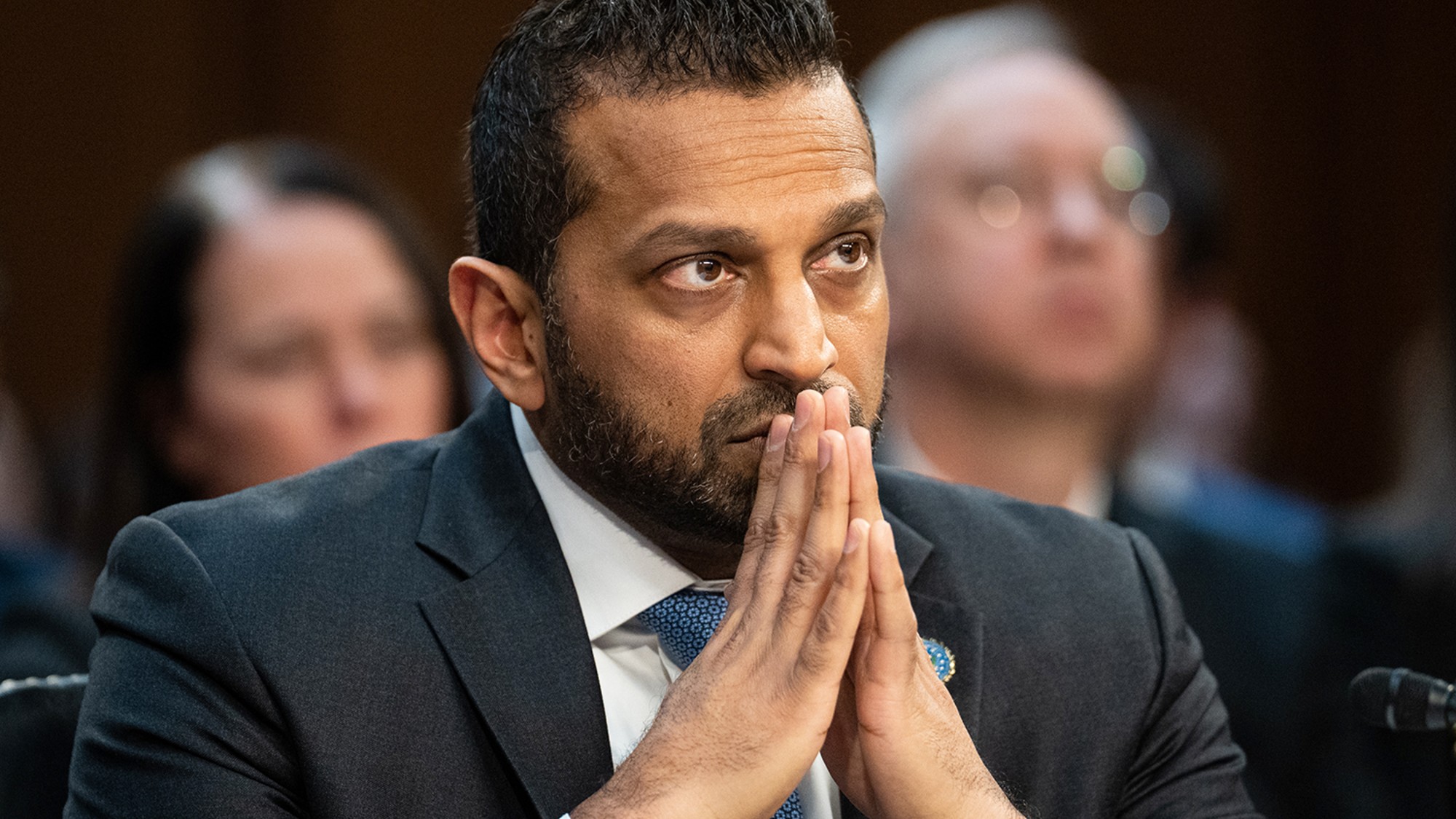
    “Kash Patel has never been qualified to lead the FBI,” said Danielle Han in Jezebel, and The Atlantic just showed us “the gazillionth reason why.” In a damning report published last week, the magazine alleged that the bureau’s director suffers paranoid “freak-outs” about being fired, is often absent from work, and is “regularly too drunk to do his job.” Justice Department and White House sources told The Atlantic that Patel’s security detail has repeatedly struggled to wake the seemingly hungover FBI boss, forcing meetings and briefings to be rescheduled for later in the day. Last year, his detail even reportedly considered using SWAT-style “breaching equipment” because Patel had been unreachable behind locked doors. Some FBI and administration officials wonder if alcohol explains Patel’s repeated missteps—such as his sharing of inaccurate information about a suspect following the September murder of Charlie Kirk—and fear that he’s become a national security risk. Patel vehemently denies all the accusations and this week filed a $250 million defamation lawsuit against The Atlantic, calling its report “hit-piece lies.”

    “Patel’s goal, of course, isn’t actually to win in court,” said William Kristol in The Bulwark. To do that, he’d have to prove not only that the claims in The Atlantic were false but also that the outlet knew they were so when it published them, “or at least didn’t care if they were true or not.” His real aim is to punish a publication that dared embarrass him with a costly nuisance suit “and to demonstrate to an audience of one, President Trump, that he’s fighting the lying lib media.” For now, Patel “still has support from the White House,” said Mike Pesca in his Substack newsletter. Trump appreciates his willingness to target perceived enemies—Patel vowed this week that arrests related to the 2020 election are “coming soon”—and to purge anyone who is “anything less than loyal to the president,” including scores of FBI agents over the past year.

    It’s possible The Atlantic exposé will doom Patel, said Jeet Heer in The Nation. Trump, a teetotaler who watched his older brother drink himself to death, cannot abide substance abuse in his underlings. But whatever happens with Patel, the damage he’s wreaked “will outlive his tenure.” He has gutted FBI teams focused on terrorism, political corruption, and organized crime, and turned the bureau into “a dangerously right-wing” agency with the power to hurt the president’s political foes. “The real problem is not Patel’s alleged inebriation but the deep corruption of the most important law enforcement agency in the country.”


    people

    Chase’s mother issues

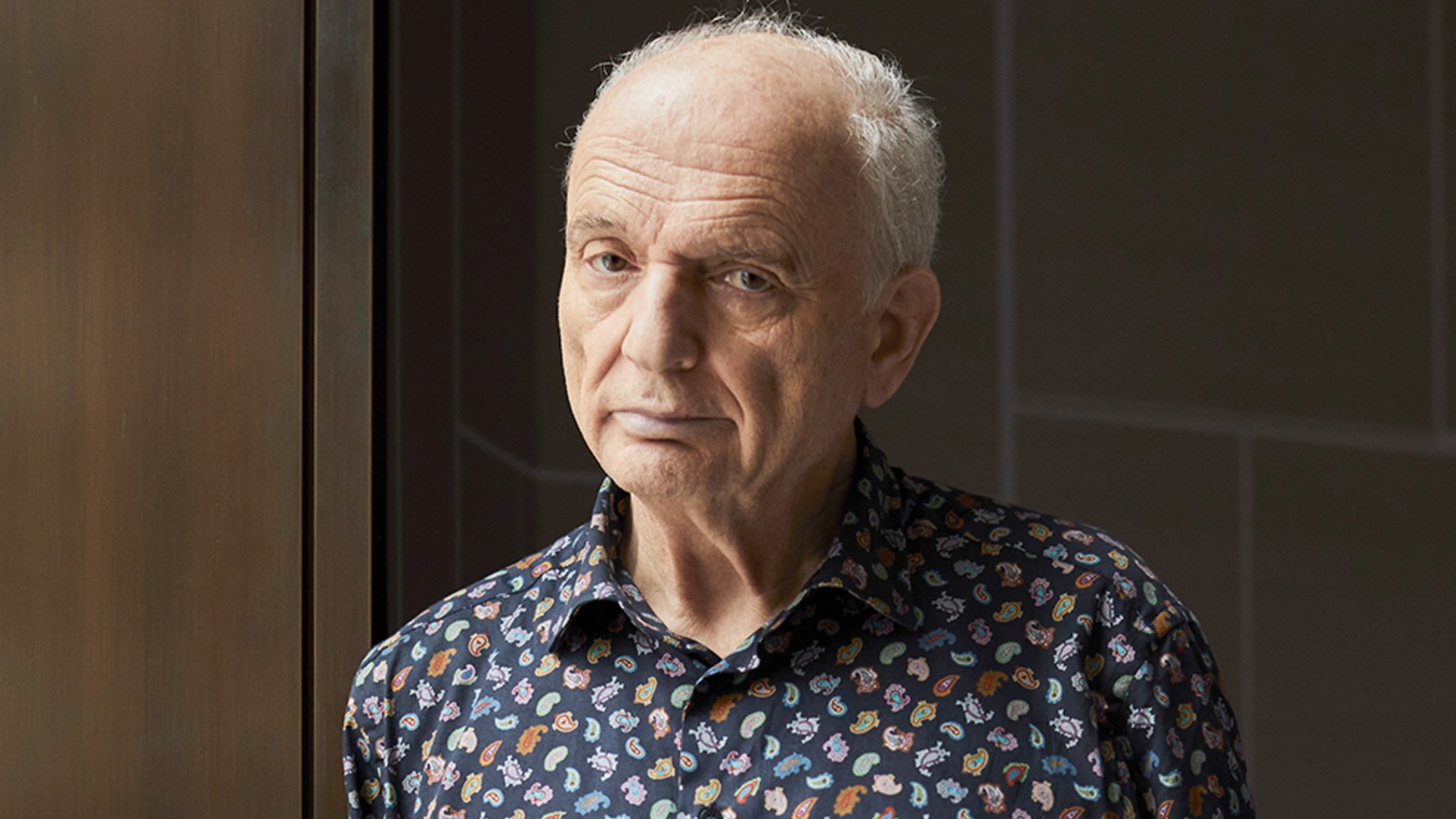
    The Sopranos was a deeply personal work for David Chase, said Stuart Heritage in The Guardian. Its premise—Tony Soprano, a mob boss, goes into therapy to deal with the trauma caused by his emotionally abusive mother—was inspired by the writer and producer’s relationship with his own paranoid and narcissistic mother. “I portrayed her as she was,” says Chase, 80. Unlike Tony’s mom, Norma Chase didn’t try to have her son killed. “But in 1967, at the height of the Vietnam War, my mother said, ‘I’d rather see you dead than avoid the draft.’” How did he take that? He laughs. “Not well. I had to create a whole TV series to get over it.” Chase also had a tricky relationship with James Gandolfini, who played Tony. Gandolfini once called him Satan; he would sometimes go missing for days at a time during filming, struggling with the darkness of his character. Chase recalls “three or four” occasions when Gandolfini asked to meet because he was so unhappy, and they “talked and talked and talked.” But he says Gandolfini “never refused to do anything” and that his disruptive behavior was trivial compared with that of the lead actors on Northern Exposure. When he joined that show as a writer in 1993, Chase found an assistant director measuring the distance from the two stars’ trailers to the set, “because neither one wanted to have a longer walk than the other. Now that wasn’t a happy set.”


    Saturday Wrap was written and edited by Theunis Bates, Conor Devlin, Chris Erikson, Bill Falk, Bruno Maddox, and Hallie Stiller.

    Image credits, from top: AP, Getty (3).
     

    Recent editions

    • Evening Review

      Trump eyes Iran nuclear deal

    • Morning Report

      A US soldier’s alleged bad bet

    • Evening Review

      What Orbán’s loss means for Ukraine

    VIEW ALL
    TheWeek
    • About Us
    • Contact Future's experts
    • Terms and Conditions
    • Privacy Policy
    • Cookie Policy
    • Advertise With Us
    • FAQ
    Add as a preferred source on Google Add as a preferred source on Google

    The Week is part of Future US Inc, an international media group and leading digital publisher. Visit our corporate site.

    © Future US, Inc. Full 7th Floor, 130 West 42nd Street, New York, NY 10036.