What does the professionalization of college sports mean for schools and athletes?
How have college sports changed?
They are no longer truly amateur. Thanks to recent court decisions, student athletes can now rake in giant paychecks from both sponsorships and their own universities. College sports are a $15 billion industry, and in last year’s House v. NCAA ruling, the Supreme Court required universities to share that revenue with athletes and distribute almost $2.8 billion in back pay. The bulk of that, 75%, goes to football, with 15% to men’s basketball, 5% to women’s basketball, and 5% split among other sports. A separate 2021 ruling allowed players to profit off their name, image, and likeness, greenlighting lucrative endorsement deals for the elite. Universities are now racing to upgrade facilities, hoping that will help them pay and retain athletes—who rarely stay put for four years anymore. Investment fund manager David Booth gave the University of Kansas $300 million to renovate its football stadium, but even he fears some of the joy of the college game is gone. “As a fan, I’m kind of sad to see it happen,” he said, but this is the athletes’ “chance to make some money, more so than after they get out of school, so it’s hard to begrudge them for that.”
How much can student athletes make?
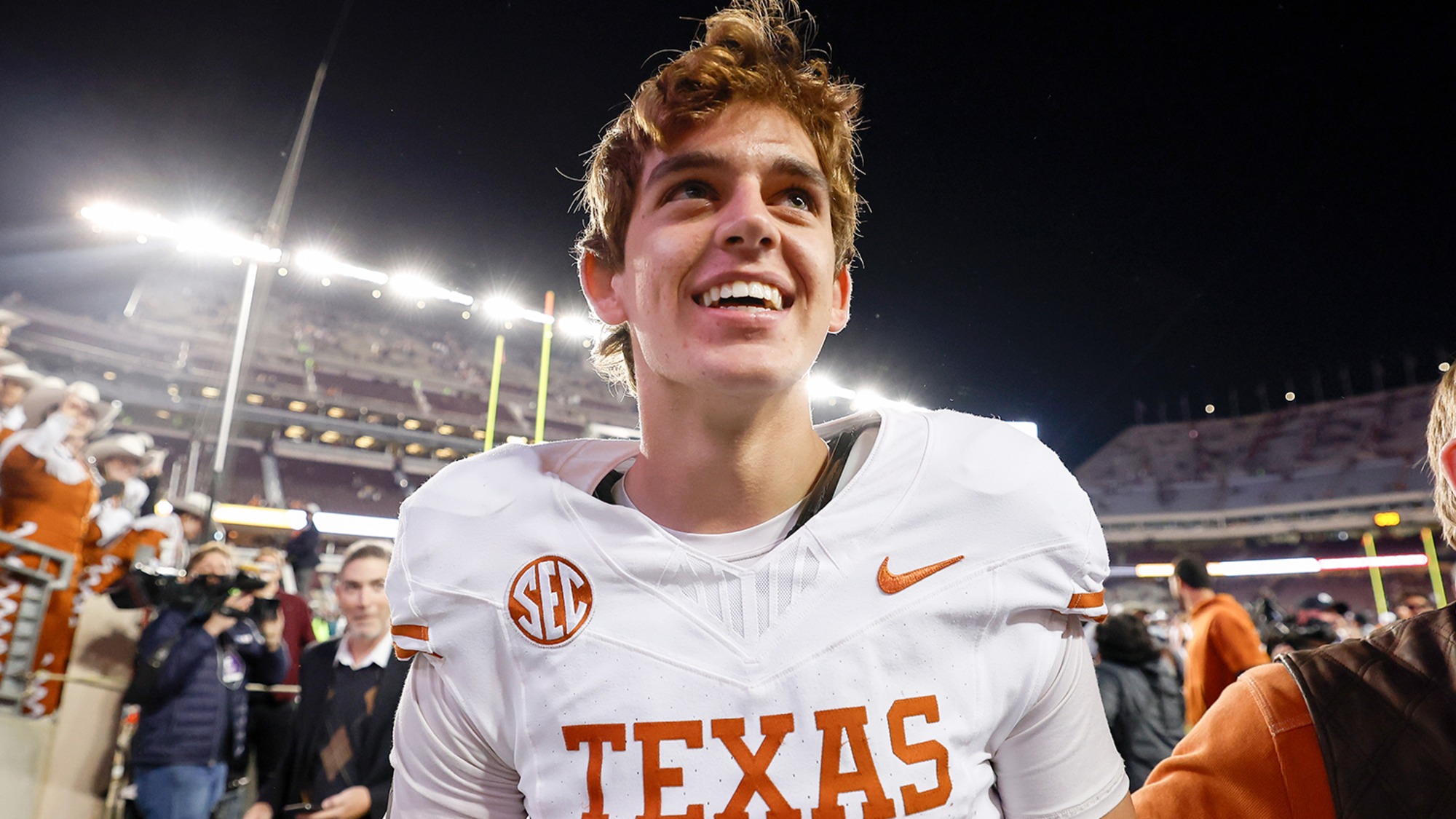
Starters on the best college teams earn hundreds of thousands of dollars annually, and some stars top $1 million. The NFL’s minimum salary is $885,000, but University of Texas quarterback Arch Manning, nephew of NFL legends Peyton and Eli Manning, is already worth $5.4 million. Some students have inked deals with Nike, Adidas, and Amazon. Even those with lower profiles are finding creative ways to take advantage: At Louisiana Tech, wide receiver Decoldest Crawford partnered with a family-owned air-conditioning company to make ads punning on his first name. “This can change our lives forever,” said University of Arizona quarterback Noah Fifita, who recently bought a $950,000 house.
How are schools funding this?
Many are revamping facilities and developing land. Nicer amenities demand higher ticket prices, while land can become paid parking lots or restaurants and hotels paying rent to universities. The David Booth Kansas Memorial Stadium will feature over 40 private suites, an all-inclusive menu with crab cakes, smoked ribs, and macaroons, and a lighting design that evokes wheat blowing in the wind. The University of Tennessee now charges an extra 10% talent fee on top of ticket prices. “Schools do not want to finance this entirely from their general budgets,” said Stanford University economist Roger Noll. “The sweet spot for everyone is to find new revenue sources.”
What’s the downside?
Students now transfer between schools constantly, moving whenever there’s a chance to earn more. Miami’s star quarterback, Darian Mensah, has already played for Tulane and Duke. Nearly 25% of players in the NCAA’s highest-level football tier were in the transfer portal, the college version of free agency, in January. The churn in athletes has hurt team cohesion and disappointed fans. University of Washington quarterback Demond Williams Jr. signed a $4 million licensing deal with his team this year, only to enter the portal days later. Threatened with legal action, he backed off. Another problem is that schools have directed disproportionate resources to their most profitable teams—usually men’s basketball and football—at the expense of other athletes. California Polytechnic cut swimming, while the University of Louisiana Monroe nixed women’s tennis. Eight female athletes have filed an appeal against the House v. NCAA settlement, arguing it violates Title IX by sending 90% of back pay to men. “Look at all this money coming for basketball and football athletes,” said Sabina Mrzyglod, a swimmer who lost her spot on the downsized Georgia Tech team. “What about all the athletes whose careers just ended?”
Is anyone pushing back?
Opponents of the new system range from residents of college towns to politicians. The communities around schools aren’t always thrilled by years of new construction. Alumni have also resisted ditching historic venues. Facing backlash from graduates, the University of North Carolina at Chapel Hill paused its plan to build an off-campus arena to replace the storied Dean Dome, home to its championship men’s basketball team. Even President Trump decried the endorsement ruling. At a White House meeting with stakeholders in March, he warned rising costs could push schools into bankruptcy. “You’ve got yourself a mess,” he said. These changes have also fired up lawmakers who were once college athletes.
What can Congress do?
In a rare bipartisan move, the Senate last month passed the Protect College Sports Act by 77 to 22. The bill would regulate the revenue-sharing cap, force athletes to sit out a season if they transferred more than once, and codify the NCAA’s recent rule limiting Division I athletes to five years of eligibility. Supporters argue it reins in extravagance, but others say it increases the NCAA’s power while depriving athletes, many of whom are Black, of financial opportunities. Sen. Cory Booker (D-N.J.), a former Stanford tight end who opposed the bill, said that just as athletes were “winning their rights, winning court cases, gaining leverage,” they are “now having that taken away from them” by Congress. The bill faces an uncertain future in the House, in part because the debate has energized politicians on both sides, reflecting the critical role college sports play in American culture. “We do a lot of things up here that back home people wonder, ‘What are you talking about?’” said Sen. Eric Schmitt (R-Mo.). “This is something that our folks back home do care about.”