The DJ who was a godfather of hip-hop
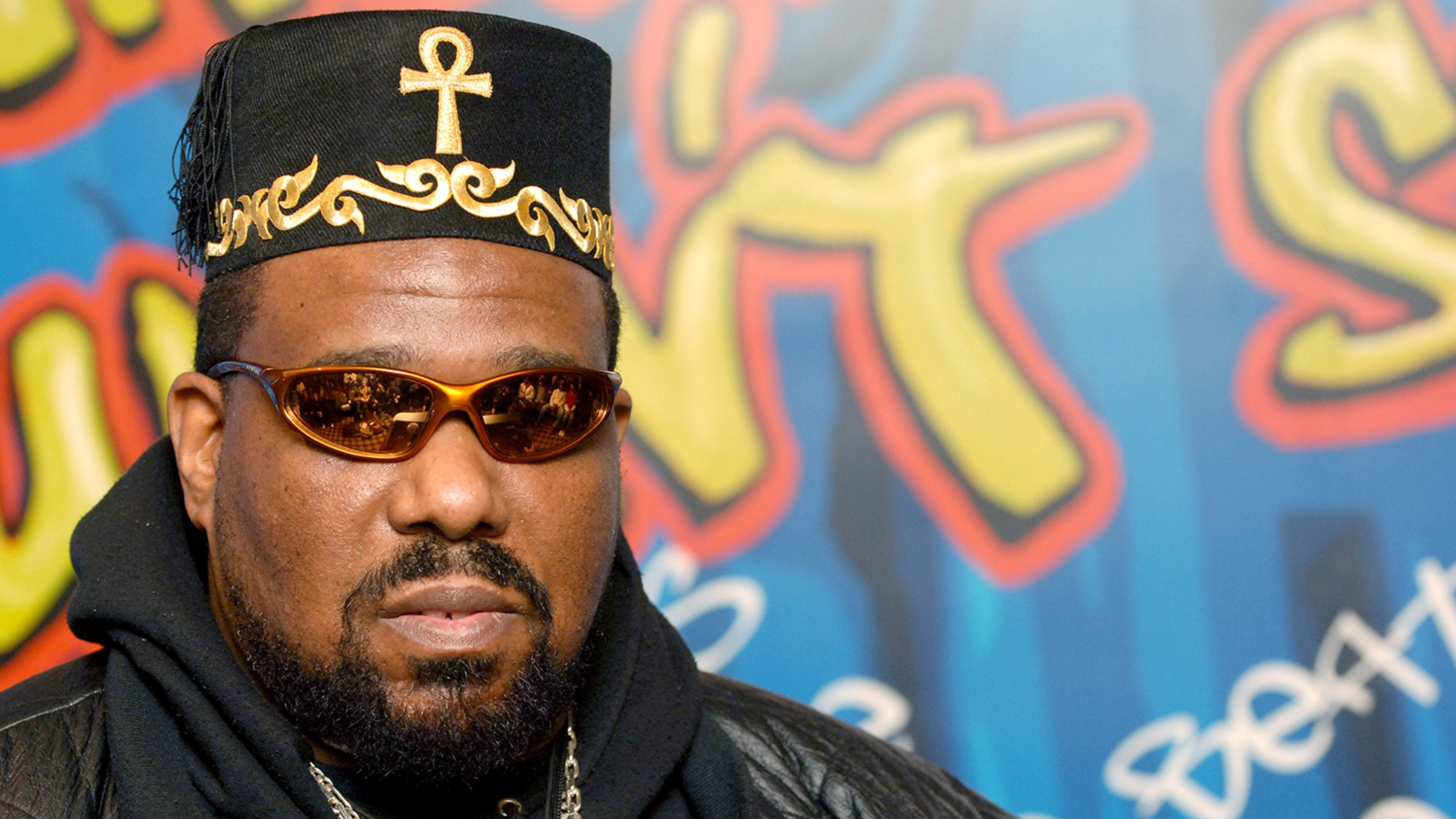
Afrika Bambaataa was a formative figure in hip-hop, as influential at the start as his better-known peers Grandmaster Flash and DJ Kool Herc. At South Bronx street parties in the 1970s, he galvanized the crowds with breakbeat DJing that incorporated sounds ranging from funk and rock to electronica, salsa, and movie soundtracks. He helped bring hip-hop into the mainstream in 1982 with his electrofunk breakout hit “Planet Rock,” built around a keyboard riff from the German electronic group Kraftwerk. Beyond his musical contributions, Bambaataa also helped shape hip-hop as a broader cultural movement, founding the collective Universal Zulu Nation, which supported the four components of hip-hop: DJing, MCing, breakdancing, and graffiti art. “I was seeing all this that was happening,” he said in 2009, “and decided to make this as a cultural movement.”
Born Lance Taylor, he was raised by his Jamaican mother in a housing project in the South Bronx, a neighborhood blighted by “years of economic neglect,” said the Associated Press. Thanks to his mother’s extensive record collection, he “was exposed to music at an early age,” and as he began to DJ at community centers his “ability to repurpose and mix old hits became one of his signatures.” By 1975, when he was 22, he had adopted his stage name—drawn from a 19th-century Zulu leader— and was bringing his parties to a bigger audience, said The Guardian, “pulling together crews of fledgling rappers, organizing breakdancing competitions, and generally helping to create a new aesthetic.” As hiphop grew popular, he helped move it from funk and soul beats “toward a more futuristic technopop feel.” His “Planet Rock” was the epitome of that sound, and “one of the earliest rap songs to impinge on the wider public consciousness.”
“Prolific to a fault,” Bambaataa went on to release dozens of albums, said Rolling Stone, and collaborate with artists such as James Brown, George Clinton, and former Sex Pistol John Lydon. But allegations of a dark past came out in 2016, when three men accused him of having sexually abused them in the 1990s. Other men then also came forward to say he’d abused them as teens, and one filed suit. Bambaataa denied all the allegations but lost the civil case after refusing to appear in court. His legacy as “a foundation architect of hip-hop culture” will remain, rap pioneer Kurtis Blow said after Bambaataa’s death, but that “legacy is complex.” |