by Lois Romano
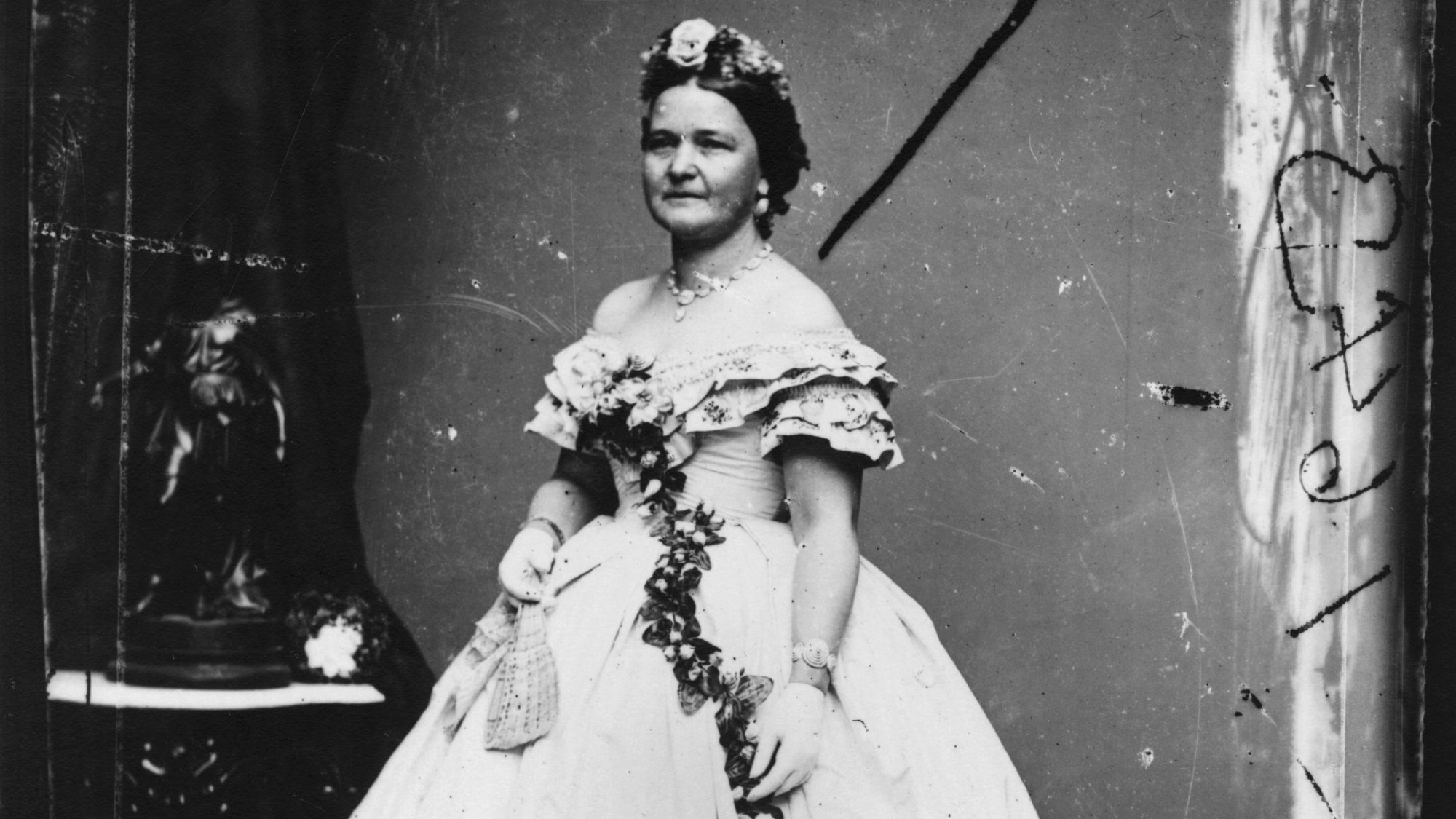
“No first lady has been more demonized than Mary Todd Lincoln,” said Amy S. Greenberg in The New York Times. Even before her husband’s 1865 assassination, the former Lexington, Ky., socialite was portrayed as unhinged and unworthy of both the White House and Abraham Lincoln’s love. With An Inconvenient Widow, former Washington Post reporter Lois Romano seeks to rehabilitate Mary Todd’s reputation — “an ambitious project,” given that there’s “a kernel of reality” even in the over-the-top depiction of the first lady in the Broadway comedy smash Oh, Mary! She was erratic, vain, and, even during a deeply depleting war, a compulsive spendthrift. Though Romano at times goes too far in defense of her subject, she’s right that the demonization of Mary has been wildly disproportionate. “Whatever her faults, and they were many, she deserved better, and Romano deserves praise for granting her, at long last, a measure of grace.”
Romano’s ambition here isn’t new, said Thomas Mallon in The New Yorker. “Measured rehabilitation of the first lady’s character has been the dominant mode of Mary Lincoln biography for more than 70 years.” But in the popular imagination, untruths persist that should be corrected. First, she was not a traitor. Born in 1818 into a slaveholding family, Mary evolved into a committed abolitionist and an implacable Unionist who poured time into caring for wounded Union soldiers. Earlier, because she was well-educated and witty, she sometimes impressed reporters covering the 1860 presidential campaign even more than her husband did. But opinion turned against her when she began lavishly redecorating the White House, and the death of a second young son, in 1862, didn’t win her lasting sympathy. Her reputation was buried when Abraham’s former law partner, William Herndon, began spreading lies about her shortly after the assassination.
Though Herndon would object, Romano “offers a persuasive portrait of a loving, mutually supportive marriage,” said Melanie Kirkpatrick in The Wall Street Journal. The author also “emphasizes the impact of grief on Mary’s mental health.” Three of Mary’s four sons died by 18, and in the wake of her husband’s death, she struggled not just emotionally but also financially, having to fight for years for a congressional pension. Meanwhile, her politically ambitious surviving son, Robert, was so embarrassed by the negative press she attracted that he had her committed to a mental institution, a decision she had to fight to reverse. She died of a stroke in 1882, and while she “won’t go down in history as one of the most congenial first ladies,” Romano’s “exemplary” examination of her life may ensure she’ll be remembered for both her flaws and her merits. |