The Week The Week
flag of US
US
flag of UK
UK
https://cdn.mos.cms.futurecdn.net/flexiimages/jacafc5zvs1692883516.jpg

SUBSCRIBE & SAVE

Less than $3 per week

Sign in
  • View Profile
  • Sign out
  • The Explainer
  • The Week Recommends
  • Newsletters
  • Cartoons
  • From the Magazine
  • The Week Junior
  • Student Offers
  • More
    • Politics
    • World News
    • Business
    • Health
    • Science
    • Food & Drink
    • Travel
    • Culture
    • History
    • Personal Finance
    • Puzzles
    • Photos
    • The Blend
    • All Categories
  • Newsletter sign up Newsletter
  • The Week’s Sunday Shortlist
    A shameless sex comedy, the return of Ted Lasso, and the end of the Harlem Trilogy

     
    FILM REVIEW

    I Want Your Sex

    A young square learns to love hooking up.

    “I don’t entirely understand how we got here,” said David Ehrlich in IndieWire, but apparently, “it’s up to a 66-year-old filmmaker to remind the young people of America that it’s OK to be horny.” In his first movie in over a decade, director Gregg Araki aims to convey that message by casting Cooper Hoffman as a timid college grad who, after signing on as an assistant to an anti-woke artist played by Olivia Wilde, can’t say no when she selects him to serve as her latest sex slave. Unsurprisingly, the pair’s S&M-style trysts turn out to be “more comic than carnal,” and while Araki has made films with more focus and verve, this one “at least offers plenty of delights to gawp at along the way.” Hoffman and Wilde “sport a playful, teasing rapport,” and Wilde clearly enjoys playing a shameless user who thinks all art is a scam, said Tim Grierson in Screen Daily. But a distracting framing device informs viewers that the story ends in an apparent murder, and because Hoffman’s Elliot becomes overly enamored of his boss, I Want Your Sex “fails to deliver on its initial promise to be an irreverent, libidinous romp.” A prevailing “devil-may-care sensibility” mostly saves the film, said Bilge Ebiri in NYMag.com. Araki and his cast clearly are having fun, and that feeling proves contagious. “Who ultimately cares if they don’t quite stick the landing?” 


    tv review

    Ted Lasso 

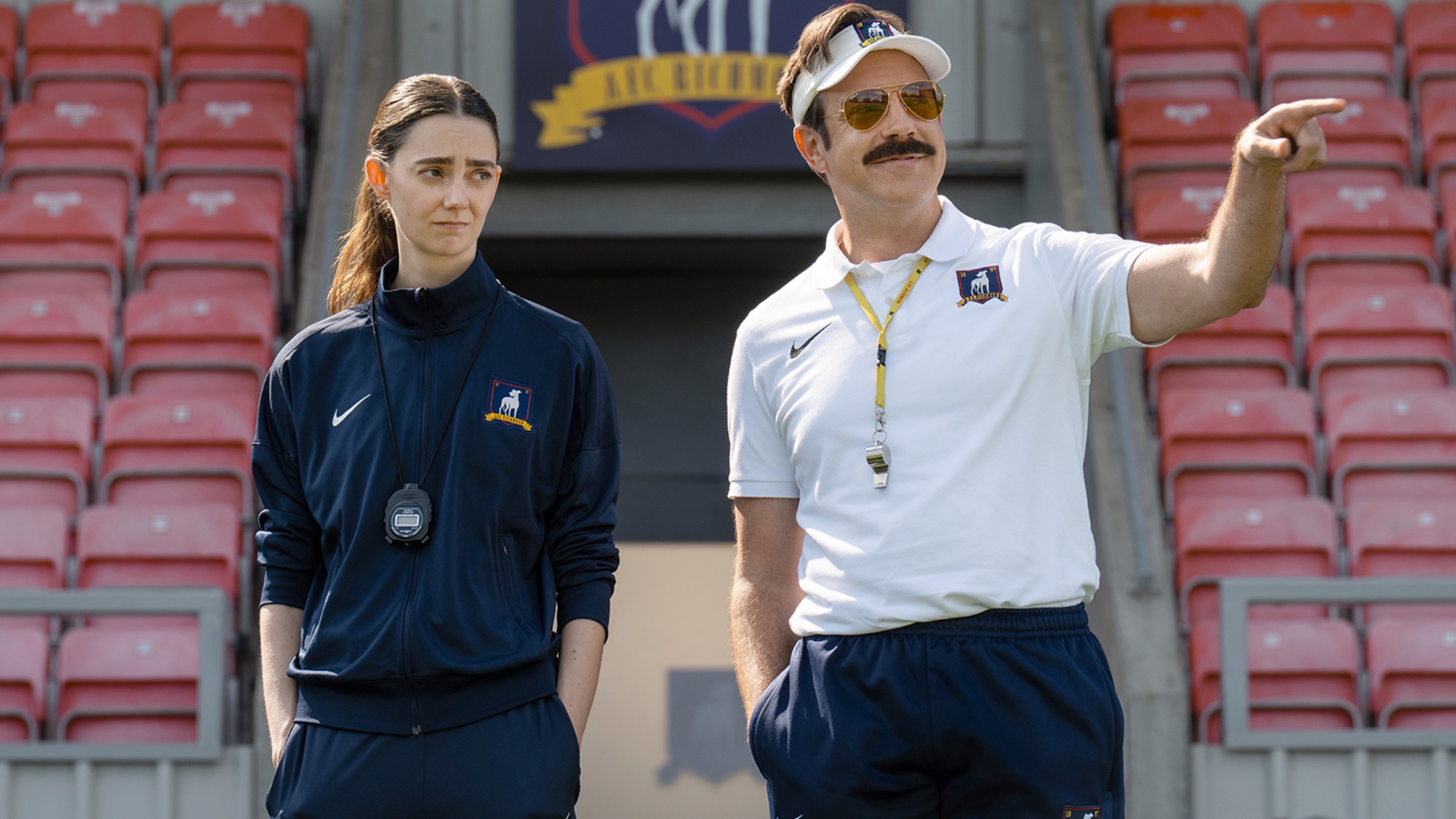
    The U.S. men’s soccer team could’ve used Ted Lasso. We all could have, come to think of it, in the three years since the seeming end of the hit comedy about the Midwestern football coach hired to lead a U.K. soccer club. Well, take heart: Ted, as played by Jason Sudeikis, is now back with a full supply of homespun aphorisms for Season 4. Ted had decamped to Kansas after leading AFC Richmond to a second-place Premier League finish. In his return, he’ll be coaching an upstart women’s team. Expect old and new faces as Lasso attempts to elevate the squad to the Women’s Super League. Wednesday, Aug. 5, Apple TV


    FOOD & DRINK

    Root beer: Three standouts

    Root beer has “literal roots in American history,” said Penelope Bass in Imbibe. Well before Europeans arrived, the Choctaw and Cherokee were making infused beverages from the roots of sassafras and sarsaparilla, two native plants. In our time, root beer “inhabits a dual space of craft-maker favorite and nostalgic darling.” These three impressed our team in a recent taste test. 

    Boylan Bottling Co. Root Beer 
    Sweet birch, vanilla, cinnamon, and wintergreen flavor this classic root beer, which “lands on the sweeter side,” mimics the flavors of sassafras, and “makes for an especially creamy float.” 

    Sprecher Root Beer 
    Milwaukee’s Sprecher crafts this “fan favorite” with “a honey-forward, earthy sweetness balanced by prominent notes of licorice and a hint of wintergreen.” 

    Wild Bill’s Root Beer 
    Cane sugar, vanilla, and juniper extracts flavor this brew, which “opens with a bright citric kick, rounds out with a caramelized sweetness, and finishes crisp.”


    BOOK OF THE WEEK

    Cool Machine: A Novel

    by Colson Whitehead

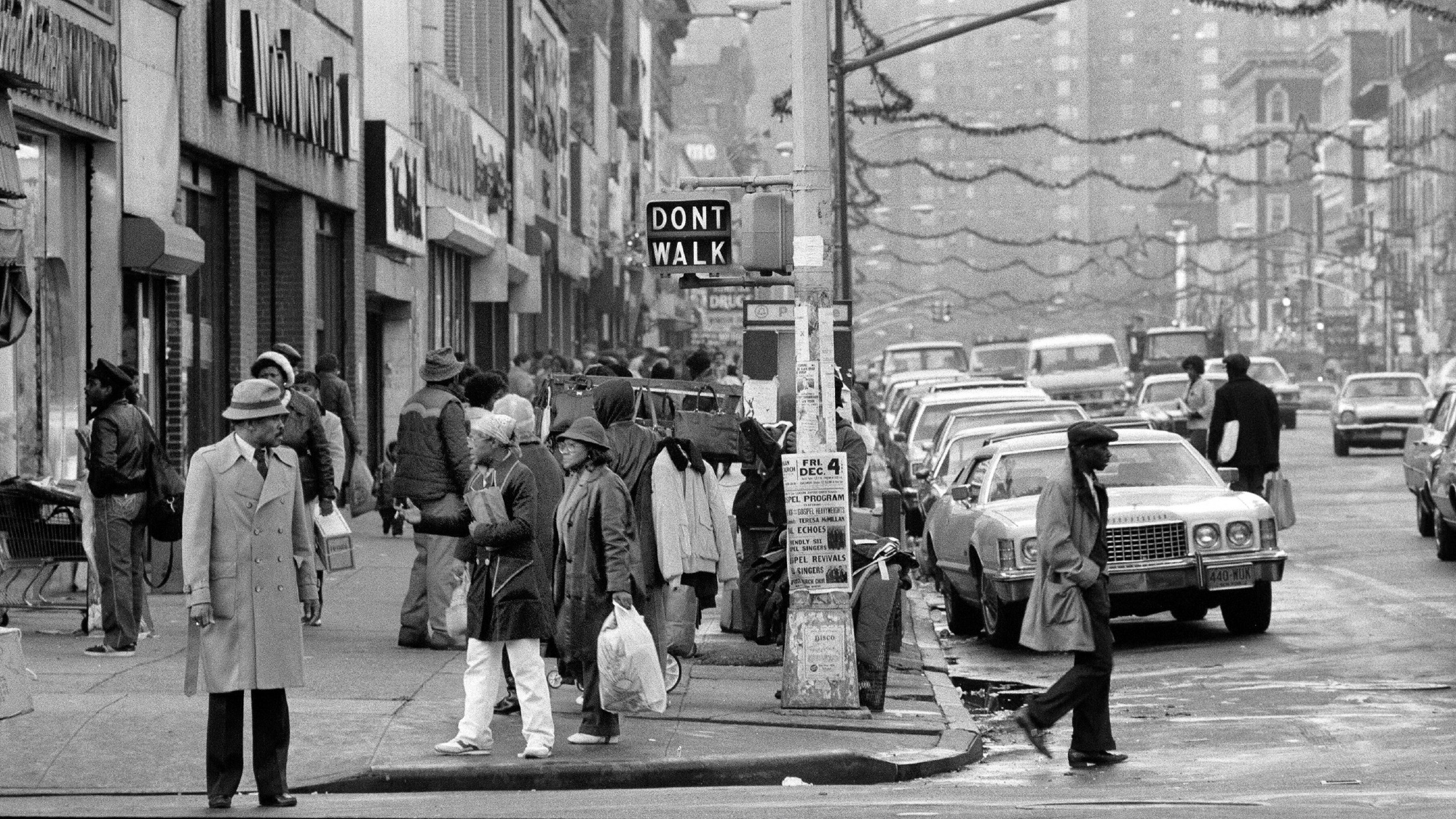
    Colson Whitehead’s Harlem Trilogy, which his “dizzyingly brilliant” new novel completes, is “destined to live on as an American classic,” said Leigh Haber in the Los Angeles Times. Since 2021’s Harlem Shuffle, the two-time Pulitzer Prize winner has been following Harlem resident Ray Carney, watching the Black furniture store owner and sometimes fence for stolen goods as he navigates a changing New York City from 1959 to 1986. While the novels “have a great deal to say about serious subjects such as systemic racism and corruption, they often lean on humor to get the message across.” Ray, having now reached 50, has achieved respectability, but he’d rather step back into crooked side hustles than fade into semiretirement, said Ron Charles in his Substack newsletter. “This man wants to feel alive again, and you will too, riding along through escapades so cinematic the book should come with a bucket of popcorn.” 

    Cool Machine turns out to be the strongest novel of the trilogy, said Walton Muyumba in The Boston Globe. And though it’s “doused in Whiteheadian cynicism, sardonicism, and ambivalence,” it “counters those sensibilities with a foundational Black American concern: justice.” The novel consists of three novellas, set, respectively, in 1981, 1983, and 1986, with each tale driven by a bid by Ray or an associate to level the world’s playing field. In the first, Ray joins a criminal ring after white bankers deny his wife a business loan. In the “taut, gorgeously designed” second, a menacing but avuncular associate named Pepper tries to recover an African mask in the East Village. And in the final section, Ray seeks to rescue a younger family member from a murderous scheme involving cable TV, union contracts, the mob, and U.S. attorney Rudy Giuliani. 

    Though you don’t need to read the trilogy’s books in order, “I’d recommend it,” said Dwight Garner in The New York Times. “The best reason to come to Cool Machine, and to the others in this series, is to drink in Whitehead’s intellectual breadth, his ambivalent irony, his moral seriousness, and pinball verbal play.” These aren’t “‘great’ novels as we have traditionally understood that term,” but “they are entertainments of a high order” and they offer pleasures that The Underground Railroad and The Nickel Boys, Whitehead’s more somber 2016 and 2019 prizewinners, do not. You can read Cool Machine for its heists and beatdowns, because Whitehead “nails the pacing and the details.” But you’ll also get a memorable portrait of a marriage and a sideways look at how the interests of cops and criminals intertwine. “Most saliently, this is a heavyweight New York novel.” In a manner that’s all his own, “Whitehead cracks the city open like a crab and pulls out the meat.” 

     
     
    OBITUARY

    Charles Gaines

    The sportsman who wrote Pumping Iron

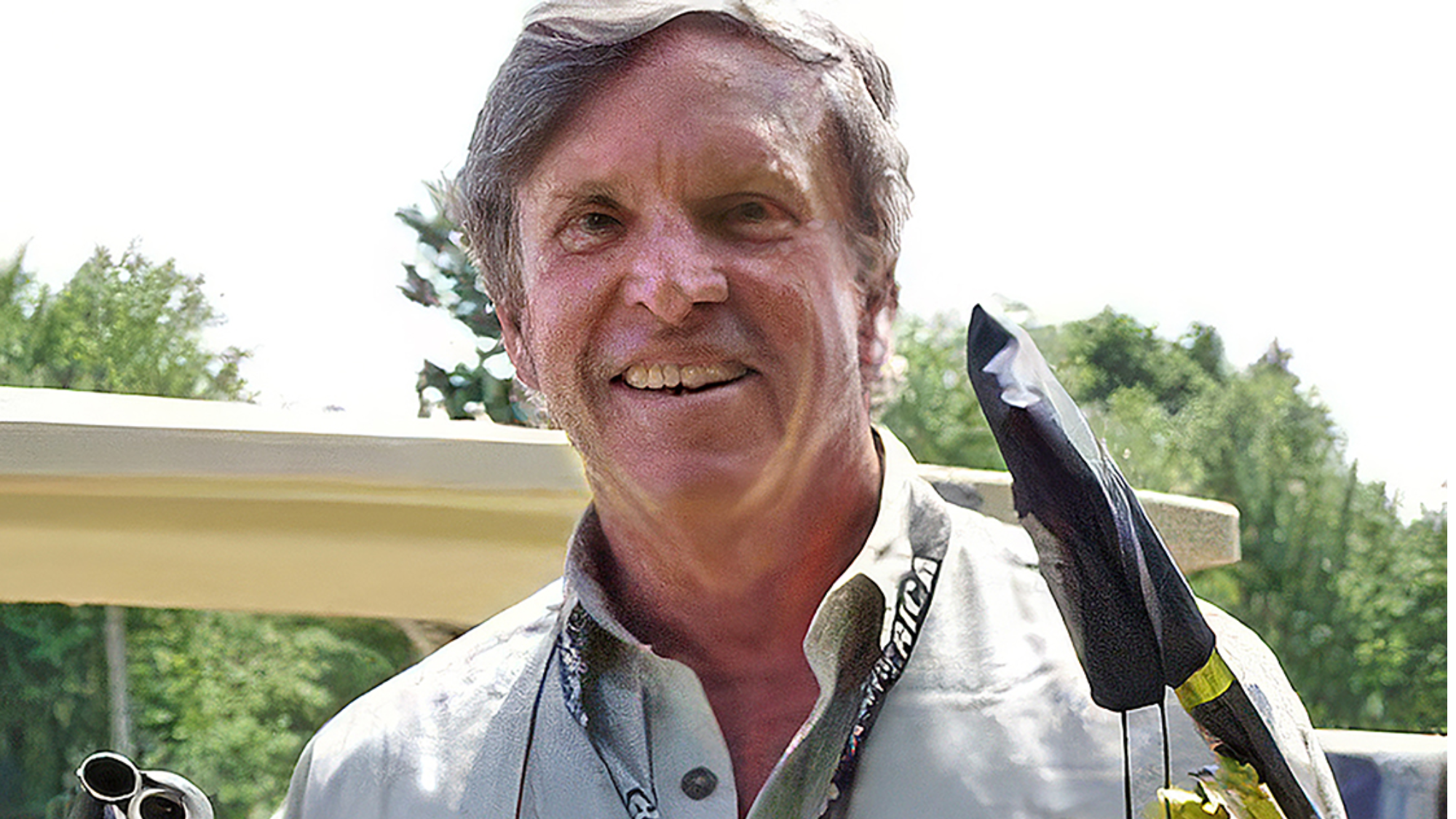
    Charles Gaines turned his pursuit of adventure into a career. A journalist, author, and screenwriter, Gaines specialized in spinning his passions, including mountaineering and bodybuilding, into stories with mass appeal. Best remembered for writing and narrating the hit 1977 documentary Pumping Iron, which launched Arnold Schwarzenegger’s movie career, Gaines lived to see another of his creations—a sport called the National Survival Game, which was later rechristened “paintball”—become a billion-dollar industry. “Follow your bliss,” he said. “I have a lot of admiration for people who shape a life around their bliss and follow it all the way.” 

    Raised in Alabama in “a privileged milieu of maids and country clubs,” Charles Latham Gaines III began lifting weights as a teenager, said The New York Times. His aim, he later wrote, was to develop “cantaloupe deltoids and grapefruit biceps.” While he never got that ripped, his interest in bodybuilding made him the ideal writer to publicize the sport. Stay Hungry, his 1972 novel set in the lifting world, became a best seller and was adapted into a 1976 Jeff Bridges movie. Then came Pumping Iron, which sought to celebrate the “dedication and artistry” of men often written off as narcissistic meatheads, said The Telegraph (U.K.). As he followed Lou Ferrigno and other bodybuilders who were vying to win the Mr. Olympia competition, Gaines found an “especially articulate and engaging champion of the sport” in Schwarzenegger. Pumping Iron became an unexpected hit, and its Austrian-born star a lifelong friend. 

    Gaines’ Hollywood success financed “an increasingly frenetic lifestyle” of fancy dinners, custom suits, and exotic fishing trips, said The Washington Post. But when he realized his fame was threatening his marriage, he left Hollywood, bought 160 acres in Nova Scotia, and recommitted himself to his family and the outdoors, writing acclaimed books about both. In 1980, a bet with a Wall Street trader over who was better equipped to survive in the wilderness led Gaines to organize a competition in which friends ran around the woods, firing air guns loaded with paint pellets at one another. That was the birth of paintball, although Gaines sold his shares in the sport just a few years later, preferring to focus on fly-fishing tournaments. “Fishing is like asking some gigantic question of the universe,” he said. “Every time you throw your fly out there, that’s a question. The bite of the fish is the answer.”


    Sunday Shortlist was written and edited by Susan Caskie, Ryan Devlin, Chris Erikson, Scott Meslow, Chris Mitchell, and Matt Prigge.

    Image credits, from top: Magnolia Pictures/Everett; Apple TV; Chester Higgins Jr./The New York Times/Redux; Gaines Family
     

    Recent editions

    • Saturday Wrap

      Are Republicans doomed?

    • Evening Review

      Iran’s covert allies?

    • Morning Report

      Peace progress in Gaza?

    VIEW ALL
    TheWeek
    • About Us
    • Contact Future's experts
    • Terms and Conditions
    • Privacy Policy
    • Cookie Policy
    • Advertise With Us
    • FAQ
    Add as a preferred source on Google Add as a preferred source on Google

    The Week is part of Future US Inc, an international media group and leading digital publisher. Visit our corporate site.

    © Future US, Inc. Full 7th Floor, 130 West 42nd Street, New York, NY 10036.