The Week US
flag of US
US
flag of UK
UK
https://cdn.mos.cms.futurecdn.net/flexiimages/jacafc5zvs1692883516.jpg

SUBSCRIBE & SAVE

Less than $3 per week

Sign in
  • View Profile
  • Sign out
  • The Explainer
  • The Week Recommends
  • Newsletters
  • Cartoons
  • From the Magazine
  • The Week Junior
  • More
    • Politics
    • World News
    • Business
    • Health
    • Science
    • Food & Drink
    • Travel
    • Culture
    • History
    • Personal Finance
    • Puzzles
    • Photos
    • The Blend
    • All Categories
  • Newsletter sign up Newsletter
  • The Week’s Sunday Shortlist
    A family torn apart, an upstairs-downstairs drama, and a history of the modern Middle East

     
    FILM REVIEW

    Fjord

    ★★★ (out of 4)

    A religious family fights to be reunited.

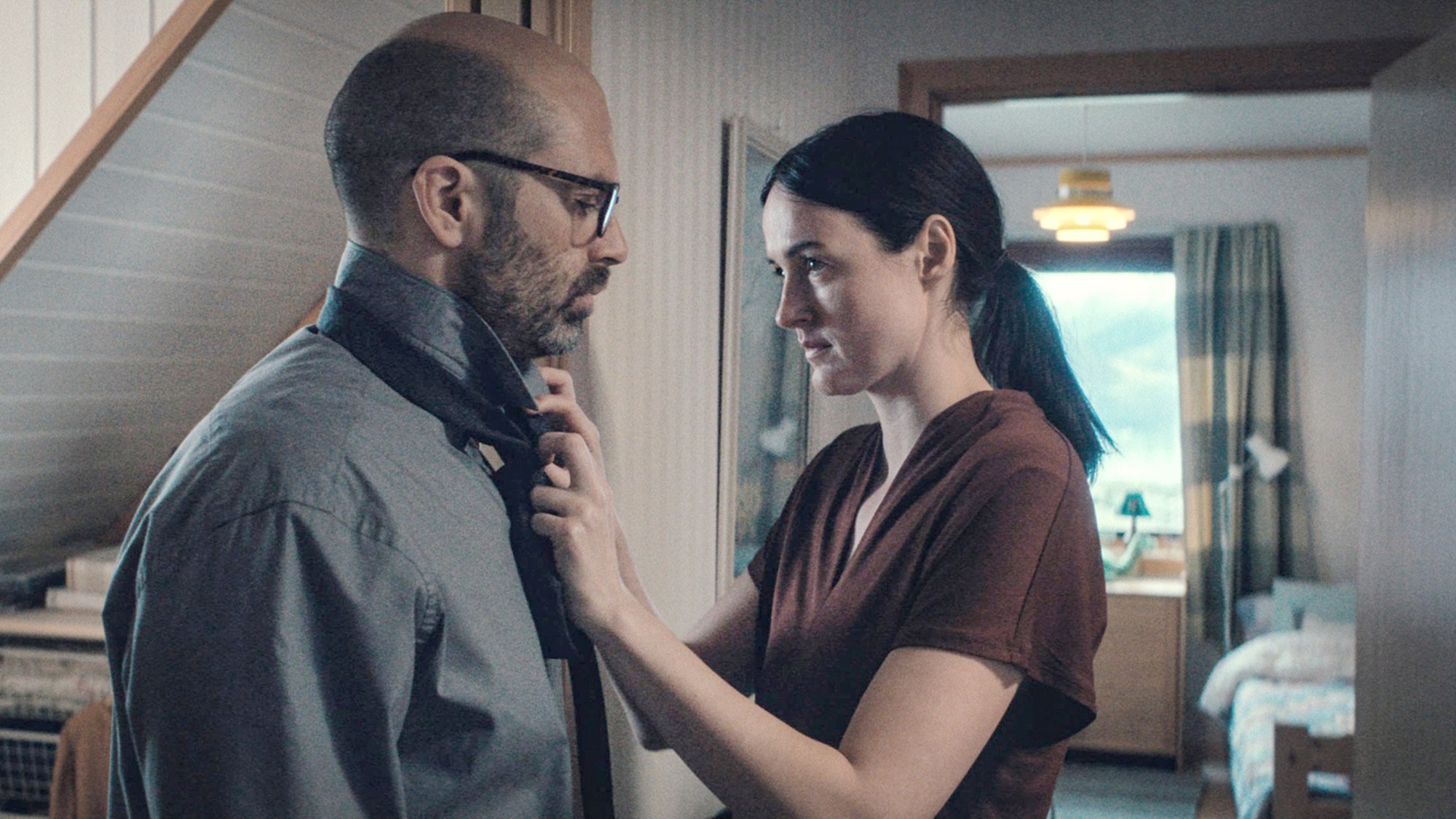
    The film that won the Palme d’Or at Cannes this year is “a car crash occurring in what feels like real time,” said Nick Schager in The Daily Beast. “One of the year’s undisputed highlights,” the newly released drama follows a family that’s torn apart soon after they move from Bucharest to a Norwegian village and their fundamentalist Christian beliefs generate suspicion. When the parents, Mihai and Lisbet, are accused of child abuse based on slim evidence, all five of the couple’s kids, including two teenagers and a breastfeeding infant, are taken away by child services. With co-stars Sebastian Stan and Renate Reinsve delivering performances that give little away, the movie “poses prickly questions it astutely refuses to answer.” Romanian director Cristian Mungiu, who previously won the Palme d’Or for 2007’s 4 Months, 3 Weeks, and 2 Days, never reveals whether Mihai and Lisbet are guilty of serious mistreatment or not, said Monica Castillo in The A.V. Club. But while his latest award winner is “expertly crafted,” it belies his disdain for Norway’s progressive liberalism and the government overreach he thinks the mindset spawns. Fjord also “loses its focus” once a fed-up Mihai summons fellow religious conservatives to stand with him and his wife during their trial. “Excellent” work from Reinsve and Stan help save the movie from tipping into didacticism, said Brian Tallerico in RogerEbert.com. But Mungiu also hasn’t fully made his mind up about Mihai and Lisbet and the values they espouse. “One of the things that makes Fjord so rewarding is the sense that he’s exploring how he feels about these people and these issues along with us as their story unfolds.” 


    tv review

    The Gilded Age

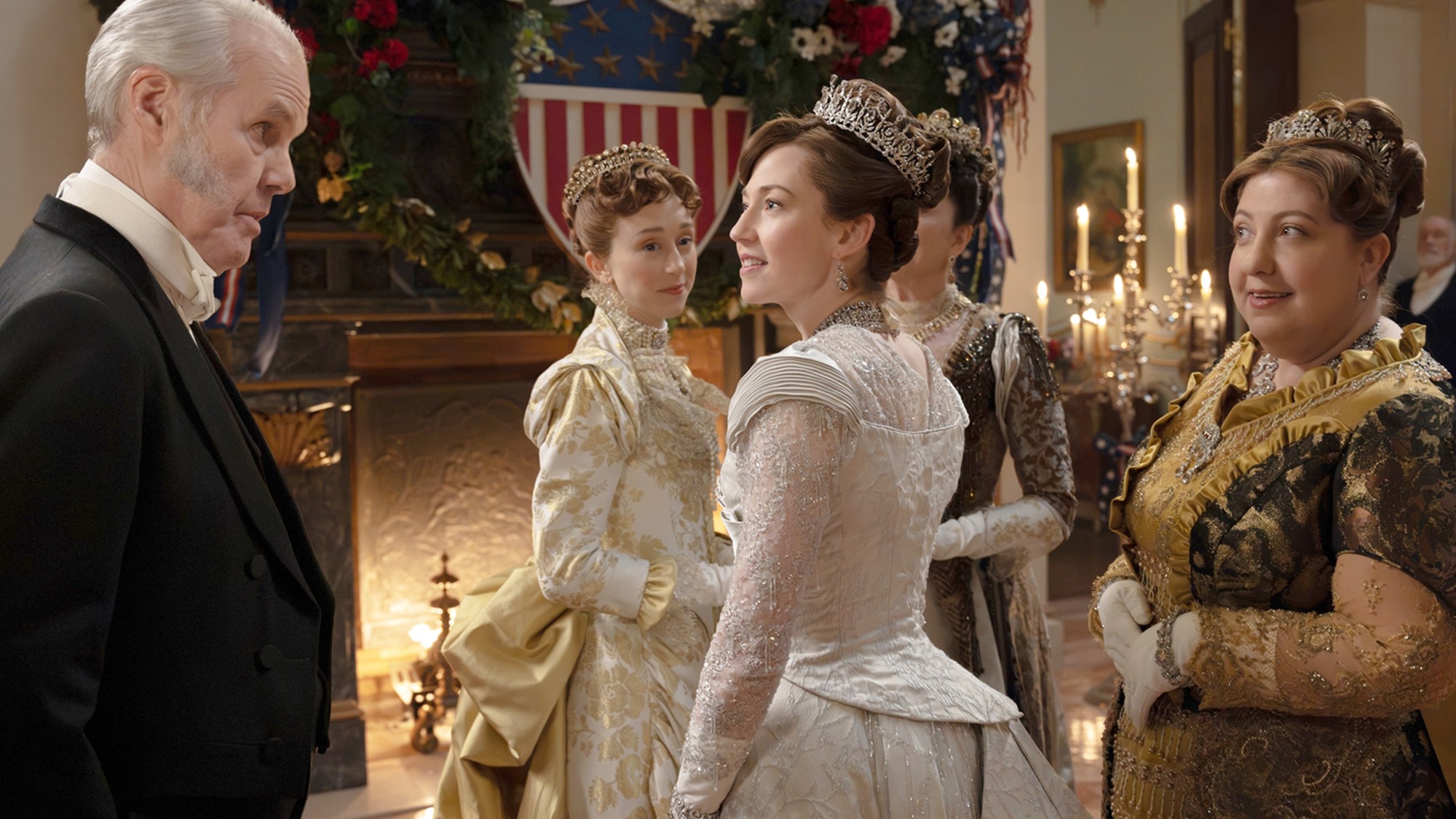
    What better way to escape the anxieties of our own gilded age than to bask in those of the 1880s? Julian Fellowes’ upstairs-downstairs drama returns to high-society New York City as the battle between new and old money rages on. Having vaulted up the social ladder, Carrie Coon’s Bertha Russell is confronting the marital fallout. Across the street, Christine Baranski’s Agnes van Rhijn prepares to host President Grover Cleveland even as sister Ada, played by Cynthia Nixon, maintains a grip on the family purse strings. Expect the tensions between the Russells and van Rhijns to erupt into all-out war. Sunday, Nov. 1, at 9 p.m., HBO and HBO Max


    FOOD & DRINK

    Wine: Classic Barolos

    While the best Barolos sell at “stratospheric” prices, “it’s possible to enjoy Barolo on a budget,” said Edward Deitch in Vinepair. So-called classic Barolos—entry-level wines typically made by blending grapes from various northern Italian communes—are “often the most ready-to-drink expressions,” and climate change has made them even more accessible. Every Barolo still ages at least 38 months before it’s sold, and benefits from further cellaring, but these can be enjoyed now. 

    2022 G.D. Vajra Barolo ‘Albe’ ($35) 
    “A Friday-night wine that you can drink now or in 20 years,” this value option combines “gentle” tannins and notes of “braised meat, mineral, and citrus.” 

    2022 Mirafiore Barolo ($48)
    Decant this one to tame the tannins and you’ll better appreciate the dark fruit notes “accented by earth, dried mushroom, and cinnamon.” 

    2021 Vietti Barolo ($54)
    This nicely balanced wine “shows concentrated notes of blackberry and blueberry cobbler with a hint of baking spices.”


    BOOK OF THE WEEK

    The Cauldron: The Making of the Modern Middle East

    by Simon Sebag Montefiore

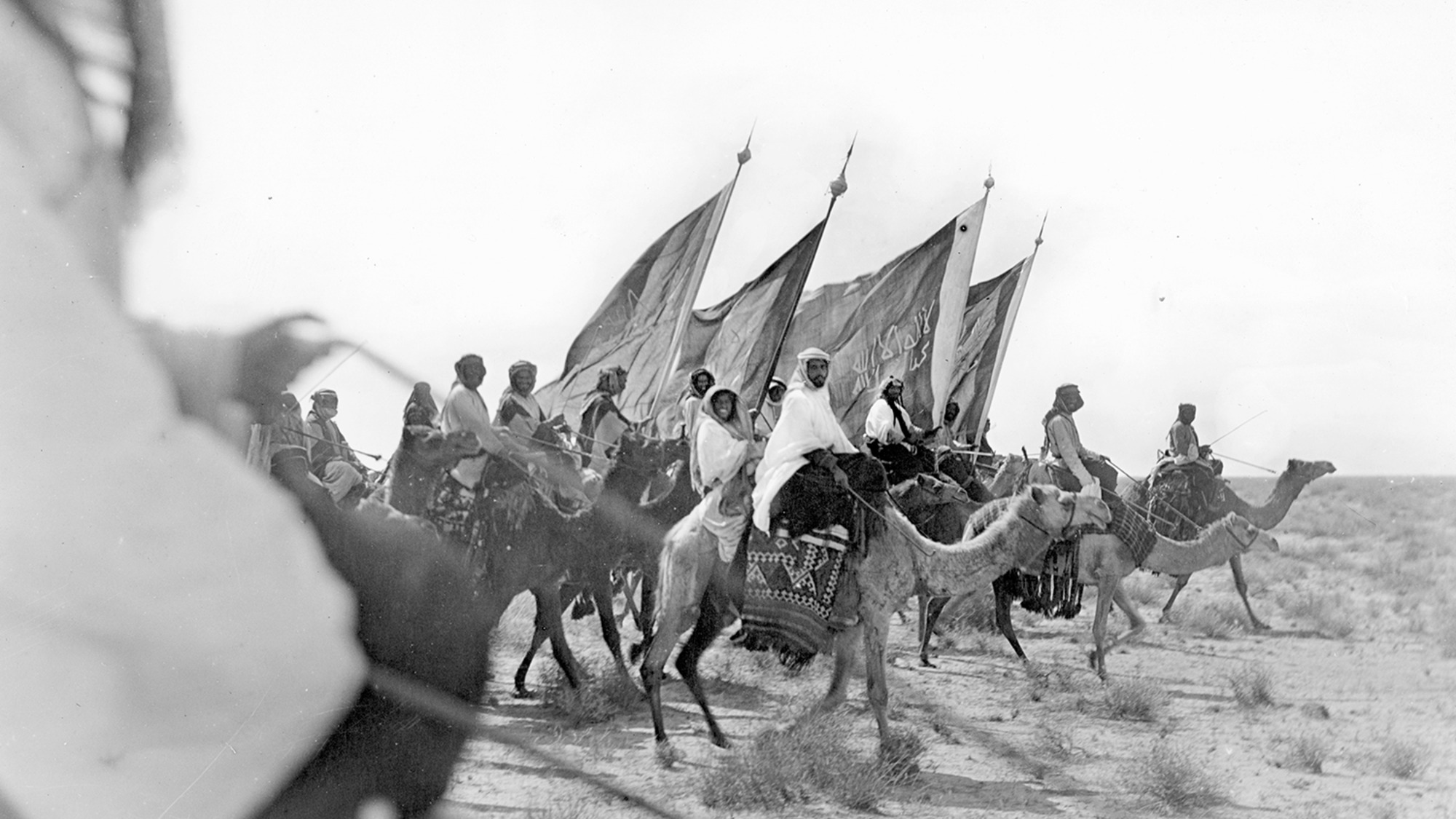
    Simon Sebag Montefiore’s latest best seller is “a triumph of blood-and-thunder narrative history,” said Sean McMeekin in The Wall Street Journal. At a time when conflict in the Middle East is again touching lives around the world, the British historian has delivered a sweeping and energetic account of the region’s turbulent last 125 years. Beginning in 1902, when the young prince Ibn Saud seized Riyadh to puncture Ottoman dominance, “Montefiore doesn’t play favorites, subjecting all his characters to scrutiny.” We get British and French meddling during and after World War I, the dramatic reset brought on by the next global conflict, and Cold War machinations that enflamed new conflicts. Then comes the 1979 Iranian Revolution, which Montefiore characterizes as epochal in its impact. “Not all his stories are original,” of course, “but he enriches them with fascinating details.” 

    “While vast in scope, The Cauldron is written in a way that is equally accessible to regional experts and neophytes,” said Jonathan Harounoff in the New York Post. Often, his story is carried by “the compelling and, at times, insidious characters who helped forge the Middle East we know today.” Jassim bin Mohammed Al Thani, Qatar’s founding emir, sired 56 children. King Farouk, who ruled Egypt for 16 years, was addicted to gambling, food, and sex. As Montefiore marches readers though various crises and flashpoints, said Mark Urban in The Times (U.K.), he shows a determination to nail down which actors deserve blame. “Time and again,” he shows that the region’s leaders have been more than mere puppets, having more agency than self-regarding Westerners might suspect. And though he rips into Iran’s Ayatollah Khomeini, today’s Israeli right wing, and many other regional players, “this is not a polemic but a work of history in which his judgments are rooted in deep research.” 

    The astonishing scope of the book is “both its greatest strength and its principal weakness,” said Sam Kiley in The Independent (U.K.). At his best, Montefiore “can make a complicated political order suddenly legible through a few deft sentences,” but the pileup of rulers, coups, and wars at times becomes “so dense that the reader can struggle to retain a firm sense of causation.” He also “distributes sympathy unevenly,” favoring pragmatists over fervent believers and, subtly, Israelis over Palestinians in the Middle East conflict that so often looms largest in the minds of outsiders. Montefiore is “too candid about Israeli wrongdoing to be described as an apologist.” Better yet, he’s written a book that anyone could learn from. “Its scholarship, range, and vitality make it an impressive achievement.”


    OBITUARY

    Margaret Hamilton

    The programmer who guided the moon landing

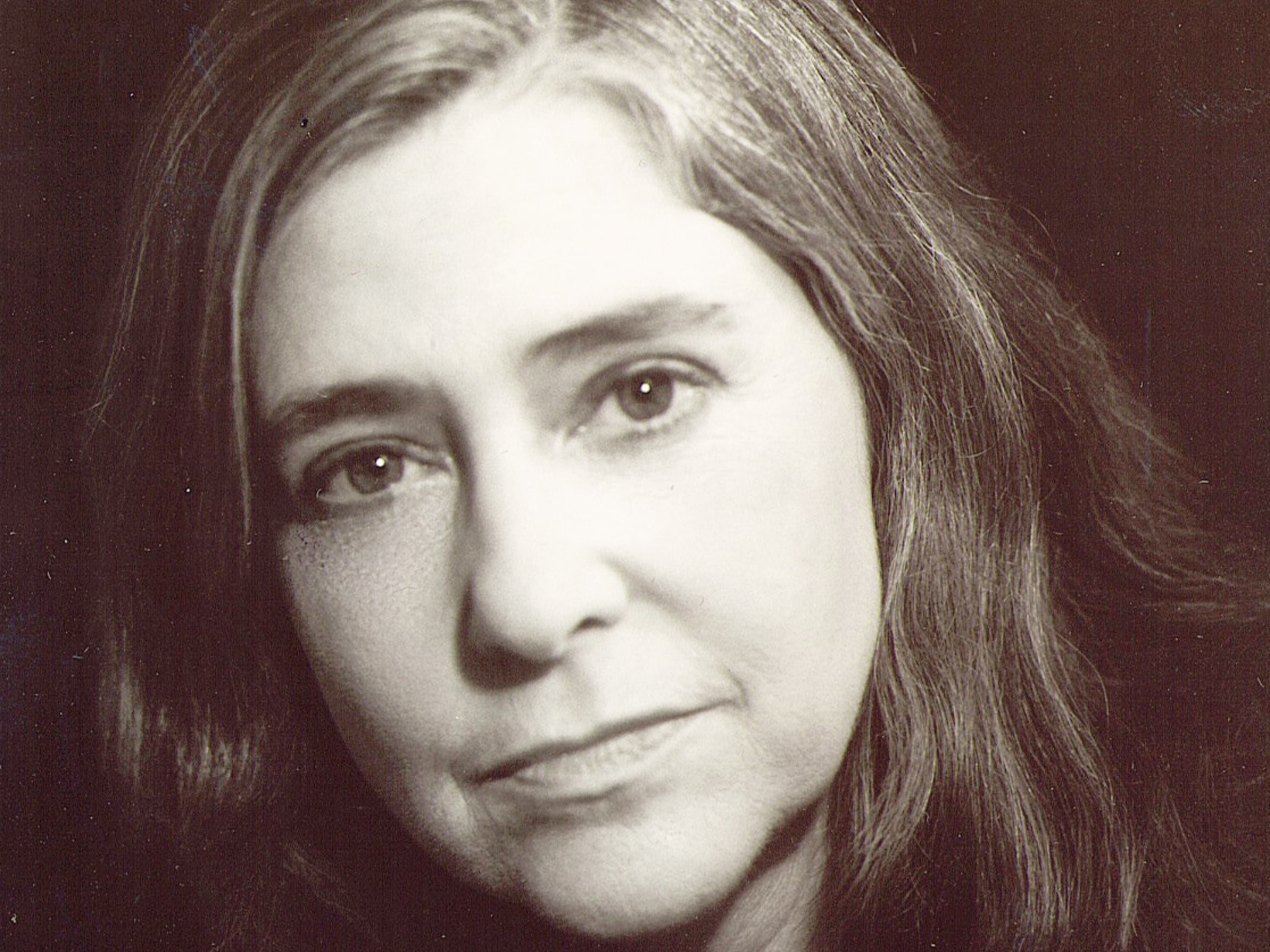
    When Margaret Hamilton took her first computer job, it was supposed to be a temporary detour for her career. The young mathematician planned to support her husband while he attended law school, then earn a doctorate and become a professor. But when she saw a want ad from a Massachusetts Institute of Technology lab seeking developers for the software to “send man to the moon,” her path was set. The first female programmer hired for NASA’s Apollo project, by 1968 she was leading the 100-­person team writing the code that powered the Apollo guidance computer—and had coined the term “software engineer.” Her work was integral to the success of all six Apollo voyages, including the July 1969 Apollo 11 mission that put Neil Armstrong and Buzz Aldrin on the moon. In those days “software was a mystery, a black box,” she said. “We had to find a way, and we did.” 

    Born in small-town Indiana, Margaret Heafield was the daughter of a college professor father and high school teacher mother, said The New York Times. After earning a math degree at Earlham College and marrying, she moved to Cambridge, Mass., so her husband could attend Harvard Law. Her first MIT job was writing weather-­prediction software under Edward Lorenz, the “father of modern chaos theory.” Then she developed programs for the Air Force to detect enemy aircraft. These jobs were open to women because “many managers viewed programmers as glorified typists,” said The Times (U.K.). Her work for NASA involved “handwriting code on sheets of paper and feeding boxes of hole-punched cards into a wardrobe-size mainframe.” Apollo’s onboard computers held only 72 kilobytes of memory; an iPhone 16 has more than 7 million times that amount. 

    A standout problem solver, Hamilton was known for “software that could anticipate and solve errors on its own,” said NPR.org. That paid off minutes before Apollo 11 was due to land on the moon, when alarms went off “signifying computer overload.” Her team “had built a system that could shut down unnecessary background tasks,” allowing the landing to continue. Later, she worked on Skylab and a design of the space shuttle before leaving MIT in 1976 to found a software company. Awarded the Presidential Medal of Freedom in 2016, she spoke often about the thrill of her NASA work. “Looking back, we were the luckiest people in the world,” she said. “There was no choice but to be pioneers.”


    Sunday Shortlist was written and edited by Susan Caskie, Ryan Devlin, Chris Erikson, Chris Mitchell, and Matt Prigge.

    Image credits, from top: Netflix; HBO; Getty; Daphne Weld Nichols
     

    Recent editions

    • Saturday Wrap

      Chaos in Trumpland

    • Evening Review

      What changes if Netanyahu loses?

    • Morning Report

      Ohio ad splits White House, GOP

    VIEW ALL
    TheWeek
    • About Us
    • Contact Future's experts
    • Terms and Conditions
    • Privacy Policy
    • Cookie Policy
    • Advertise With Us
    • FAQ
    Add as a preferred source on Google Add as a preferred source on Google

    The Week US is part of Future US Inc, an international media group and leading digital publisher. Visit our corporate site.

    © Future US, Inc. Full 7th Floor, 130 West 42nd Street, New York, NY 10036.