Sign up to get Today’s Best Articles in your inbox
Join 350,000+ subscribers and keep yourself informed with a selection of
The Week’s most interesting, enlightening and entertaining stories - plus daily puzzles.
You are now subscribed
Your newsletter sign-up was successful
Want to add more newsletters?
An account already exists for this email address, please log in.
How is the water crisis impacting the Israel-Gaza conflict?
A significant algae problem has caused sewage issues in the region
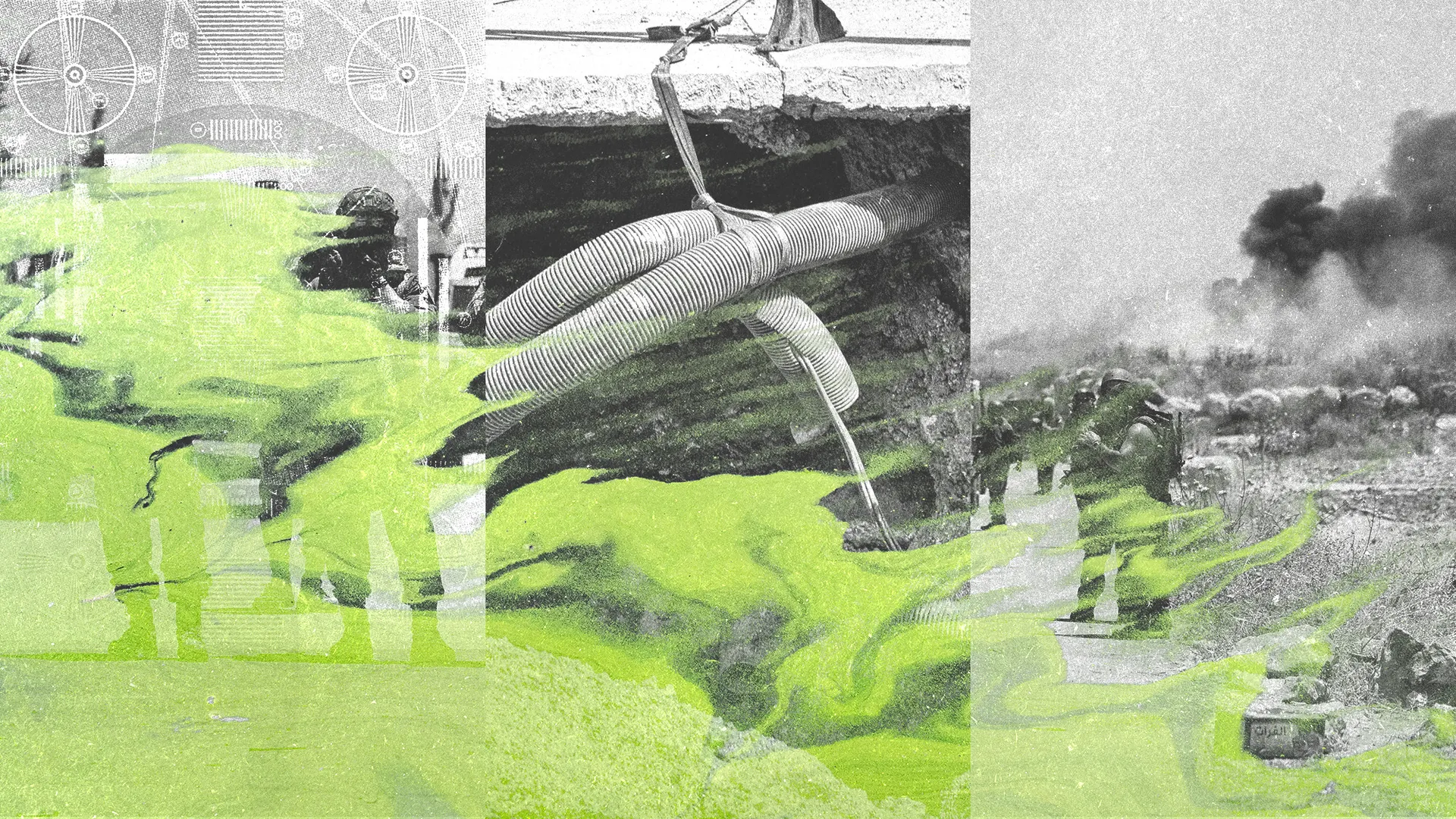
As the Israel-Hamas war nears its three-year mark, an outbreak of algae throughout Israel’s desalination plants is threatening the country’s water supplies, which could affect the sewage systems in Gaza. Experts say the ongoing war is likely to exacerbate the problem.
What did the commentators say?
The issue began after a microalgae bloom in the Mediterranean Sea forced five out of six desalination plants on the Israeli coast to shut down, according to Israel’s national water company Mekorot, per CNN. These plants remove salt from seawater, and their closures caused a ripple effect due to the “country’s heavy dependence on desalination for drinking water,” said the outlet. Israel is “arid and has neither big rivers nor abundant rainfall, but its mastery of this technology has made it a water superpower.”
While Israel itself is unlikely to see a shortage of water, it could lead to a compounding crisis in Gaza, which has already seen “many of its pipelines and water infrastructure destroyed during the devastating war with Israel,” said NBC News. The algae currently attacking Israel’s water supplies may actually be caused by the situation in Gaza.
The Week
Escape your echo chamber. Get the facts behind the news, plus analysis from multiple perspectives.
Join more than 350,000 subscribers and keep yourself informed with a selection of The Week’s most interesting, enlightening and entertaining stories - plus daily puzzles.
Join more than 350,000 subscribers and keep yourself informed with a selection of The Week’s most interesting, enlightening and entertaining stories - plus daily puzzles.
The “discharge of untreated sewage from the Gaza Strip into the sea is contributing to the worsening crisis affecting the Israeli desalination facilities,” the Zalul Environmental Association, an Israeli environmental NGO, told The Guardian. The wastewater “contains nutrients such as nitrogen and phosphorus, which feed microalgae.”
Scientists are “trying to assess possible environmental fallout from Gaza’s destroyed wastewater infrastructure” and determine how much of a role it may have played in the algae bloom, said Middle East Eye. Regardless of the cause, it is a “reminder of the dire humanitarian conditions facing 2 million Gazans,” said The Washington Post. Gazans have “faced severe water shortages and have often resorted to using makeshift latrines.”
What next?
This kind of event will probably keep happening thanks to the steadily warming planet. It’s a “fair estimation that this will not be a once-in-a-lifetime” thing, Edo Bar-Zeev, an associate professor in water research at Israel’s Ben-Gurion University, said to CNN. People “can assume that this will occur more and more through climate change.”
Sign up to get Today’s Best Articles in your inbox
A free daily email with the day’s biggest news and analysis – and the best features from TheWeek.com
Justin Klawans has worked as a staff writer at The Week since 2022. He began his career covering local news before joining Newsweek as a breaking news reporter, where he wrote about politics, national and global affairs, business, crime, sports, film, television and other news. Justin has also freelanced for outlets including Collider and United Press International.