Sign up to get Today’s Best Articles in your inbox
Join 350,000+ subscribers and keep yourself informed with a selection of
The Week’s most interesting, enlightening and entertaining stories - plus daily puzzles.
You are now subscribed
Your newsletter sign-up was successful
Want to add more newsletters?
An account already exists for this email address, please log in.
A surgeon shortage creates challenges in rural communities
Over a third of counties in the U.S. reportedly have no general surgeons
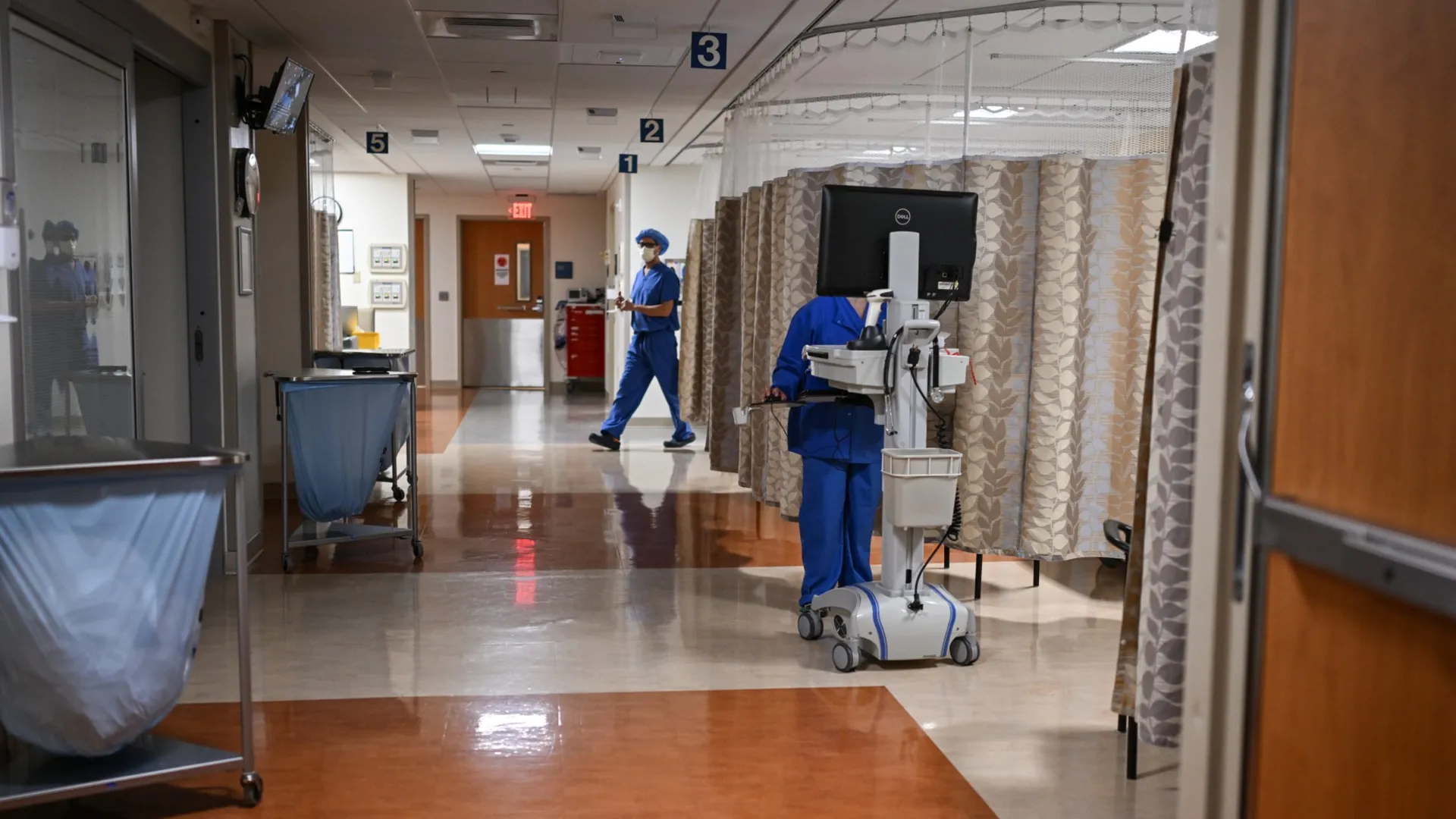
For Americans in rural communities, getting adequate health treatment has often been an uphill battle. Now, new research shows just how dire the state of healthcare is in these areas, particularly because of a dearth of surgeons in places across the United States.
How bad is the surgeon shortage?
Currently, 1,180 out of 3,144 counties in the United States — more than a third — have no general surgeon, and at least 951 of them “have no surgeon in any of 12 surgical specialties,” said a recent report from the American College of Surgeons (ACS). These shortages represent “15.1 million people lacking access to surgical care.” At least 434 rural hospitals are also in counties “with no identified full-time surgeon.”
Surgeon supply across all specialties is significantly varied and “12 times higher in some regions than others,” said the ACS. And the paucity is likely to increase during the coming years. The U.S. is “projected to be short nearly 28,000 surgeons by 2038, with the workforce meeting just 84.3% of national need,” said a separate ACS study. The greatest gaps are expected to be in “vascular surgery, ophthalmology, thoracic surgery and plastic surgery.”
The Week
Escape your echo chamber. Get the facts behind the news, plus analysis from multiple perspectives.
Join more than 350,000 subscribers and keep yourself informed with a selection of The Week’s most interesting, enlightening and entertaining stories - plus daily puzzles.
Join more than 350,000 subscribers and keep yourself informed with a selection of The Week’s most interesting, enlightening and entertaining stories - plus daily puzzles.
Rural communities can be harmed in various ways. While many people “assume that surgeons primarily perform elective procedures, many surgeons in rural communities serve multiple roles,” study co-author Dr. Thomas Tsai, the medical director for health policy research at the ACS, said to Time. “Access to surgeons is the keystone for the broader rural healthcare ecosystem.” Part of the problem is that “training isn’t keeping pace with demand, especially as the country ages and needs more medical procedures.”
Bringing in more surgeons is crucial because the “average American may undergo as many as 20 diagnostic and therapeutic procedures over the course of their life, factoring in minor procedures such as endoscopies to major operations,” Tsai told the industry outlet Fierce Healthcare. The “ability to provide innovative surgical care is a feature and not a flaw of the U.S. healthcare system,” and Americans “need the resources to both expand the supply of surgeons in the U.S. and to sustain viable surgical practices” in rural areas.
Sign up to get Today’s Best Articles in your inbox
A free daily email with the day’s biggest news and analysis – and the best features from TheWeek.com
Justin Klawans has worked as a staff writer at The Week since 2022. He began his career covering local news before joining Newsweek as a breaking news reporter, where he wrote about politics, national and global affairs, business, crime, sports, film, television and other news. Justin has also freelanced for outlets including Collider and United Press International.