Sign up to get Today’s Best Articles in your inbox
Join 350,000+ subscribers and keep yourself informed with a selection of
The Week’s most interesting, enlightening and entertaining stories - plus daily puzzles.
You are now subscribed
Your newsletter sign-up was successful
Want to add more newsletters?
An account already exists for this email address, please log in.
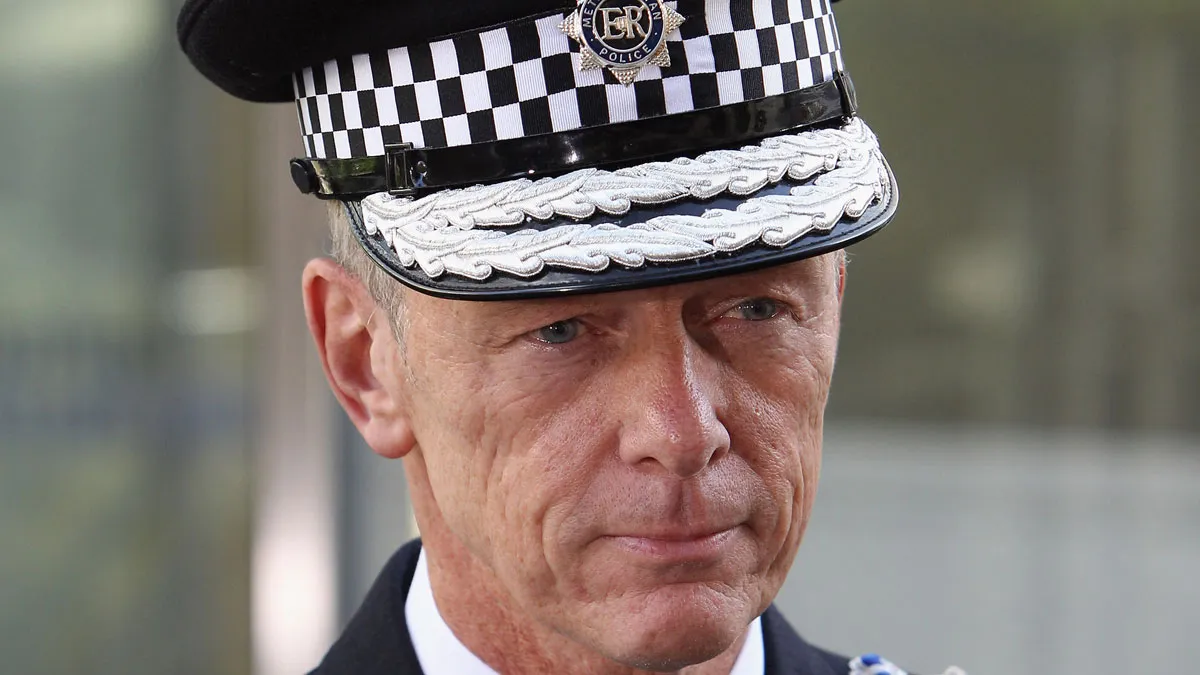
UK terror attack a case of 'when, not if', says police chief
Sir Bernard Hogan-Howe speaks out as assistant commissioner praises role of public in fighting terrorism
Every day, the public make more than 3,600 contributions to the fight against terror, according to Britain’s most senior counter-terrorism police officer.
Writing in his blog, Assistant Commissioner Mark Rowley says cooperation between the public and the police is the country’s "greatest advantage" in combating terror and is “more important than ever before”.
Rowley's comments come one day after London police chief Sir Bernard Hogan-Howe cautioned it was a case of "when, not if" a terrorist attack happens in the UK.
The Week
Escape your echo chamber. Get the facts behind the news, plus analysis from multiple perspectives.
Join more than 350,000 subscribers and keep yourself informed with a selection of The Week’s most interesting, enlightening and entertaining stories - plus daily puzzles.
Join more than 350,000 subscribers and keep yourself informed with a selection of The Week’s most interesting, enlightening and entertaining stories - plus daily puzzles.
"I know you want me to reassure you. I am afraid I cannot do that entirely," he said.
The latest warnings produced outrage from tabloid columnist Katie Hopkins, who railed against the Metropolitan Police commissioner on her LBC radio show. “Frankly, I do live in fear. I do live in hate,” she told listeners.
Azi Ahmed in The Independent offered a different perspective on Rowley’s advice that people should tell the police if they think someone is being radicalised.
She writes about "Jihadi Joannas" - Muslim girls who are "evolving into women, having a sense of themselves, their femininity, their hormones ready to explode - and yet they couldn’t express any of this".
Sign up to get Today’s Best Articles in your inbox
A free daily email with the day’s biggest news and analysis – and the best features from TheWeek.com
She adds that the three British schoolgirls who disappeared from their London homes last year to join Isis in Syria, and who are now feared dead, did not go to the Middle East to fight - “they went there for love... They’re just confused teenagers.”