Sign up to get Today’s Best Articles in your inbox
Join 350,000+ subscribers and keep yourself informed with a selection of
The Week’s most interesting, enlightening and entertaining stories - plus daily puzzles.
You are now subscribed
Your newsletter sign-up was successful
Want to add more newsletters?
An account already exists for this email address, please log in.
Is Saudi Arabia losing its lustre?
Regime’s bold plan to diversify economy away from oil ‘faces existential hurdle with unprecedented Houthi attacks’ and waning confidence among foreign investors
The events of the past week ‘highlight the profound dilemma facing MBS, who must juggle immediate security imperatives and long-term economic interests’
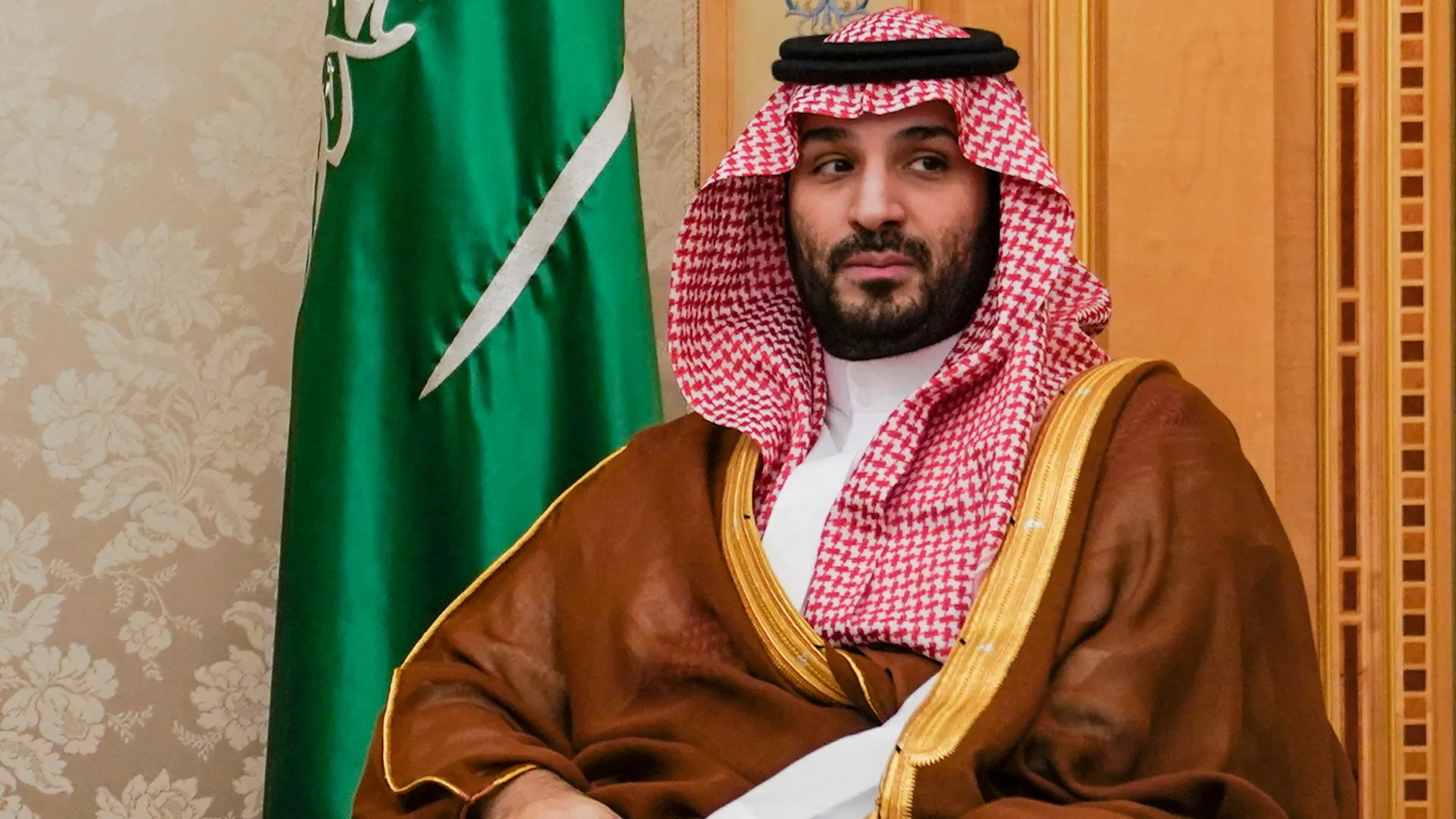
(Image credit: Nathan Howard / Pool / AFP / Getty Images)
The deadly missile attack by Houthi rebels on Riyadh’s international airport last week “exposed vulnerabilities in the kingdom’s defences that have heaped pressure on the Saudi royal family”, said The Observer.
Thirteen people were killed and hundreds injured in the assault on the heart of Saudi power. “At a stroke, the attack shattered the kingdom’s effort to establish its reputation as a secure global investment hub, backed by world-class sporting events, as it tries to diversify away from a dependence on oil.”
What did the commentators say?
Crown Prince Mohammed bin Salman’s bold Saudi Vision 2030 aims to turn the oil-rich country into a hub for tourism, international events and multinational enterprises. Iran’s attacks on US allies in the Gulf had already “dealt a blow” to MBS’ plan, said Agence France-Presse. It “now faces an existential hurdle with unprecedented Houthi attacks, in particular targeting oil infrastructure and airports”.
The Week
Escape your echo chamber. Get the facts behind the news, plus analysis from multiple perspectives.
Join more than 350,000 subscribers and keep yourself informed with a selection of The Week’s most interesting, enlightening and entertaining stories - plus daily puzzles.
Join more than 350,000 subscribers and keep yourself informed with a selection of The Week’s most interesting, enlightening and entertaining stories - plus daily puzzles.
“I can’t think of another time when the challenge facing MBS was more,” said H.A. Hellyer, an analyst at the Royal United Services Institute think tank.
Houthi attacks have already caused a number of major events to be cancelled, most notably the Future Investment Initiative, nicknamed “Davos in the desert”, which forms the centrepiece of MBS’ diversification drive. Upcoming summits between the EU and Gulf Cooperation Council, the inaugural MIPIM Middle East real estate investment event and the Six Kings Slam tennis exhibition tournament have also been disrupted.
Saudi Arabia’s hosting of football’s Asian Cup in January and February is also now “being questioned”, said Rob Draper in The Guardian. As a result “the kingdom’s position in the sporting landscape looks hugely different from a year ago”.
“For Saudi Arabia’s economic transformation to succeed, it needs to welcome global talent, investment and tourists,” said The Washington Post. But “you can’t do that when people can’t land in your country safely,” said Kristen Smith Diwan, from the Arab Gulf States Institute think tank in Washington.
Sign up to get Today’s Best Articles in your inbox
A free daily email with the day’s biggest news and analysis – and the best features from TheWeek.com
The events of the past week “highlight the profound dilemma facing MBS, who must juggle immediate security imperatives and long-term economic interests”, said the Post.
What next?
Riyadh’s decision to delay the Future Investment Initiative until 2027 underscores the regime’s “willingness to make difficult decisions – as showcased by an ability to pivot from projects like Neom to sectors like artificial intelligence”, said Bloomberg.
But even before the US’ war against Iran began in February, some international investors and Wall Street firms had begun “questioning whether there was enough money to be made in Saudi Arabia”. Analysts now fear “the fallout from the war will hurt the kingdom’s attractiveness”.
Saudi Arabia’s image as “the premier investment destination within the Gulf has taken a hit”, said Matthew Mullman, from Signum Global Advisors. Firms, he said, could now question the case for building critical infrastructure in the kingdom.
The country “can reduce its exposure through diplomacy and a serious Yemeni political process, but a ceasefire cannot endure if it leaves the country’s power struggle unresolved”, said Amine Ayoub, from the Middle East Forum, on Ynet Global. “Riyadh’s nightmare is not merely the Houthi arsenal” but that “strategic choices helped strengthen an adversary whose consequences continue to outlast the policies that produced them”.