Archaeologists discover Stonehenge was once a full circle

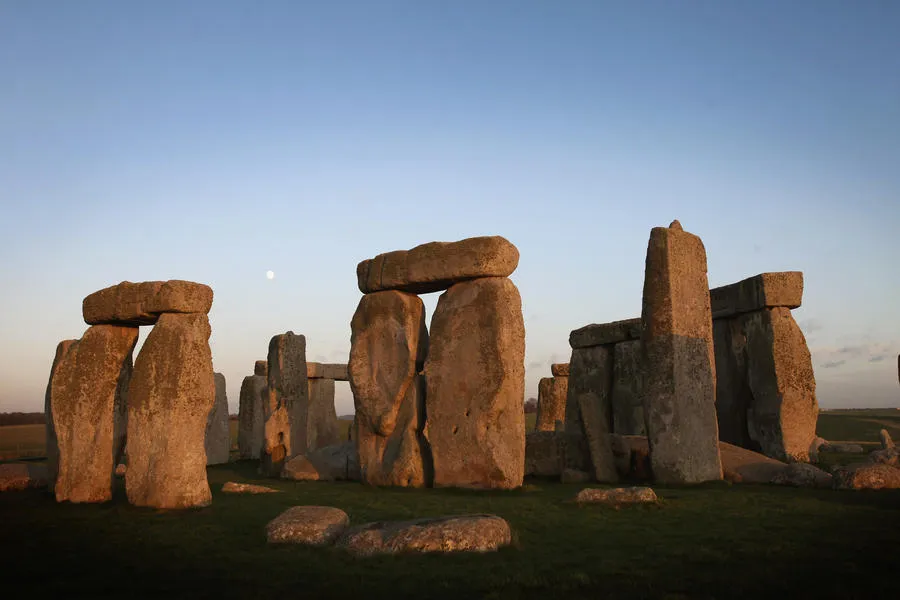
This summer's weather patterns have just yielded the answer to a centuries-old question: Archaeologists can now say with certainty that Stonehenge was once a full circle.
Historians have speculated whether or not the Neolithic stones at Stonehenge were purposely left incomplete. But a recent dry spell, coupled with sheer chance, revealed the faint outline of the missing stones. While stewards normally water the grounds with a hose, the one they used this year was apparently just a little too short to reach the inner circle of stones, and this extra drying allowed for the discovery.
The Week
Escape your echo chamber. Get the facts behind the news, plus analysis from multiple perspectives.

Sign up for The Week's Free Newsletters
Join more than 350,000 subscribers and keep yourself informed with a selection of The Week’s most interesting, enlightening and entertaining stories - plus daily puzzles.
Join more than 350,000 subscribers and keep yourself informed with a selection of The Week’s most interesting, enlightening and entertaining stories - plus daily puzzles.


