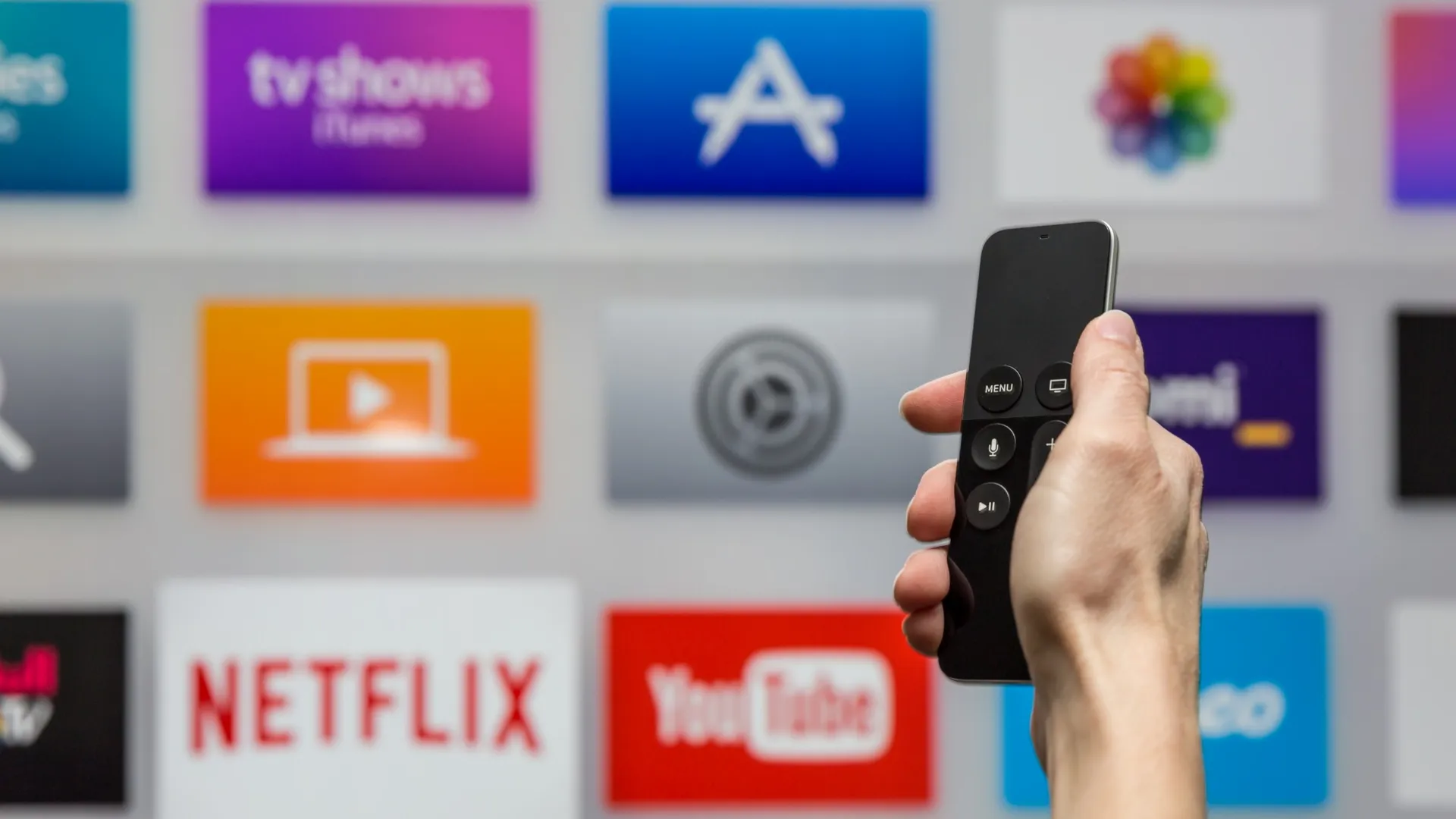
The Federal Communications Commission unveiled plans today that will effect the future of the internet. In a 3-2 vote, FCC members approved a plan for an "internet fast lane," which would let large companies pay internet service providers (ISPs) for preferred access to users on their networks. That means companies that transmit tons of data, like Netflix or Amazon, would have their content reach customers faster than those of companies who don't pay the ISPs.
The announcement serves as a big blow for proponents of net neutrality, who say that all internet traffic should be treated equally. (The New York Times has a helpful video that explains the significance of net neutrality.) They say the proposal gives an "unfair advantage" to companies with deep pockets who can afford to pay off ISPs, thus blocking out smaller outlets. "And without competition, those giants would be free to charge you more," notes Business Insider.
The Week
Escape your echo chamber. Get the facts behind the news, plus analysis from multiple perspectives.

Sign up for The Week's Free Newsletters
Join more than 350,000 subscribers and keep yourself informed with a selection of The Week’s most interesting, enlightening and entertaining stories - plus daily puzzles.
Join more than 350,000 subscribers and keep yourself informed with a selection of The Week’s most interesting, enlightening and entertaining stories - plus daily puzzles.