Archaeologists reveal 2nd-century bronze relics accidentally discovered by metal detectorist

Archaeologists in the U.K. have revealed a decorated bronze jug handle, a Samian ware cup, and a burial urn from the second-century C.E. burial site of a wealthy Roman. A group of "Weekend Wanderers" found the artifacts by accident when exploring a Whitchurch field with metal detectors.
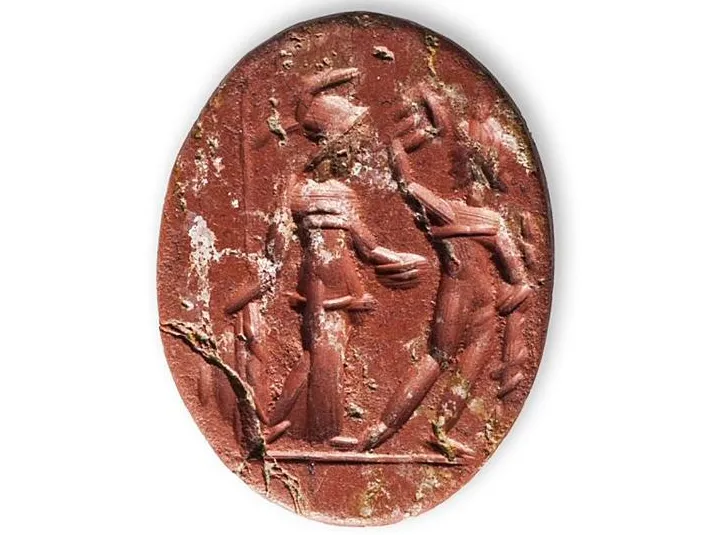
After the metal detectorist noted the find, experts from Oxford Archaeology unearthed the bronze handle, along with a cremation casket and even the remains of food and drink, during an excavation in October. The excavation also revealed a red jasper intaglio ring depicting Minerva and Mercury. The bronze handle and decorated cup are the most important finds from the site, the archaeologists noted.
The Week
Escape your echo chamber. Get the facts behind the news, plus analysis from multiple perspectives.

Sign up for The Week's Free Newsletters
Join more than 350,000 subscribers and keep yourself informed with a selection of The Week’s most interesting, enlightening and entertaining stories - plus daily puzzles.
Join more than 350,000 subscribers and keep yourself informed with a selection of The Week’s most interesting, enlightening and entertaining stories - plus daily puzzles.

-
-
 talking pointsA leadership power vacuum may await Republicans
 -
 QUOTE OF THE DAY‘What kind of culture looks at sexual violence and sees an opportunity for profit? This is rape culture. And it should disturb every single one of us.’
 -
 today’s big questionHow long can US consumers continue their spending spree?
-
-
-
talking pointsA leadership power vacuum may await Republicans
-
QUOTE OF THE DAY‘What kind of culture looks at sexual violence and sees an opportunity for profit? This is rape culture. And it should disturb every single one of us.’
-
today’s big questionHow long can US consumers continue their spending spree?
-