This is the amazing story of the oldest Neanderthal DNA ever studied

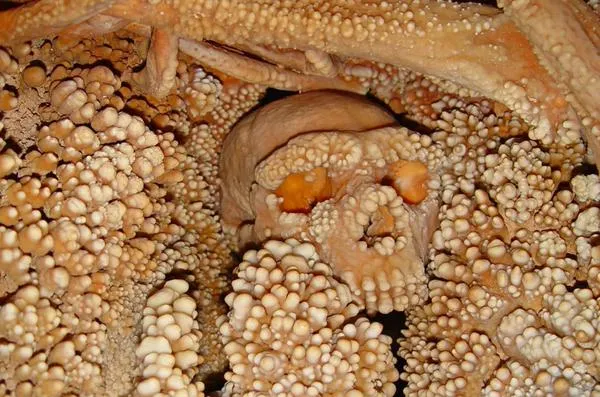
The Altamura Man, a Neanderthal who lived roughly 150,000 years ago, was discovered accidentally in 1993 when cavers in Puglia, Italy found his skeleton hidden in a maze of tunnels. They couldn't call archaeologists to excavate the remains, though, because the man's body, other than his skull and part of his shoulder, melded with the cave's calcite concretions. Scientists believe the man fell into a well and starved to death there, eventually being covered in limestone.
The Week
Escape your echo chamber. Get the facts behind the news, plus analysis from multiple perspectives.

Sign up for The Week's Free Newsletters
Join more than 350,000 subscribers and keep yourself informed with a selection of The Week’s most interesting, enlightening and entertaining stories - plus daily puzzles.
Join more than 350,000 subscribers and keep yourself informed with a selection of The Week’s most interesting, enlightening and entertaining stories - plus daily puzzles.