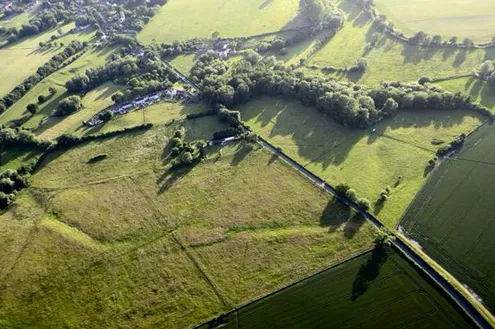
Archaeologists have discovered a monument from Stone Age Britain that makes Stonehenge look small. The ancient henge, Marden Henge, is 10 times bigger than Stonehenge, with walls that stand 10 feet high and enclose nearly 40 acres of land. "For all the attention that has been lavished on Stonehenge over the years, we may well find out that Marden was where it was really at during the Neolithic," Jim Leary, director of the archaeology field school at the University of Reading, told National Geographic.
The Week
Escape your echo chamber. Get the facts behind the news, plus analysis from multiple perspectives.

Sign up for The Week's Free Newsletters
Join more than 350,000 subscribers and keep yourself informed with a selection of The Week’s most interesting, enlightening and entertaining stories - plus daily puzzles.
Join more than 350,000 subscribers and keep yourself informed with a selection of The Week’s most interesting, enlightening and entertaining stories - plus daily puzzles.


