Donald Trump is taking a page from Barack Obama's brilliant 2008 campaign playbook

A free daily email with the biggest news stories of the day – and the best features from TheWeek.com
You are now subscribed
Your newsletter sign-up was successful
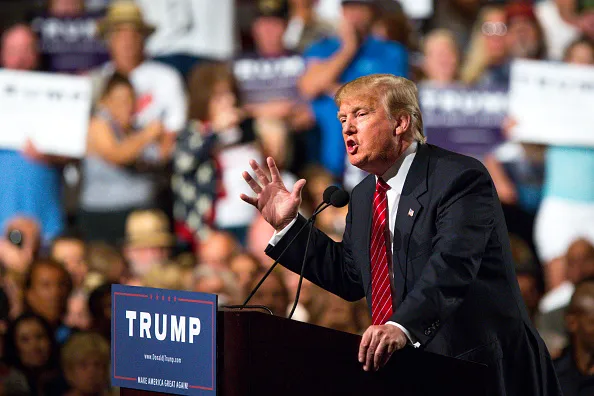
If you are inclined to believe that Donald Trump's campaign for president is some meta-reality television show, think again: The Donald is rolling out an impressive ground game in Iowa, whose caucuses in February will be the first presidential primary contest in the nation, reports The Washington Post. As a member of Rick Perry's Iowa team tells the Post, "I see [Trump's campaign] as a major threat to all the other campaigns because of the aggressiveness of their ground game."
The Post notes that Trump is building a large field organization and that his Iowa campaign director, Chuck Laudner, helped lead Rick Santorum to victory there in 2012. But perhaps the most interesting aspect of Trump's strategy comes straight from Barack Obama's successful insurgent campaign in 2008, which involved expanding the pool of voters to include those who hadn't caucused before:
Turnout in Iowa caucuses is historically low. In 2012, only 121,000 of the state's roughly 600,000 registered Republican voters participated. In 2016, strategists expect turnout to increase to 140,000 or higher..."We're reaching people that the Republican apparatus doesn't even know exist," Laudner said. “The other day, one woman came up to say, 'Hello, a lifelong Iowan.' Her first question to us was, 'What's a caucus?' After we told her, she wanted to help." [The Washington Post]
Trump is dominating the field in Iowa, according to the latest CNN/ORC poll. He will visit the state this weekend.
The Week
Escape your echo chamber. Get the facts behind the news, plus analysis from multiple perspectives.
Sign up for The Week's Free Newsletters
From our morning news briefing to a weekly Good News Newsletter, get the best of The Week delivered directly to your inbox.
A free daily email with the biggest news stories of the day – and the best features from TheWeek.com
Ryu Spaeth is deputy editor at TheWeek.com. Follow him on Twitter.
-
Colbert, CBS spar over FCC and Talarico interviewSpeed Read The late night host said CBS pulled his interview with Democratic Texas state representative James Talarico over new FCC rules about political interviews
-
The Week contest: AI bellyachingPuzzles and Quizzes
-
Political cartoons for February 18Cartoons Wednesday’s political cartoons include the DOW, human replacement, and more
-
Judge orders Washington slavery exhibit restoredSpeed Read The Trump administration took down displays about slavery at the President’s House Site in Philadelphia
-
Hyatt chair joins growing list of Epstein files losersSpeed Read Thomas Pritzker stepped down as executive chair of the Hyatt Hotels Corporation over his ties with Jeffrey Epstein and Ghislaine Maxwell
-
Judge blocks Hegseth from punishing Kelly over videoSpeed Read Defense Secretary Pete Hegseth pushed for the senator to be demoted over a video in which he reminds military officials they should refuse illegal orders
-
Trump’s EPA kills legal basis for federal climate policySpeed Read The government’s authority to regulate several planet-warming pollutants has been repealed
-
House votes to end Trump’s Canada tariffsSpeed Read Six Republicans joined with Democrats to repeal the president’s tariffs
-
Bondi, Democrats clash over Epstein in hearingSpeed Read Attorney General Pam Bondi ignored survivors of convicted sex offender Jeffrey Epstein and demanded that Democrats apologize to Trump
-
El Paso airspace closure tied to FAA-Pentagon standoffSpeed Read The closure in the Texas border city stemmed from disagreements between the Federal Aviation Administration and Pentagon officials over drone-related tests
-
Judge blocks Trump suit for Michigan voter rollsSpeed Read A Trump-appointed federal judge rejected the administration’s demand for voters’ personal data