Jim Gilmore just wanted to get 'some recognition' in New Hampshire

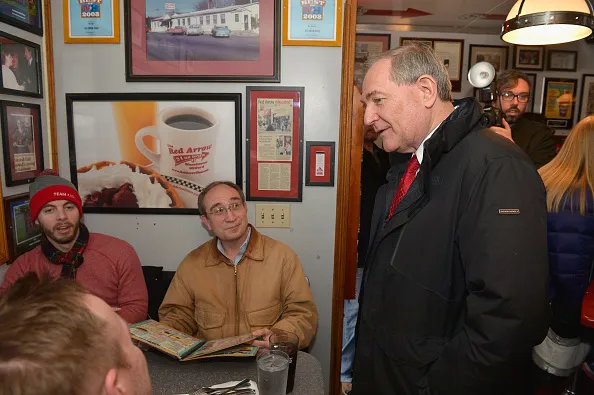
Jim Gilmore has a theory as to why he's virtually unknown among the Republican presidential candidates.
"I entered the race having been out of office for a considerable amount of time," he told USA Today. "I wasn't a sitting governor, my father wasn't president, and my brother wasn't president." Gilmore, the former governor of Virginia, was upbeat at his primary party in New Hampshire on Tuesday, attended by less than a dozen people. "I don't think we'll win this thing," he told one supporter, "but let's see if we can get some recognition."
The Week
Escape your echo chamber. Get the facts behind the news, plus analysis from multiple perspectives.

Sign up for The Week's Free Newsletters
Join more than 350,000 subscribers and keep yourself informed with a selection of The Week’s most interesting, enlightening and entertaining stories - plus daily puzzles.
Join more than 350,000 subscribers and keep yourself informed with a selection of The Week’s most interesting, enlightening and entertaining stories - plus daily puzzles.



