Clinton crushed Sanders among New York black and Latino voters, according to exit polls

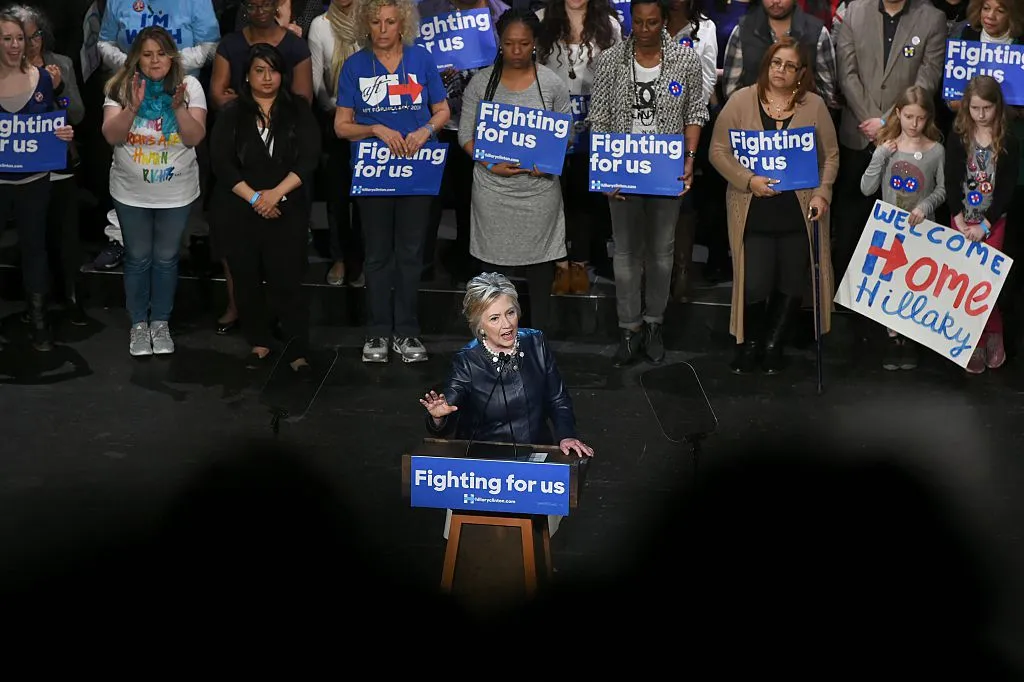
Sen. Bernie Sanders won voters aged 18 to 29, independents, single men, people who describe themselves as "very liberal," the religiously unaffiliated, white men, and white voters without a college degree in New York's Democratic primary, according to exit polls, but Hillary Clinton won all other demographics. Clinton won 75 percent of the black vote (22 percent of the Democratic electorate), 63 percent of Latinos (14 percent of the electorate), and 49 percent of white voters overall (60 percent of the electorate), including 42 percent of white men and 54 percent of white women.
The biggest founts of support for Sanders were white males (58 percent), voters 18-24 (82 percent), non-married white men (67 percent), and voters who normally consider themselves "independent or something else" (74 percent): Clinton won Democrats, 61 percent to 39 percent. Sanders also won 83 percent of voters who most value a candidate who is "honest and trustworthy" and 70 percent of those who want the next president to "change to more liberal policies" than President Obama. Clinton won 90 percent of voters looking for a candidate who "has the right experience," 84 percent who want someone who "can win in November," and 74 percent who want a president to "generally continue Barack Obama's policies."
The Week
Escape your echo chamber. Get the facts behind the news, plus analysis from multiple perspectives.

Sign up for The Week's Free Newsletters
Join more than 350,000 subscribers and keep yourself informed with a selection of The Week’s most interesting, enlightening and entertaining stories - plus daily puzzles.
Join more than 350,000 subscribers and keep yourself informed with a selection of The Week’s most interesting, enlightening and entertaining stories - plus daily puzzles.


