U.S. blasts South Sudan government over reaction to famine

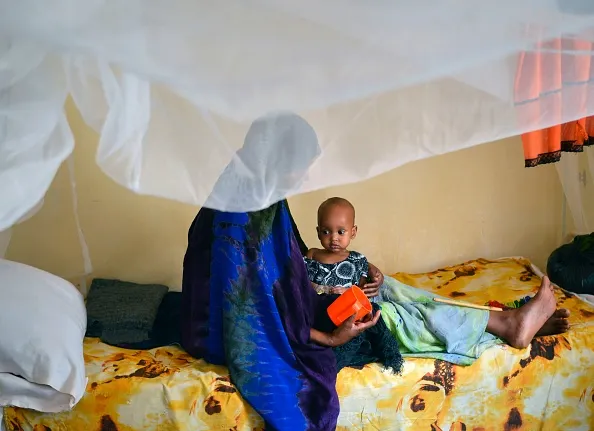
In South Sudan, about 5.5 million people — almost half the population — face food shortages, and the U.S. is casting blame on the government.
"The famine is not a result of drought, it is the result of leaders more interested in political power and personal gain than in stopping violence and allowing humanitarian access," Deputy U.S. Ambassador Michele Sison told the U.N. Security Council on Thursday. "The government's continued unconscionable impediments to humanitarians seeking access to famine-stricken populations may amount to deliberate starvation tactics." Recently, South Sudan increased the price of work permit fees for foreign aid workers to $10,000.
The Week
Escape your echo chamber. Get the facts behind the news, plus analysis from multiple perspectives.

Sign up for The Week's Free Newsletters
Join more than 350,000 subscribers and keep yourself informed with a selection of The Week’s most interesting, enlightening and entertaining stories - plus daily puzzles.
Join more than 350,000 subscribers and keep yourself informed with a selection of The Week’s most interesting, enlightening and entertaining stories - plus daily puzzles.


