Sign up to get Today’s Best Articles in your inbox
Join 350,000+ subscribers and keep yourself informed with a selection of
The Week’s most interesting, enlightening and entertaining stories - plus daily puzzles.
You are now subscribed
Your newsletter sign-up was successful
Want to add more newsletters?
An account already exists for this email address, please log in.
This new Trump administration policy could force asylum seekers at the southern border to Honduras
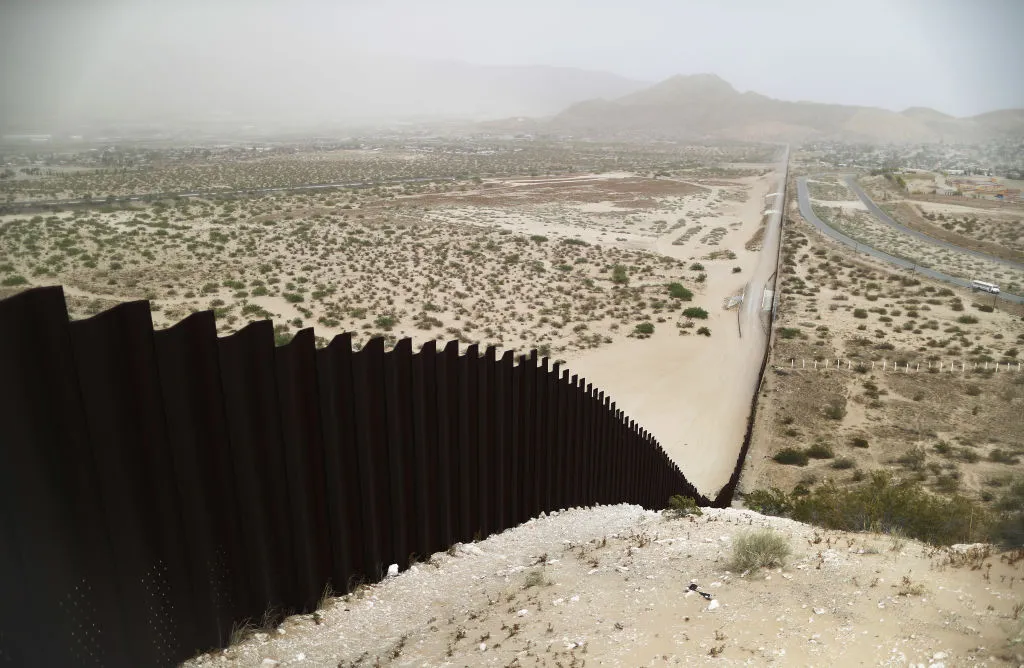
Asylum seekers who show up at America's southern border could now end up in one of three Central American countries.
It doesn't matter if those asylum seekers came from Central America in the first place, they can still be sent back to El Salvador, Guatemala, and now Honduras under a set of newly enacted agreements if they didn't seek asylum in those countries first.
On Wednesday, the Trump administration announced it had reached an agreement with Honduras to send asylum seekers back to the country, despite it being filled with violence and poverty. That economic situation is similar to what's happening in El Salvador and Guatemala, prompting massive "caravans" of migrants to stream north seeking asylum in the U.S. But under agreements between the U.S. and the three countries, asylum seekers who didn't even come through those countries can be immediately rejected by the U.S. and sent there anyway, The Washington Post reports.
The Week
Escape your echo chamber. Get the facts behind the news, plus analysis from multiple perspectives.
Join more than 350,000 subscribers and keep yourself informed with a selection of The Week’s most interesting, enlightening and entertaining stories - plus daily puzzles.
Join more than 350,000 subscribers and keep yourself informed with a selection of The Week’s most interesting, enlightening and entertaining stories - plus daily puzzles.
People who came through El Salvador and Honduras will primarily be sent to the northernmost Guatemala, Latin American officials tell The Wall Street Journal. El Salvador and Honduras, meanwhile, will be designated to receive "extracontinental" migrants such as those from Cuba, Haiti, and Africa. The only way to avoid this policy and pursue asylum in the U.S. would be if a person's request for asylum is rejected in those countries. American officials are also openly considering trying to enact a similar deal with Mexico, but have held out because Mexico has stepped up its immigration enforcement and seen its migration numbers drop.
Sign up to get Today’s Best Articles in your inbox
A free daily email with the day’s biggest news and analysis – and the best features from TheWeek.com
Kathryn is a graduate of Syracuse University, with degrees in magazine journalism and information technology, along with hours to earn another degree after working at SU's independent paper The Daily Orange. She's currently recovering from a horse addiction while living in New York City, and likes to share her extremely dry sense of humor on Twitter.