Here's how tensions with Iran might affect the U.S.'s ability to fight ISIS

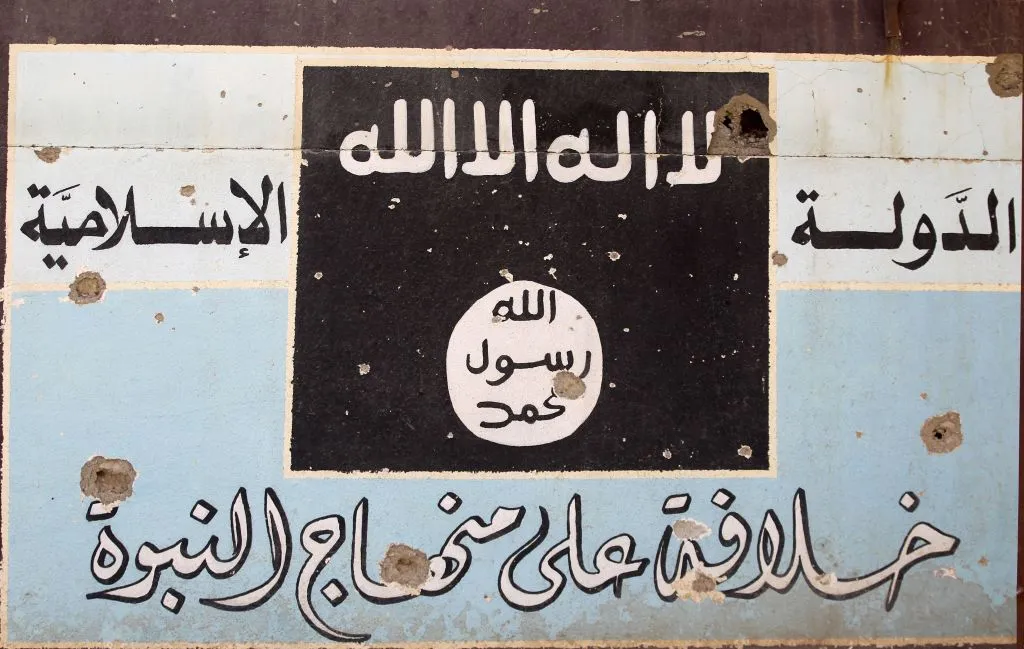
The United States' recent actions in the Middle East have been centered around Iran, but as tensions rise between Tehran and Washington, what will become of the latter's fight against the Islamic State?
The New York Times' Rukmini Callimachi, one of the world's leading reporters on ISIS, said that the U.S.'s burgeoning conflict with Iran has been hindering the ISIS front for months now, and that's not likely to change after President Trump ordered an airstrike against Iranian Maj. Gen. Qassem Soleimani, the commander of the Islamic Revolutionary Guard Corps' elite Quds Force.
The Week
Escape your echo chamber. Get the facts behind the news, plus analysis from multiple perspectives.

Sign up for The Week's Free Newsletters
Join more than 350,000 subscribers and keep yourself informed with a selection of The Week’s most interesting, enlightening and entertaining stories - plus daily puzzles.
Join more than 350,000 subscribers and keep yourself informed with a selection of The Week’s most interesting, enlightening and entertaining stories - plus daily puzzles.


