Sign up to get Today’s Best Articles in your inbox
Join 350,000+ subscribers and keep yourself informed with a selection of
The Week’s most interesting, enlightening and entertaining stories - plus daily puzzles.
You are now subscribed
Your newsletter sign-up was successful
Want to add more newsletters?
An account already exists for this email address, please log in.
What is Roomba’s legacy after iRobot bankruptcy?
Tariffs and cheaper rivals have displaced the innovative robot company
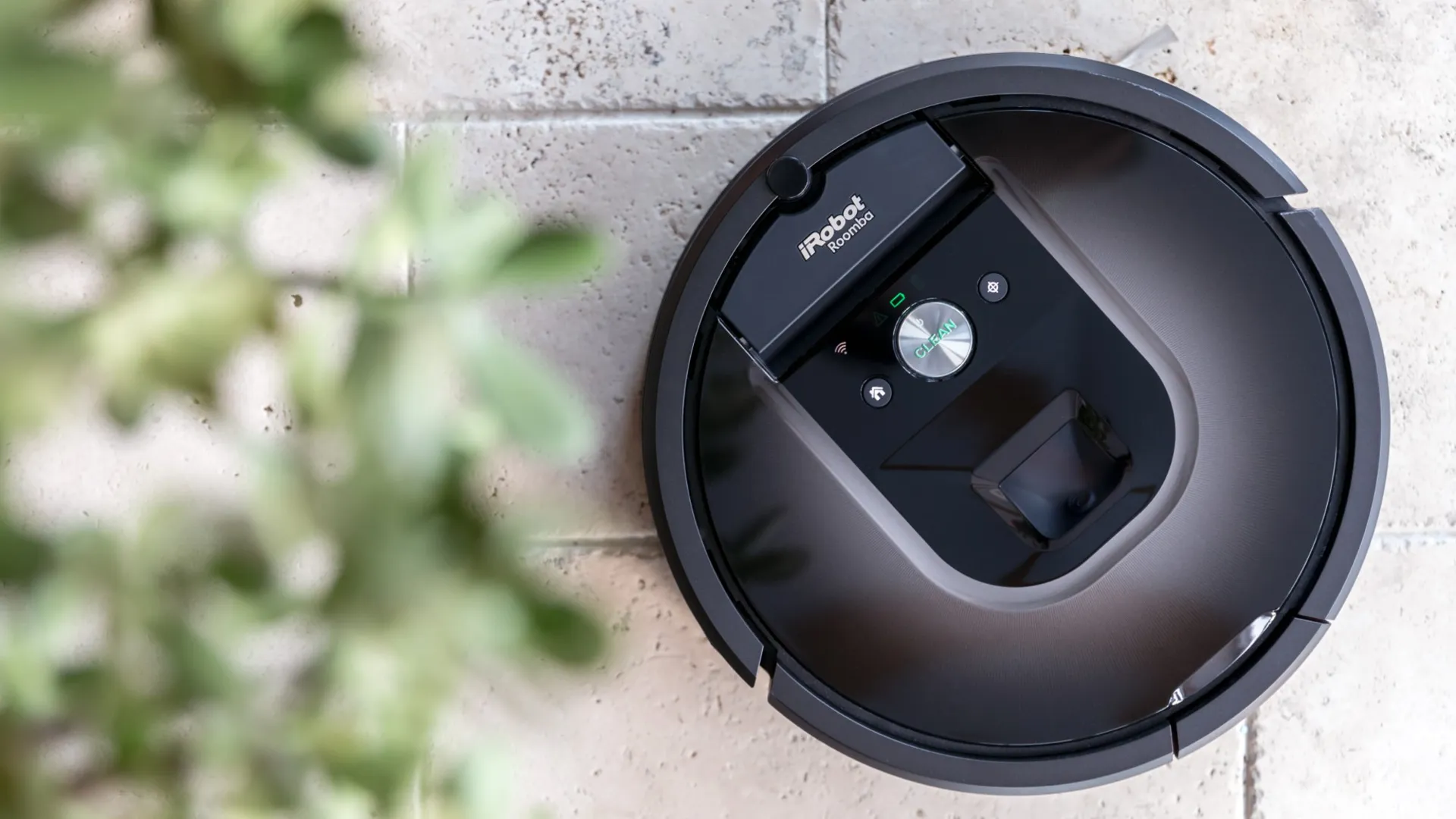
Roomba once looked like the future. Its maker, iRobot, filled American homes with small but affordable robots that helped keep households clean and cats endlessly occupied. But iRobot has now filed for bankruptcy, a victim of innovation and politics.
iRobot’s bankruptcy filing came after it “struggled to keep up with foreign rivals” and failed to withstand the “new costs of tariffs,” said NPR. Most new Roombas are manufactured in Vietnam, and the company said it owes $3.4 million in unpaid tariffs to the U.S. government. But the little robots have also been displaced by newer models at lower prices from rival manufacturers. The main consolation for Roomba fans is that their devices should “keep running as usual.”
Wasn’t Roomba a big success?
The self-guiding vacuum cleaner was most Americans’ “first experience with a home robot,” said The Verge. iRobot was formed in 1990 by MIT professors who had previously used their expertise to build devices used in Mars exploration, “mine detection, bomb disposal, search and rescue,” and other tasks and places where “humans shouldn’t or can’t” go. That list eventually included household chores. The first Roomba launched in 2002 with a $200 list price and quickly became a hit. The robot’s designers quickly “realized something special was happening,” said former CEO Colin Angle to The Verge.
The Week
Escape your echo chamber. Get the facts behind the news, plus analysis from multiple perspectives.
Join more than 350,000 subscribers and keep yourself informed with a selection of The Week’s most interesting, enlightening and entertaining stories - plus daily puzzles.
Join more than 350,000 subscribers and keep yourself informed with a selection of The Week’s most interesting, enlightening and entertaining stories - plus daily puzzles.
The beginning of the end came in 2022, when Amazon “came knocking” with a $1.7 billion offer to acquire iRobot to add to its Ring and Alexa home product lines, said TechCrunch. European regulators had “other ideas” and threatened to block the deal. Amazon called off the purchase and iRobot’s stock price “nosedived.” Those regulators “removed the most viable path for a pioneering American robotics company to scale and compete globally,” Angle said to TechCrunch.
But the Roomba may have also been a victim of its own success. iRobot “created a market for self-piloting Dustbusters,” said the Financial Times. Yet innovators are often “dethroned with alarming speed” in the consumer marketplace, and foreign rivals “flooded the market with passable substitutes,” including the cheaper imitators like the Roborock and Dreame vacuums. “Sometimes being the first mover sucks.”
Roomba’s legacy
“The best Roomba models were always the ones without a lot of flair,” said Kyle Barr at Gizmodo. The original models went after “rogue dust bunnies” in the living room. More recent versions included vacuums with pet treat dispensers, which mostly created “more mess that the vacuum would be forced to clean up later.” Those kinds of additions “don’t necessarily make for a better robot vacuum.” Despite that, the Roomba deserves to be remembered fondly “even after iRobot is kaput.”
iRobot’s bankruptcy is a “tragedy for consumers, the robotics industry and America’s innovation economy,” Angle told CNBC. But current Roomba owners should not fear their devices will be “rendered useless due to a lack of software updates,” said the Los Angeles Times. Chinese manufacturer Picea Robotics is buying out the company and says it will continue customer support.
Sign up to get Today’s Best Articles in your inbox
A free daily email with the day’s biggest news and analysis – and the best features from TheWeek.com
Joel Mathis is a writer with 30 years of newspaper and online journalism experience. His work also regularly appears in National Geographic and The Kansas City Star. His awards include best online commentary at the Online News Association and (twice) at the City and Regional Magazine Association.