The Week The Week
flag of US
US
flag of UK
UK
https://cdn.mos.cms.futurecdn.net/skoGBi9qKFoUtnNWkovjJQ.jpg

SUBSCRIBE

Try 6 Free Issues

Sign in
  • View Profile
  • Sign out
  • The Explainer
  • Talking Points
  • The Week Recommends
  • Podcasts
  • Newsletters
  • From the Magazine
  • The Week Junior
  • More
    • Politics
    • World News
    • Business
    • Health
    • Science
    • Food & Drink
    • Travel
    • Culture
    • History
    • Personal Finance
    • Puzzles
    • Photos
    • The Blend
    • All Categories
  • Newsletter sign up Newsletter
  • The Week Evening Review
    Starmer tackles Trump, Spain’s train tragedy, and a new serif in town

     
    TODAY’S BIG QUESTION

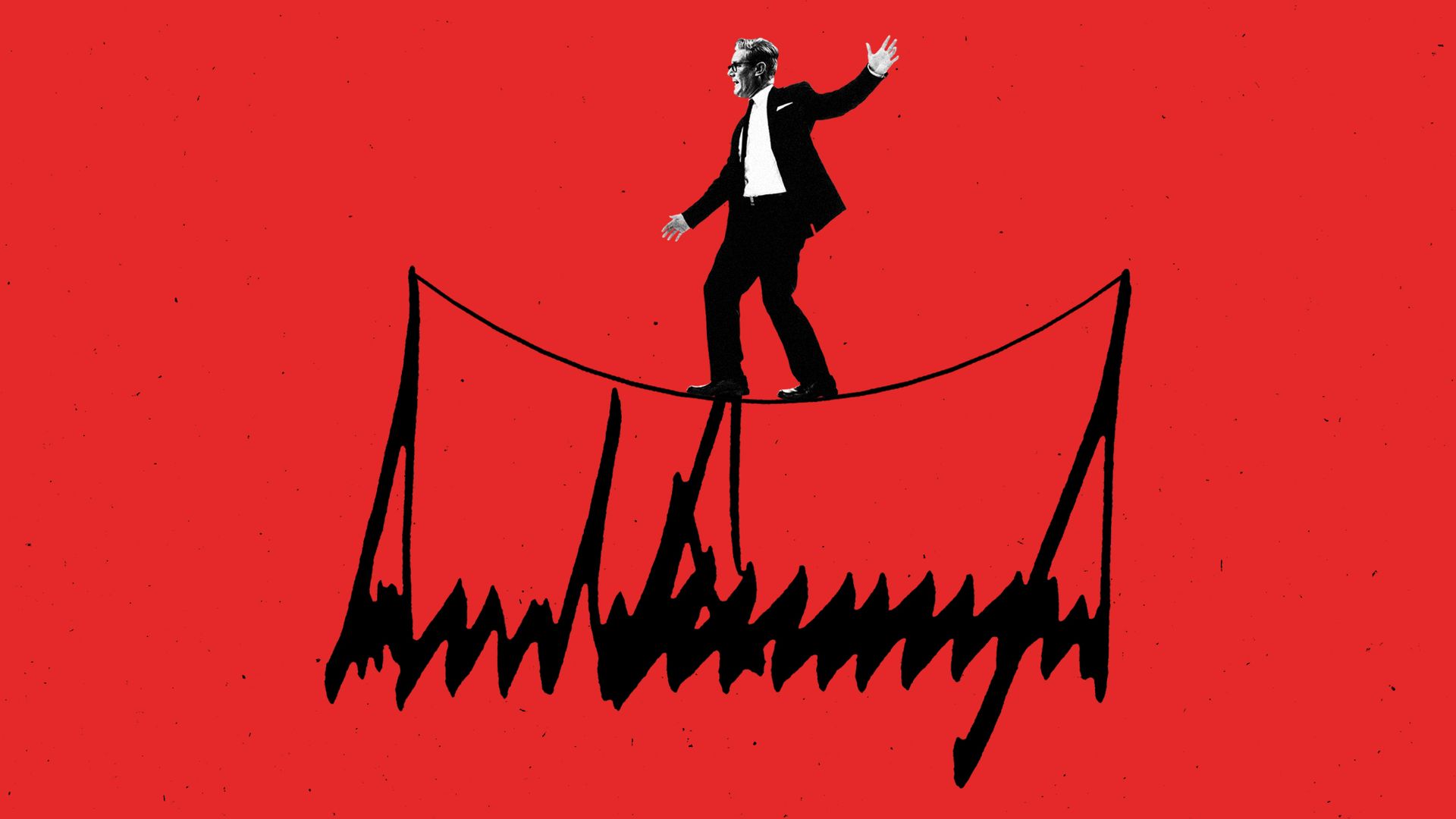
    Can Starmer continue to walk the Trump tightrope?

    Keir Starmer has called the threat of further US tariffs on Europe “completely wrong” and “not the right way to resolve differences within an alliance”. But at an emergency press conference this morning, following a weekend of diplomatic turmoil, he played down talk of retaliatory tariffs and stopped short of criticising Donald Trump personally.

    What did the commentators say?
    In spite of their “obvious differences”, the prime minister has “invested huge political capital and personal energy in building a personal connection” with Trump, said Amanda Akass on Sky News. Starmer’s supporters argue that this has protected the UK from the worst excesses of the Trump administration and been crucial in keeping the president onside with Ukraine.

    But having “assured voters” that the special relationship was “as strong as ever”, said The Economist, Starmer has “had to accept that, when push comes to shove, America lumps Britain with the EU” – and that is “painful”. The PM’s tactic has always been to pursue “calm discussion” in the face of “the crash and noise of Trump’s second term”, said James Heale in The Spectator. Once again, he “just has to hope that speaking softly in private will mean more than sounding off in public”.

    Starmer’s “secret hope”, said ITV’s Robert Peston, is that moderate Republicans “will be so shocked by Trump’s attempted demolition of the so-called special relationship with the UK that they will urge the president to think again”. But “that may be naive”. If there is one thing we know about Trump, it’s that he “doesn’t respond well to being told he is wrong, even by his friends”.

    What next?
    For those European leaders who want to “send a warning to America, the simplest response is trade retaliation”, said The Economist. But while Germany has thrown its weight behind Emmanuel Macron’s call to consider a “trade bazooka”, Starmer has generally maintained a less confrontational stance as he walks the difficult tightrope between Europe and the US.

    The PM is now taking a stronger line with the US, however. It is “hardly a ‘Love Actually’ moment of brave UK defiance in the face of a domineering US president”, said Sky’s Akass, but Starmer “has clearly decided it’s time to start pushing back”.


    THE EXPLAINER

    Spain’s deadly high-speed train crash

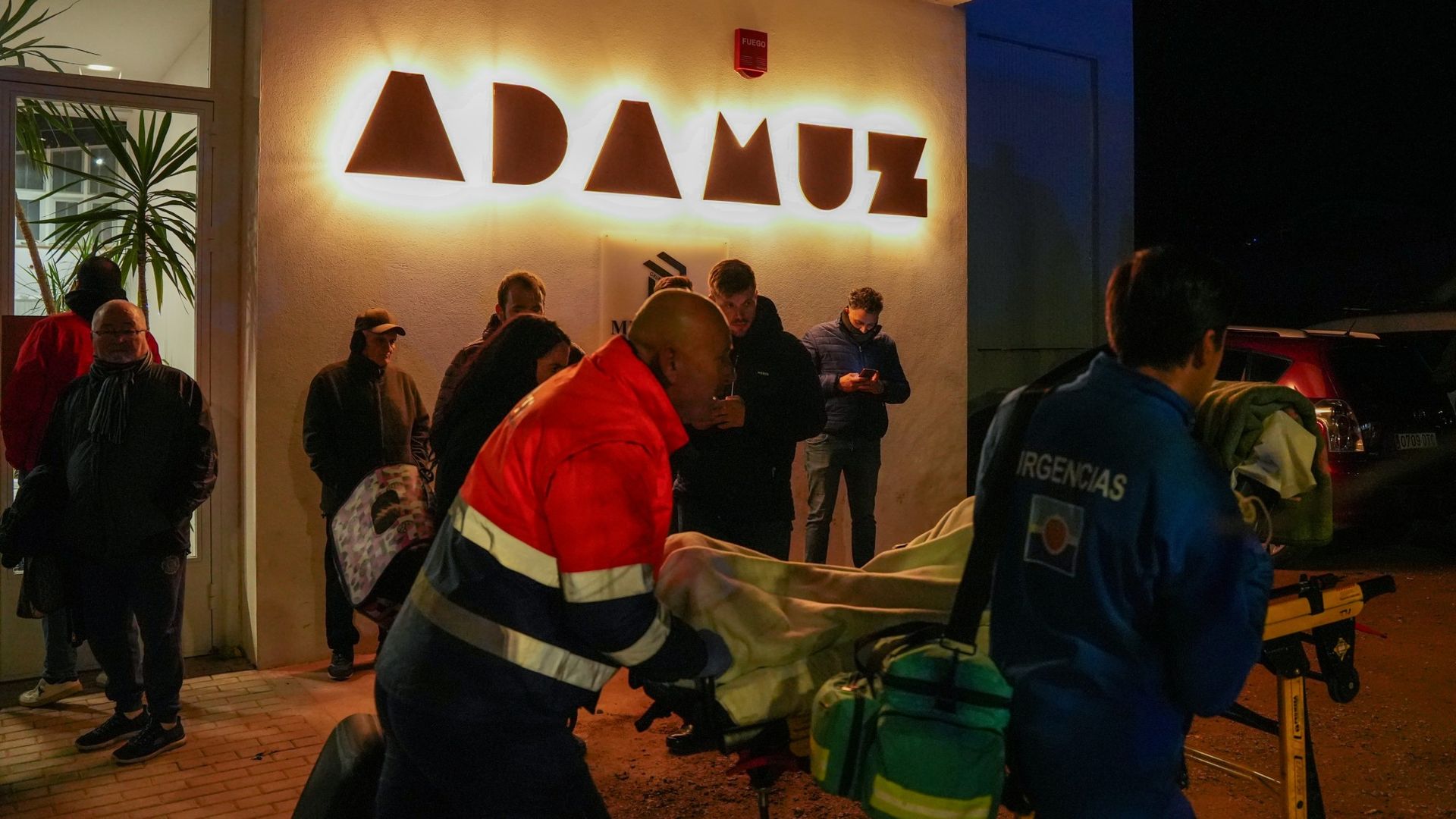
    At least 39 people have been killed and scores more injured in Spain’s worst rail crash in more than a decade. The death toll is “not yet final”, said Transport Minister Óscar Puente, as investigations begin into the high-speed collision between two trains carrying a total of around 400 people. 

    A total of 43 people hurt in the crash – 39 adults and four children – remain in hospital, with 13 in intensive care.

    What happened?
    At around 7.39pm local time yesterday, a high-speed Iryo train from Málaga to Madrid derailed near Adamuz, near Córdoba in southern Spain. Carriages six, seven and eight landed on the adjacent tracks and was then hit by a train from Madrid on its way to Huelva.

    Although it has “not yet been determined how fast it was going”, the Iryo train “was not travelling at such a high speed” and was able to brake following the initial derailment, said El País. The second train, an Alvia, was travelling at “200 kilometres per hour [125mph] parallel to the Iryo train at that moment”, then derailed and fell down a “five or six metres high” embankment.

    Why did it happen?
    The official cause is “not yet known”, said the BBC. “An investigation is not expected to determine what happened for at least a month.”

    This was an “extremely strange” incident, said Puente. It occurred on a “straight stretch of track”, the train was “relatively new” and the track had been “recently renovated”, said La Vanguardia. 

    The stretch of track where the crash took place “recently received an investment of more than 700 million euros (£608 million) for renovations which were completed in May”, said The Telegraph. Spain has the largest high-speed rail network in Europe, second only to China globally, with almost 2,000 miles of track.

    What are the authorities doing?
    Renfe – Spain’s national state-owned railway company – predicted it would take “more than four days to resume service between Madrid and Andalusia”, said Spanish newspaper ABC. 

    Prime Minister Pedro Sánchez has cancelled his trip to the World Economic Forum in Davos because of the train crash.


    QUOTE OF THE DAY

    “Considering your Country decided not to give me the Nobel Peace Prize for having stopped 8 Wars PLUS, I no longer feel an obligation to think purely of Peace.”

    Donald Trump links his Greenland seizure threats to Norway’s failure to award him a Nobel, in a letter to Prime Minister Jonas Gahr Støre. The US president said he would now do “what is good and proper” for his own country.


    Poll watch

    More than three-quarters (76%) of people in the UK are “unwilling or hesitant” to trust someone who has different values or a different cultural background to them, according to the 2026 Edelman Trust Barometer. The survey of 33,900 people across a total of 28 countries found that such insularity was highest in developed markets such as Japan (89%) and Germany (81%).


    IN THE SPOTLIGHT

    A new serif in town: Trump’s font culture war

    “The United States is breaking up with a font because it’s just not their type,” quipped Politico after Secretary of State Marco Rubio formally changed his department’s official font from Calibri to Times New Roman. Announcing the recent switch, Rubio described Calibri as “informal” and a “wasteful” paean to diversity.

    ‘Restore decorum and professionalism’
    Rubio “waded into the surprisingly fraught politics of typefaces” to reverse a 2023 directive by the Biden administration for the State Department to use Calibri, “which is typically considered more accessible for people with reading challenges thanks to its simpler shapes and wider spacing”, said The New York Times. 

    In an open memo, Rubio reportedly said that returning to the more traditional Times New Roman would “restore decorum and professionalism to the department’s written work”. His directive – titled “Return to Tradition: Times New Roman 14-Point Font Required for All Department Paper” – can be seen as another attempt by Donald Trump’s administration “to stamp out remnants of diversity initiatives across the federal government”, said the newspaper.

    History is full of significant “typographic disputes” that become fronts in culture wars, said Robrecht Vanderbeeken in Diggit Magazine. The Vatican introduced its own printing press in the 16th century that used “exclusively Roman Antiqua”, while Louis XIV demanded an “exclusive royal typeface”, the Romain du Roi. “Is it only a matter of time before Trump wants his own golden font?”

    ‘Ideological straitjacket’
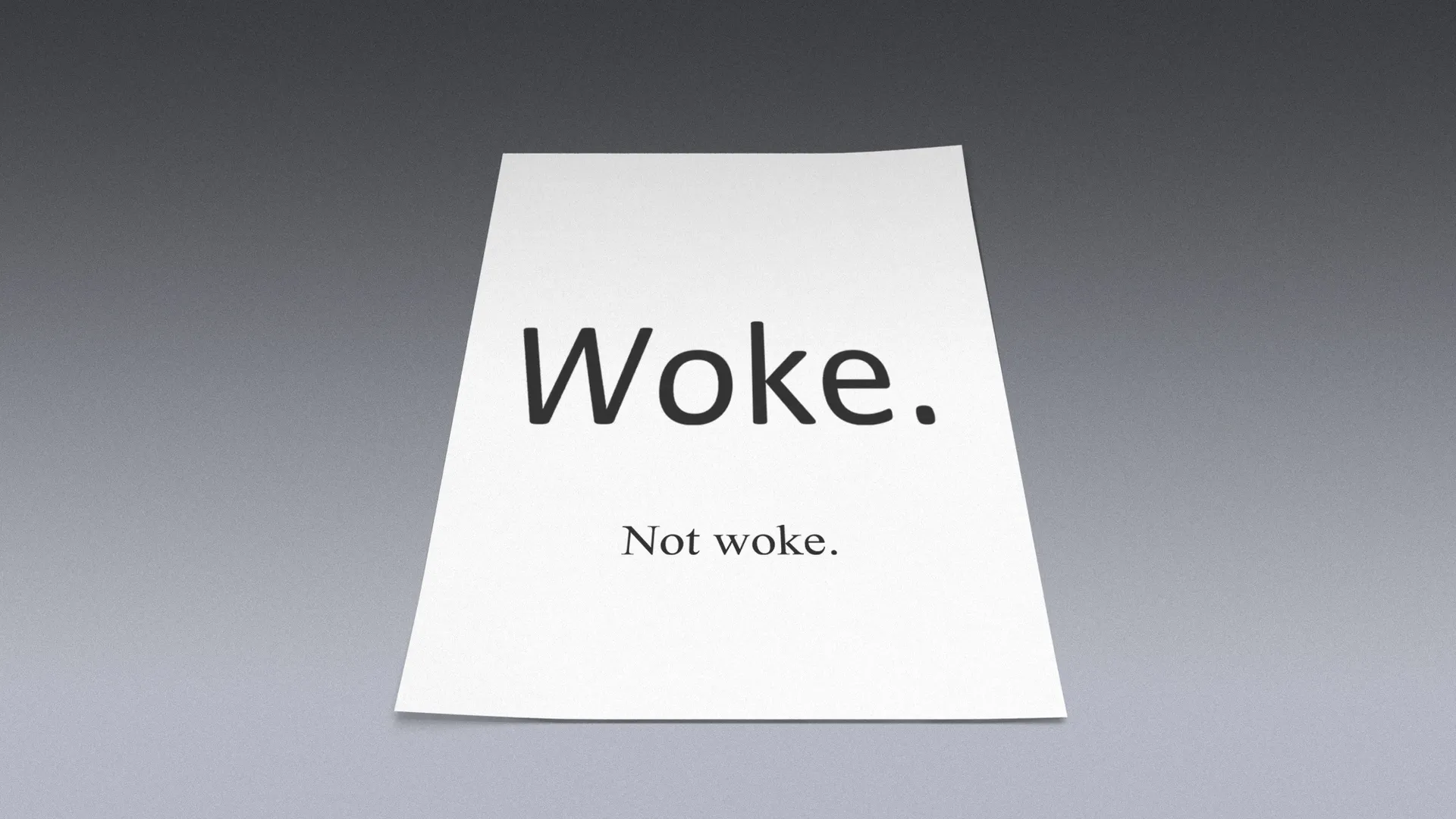
    “A ban on Calibri may seem banal, but it reveals a deeper fear of freedom,” said Vanderbeeken. Fonts have become the “latest battleground in the culture war of Trumpism”, with Times New Roman being given an “entirely new ideological connotation”. Even though Calibri is more accessible, supports more languages and is better suited for reading on screen, the Trump administration sees it as too “woke”.

    Rubio’s move can only be seen as yet another episode in the “unceasing efforts to root out DEI (or in this case DEIA)”, said Bloomberg, emphasising the final part of the acronym for Diversity, Equity, Inclusion and Accessibility. It highlights how the department even “pitches aesthetic minutia into sharp partisan relief”.


    Good day 🚆

    … for hollow victories, as construction work is completed on HS2’s longest tunnel. Trains will be able to travel at more than 200mph through the 10-mile twin-bore tunnel beneath the Chiltern Hills in Buckingham. But the launch date for the high-speed rail link from London to Birmingham remains uncertain and the final bill is on track to exceed £100 billion.


    Bad day 💧

    … for alcohol producers, as a historic downturn in demand for Scotch, whiskey, cognac and tequila leaves drinks makers with massive stockpiles of unsold spirits. Companies including Diageo, Pernod Ricard and Rémy Cointreau are halting or scaling back production and slashing prices in response to the decline, blamed on changing consumer habits, economic pressures and global trade tensions.


    picture of the day

    High hopes

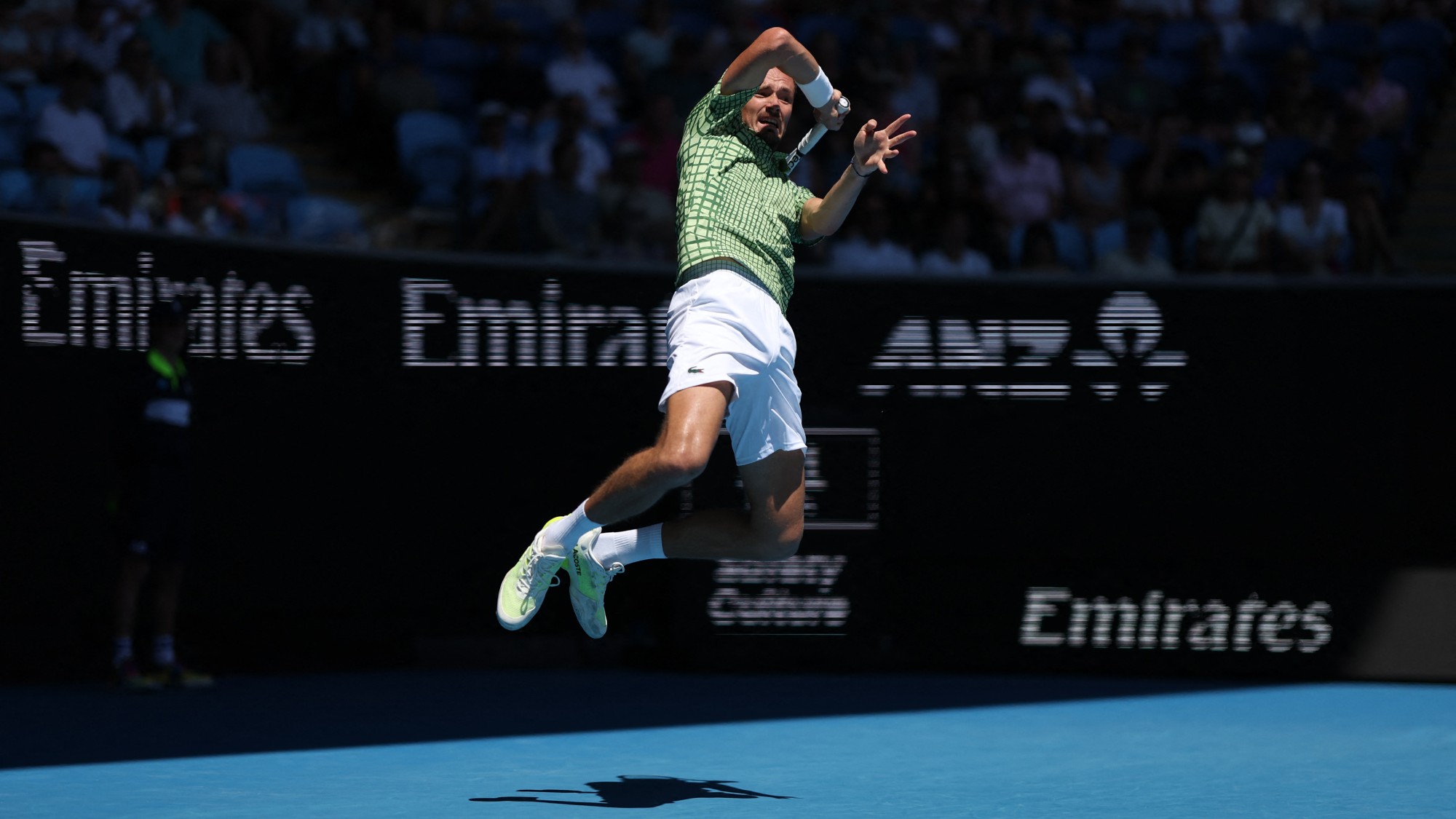
    Russia’s Daniil Medvedev leaps into action to defeat the Netherlands’ Jesper De Jong in the first round of the Australian Open. The victorious former world No.1 is a three-time finalist at Melbourne Park but has never lifted the trophy.

    Martin Keep / AFP / Getty Images


    Puzzles

    Guess the number

    Try The Week’s new daily number challenge in our puzzles and quizzes section

    Play here


    THE WEEK RECOMMENDS

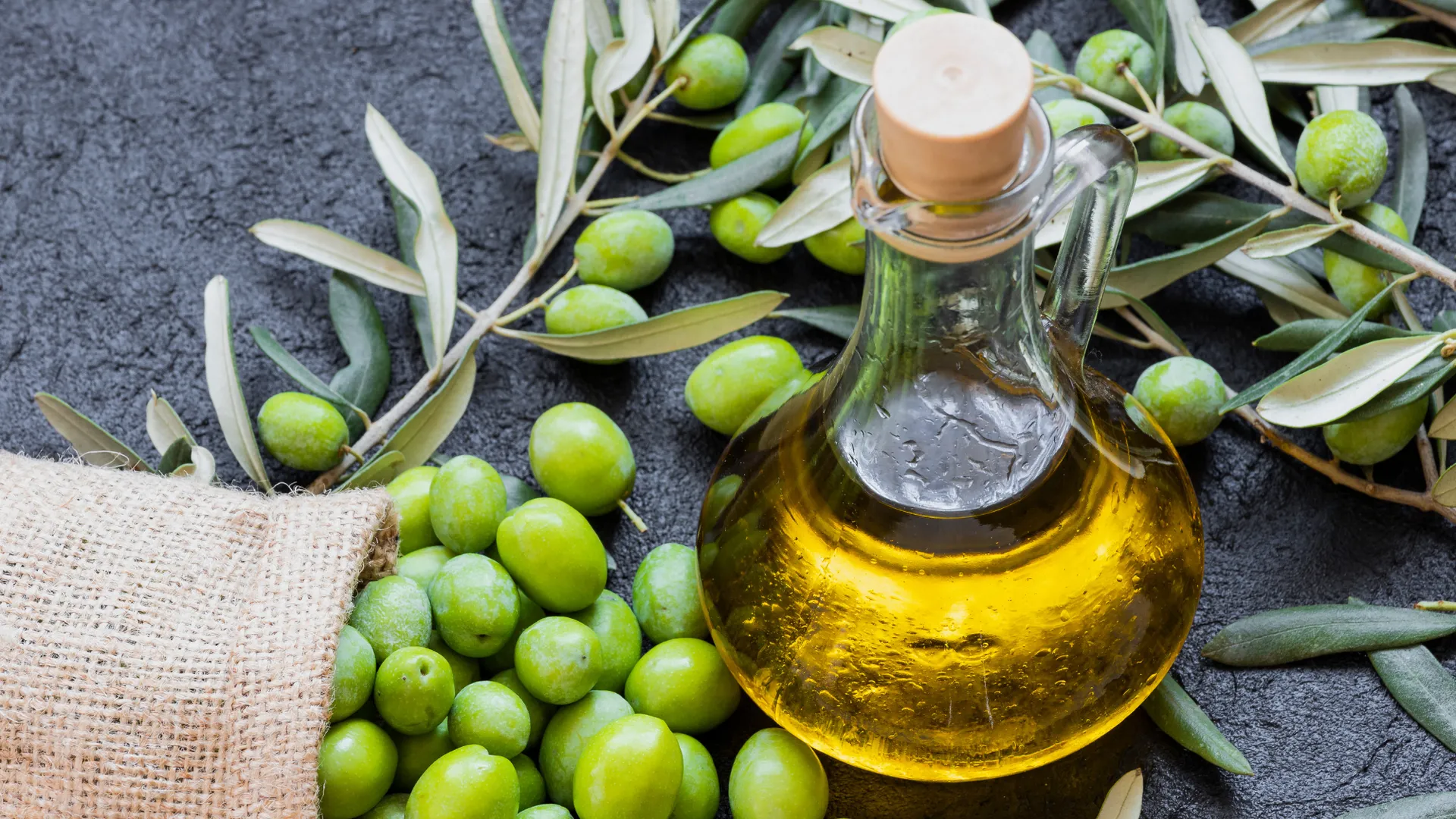
    The olive oil renaissance

    Extra-virgin olive oil has overtaken Perelló olives and Torres crisps as the “present du jour” to take to “trendy” dinner parties, said Arabella Bowes in House & Garden. The trend is being driven by the “sober curious movement”, especially at this time of year as more people look for Dry January gifts.

    With around 1,600 olive varieties and “thousands of flavour profiles”, there is plenty of choice. But with each bottle lasting up to six months, an olive oil’s provenance is becoming more and more important. People are “demanding” to know “what ingredients have gone into it, where the olives were grown and who’s behind the brand”.

    “Extra-virgin olive oil is now a cultural marker of taste,” Delli’s Octavia Pendrill-Adams told The Telegraph. The bottles look great on kitchen shelves and the oil is so versatile in cooking. “Premium, pretty and, crucially, ethical brands” have become a “status symbol for our pantries”, said Elinor Griffin, oils buyer at Waitrose.

    I recommend treating extra virgin “like seasoning”, Katia El-Fakhri, co-founder of Glug olive oil, told The Telegraph. Use it to finish a salad or a pudding, “tasting as you go to judge the balance”. The paper’s reviewers found Glug’s Evoo For Drizzling, £16 for 750ml, “grassy, refreshing and a little appley”.

    Those who “aspire to be on MasterChef” should also check out the Evoo from Two Fields Zakros, £18.50 for 500ml, said Chloe Mac Donnell in The Guardian. A top-notch brand, it is “used by restaurants including Primeur in London, Sargasso in Margate and The Pig hotel group”.


    Statistic of the day

    567: The number of norovirus cases in English hospitals in the week ending 11 January, according to latest NHS data– a 57% increase on the previous seven days. At least 10 NHS trusts in England have declared critical incidents in recent days as the vomiting bug overwhelms stretched hospital services.


    instant opinion

    Today’s best commentary

    The men I know love AI and the women don’t – and I understand why
    Olivia Petter in The Independent
    All of the men I’ve dated recently wanted “to talk to me about AI”, writes Olivia Petter. Studies show that men use it “more than women”, and the reason is clear. “This technology has been weaponised against us since its advent”, reinforcing “gender biases” and creating “pornographic deepfakes” and “AI girlfriends”. AI “downplays women’s health issues” and “portrays” us as “subservient”. “Is it any wonder that” we might feel more “reticent about embracing” it?

    No amount of defections will change the fact that Reform and the Tories are singing the same tunes
    John Harris in The Guardian
    The Tories and Reform are “two bands with the same songs”, writes John Harris. We are watching “a feud within the same political family” that is “driven by animosities that seem to be as much personal as ideological”. British Conservatism “has been shifting rightwards for a decade now”, and if Nigel Farage and “his ever-increasing band” of Tory defectors become “its new standard bearers”, it won’t signify “rupture” but rather a “reunion” of demotically belligerent “Thatcher disciples”.

    In a time of crisis, small pleasures can offer us consolation
    Jane Shilling in The Telegraph
    The EU foreign policy chief “reportedly said the turbulent state of the world might drive her to drink”, writes Jane Shilling, but instead of abandoning dry January, we could “lift our spirits” with “a stiff dose of fresh air” or books about facing “hardship with courage and humour”. I recently reread Laura Ingalls Wilder’s account of the “relentless blizzards” on her family’s homestead. They “kept singing to Pa’s faithful violin” – and “without so much as a nip” of gin.


    word of the day

    Amaranthaceae

    A family of plants named from the Greek for “unwithering”. A tiny shrub from the Amaranthaceae genus that was thought to be extinct for 58 years has been rediscovered in northern Queensland after horticulturist Aaron Bean uploaded pictures of it to the community-driven identification app iNaturalist, according to a study in the Australian Journal of Botany.


    Evening Review was written and edited by Jamie Timson, Elliott Goat, Chas Newkey-Burden, Will Barker, Irenie Forshaw, Helen Brown, David Edwards and Kari Wilkin, with illustrations from Stephen Kelly.

    Image credits, from top: illustration by Stephen Kelly / Getty Images; Francisco J. Olmo / Europa Press / Getty Images; illustration by Stephen Kelly / Shutterstock; Martin Keep / AFP / Getty Images; Hakan Eliacik / Getty

    Morning Report and Evening Review were named Newsletter of the Year at the Publisher Newsletter Awards 2025
     

    Recent editions

    • Morning Report

      EU plans €93bn tariffs over Trump Greenland threat

    • Sunday Shortlist

      A ‘phenomenally powerful’ Shakespearean tragedy

    • Saturday Wrap

      How the Minneapolis shooting has split America

    VIEW ALL
    TheWeek
    • About Us
    • Contact Future's experts
    • Terms and Conditions
    • Privacy Policy
    • Cookie Policy
    • Advertise With Us
    • FAQ
    Add as a preferred source on Google

    The Week UK is part of Future plc, an international media group and leading digital publisher. Visit our corporate site.

    © Future Publishing Limited Quay House, The Ambury, Bath BA1 1UA. All rights reserved. England and Wales company registration number 2008885.