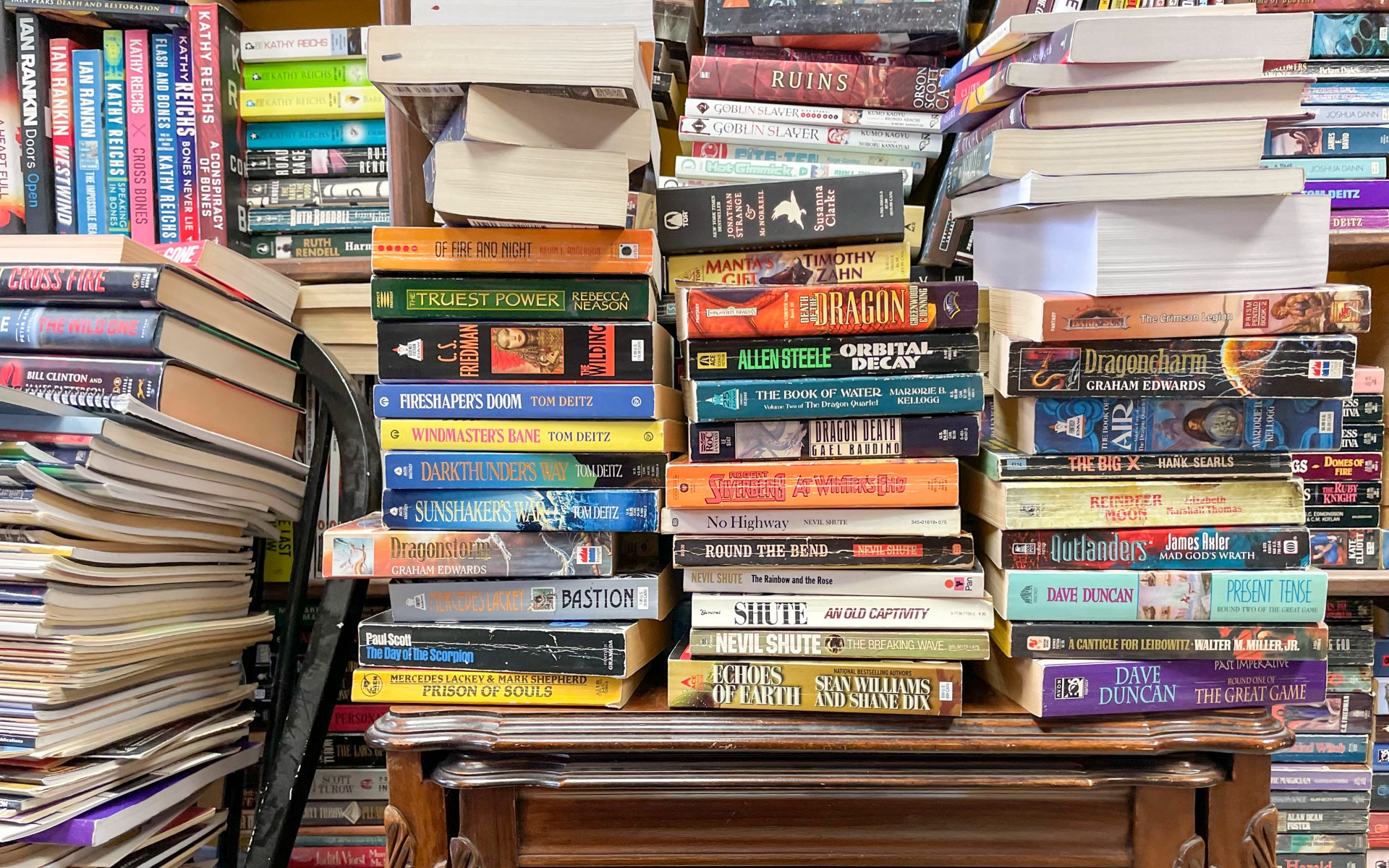
After nearly a century in wide circulation, mass-market paperbacks are “shuffling towards extinction”, according to The New York Times. Sales have dropped over the years, “peeled away by e-books, digital audiobooks and even more expensive formats like hardcovers and trade paperbacks”, the mass market’s “larger and pricier cousin”.
Since the 1930s, mass-market paperbacks have been “beloved for making reading accessible”, said Smithsonian Magazine. Typically printed on cheaper paper and measuring “roughly four by seven inches”, they were “marketed wherever people shopped, filling racks in grocery aisles, drugstores, gas stations, newsstands and malls”.
However, mass market unit sales “plunged from 131 million in 2004 to 21 million in 2024, a drop of about 84%”, according to industry data firm Circana BookScan, and sales through to last October were only about 15 million units, said Publishers Weekly.
Yet it wasn’t publishers “leading the move away from mass markets”, said the Times, “it was readers”. And mass markets were not just “cannibalised digitally”. Readers appear “more willing to buy books in larger, pricier formats”. Romance readers “happily shell out three or four times the price of a mass-market paperback on deluxe hardcovers with colorfully stained edges on the paper or other embellishments”.
The removal of mass-market paperbacks is an “indication of the book affordability crisis”, said R. Nassor at literary website Book Riot. A trade paperback that is “50% more expensive – even accounting for inflation”, and a “pricey monthly book subscription are not enough to replace a $10 book you could own”. Now is not the time to “roll back affordable options for consumers in any entertainment space”. |