The Week The Week
flag of US
US
flag of UK
UK
https://cdn.mos.cms.futurecdn.net/flexiimages/jzblygzdxr1769609154.gif

SUBSCRIBE

Try 6 weeks free

Sign in
  • View Profile
  • Sign out
  • The Explainer
  • Talking Points
  • The Week Recommends
  • Podcasts
  • Newsletters
  • From the Magazine
  • The Week Junior
  • More
    • Politics
    • World News
    • Business
    • Health
    • Science
    • Food & Drink
    • Travel
    • Culture
    • History
    • Personal Finance
    • Puzzles
    • Photos
    • The Blend
    • All Categories
  • Newsletter sign up Newsletter
  • The Week Evening Review
    Gaza peace plan, new cancer strategy, and Vietnam’s balancing act

     
    TODAY’S BIG QUESTION

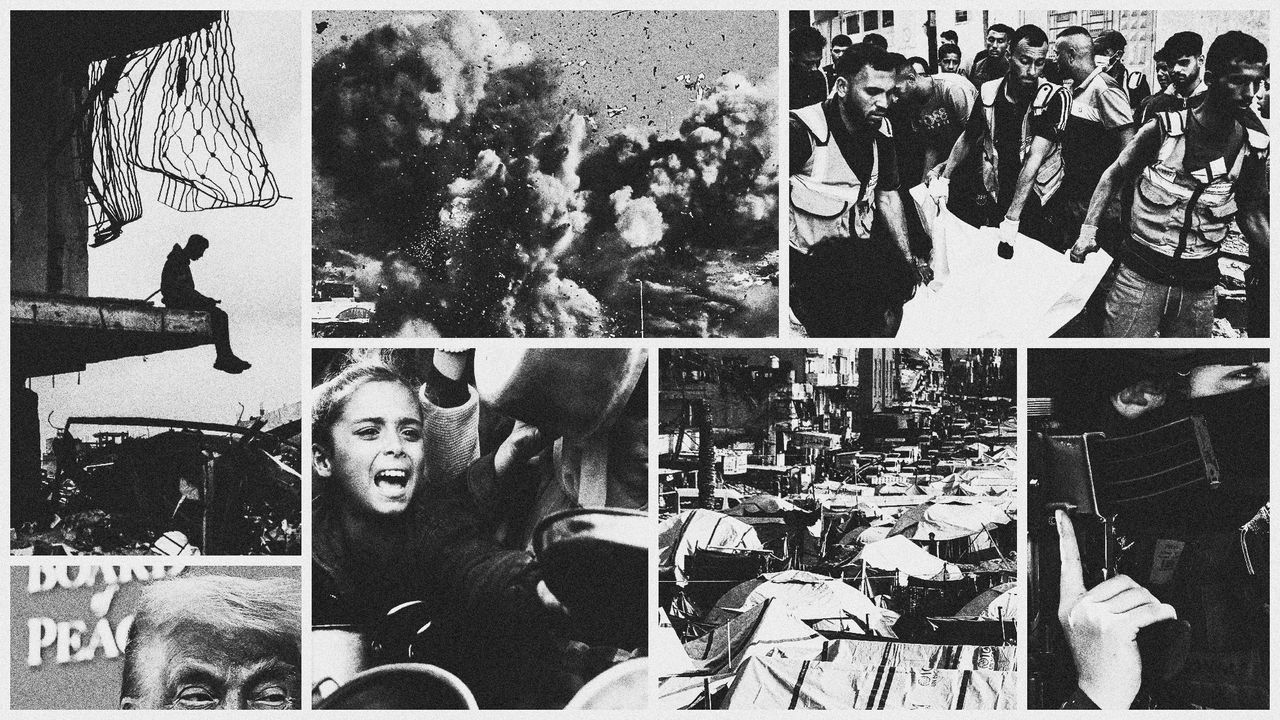
    Is the Gaza peace plan destined to fail?

    The return of the remains of police officer Ran Gvili – the final Israeli hostage left in Gaza – has “turned the page on arguably Israel’s darkest chapter”, said Henry Bodkin in The Telegraph. Yet “in doing so, it ushers in an uncertain new era” for Gaza.

    What did the commentators say?
    Since the ceasefire came into force, more than 500 Palestinians have been killed in Gaza – “an average of just over 4.5 deaths per day”, said Luc Bronner in Le Monde. This compares to around 92 deaths per day during the two years preceding the ceasefire, according to Ministry of Gaza records. This is “neither full-scale war nor a true ceasefire”.

    “Difficult questions remain unaddressed,” said Reuters. The success of phase two of the 20-step peace plan is contingent on the disarmament of Hamas and further withdrawal of Israeli forces, but both sides have “shown little sign of narrowing their disputes”. Many Israelis and Palestinians believe Donald Trump’s plan may “never be fully realised and a frozen conflict will continue indefinitely”.

    The peace push faces “many obstacles”, said David Ignatius in The Washington Post. Hamas, “a group whose very existence is about armed struggle”, is being asked to “neuter itself”. But the Gaza reconstruction effort is “better organised than many commentators seem to realise”. The Board of Peace may look like a “stunt” but there is a “real plan”, “anchored” in UN resolutions. It may be a “long shot” but it’s the “best chance” to create a Gaza controlled by its people, not by Israel or Hamas.

    What next?
    “Ultimately, the question is whose clock is ticking with a greater sense of urgency,” said Dennis Ross and David Makovsky in Foreign Affairs. Israel has “made clear” that it will resort to violent action if the voluntary disarmament falls through, setting a deadline of six months after the initial ceasefire.

    Trump’s role will be key. He needs to “apply sustained leverage” on all parties, backed by states that have influence in the region. If this phase fails, the “future looks bleak”. At best, the territory will stay partitioned and, at worst, “Gaza will once again become a war zone”.


    THE EXPLAINER

    England’s ambitious cancer plan

    Three-quarters of people diagnosed with cancer will survive for five years or more by 2035, if a new national cancer plan for NHS England meets its target.

    What is the plan?
    England’s first national cancer plan was published in 2000. It introduced targets for waiting times, but those have been missed for more than a decade. The new strategy is a 10-year framework covering cancer prevention, diagnosis, treatment, care and research.

    Around 11,000 people responded to the call for evidence, describing “personal battles against a healthcare system buckling under the cancer burden”, said Sky News health correspondent Ashish Joshi. Ministers have been studying progress in Denmark, which in 2000 had similar survival to the UK but has since “leapfrogged ahead”, said The Times.

    How will it work?
    NHS England will aim to meet all of its cancer waiting-time targets by 2029, partly through a major expansion in robot-assisted surgery – from 70,000 procedures a year now to half a million by 2035. Faster diagnostic tests and community-based diagnostic centres open for 12 hours every day of the week, where possible, will be used to detect more cancers at earlier stages.

    If the plan succeeds, by 2035, 75% of cancer patients will be either “living well” with the disease under control or totally cancer-free within five years of diagnosis. The Department of Health said this would represent the fastest rate of improvement in cancer outcomes this century and would translate to 320,000 more lives saved over the lifetime of the plan.

    What has the reaction been?
    Outcomes in England have “lagged behind comparable countries for decades”, said Cancer Research UK, so it’s positive to see improving survival rates at the “centre of the plan”. However, meeting such ambitious targets will require “much faster progress”, and more information is needed about how the plan will be implemented, where responsibilities will lie and “whether bold promises will be matched with the resources required”.

    The promise that the national cancer plan will “revolutionise the way we treat cancer” is both “bold and ambitious”, said Joshi on Sky News. But with cancer destroying “far too many lives”, it “cannot afford to be anything else”.


    QUOTE OF THE DAY

    “None of us knew the depth or the darkness of that relationship.”

    Keir Starmer says Peter Mandelson hid the extent of his ties with Jeffrey Epstein while being vetted for the role of US ambassador. Speaking at a press conference in Hastings this morning, the PM apologised “for having believed Mandelson’s lies”.


    Poll watch

    Cost of living is the top concern of people across the globe, according to the latest Gallup World Poll. Almost a quarter (23%) of adults quizzed in surveys across 107 countries said the economy was the biggest problem facing their nation, followed by employment and working conditions (10%) and political systems (8%).


    IN THE SPOTLIGHT

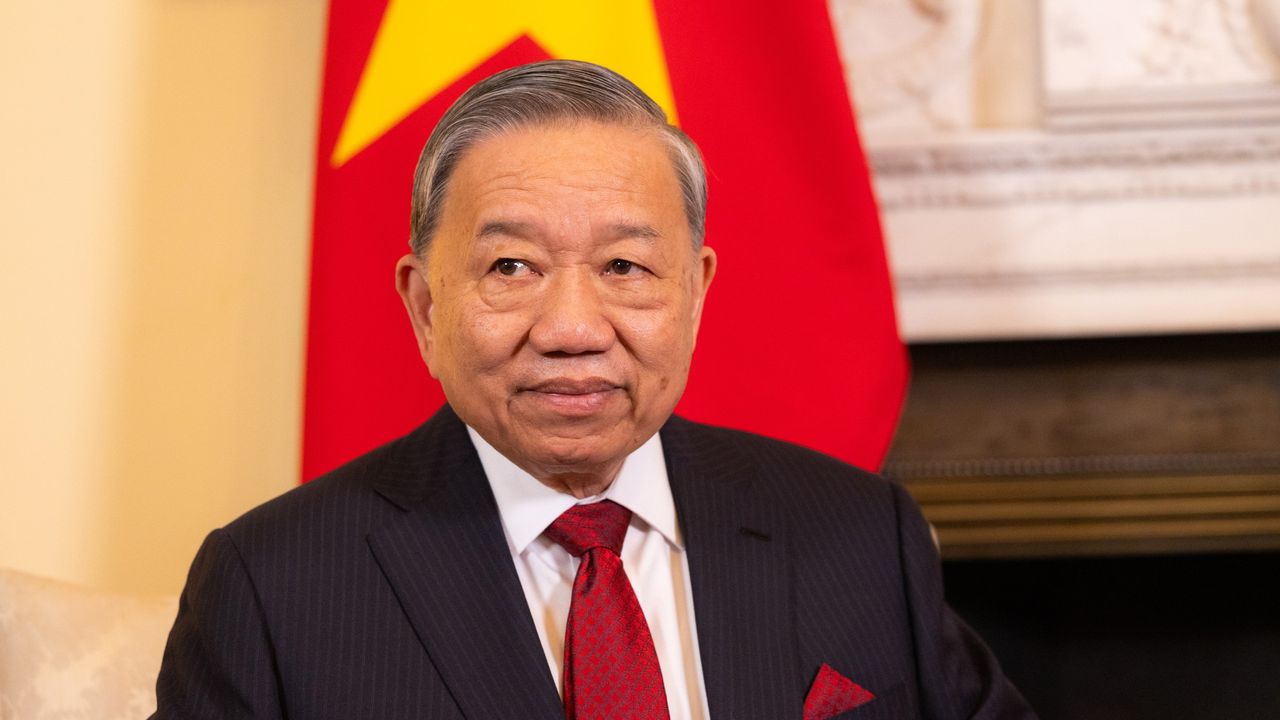
    Vietnam’s US invasion plan reflects tricky ‘balancing act’

    Vietnam has prepared a “Second US Invasion Plan” amid fears of an American “war of aggression” more than half a century after the end of the Vietnam War, according to a leaked internal military report.

    “There’s a consensus here across the government and across different ministries,” said Ben Swanton, co-director of human rights group Project88, which published the classified document. “This isn’t just some kind of a fringe element or paranoid element within the party or within the government,” he told The Associated Press.

    ‘Hanoi’s duality’
    Hanoi has “mastered the art of managing Donald Trump” since he has been in office, said Le Monde. Vietnam has adopted an “accommodating attitude”, permitting a $1.5 billion (£1.1 billion) Trump-branded golf project and joining the president’s Board of Peace “without much hesitation”, as the country seeks a “favourable trade agreement ahead of its neighbours”. Yet “deep distrust remains”, exacerbated by Washington’s recent “renewed aggression” towards Venezuela and Iran.

    As well as “exposing Hanoi’s duality” toward the US, the leaked report “confirms a deep-seated fear” of international intervention, said AP. With precedents such as the 2004 Orange Revolution in Ukraine and the 1986 Yellow Revolution in the Philippines, the Vietnamese Communist Party fears a similar “colour revolution” against its internally unchallenged leadership.

    ‘Deliberate strategy’
    Vietnam is “one of the world’s fastest-growing economies”, said the Financial Times. Its government has an “ambitious” annual growth target of 10% for this year and aims to turn Vietnam into a “developed country by 2045”. Hanoi has also agreed a “Comprehensive Strategic Partnership” with the EU in recent weeks, part of a “deliberate strategy” to “diversify and balance its diplomatic ties” and “avoid becoming too dependent on any single centre of power”, said DW. 

    The country has to maintain a delicate “balancing act” between the US and China, with the former its largest export market, and the latter its largest two-way trade partner, said AP. But even though China’s influence is more immediate geographically, the leaked invasion plan implies that China is seen “more as a regional rival than a threat like the US”.


    Good day 💷

    … for savers, after the Bank of England opted to hold interest rates at 3.75%, in a knife-edge 5-4 vote that reflected a cautious approach to inflation. However, governor Andrew Bailey said inflation was on track to fall to the 2% target by April, hinting at future rate cuts.


    Bad day 🛂

    … for British holidaymakers, who have been warned to expect hours-long queues at European airports amid the continuing rollout of biometric checks for non-EU visitors to the Schengen Area. Olivier Jankovec, director general of Airports Council International Europe, told the BBC that wait times could reach six hours during busy holiday periods.


    picture of the day

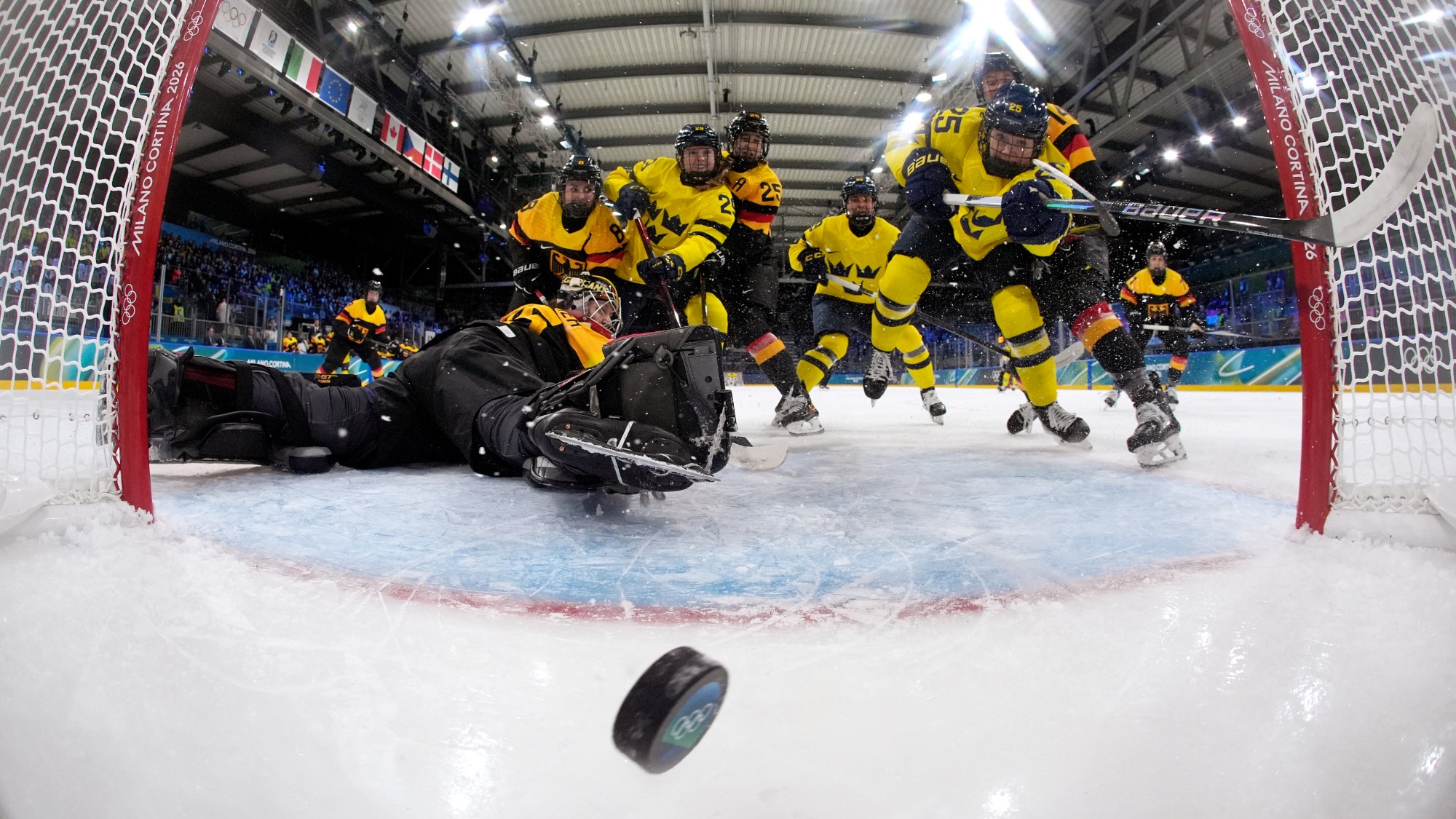
    Back of the net

    Sweden’s Lina Ljungblom scores an equaliser in the first women’s ice hockey match of the Milano Cortina Winter Olympics. Her team beat Germany 4-1 in the preliminary clash ahead of tomorrow’s official opening of the Games.

    Sun Wei / AFP / Pool / Getty Images


    Puzzles

    Guess the number

    Try The Week’s new daily number challenge in our puzzles and quizzes section

    Play here


    THE WEEK RECOMMENDS

    Best UK fashion exhibitions in 2026

    Fashion exhibitions in 2025 felt like “tonics” to a “turbulent” year, said Wallpaper* – and 2026 promises even more “unmissable” shows.

    Vivienne Westwood: Rebel – Storyteller – Visionary
    County Durham’s Bowes Museum has an “impressive history” of Vivienne Westwood exhibitions, and this year’s iteration is expected to be the “most extensive” yet, said Belle Hutton in Wallpaper*. The show concentrates on the period between 1980 and 2000, and her rise to become “one of Britain’s greatest creative forces”.

    Catwalk: The Art of the Fashion Show
    This “immersive” show at the V&A Dundee explores “Scotland’s impact on the world of fashion”, said Kerry McDermott in British Vogue – from the 1938 Empire Exhibition in Glasgow to 2024, when Dior “memorably swapped Paris for Perthshire to stage a punk-inflected Cruise show in the grounds of Drummond Castle”.

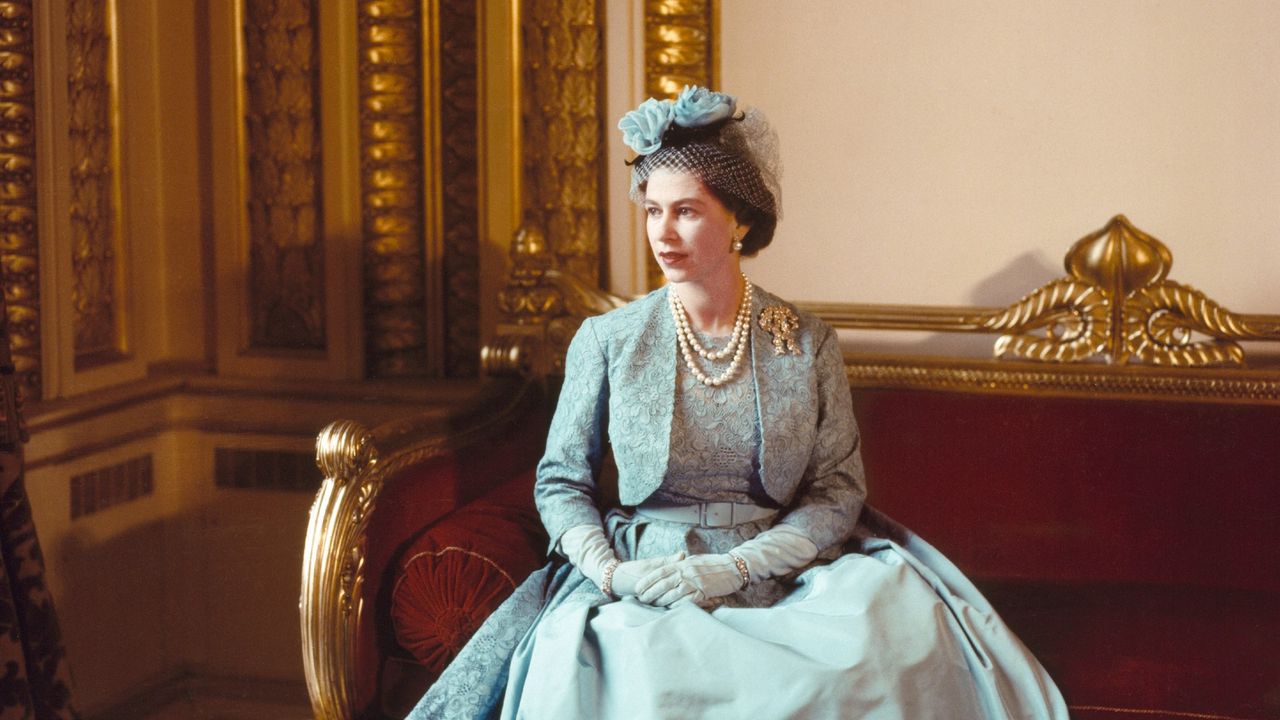
    Queen Elizabeth II: Fashion and Style
    Elizabeth II was “internationally regarded as a fashionista”, said Connor Sturges in Condé Nast Traveller. This exhibition at Buckingham Palace is the “largest display” of the late Queen’s clothes ever mounted, featuring around 200 items, “half of which will be on display for the first time”, along with “behind-the-scenes” looks at outfit illustrations, some annotated by Elizabeth herself.

    Schiaparelli: Fashion Becomes Art
    “Outrageous design comes in spades” at the V&A’s Schiaparelli exhibition, said Charlie Colville in Country & Town House. One of the 20th century’s greatest creatives, Elsa Schiaparelli took pleasure in pushing boundaries with her surrealist designs, which often incorporate humour and surprise. The first UK exhibition devoted to the label, it is not to be missed.


    Statistic of the day

    8.1 days: The average wait for death certificates to be issued in the first half of 2025, up from 6.2 a year earlier, according to a Times analysis of the latest official data. Reforms introduced in September 2024 in England and Wales require a medical examiner to review every death not investigated by a coroner.


    instant opinion

    Today’s best commentary

    I’m the Prime Minister of Spain. This Is Why the West Needs Migrants
    Pedro Sánchez in The New York Times
    “Imagine you’re the leader of a nation” facing a “dilemma” because people “crucial to everyone’s daily lives” inhabit your country but “don’t have the legal documents that allow them to live there”, writes Spain’s Pedro Sánchez. Some of my fellow world leaders “hunt them down and deport them”, but I’ve “chosen a different way: a fast and simple path to regularise their immigration status”. My reasons are both “moral” and “pragmatic”: “the West needs people” to keep our “economies and public services afloat”.

    I studied the latest Epstein files. As a woman, this is what I felt
    Helen Rumbelow in The Times
    As I read “file by file, it all started to connect”, writes Helen Rumbelow. Clicking through the millions of photos, emails and other documents related to Jeffrey Epstein “is like taking the back off the world clock”. We go “behind the grand façade usually presented by men who run the planet” and “see their everyday exchanges making the cogs of the world turn, oiled by porn-saturated woman-hating”. Now, “women can finally open the box”.

    How to deal with a friend who always plays the victim
    Kate Lister in The i Paper
    “There are all manner of red flags to look out for in our relationships” but one that can be “harder to spot early doors is the perpetual victim”, writes Kate Lister. This is the friend who’s “always at the centre of some terrible drama” and “resists actual solutions”, rather than “healing and moving on”. There’s “power in unjustly occupying the victim role”, so they “set up permanent residence on Victim Boulevard”. Don’t get stuck in a “perpetual victim triangle” with them.


    word of the day

    Productive

    How US Special Envoy Steve Witkoff described day one of trilateral talks with Russia and Ukraine in Abu Dhabi. Although “significant work remains” to reach a peace deal, he said on X as negotiations continued, Moscow and Kyiv have agreed to swap 314 prisoners, “the first such exchange in five months”.


    Evening Review was written and edited by Rebecca Messina, Jamie Timson, Will Barker, Chas Newkey-Burden, Irenie Forshaw, Adrienne Wyper, Steph Jones and Kari Wilkin, with illustrations from Stephen Kelly.

    Image credits, from top: illustration by Stephen Kelly / Shutterstock; Peter Dazeley / Getty Images; Chris Ratcliffe / Bloomberg / Getty Images; Sun Wei / AFP / Pool / Getty Images; Cecil Beaton / Victoria and Albert Museum, London

    Morning Report and Evening Review were named Newsletter of the Year at the Publisher Newsletter Awards 2025
     

    Recent editions

    • Morning Report

      Starmer’s future in doubt after Mandelson revolt

    • Evening Review

      The push for digital sovereignty

    • Morning Report

      US stealth fighter downs Iranian drone

    VIEW ALL
    TheWeek
    • About Us
    • Contact Future's experts
    • Terms and Conditions
    • Privacy Policy
    • Cookie Policy
    • Advertise With Us
    • FAQ
    Add as a preferred source on Google

    The Week UK is part of Future plc, an international media group and leading digital publisher. Visit our corporate site.

    © Future Publishing Limited Quay House, The Ambury, Bath BA1 1UA. All rights reserved. England and Wales company registration number 2008885.