The Week The Week
flag of US
US
flag of UK
UK
https://cdn.mos.cms.futurecdn.net/flexiimages/jzblygzdxr1769609154.gif

SUBSCRIBE

Try 6 weeks free

Sign in
  • View Profile
  • Sign out
  • The Explainer
  • Talking Points
  • The Week Recommends
  • Podcasts
  • Newsletters
  • From the Magazine
  • The Week Junior
  • More
    • Politics
    • World News
    • Business
    • Health
    • Science
    • Food & Drink
    • Travel
    • Culture
    • History
    • Personal Finance
    • Puzzles
    • Photos
    • The Blend
    • All Categories
  • Newsletter sign up Newsletter
  • The Week Evening Review
    Trump’s Iran endgame, a key by-election, and the problem with corners

     
    THE EXPLAINER

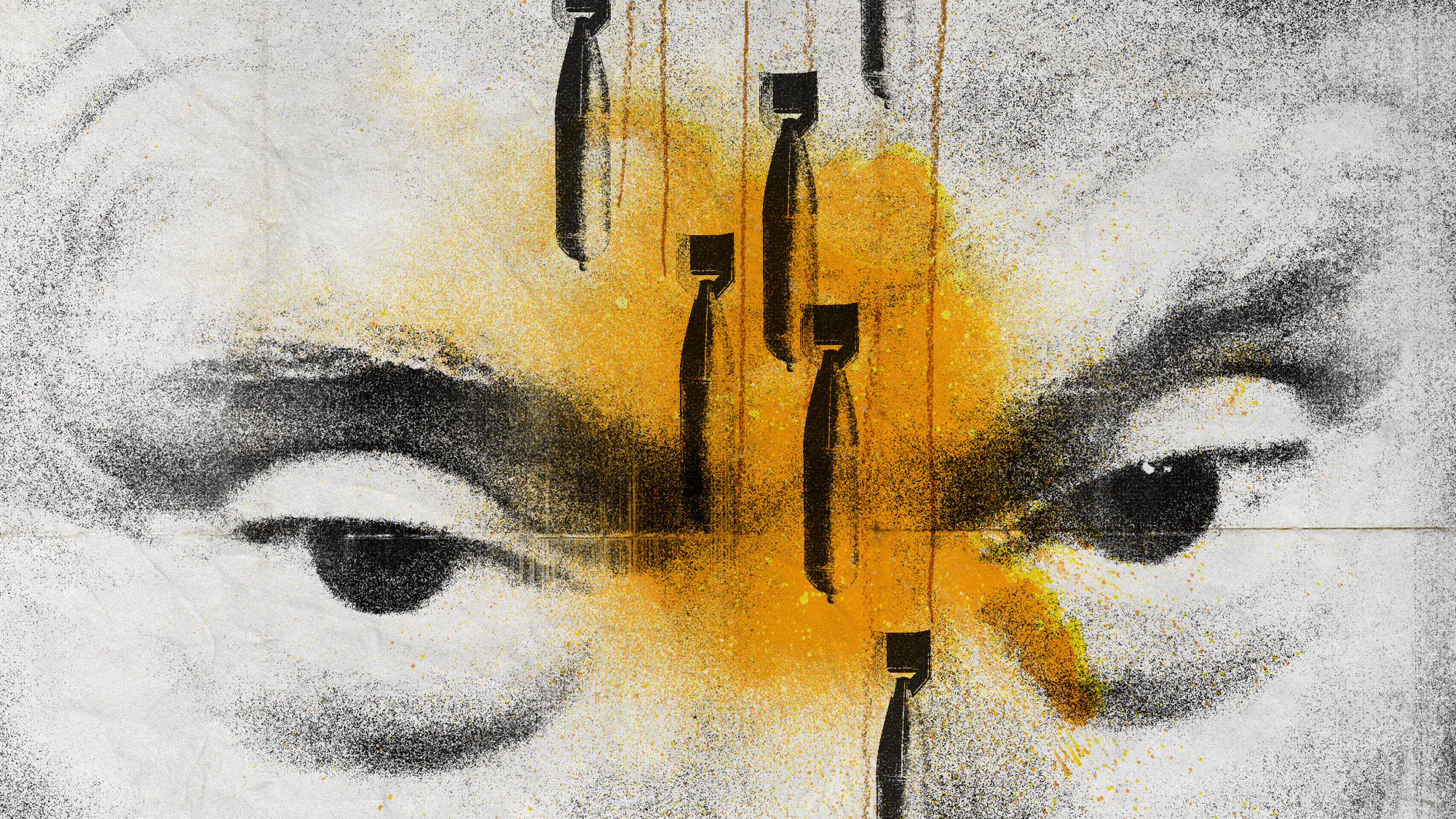
    What does Trump want in Iran?

    Following US “bunker buster” strikes last June, Donald Trump said that it had been his “great honour to destroy all nuclear facilities and capability” in Iran. But as the third round of US-Iran nuclear talks kick off today in Geneva, “those grand claims” are “not so helpful” to America’s negotiating stance, said CNN.

    After Trump’s special envoy Steve Witkoff warned last weekend that Tehran was “probably a week away” from having weapons-grade nuclear material, “suddenly, it’s not about highlighting the success of a past mission but rather about building the case for a future one”.

    What does the US want?
    Trump has “repeatedly changed his messaging on his endgame in Iran”, said the BBC, “veering from narrow nuclear issues to wider regime change”. During his State of the Union address on Tuesday, the president said he would “never allow the world’s No.1 sponsor of terror, which they are by far, to have a nuclear weapon”.

    Tehran has signalled that it is willing to abandon its nuclear ambitions in exchange for an easing of crippling sanctions – the root cause of the economic instability that sparked the country’s January uprising. But if the US goal is regime change, Trump may be hesitant to agree to anything that could improve Iran’s economic stability.

    What are Trump’s options?
    The US has amassed its largest concentration of sea and air power in the Middle East since the invasion of Iraq in 2003, although “a ground invasion is not on Trump’s agenda”, said Middle East expert Amin Saikal on The Conversation.

    With all the “military muscle” that the US has “mustered” in the region, Trump could launch a full-force attack, said Sky News. He’s already claimed his generals believe such a war would be “easily won”. Or he could opt for calibrated strikes: “whack Iran once and see if that makes its government more amenable”.

    Iran is vowing to respond to any attack with force, and Trump may decide against new strikes if the Geneva negotiations make progress. But to do nothing would “look weak”, with “consequences for America’s standing” and for Trump personally, “at a time when his approval ratings are cratering”.


    TODAY’s BIG QUESTION

    How much does Gorton and Denton’s by-election matter?

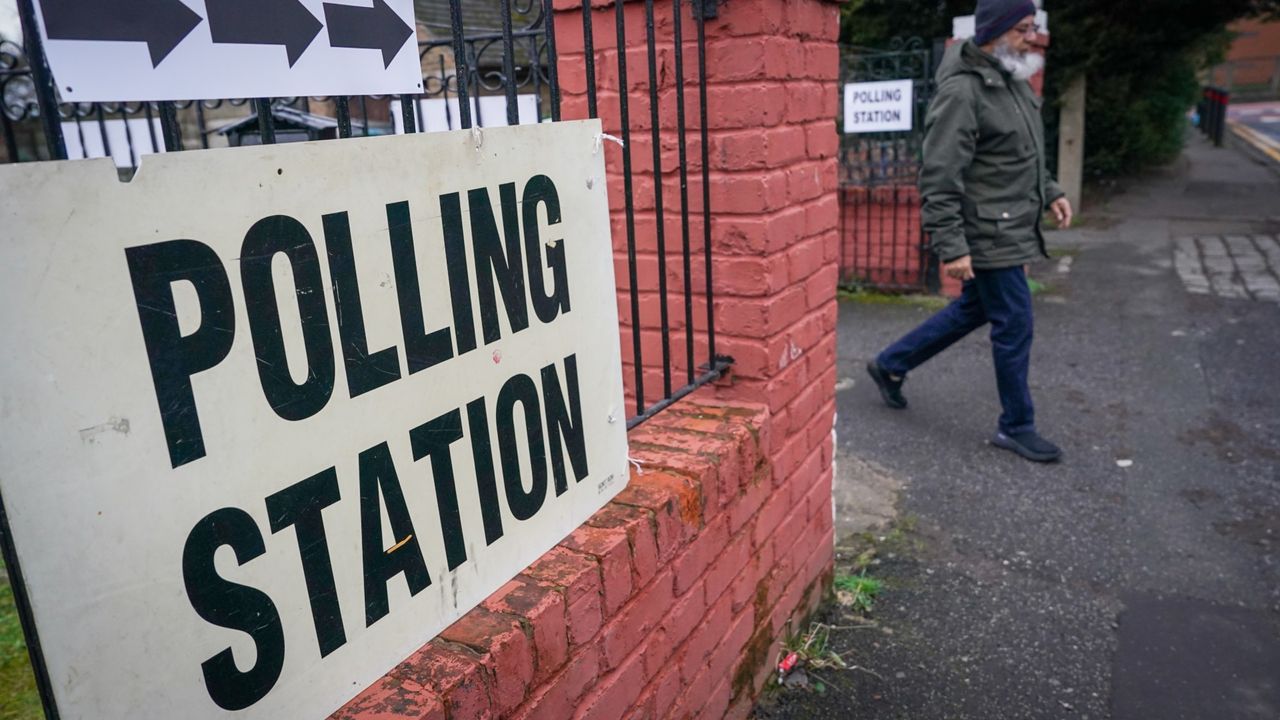
    The outcome of today’s by-election in the former Labour stronghold of Gorton and Denton will be closely scrutinised as a political bellwether. In one of the most unpredictable contests in years, polls have it as a three-way battle between Reform UK, Labour and the Green Party.

    But it can be “unwise to extrapolate from by-election results”, said The Economist in 2023. Half the seats gained at by-elections between 1992 and 2019 were lost to other parties at the next general election.

    What did the commentators say?
    In this by-election, the “likeliest split outcome is straightforward”, said Ben Walker in The New Statesman: Denton votes Reform; Gorton and its neighbours go Green. Yet that would “reveal little about the overall winner”, and based on expected turn-out, only “a few hundred votes separate first from third”.

    It’s the system, not the outcome, that should be “receiving more attention”, said Ian Simpson of the Electoral Reform Society. First past the post is “not designed with more than two candidates in mind”. When three or more parties are contesting a seat, candidates are increasingly elected with the support of “fewer than a third of voters in their area”. Tactical voting further muddies the waters.

    By-elections exist to “register protest against the government”,  said The Independent’s John Rentoul. Their history is “littered with sensational upsets” that nevertheless “left the governing party untouched”. But “Gorton and Denton feels different”. The government is “fragile” and MPs are “panicky”. The outcome here will “shape politics for months” and could influence tactical voting calculations in the May local elections and even the next general election. “Most by-elections do not matter. This one does.”

    What next?
    The results are due by 4am tomorrow. A victory for Reform would be “the biggest sign yet” that the party’s polling lead “represents real voter intentions”, said The Guardian’s Jessica Elgot. But a Green victory might be the “most catastrophic result” for Keir Starmer’s leadership, marking the Greens as “a serious progressive force”. If this by-election has barely 1,000 votes between the top three parties, “each would be wise not to overanalyse the results – but that won’t stop anyone”.


    QUOTE OF THE DAY

    “This is absolute blatant sabotage. This is a handful of peers putting down 1,200 amendments not to scrutinise the bill, which is their job, but to block it.”

    Esther Rantzen vents to Sky News following reports that more sitting days will not be allotted for the House of Lords to debate assisted dying legislation. The landmark bill will now almost certainly expire when the parliamentary session ends in May.


    Poll watch

    Almost half of Brits (45%) stick to the same four or five meals for weekend dinners, according to research commissioned by Siemens Home Appliances. More than a third (34%) of 2,000 adults polled said that deciding what to eat was the most stressful part of the whole cooking process.


    TALKING POINT

    Are corners killing football?

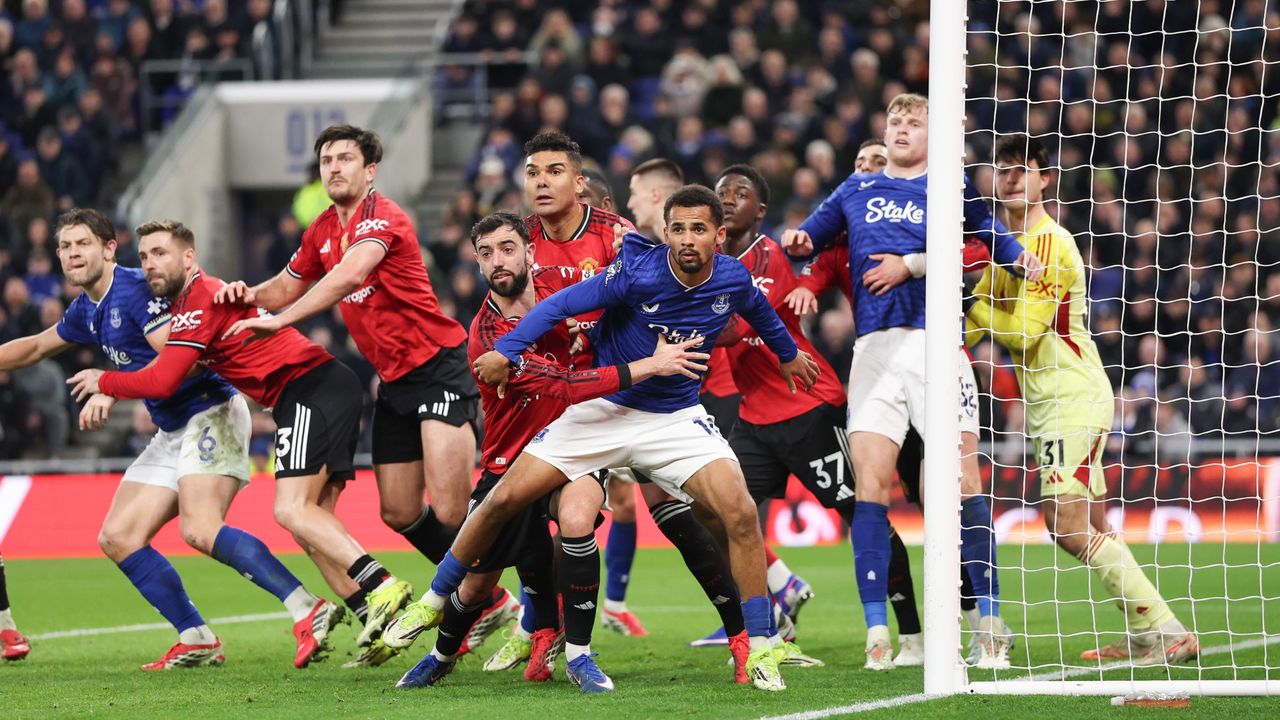
    Corners are back in fashion in the Premier League and clubs are employing specialist set-piece coaches – much to the annoyance of some fans, who regard packed penalty areas and all-in wrestling between players as a threat to the English game.

    ‘What matters is winning’’
    Premier League leaders Arsenal have led the way in the resurgence of set-pieces, scoring 37 league goals from corners since the start of the 2023-24 season, the highest tally in Europe’s top five leagues. Some people are “snobbish” about the role of set-pieces in the game, former Stoke City and Crystal Palace manager Tony Pulis told the BBC, but “the expectation, and the pressure they put on the opposition, is amazing”. And whatever the critics say, “what matters is winning”.

    After years of “strategy and technique”, and the dominance of patient, possession-based football, the “suddenness” of the change in approach by English teams has been “remarkable”, said Jonathan Wilson in The Guardian. The obsession with possession-based tactics has led to opposition teams defending in a compact “low block”, and a “reversion to something more physical” certainly poses a threat – but in a game of tactical cycles, “this too will pass”.

    ‘Ruining the spectacle’
    Some scenes during the recent game between Everton and Manchester United were an “absolute disgrace”, said Martin Samuel in The Times. We’ve grown used to a “melee of grabbing, holding, pushing, pulling” and “grappling” in penalty areas. Meanwhile, governing bodies “obsess over trivia and the trivial”, exemplified by the International Football Association Board prioritising stuff like five-second countdowns for goal-kicks. Nothing is being done to safeguard the “beautiful game”.

    “Enough already,” said Graham Scott, a former Premier League referee, in The Telegraph. Corners may be “ruining the spectacle” of football, but referees have a “nearly impossible job” trying to police the fray, especially when fans have little “appetite” for lengthy VAR delays. To fix the issue, “I would imitate hockey by forcing teams to place a certain number of players in the other half” to reduce congestion. In a “more radical move”, defenders could be inside the six-yard box and attackers outside it when a corner is taken, separating them entirely.


    Good day 🛒

    … for Aldi store assistants, after the UK’s highest-paying supermarket announced its second wage increase for floor staff since the start of the year. From April, the hourly wages of 28,000 Aldi workers will rise to £13.50 per hour, or £14.88 in London stores, beating above-inflation pay rises at Lidl, Waitrose and Sainsbury’s.


    Bad day 👮‍♂️

    … for side hustles, after a Met Police officer was sacked for running a coffee shop while suspended on full pay. Despite being refused permission to pursue a “business interest”, PC Stanley Kennett “continued to engage in and operate” The Coffee Cycle, a cafe within a bike shop in West Sussex, according to a misconduct tribunal ruling.


    picture of the day

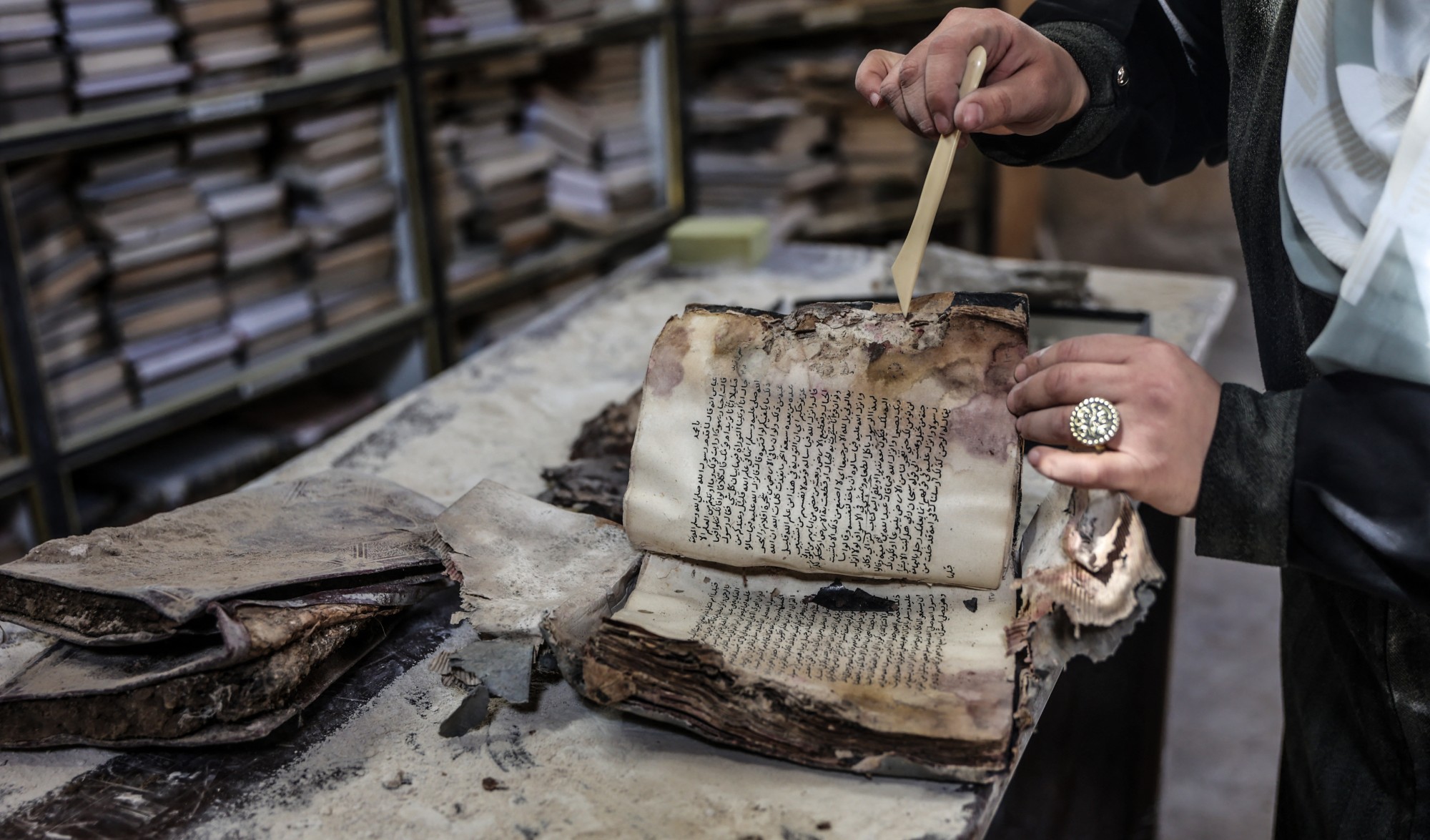
    Turning the page

    A volunteer examines a charred book in Gaza City’s Great Omari Mosque, where work has begun to restore volumes and manuscripts damaged in Israeli air strikes. Before the invasion, the mosque’s library was home to around 20,000 books, of which fewer than 4,000 remain.

    Omar Al-Qattaa / AFP / Getty Images


    Puzzles

    Guess the number

    Try The Week’s new daily number challenge in our puzzles and quizzes section

    Play here


    THE WEEK RECOMMENDS

    Tracey Emin: A Second Life – a ‘raw, visceral’ retrospective

    “Walking into Tate Modern’s huge Tracey Emin retrospective is like walking in on her crying, naked, sobbing and snotty,” said Eddy Frankel in The Guardian. It feels as though “you have stumbled into something painfully private”. That isn’t an “easy thing to pull off” in such a “cavernous” space, but the fact that she can is what makes Emin “such a special, important, era-defining artist”. She creates “art so raw, so visceral, so emotionally honest that she forces you to feel what she feels”.

    “This is a show that gets under your skin and into your bowels,” said Laura Freeman in The Times. Emin reveals her wounds in the form of “blood-stained canvases”, “the bottle of painkillers she took after an abortion in 1990”, and zoomed-in photos of her stoma (she’s in remission from bladder cancer). While the “relentless focus on self could be exhausting”, Emin eschews self-pity. “There’s a sense of eff-off defiance. Past isn’t destiny. Second lives are possible.”

    Her recent acrylics are “impassioned” but “samey”, said Alastair Sooke in The Telegraph. And “I soon tired” of the “many framed sheets of writing paper covered with her stream-of-consciousness prose”. Still, her monochromatic embroidered blankets pack “an aesthetic punch”, and her famous “My Bed” (1998) looks as “squalid as ever”. It is, by far, “the rawest, most powerful thing Emin has assembled”.

    “Don’t come here looking for a good time – you won’t find it,” said Frankel in The Guardian. But if you’re after “pure, unapologetic, undiluted, full-frontal love, grief, heartache and sadness”, you will feel it all in spades at this “wildly emotional” exhibition.


    Statistic of the day

    £230,090: The average price paid by a first-time buyer for a property in Manchester. The so-called capital of the North is the country’s leading hotspot outside of London for getting on the property ladder, according to research by Lloyds Bank. First-time buyers accounted for 70.2% of sales in Manchester last year, up from 67.2% in 2024.


    instant opinion

    Today’s best commentary

    How to save the monarchy
    Sarah Ditum on UnHerd
    The House of Windsor has “weathered” many crises, writes Sarah Ditum, “but Andrew could be different”. The late Queen “protected him” for too long, and the “£12 million settlement” to Virginia Giuffre “looks grubby”. Before Prince William takes the throne, he must “put as much distance as possible” between himself and his disgraced uncle and be the “antithesis of everything” he represents. “Breaking the gilded cage that bred Andrew, or at least bending the bars, is good politics.”

    Don’t panic but this vote could end Starmerism
    Hugo Rifkind in The Times
    If Labour “do absolutely terribly” in today’s Gorton and Denton by-election, writes Hugo Rifkind, it could be “Starmerism’s last stand”. “Forged in the burning rubble of Jeremy Corbyn’s Labour Party and the thrashing chaos” of Boris Johnson’s premiership, “Starmerism is about being a safe pair of hands when everybody else has gone nuts” – only those “hands turned out not to be terribly safe”. If Labour’s results “plunge” in this vote, “they’ll struggle to keep the faith”.

    How to start a church choir
    Bijan Omrani on The Critic
    Church choirs have “been in decline for decades”, writes historian Bijan Omrani. Choir robes, left in dusty boxes, “have been munched into lacy nothingness by generations of moths”. But “choral singing develops community and faith”, and “any parish church worth its salt” should “want to restart a choir”. With “only a tentative handful of you”, evensong can be “sung without too much stress” in Gregorian Chant: “it’s sung in unison”, with “a gentle, step-like melody”, and you don’t even need an organist.


    word of the day

    Sporran

    Scottish Gaelic for the “purse”, usually made of leather or fur, worn at the front of a Highland kilt. Scottish football fans will be able to wear their full traditional regalia at World Cup matches after Fifa amended its strict security rules to add the sporran to the list of bags permitted in stadiums.


    Evening Review was written and edited by Rebecca Messina, Jamie Timson, Harriet Marsden, Chas Newkey-Burden, Irenie Forshaw, Will Barker, David Edwards, Helen Brown and Kari Wilkin, with illustrations by Julia Wytrazek.

    Image credits, from top: illustration by Julia Wytrazek / Getty Images; Ian Forsyth / Getty Images; Michael Regan / Getty Images; Omar Al-Qattaa / AFP / Getty Images; Alishia Abodunde / Stringer

    Morning Report and Evening Review were named Newsletter of the Year at the Publisher Newsletter Awards 2025
     

    Recent editions

    • Morning Report

      Iran and US enter high-stakes nuclear talks

    • Evening Review

      Misconduct in public office explained

    • Morning Report

      Mandelson rejects ‘baseless’ claim that he was flight risk

    VIEW ALL
    TheWeek
    • About Us
    • Contact Future's experts
    • Terms and Conditions
    • Privacy Policy
    • Cookie Policy
    • Advertise With Us
    • FAQ
    Add as a preferred source on Google

    The Week UK is part of Future plc, an international media group and leading digital publisher. Visit our corporate site.

    © Future Publishing Limited Quay House, The Ambury, Bath BA1 1UA. All rights reserved. England and Wales company registration number 2008885.